

As a responsible pet owner, you’ve likely found yourself standing in the pet store aisle, staring at the colorful packages of Greenies dental treats and wondering: are Greenies really safe for my dog? This question has sparked countless debates among dog owners, veterinarians, and pet nutrition experts. With millions of dogs enjoying these popular dental chews daily, it’s crucial to understand both the benefits and potential risks associated with these treats.
Greenies have revolutionized the pet dental care industry since their introduction, promising to clean teeth, freshen breath, and provide a tasty reward all in one convenient package. However, like any pet product, they come with considerations that every dog owner should understand before incorporating them into their pet’s routine. From ingredient analysis to proper sizing guidelines, we’ll explore every aspect of Greenies to help you make an informed decision about your furry friend’s dental health.
What Are Greenies and How Do They Work?
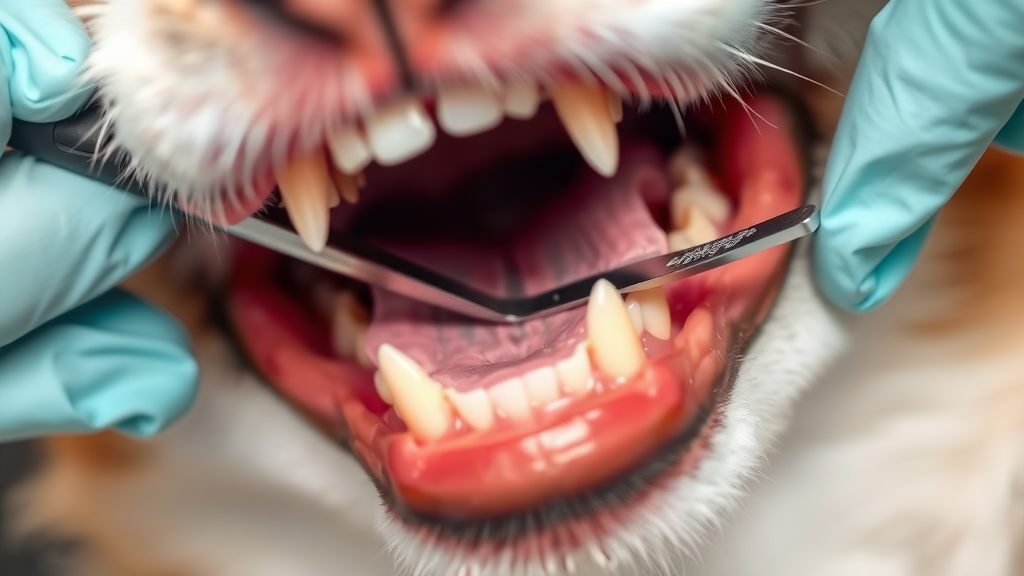
Greenies are dental chews designed specifically for dogs to help maintain oral hygiene while providing an enjoyable treat experience. These distinctive green, toothbrush-shaped chews are formulated with a unique texture that’s designed to clean teeth mechanically as dogs chew. The American Kennel Club recognizes the importance of dental care in dogs, noting that proper oral hygiene can prevent serious health issues.
The mechanism behind Greenies is relatively straightforward: as your dog chews, the treat’s texture helps scrape away plaque and tartar buildup from the teeth’s surface. The chewing action also stimulates saliva production, which naturally helps neutralize harmful bacteria in the mouth. This dual-action approach aims to address the most common dental issues that affect dogs, including bad breath, plaque accumulation, and gum disease.
Greenies come in various sizes to accommodate different dog breeds and ages, from teacup varieties for the smallest puppies to large sizes for giant breeds. The company has also expanded their product line to include different formulations for specific needs, such as grain-free options and treats designed for senior dogs. Understanding how many teeth do dogs have can help you appreciate why comprehensive dental care is so important for your pet’s overall health.
Greenies Ingredients: Breaking Down the Formula
The ingredient list of Greenies reveals a carefully crafted formula designed to balance palatability with dental efficacy. The primary ingredients typically include wheat protein isolate, glycerin, gelatin, and natural flavors. Wheat protein isolate serves as the main structural component, providing the chewy texture that helps clean teeth during the chewing process.
Glycerin acts as a humectant, keeping the treat moist and pliable, while gelatin contributes to the binding properties that hold the treat together. Natural flavors, often derived from chicken or other protein sources, make the treats appealing to dogs. Additional ingredients may include lecithin for texture, minerals for nutritional value, and natural preservatives to maintain freshness.
One important consideration is that traditional Greenies contain wheat, which may not be suitable for dogs with grain sensitivities or celiac disease. However, the manufacturer has responded to this concern by developing grain-free alternatives that use alternative protein sources and binding agents. The FDA’s Center for Veterinary Medicine provides guidelines for pet food safety that manufacturers like Greenies must follow in their production processes.
The Dental Health Benefits of Greenies
The primary benefit of Greenies lies in their ability to mechanically clean teeth through the chewing process. Clinical studies have shown that regular use of dental chews like Greenies can significantly reduce plaque and tartar accumulation. The American Veterinary Medical Association emphasizes that dental disease affects over 80% of dogs by age three, making preventive care crucial.
Beyond mechanical cleaning, Greenies provide several additional oral health benefits. The chewing action required to consume these treats helps strengthen jaw muscles and promotes healthy gum tissue through gentle massage. The increased saliva production during chewing helps wash away food particles and bacteria that could otherwise contribute to dental problems.
Greenies have earned the Veterinary Oral Health Council (VOHC) Seal of Acceptance, which means they meet specific criteria for reducing plaque and tartar in dogs. This endorsement provides pet owners with confidence that the product has been scientifically evaluated for its dental benefits. Regular use of VOHC-approved products, combined with professional dental cleanings and at-home brushing, can significantly improve your dog’s oral health outcomes.
Potential Safety Concerns and Risks
While Greenies are generally considered safe for most dogs, there are several potential concerns that pet owners should be aware of. The most significant risk involves improper chewing or swallowing of large pieces, which could potentially cause choking or intestinal blockage. This risk is particularly elevated when dogs are given treats that are too large for their size or when they attempt to swallow pieces without adequate chewing.
Some dogs may experience digestive upset when first introduced to Greenies, particularly if they consume them too quickly or in large quantities. Symptoms might include vomiting, diarrhea, or stomach discomfort. If your dog experiences digestive issues, you might need to know what to feed dog with diarrhea to help them recover.
Allergic reactions, while rare, can occur in dogs sensitive to specific ingredients in Greenies. Wheat-based formulas may trigger reactions in dogs with grain allergies, while protein sources could affect dogs with food sensitivities. Signs of allergic reactions might include itching, skin irritation, or gastrointestinal distress. The ASPCA provides resources for identifying and managing food allergies in pets.
How to Use Greenies Safely
Proper usage of Greenies begins with selecting the appropriate size for your dog. The manufacturer provides clear sizing guidelines based on your dog’s weight, and it’s crucial to follow these recommendations to minimize choking risks. A treat that’s too small might be swallowed whole, while one that’s too large could be difficult for your dog to manage effectively.
Supervision during chewing is essential, especially when first introducing Greenies to your dog’s routine. Watch how your dog handles the treat and ensure they’re chewing it properly rather than attempting to swallow large pieces. If your dog tends to gulp treats quickly, you might need to break the Greenies into smaller pieces or consider alternative dental care options.
Frequency of use should align with manufacturer recommendations and your veterinarian’s advice. Most experts suggest giving one Greenies treat per day, but this may vary based on your dog’s size, age, and overall health status. Remember that treats should never comprise more than 10% of your dog’s daily caloric intake to maintain proper nutrition balance.
Alternatives to Greenies for Dog Dental Care
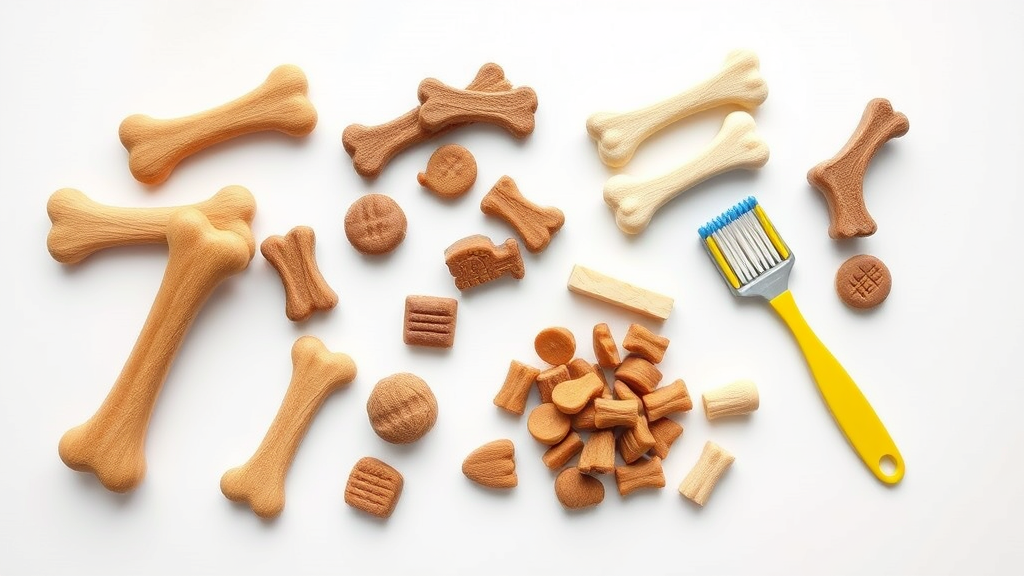
While Greenies are popular, they’re not the only option for maintaining your dog’s dental health. Many pet owners explore alternatives based on their dog’s preferences, dietary restrictions, or specific health needs. Natural chew options include are bully sticks safe for dogs, which provide long-lasting chewing satisfaction and dental benefits.
Raw bones can be excellent for dental health, though they require careful selection and supervision. Understanding can dogs eat bones safely is crucial before incorporating them into your dog’s routine. Some pet owners also consider are pig ears good for dogs as an alternative, though these come with their own set of considerations.
Traditional options like rawhide remain available, but many veterinarians now question their safety. Learning about whether is rawhide bad for dogs can help you make informed decisions about your pet’s chew treats. Professional dental cleanings, regular brushing, and dental toys also play important roles in comprehensive oral care.
The PetMD resource center offers detailed comparisons of various dental care options, helping pet owners understand the pros and cons of each approach. Water additives, dental sprays, and specially formulated dental diets can complement mechanical cleaning methods for optimal oral health.
What Veterinarians Say About Greenies
Veterinary professionals generally view Greenies as a beneficial addition to a comprehensive dental care routine when used appropriately. Most veterinarians appreciate that Greenies have earned VOHC approval and have demonstrated efficacy in clinical studies. However, they emphasize that no single product can replace professional dental care and regular at-home maintenance.
Many veterinarians recommend Greenies as part of a multi-faceted approach to dental health that includes regular brushing, professional cleanings, and routine oral examinations. They particularly value the convenience factor that makes it easier for pet owners to incorporate dental care into their daily routines. The American Veterinary Dental Society provides guidelines for comprehensive dental care that include both professional and at-home components.
However, veterinary professionals also stress the importance of proper sizing, supervision, and individual assessment. They may recommend alternatives for dogs with specific health conditions, digestive sensitivities, or behavioral issues that make Greenies inappropriate. Regular veterinary check-ups should include oral health assessments to ensure that any dental care routine is effectively maintaining your dog’s oral health.
Some veterinarians also emphasize the importance of overall ear health in conjunction with oral care. Knowing how to clean dogs ears properly can be part of a comprehensive health maintenance routine that keeps your pet comfortable and healthy.
Frequently Asked Questions
How often should I give my dog Greenies?
Most veterinarians recommend giving dogs one Greenies treat per day, following the manufacturer’s guidelines based on your dog’s weight. This frequency provides dental benefits without overloading your pet’s diet with treats. Always ensure treats don’t exceed 10% of your dog’s daily caloric intake, and consult your veterinarian if you have concerns about the appropriate frequency for your specific pet.
Can puppies have Greenies?
Greenies offers puppy-specific formulations designed for dogs over six months of age whose adult teeth have emerged. Puppies younger than six months should not receive Greenies as their teeth and digestive systems are still developing. Always choose the appropriate size for your puppy’s weight and supervise them while chewing to ensure safety.
What should I do if my dog swallows a large piece of Greenies?
If your dog swallows a large piece of Greenies, monitor them closely for signs of distress such as vomiting, difficulty defecating, loss of appetite, or unusual behavior. Contact your veterinarian immediately if you notice any concerning symptoms. While Greenies are designed to be digestible, large pieces could potentially cause blockages in some cases.
Are grain-free Greenies better than regular ones?
Grain-free Greenies are specifically designed for dogs with grain sensitivities or allergies. For dogs without grain issues, both formulations provide similar dental benefits. The choice between grain-free and regular Greenies should be based on your dog’s individual dietary needs and any sensitivities they may have to specific ingredients.
Can Greenies replace brushing my dog’s teeth?
While Greenies provide valuable dental benefits, they cannot completely replace regular tooth brushing. The most effective dental care routine combines professional cleanings, daily brushing, and supplemental products like Greenies. Think of Greenies as a helpful addition to, rather than a replacement for, comprehensive dental care.
Why does my dog get diarrhea after eating Greenies?
Digestive upset, including diarrhea, can occur when dogs eat Greenies too quickly, consume too many at once, or have sensitivities to specific ingredients. Try giving smaller portions, ensuring proper chewing, or switching to a different formulation. If digestive issues persist, discontinue use and consult your veterinarian to rule out underlying sensitivities or health issues.
Are there any dogs that shouldn’t have Greenies?
Dogs with severe food allergies, digestive disorders, or those prone to gulping food quickly may not be good candidates for Greenies. Very small dogs or those with dental issues that prevent proper chewing should also avoid these treats. Senior dogs with compromised digestive systems may need special consideration. Always consult your veterinarian before introducing new treats to dogs with health conditions.





