
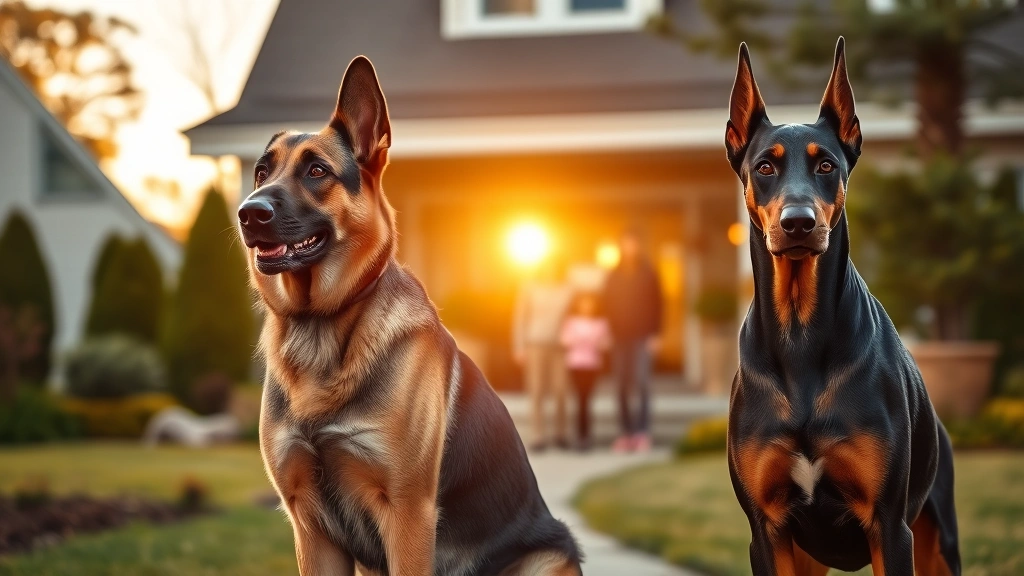
A family dog watchdog is more than just a pet—it’s a furry security system with a wagging tail and unconditional love. If you’re looking for a canine companion that can keep your home safe while still being gentle with the kids, you’ve come to the right place. We’re diving into the five best protective dog breeds that balance fierce loyalty with family-friendly temperaments.
Table of Contents
- What Makes a Good Family Dog Watchdog?
- German Shepherds: The Gold Standard of Protective Dogs
- Doberman Pinschers: Sleek, Smart, and Seriously Protective
- Rottweilers: Misunderstood Gentle Giants
- Boxer Dogs: Energetic Protectors with a Goofy Side
- Bullmastiffs: Calm Guardians with Massive Presence
- Training Your Family Dog Watchdog for Success
- Nutrition and Care for Protective Breeds
- Exercise Requirements for Watchdog Breeds
- Common Misconceptions About Protective Dogs
- Frequently Asked Questions
- Conclusion: Finding Your Perfect Family Dog Watchdog
What Makes a Good Family Dog Watchdog?
Not every protective pup is cut out for family life. A true family dog watchdog needs to be smart, trainable, and naturally alert without being aggressive. The best protective dogs for families possess an innate sense of when to sound the alarm and when to relax on the couch. They’re the kind of dogs that make strangers think twice about approaching your property, but they’ll lick your grandmother’s face on Sunday afternoon.
According to the American Kennel Club (AKC), certain breeds are specifically bred for protection work while maintaining stable temperaments. The key is finding a breed that combines size, intelligence, and loyalty without excessive aggression.
German Shepherds: The Gold Standard of Protective Dogs
If there’s a Mount Rushmore of watchdog breeds, the German Shepherd’s face is carved right into it. These magnificent dogs are the definition of a family dog watchdog, combining athletic prowess with remarkable intelligence. German Shepherds are naturally protective of their families without requiring extensive training to activate their guard dog instincts.
What makes them exceptional is their versatility. They’ll play fetch with your kids all afternoon, then immediately switch into protection mode if they sense a threat. German Shepherds are also incredibly trainable, making them perfect for first-time dog owners who want a protective companion. Their loyalty borders on obsessive—in the best way possible.
These dogs do require regular exercise and mental stimulation, so they’re best suited for families with active lifestyles. A bored German Shepherd is a destructive German Shepherd, so plan on daily walks, playtime, and training sessions.
Doberman Pinschers: Sleek, Smart, and Seriously Protective
Don’t let their lean, muscular frame fool you—Doberman Pinschers are absolute powerhouses when it comes to home protection. They’re often misunderstood as aggressive, but the truth is they’re incredibly loyal and responsive to their families. A well-socialized Doberman is a devoted family dog watchdog that will protect your home with unwavering dedication.
Dobermans are lightning-fast learners, which means they pick up on family routines and potential threats with remarkable speed. They’re naturally alert and will bark to alert you of anything unusual, but they’re not excessive barkers like some breeds. Their protective instinct is hardwired, not something you need to train into them.
These athletic dogs need regular exercise to stay happy and healthy. They’re also incredibly affectionate with their families, often acting like oversized lap dogs when they’re not on duty protecting your home.
Rottweilers: Misunderstood Gentle Giants
Rottweilers have a reputation problem, but those who know the breed understand they’re actually some of the most loyal and protective family dogs available. When properly trained and socialized, a Rottweiler is an excellent family dog watchdog that’s gentle with children and fiercely protective of their loved ones.
The Rottweiler’s protective nature comes from their history as livestock guardians and Roman war dogs. This heritage gives them an instinctive understanding of when to be protective and when to be relaxed. They’re naturally confident dogs that don’t need to prove themselves through unnecessary aggression.
Rottweilers are surprisingly sensitive and respond best to positive reinforcement training. They form deep bonds with their families and will go to great lengths to protect them. Their size alone is a deterrent, but their intelligence and loyalty make them truly effective guardians.
Boxer Dogs: Energetic Protectors with a Goofy Side
If you want a family dog watchdog that doesn’t take itself too seriously, the Boxer might be your perfect match. These muscular, playful dogs are natural protectors that still manage to be goofy, affectionate, and incredibly fun to live with. Boxers are medium to large dogs with boundless energy and a protective instinct that kicks in when needed.
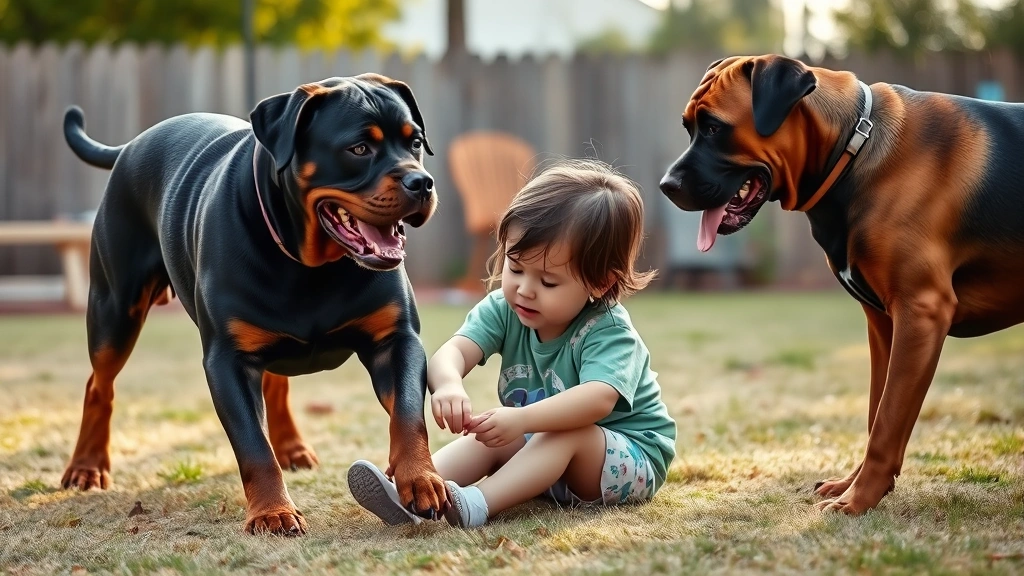
What’s remarkable about Boxers is their ability to read situations. They know when playtime is appropriate and when it’s time to be serious. They’re excellent with children and make wonderful family companions while still being vigilant watchdogs. Their alert nature means they’ll notice anything unusual around your property.
Boxers require consistent training and socialization, but they’re eager to please and respond well to positive reinforcement. They’re also known for their loyalty and will form intense bonds with their families.
Bullmastiffs: Calm Guardians with Massive Presence
Sometimes the best watchdog is one that doesn’t need to bark much because its sheer presence is intimidating enough. The Bullmastiff is a large, powerful breed that serves as an excellent family dog watchdog for families seeking a more laid-back protector. These gentle giants are surprisingly calm indoors while remaining alert to potential threats.
Bullmastiffs were originally bred to guard estates, and they take that job seriously. They’re naturally protective without being aggressive, and they form strong bonds with their families. Despite their imposing size, they’re known for being patient and gentle with children.
These dogs don’t require as much exercise as some other protective breeds, making them suitable for families with moderate activity levels. However, they do need socialization and training to ensure they understand the difference between normal visitors and actual threats.
Training Your Family Dog Watchdog for Success
Owning a protective dog comes with responsibility. Even the best family dog watchdog needs proper training and socialization to be a well-adjusted family member. Start training early, use positive reinforcement methods, and consider enrolling in obedience classes.
Socialization is crucial. Expose your puppy to different people, environments, and situations so they learn to distinguish between normal activities and actual threats. A well-socialized protective dog is confident and doesn’t overreact to everyday situations.
Consistency is key. All family members should use the same commands and training methods. This prevents confusion and ensures your dog understands what’s expected of them. Remember, your dog wants to please you—they just need clear guidance.
Nutrition and Care for Protective Breeds
Large protective breeds have specific nutritional needs to support their size and energy levels. Proper nutrition is essential for maintaining their health and supporting their protective instincts. Pet nutrition advice from veterinary professionals can help you choose the right food for your watchdog.
Many protective breed owners wonder about appropriate treats and supplements. If you’re considering adding chicken to your dog’s diet, can dogs eat chicken is a common question. The answer is yes—plain, cooked chicken is an excellent protein source. You might also explore healthy snack alternatives for dogs to keep your protective pup in peak condition.
Regular veterinary check-ups are essential for large breeds, as they’re prone to certain health conditions. Work with your vet to establish a nutrition and exercise plan tailored to your specific dog’s needs.
Exercise Requirements for Watchdog Breeds
Most protective dog breeds are working dogs at heart, which means they need regular physical activity and mental stimulation. A tired dog is a well-behaved dog, and this is especially true for protective breeds. Daily walks, playtime, and training sessions should be part of your routine.

Mental stimulation is just as important as physical exercise. Puzzle toys, training sessions, and interactive games keep your dog’s mind engaged and reduce destructive behaviors. Many protective breeds enjoy having a job to do, so consider activities like agility training or obedience competitions.
Common Misconceptions About Protective Dogs
There’s a lot of misinformation about protective dog breeds. Many people assume that protective dogs are automatically aggressive, but that’s simply not true. A well-trained family dog watchdog is balanced, intelligent, and knows when to be protective and when to be playful.
Another misconception is that protective dogs can’t be trusted around children. In reality, many protective breeds are excellent with kids because they’re naturally nurturing toward family members. The key is proper training, socialization, and supervision—just as you would with any dog.
Some people believe that protective dogs don’t need training because their instincts are enough. While protective instincts are natural, training is essential to ensure your dog responds appropriately to commands and understands household rules.
Frequently Asked Questions
What’s the best family dog watchdog breed for first-time owners?
German Shepherds are often the best choice for first-time owners seeking a protective dog. They’re highly trainable, intelligent, and naturally protective without being overly aggressive. Their eagerness to please makes training easier than with some other protective breeds.
Are protective dog breeds safe around small children?
Yes, when properly trained and socialized, protective dog breeds are excellent with children. Breeds like Boxers, Rottweilers, and Bullmastiffs are known for their patience and gentleness with kids. Always supervise interactions between dogs and children, regardless of breed.
How much exercise do protective dog breeds need?
Most protective breeds need at least one to two hours of exercise daily. This includes walks, playtime, and mental stimulation. Some high-energy breeds like German Shepherds may need even more activity to stay happy and well-behaved.
Can I train a protective dog myself, or do I need a professional?
Many protective dogs respond well to training from their owners, especially if you start early and use positive reinforcement. However, professional trainers can be helpful, especially for more challenging behaviors or if you want advanced protection training.
What’s the average lifespan of protective dog breeds?
Lifespan varies by breed. German Shepherds typically live 9-13 years, Dobermans 10-12 years, Rottweilers 8-11 years, Boxers 10-12 years, and Bullmastiffs 7-9 years. Proper nutrition, exercise, and veterinary care can help extend these lifespans.
Conclusion: Finding Your Perfect Family Dog Watchdog
Choosing the right family dog watchdog is a decision that will impact your family for years to come. Whether you opt for the intelligent German Shepherd, the sleek Doberman, the loyal Rottweiler, the playful Boxer, or the calm Bullmastiff, you’re investing in a companion that will protect your home while providing unconditional love.
The best protective dog for your family depends on your lifestyle, living situation, and specific needs. All five breeds mentioned here make excellent watchdogs, but they each have unique personalities and requirements. Take time to research each breed, meet dogs in person, and consider your family’s activity level and experience with dogs.
Remember that a family dog watchdog is more than just a security system—it’s a beloved family member. With proper training, socialization, nutrition, and care, your protective dog will be a loyal guardian that brings joy and security to your home for years to come.





