
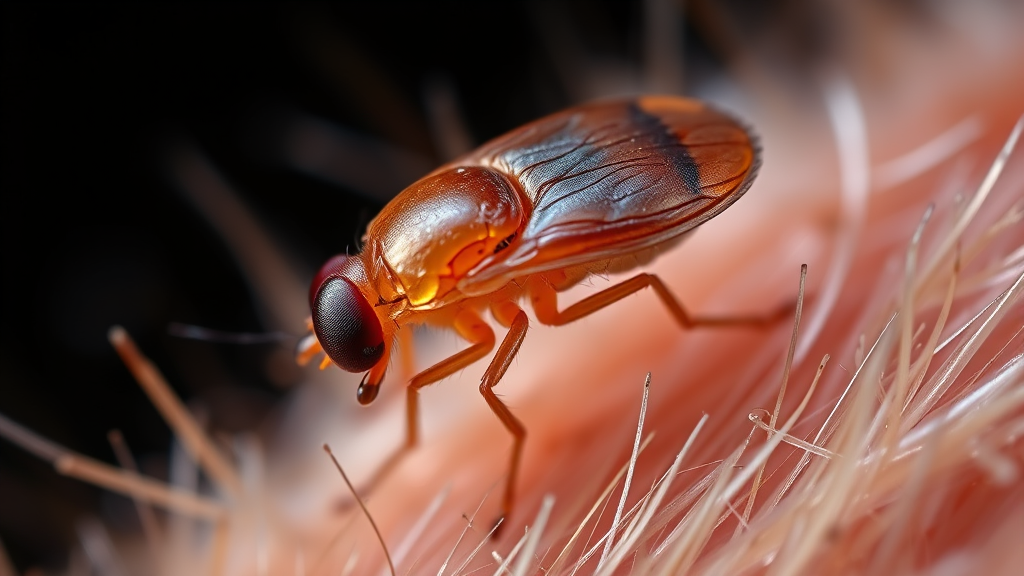
When pet owners discover fleas on their beloved dogs, a common concern quickly emerges: can these tiny parasites make the leap from Fido to their own hair? This question keeps many dog parents awake at night, especially after noticing those telltale signs of flea activity around their home. The relationship between dog fleas and human hair is more complex than a simple yes or no answer, involving fascinating biology and host-specific behaviors that determine where these persistent pests prefer to set up shop.
Understanding the truth about dog fleas and human hair requires diving deep into flea biology, their preferred hosts, and what really happens when these parasites encounter human environments. While the immediate concern is understandable, the reality of flea behavior patterns reveals some surprising truths that every pet owner should know to protect both their family and their furry companions effectively.
Understanding Flea Biology and Host Preferences
Dog fleas, scientifically known as Ctenocephalides canis, are highly specialized parasites that have evolved over millions of years to thrive on specific hosts. These remarkable insects possess unique anatomical features and behavioral patterns that make them incredibly efficient at surviving on dogs, cats, and other furry mammals. Their flattened bodies, powerful hind legs, and specialized mouthparts are all perfectly adapted for navigating through dense fur and accessing the blood supply of their preferred hosts.
The Centers for Disease Control explains that fleas are highly host-specific, meaning they have strong preferences for certain types of animals based on factors like body temperature, blood composition, and hair density. Dog fleas specifically seek out environments that provide optimal conditions for feeding, reproduction, and survival. These conditions include consistent warmth, adequate humidity levels, and dense fur that offers protection from environmental threats and easy access to blood meals.
Understanding how dogs get fleas helps explain why these parasites are so well-adapted to canine hosts. Fleas detect potential hosts through a combination of heat signatures, carbon dioxide emissions, and vibrations. When a flea encounters a dog, it immediately recognizes the ideal combination of factors that signal a suitable long-term host, including the right body temperature range, appropriate fur density, and optimal blood chemistry.
Why Human Hair Isn’t Ideal for Dog Fleas
Human hair presents several significant challenges for dog fleas that make it an unsuitable long-term habitat. Unlike the dense, multi-layered fur coat of dogs, human hair is relatively sparse and lacks the protective canopy that fleas require for survival. The structure of human hair follicles, the scalp environment, and our grooming habits all contribute to creating conditions that are hostile to flea colonization.
The temperature differential between human and canine hosts also plays a crucial role in flea survival. Dogs maintain a higher average body temperature than humans, typically ranging from 101-102.5°F compared to humans’ 98.6°F. This temperature difference might seem minimal, but it’s significant enough to affect flea metabolism, reproduction cycles, and overall survival rates. Additionally, human scalp pH levels and natural oil production create an environment that’s chemically different from what dog fleas have evolved to tolerate.
Human hygiene practices present another major obstacle for flea survival. Regular shampooing, conditioning, and styling routines create an environment of constant disruption that makes it nearly impossible for fleas to establish a stable population. The chemicals in human hair care products, combined with frequent washing and brushing, create conditions that are far from the stable, undisturbed environment that fleas need to complete their life cycle successfully.
Research from the National Center for Biotechnology Information demonstrates that while fleas may temporarily land on humans, they rarely remain for extended periods. The combination of environmental factors, host characteristics, and behavioral differences makes human hair an inhospitable environment for sustained flea populations.
When Dog Fleas Do Jump on Humans
While dog fleas cannot establish permanent colonies in human hair, temporary encounters between fleas and humans are not uncommon, especially in households with infected pets. These brief interactions typically occur when fleas are seeking new hosts or when environmental conditions force them to explore alternative options. Understanding these temporary encounters helps pet owners recognize what’s normal versus what requires immediate intervention.
Fleas may jump onto humans for several reasons, including overcrowding on the primary host, searching for new territory, or simply as accidental encounters during their normal movement patterns. When this happens, fleas typically spend only a few minutes to a few hours on human hosts before moving on to find more suitable accommodations. During these brief visits, fleas may bite humans, causing the characteristic small, red, itchy bumps that many people associate with flea encounters.
The likelihood of temporary flea encounters increases significantly during heavy infestations when the flea population exceeds the capacity of available animal hosts. In these situations, fleas become more desperate and less discriminating in their host selection, leading to increased human contact. However, even during these peak infestation periods, fleas will abandon human hosts as soon as they locate more suitable animal alternatives.
Identifying what fleas look like on pets helps homeowners understand the source of temporary human encounters. When pet owners can recognize flea activity on their dogs, they can take appropriate measures to address the root cause rather than focusing solely on human symptoms.

Effective Prevention and Treatment Methods
Preventing flea problems requires a comprehensive approach that addresses both pet treatment and environmental management. The most effective prevention strategies focus on treating the source – infected pets – rather than attempting to manage human exposure after the fact. Modern flea prevention methods have evolved significantly, offering pet owners reliable options for maintaining flea-free households year-round.
Veterinary-approved flea preventatives represent the gold standard for flea control, with options including topical treatments, oral medications, and flea collars that provide long-lasting protection. These products work by either killing adult fleas on contact or disrupting the flea life cycle to prevent reproduction. The American Veterinary Medical Association recommends consulting with veterinarians to select the most appropriate flea prevention method based on individual pet needs, lifestyle factors, and local flea prevalence.
Environmental treatment plays an equally important role in comprehensive flea prevention. Regular vacuuming, especially in areas where pets spend time, removes flea eggs, larvae, and pupae from carpets, upholstery, and floor cracks. Washing pet bedding in hot water weekly and maintaining proper humidity levels below 50% create conditions that are unfavorable for flea development and survival.
Professional pest control services may become necessary during severe infestations that resist standard treatment methods. These experts can assess the extent of infestations, identify problem areas, and implement targeted treatment strategies that address both adult fleas and developing stages. The integration of professional treatment with ongoing prevention measures typically provides the most effective long-term solution for persistent flea problems.
Managing Fleas in Your Home Environment
Creating and maintaining a flea-hostile home environment requires understanding flea biology and implementing targeted management strategies that disrupt their life cycle at multiple stages. Successful home flea management goes beyond addressing adult fleas to include comprehensive approaches that eliminate eggs, larvae, and pupae from the domestic environment.
Temperature and humidity control represent powerful tools in home flea management. Fleas thrive in warm, humid conditions, typically preferring temperatures between 70-85°F and humidity levels above 50%. By maintaining indoor humidity below 50% through proper ventilation and dehumidification, homeowners can significantly reduce flea survival rates and reproductive success. This environmental approach complements other treatment methods and provides ongoing protection against re-infestation.
Regular cleaning routines specifically designed for flea control can dramatically reduce flea populations in home environments. Daily vacuuming of carpets, rugs, and upholstered furniture removes flea eggs and larvae before they can develop into adults. Pay special attention to areas where pets rest, sleep, or spend significant time, as these locations typically harbor the highest concentrations of developing fleas. Immediately dispose of vacuum contents in sealed bags to prevent re-infestation.
Understanding the connection between various parasites helps homeowners develop comprehensive pest management strategies. Just as pet owners learn about dog lice and other parasites, knowledge about flea behavior enables more effective environmental control measures.
Health Concerns and Medical Considerations
While dog fleas cannot establish permanent populations in human hair, temporary encounters can still result in health implications that require attention and appropriate management. Understanding these potential health impacts helps individuals respond appropriately to flea encounters while avoiding unnecessary panic or ineffective treatments.
Flea bites on humans typically appear as small, red, itchy bumps, often arranged in clusters or lines where fleas have moved across the skin. These bites can cause significant discomfort, especially for individuals with sensitive skin or allergic reactions to flea saliva. Unlike mosquito bites that tend to appear randomly, flea bites often show distinctive patterns that reflect flea movement and feeding behavior.
Secondary bacterial infections represent the most common complication associated with flea bites on humans. Excessive scratching of flea bite sites can break the skin barrier, creating entry points for bacteria that can lead to impetigo, cellulitis, or other skin infections. The Mayo Clinic recommends avoiding scratching flea bites and seeking medical attention if signs of infection develop, including increased redness, warmth, pus, or red streaking.
Rare but serious health concerns associated with fleas include the potential transmission of certain diseases, although this risk is significantly lower with dog fleas compared to other flea species. Plague, typhus, and cat scratch disease represent examples of flea-borne illnesses, though transmission typically requires specific flea species and environmental conditions that are uncommon in most domestic settings.
Proper wound care and symptom monitoring help minimize health risks associated with flea encounters. Cleaning bite sites with soap and water, applying topical antiseptics, and using anti-itch medications can provide relief while preventing complications. Individuals experiencing severe allergic reactions, signs of infection, or concerning symptoms should consult healthcare providers for appropriate evaluation and treatment.
Pet owners should also be aware of other parasites that might affect their animals. Regular maintenance activities like learning proper ear cleaning and tick removal help maintain overall pet health and reduce parasite risks. Additionally, understanding whether mosquitoes affect dogs provides comprehensive knowledge about pest management.
Frequently Asked Questions
Can dog fleas actually live and reproduce in human hair?
No, dog fleas cannot establish permanent colonies or reproduce in human hair. While they may temporarily jump onto humans, the environment of human hair lacks the necessary conditions for flea survival, including appropriate temperature, humidity, pH levels, and fur density. Human hair is too sparse and the scalp environment too different from their preferred canine hosts for successful colonization.
How long can a dog flea survive on a human?
Dog fleas typically survive only a few minutes to a few hours on humans before seeking more suitable hosts. The maximum survival time is usually less than 24 hours, as human body temperature, skin chemistry, and grooming habits create an inhospitable environment for sustained flea survival. Most fleas will abandon human hosts much sooner when possible.
What should I do if I find fleas in my hair after being around my dog?
If you discover fleas in your hair, wash immediately with regular shampoo, which will typically remove any fleas present. Focus on treating your dog with veterinary-approved flea treatments and thoroughly clean your home environment. The fleas are likely temporary visitors seeking their way back to animal hosts, so addressing the source (infected pets) is most important.
Are there any diseases that dog fleas can transmit to humans?
While dog fleas can potentially carry certain pathogens, disease transmission from dog fleas to humans is relatively rare compared to other flea species. The primary health concern is typically allergic reactions to flea bites and potential secondary bacterial infections from scratching. However, maintaining good flea control practices minimizes any transmission risks.
How can I tell the difference between dog fleas and human head lice?
Dog fleas and human head lice are distinctly different parasites. Fleas are small, dark brown, and capable of jumping, while head lice are grayish-white, cannot jump, and move by crawling. Fleas prefer animal hosts and won’t establish colonies in human hair, whereas head lice are specifically adapted to live in human hair and scalp environments.
Will regular shampooing prevent dog fleas from living in my hair?
Regular shampooing will remove any fleas that temporarily land in human hair, but prevention isn’t really necessary since dog fleas don’t typically attempt to colonize human hair anyway. The most effective prevention strategy is treating infected pets and maintaining a clean home environment rather than focusing on human hair care specifically.
Can children be more susceptible to dog fleas than adults?
Children aren’t more susceptible to flea colonization, but they may experience more flea encounters due to closer contact with pets and playing on floors where fleas might be present. However, the same biological principles apply – dog fleas cannot establish permanent populations in human hair regardless of age. Focus should remain on treating pets and environmental management rather than special human protection measures.





