
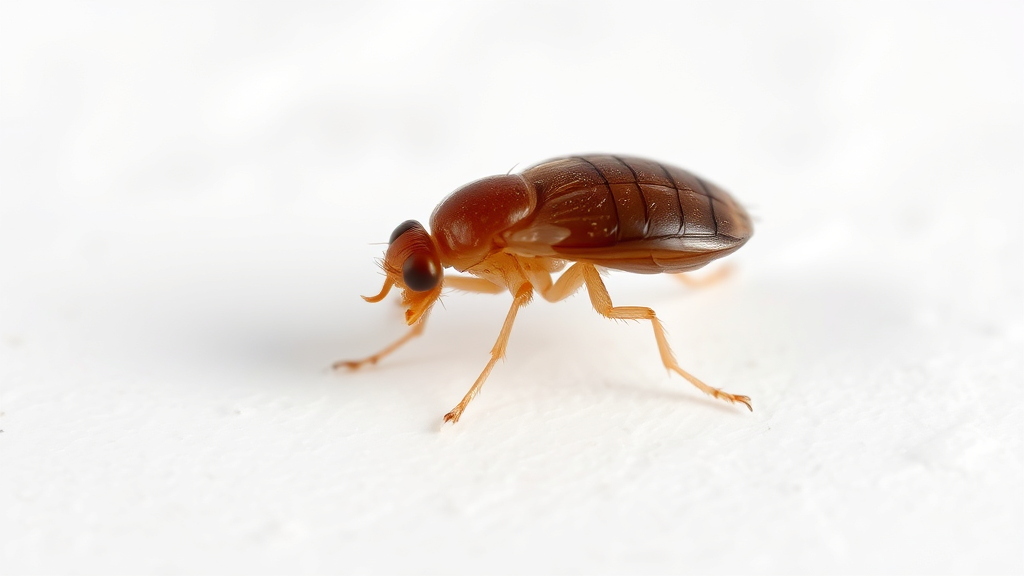
Dog fleas are more than just a nuisance for our beloved pets—they can become a significant problem for humans living in the same household. While many pet owners focus solely on treating their dogs, understanding whether dog fleas can live on humans and how to protect yourself is crucial for maintaining a flea-free home environment.
The reality is that while dog fleas prefer their canine hosts, they can and will bite humans when the opportunity arises. These tiny parasites are opportunistic feeders that will jump onto humans, especially when their preferred host is unavailable or when flea populations become overwhelming. Understanding this dynamic is the first step in creating an effective protection strategy for your entire household.
Understanding Dog Fleas and Human Interaction
Dog fleas (Ctenocephalides canis) are highly specialized parasites that have evolved to thrive on canine hosts. These wingless insects possess powerful hind legs that allow them to jump up to 150 times their own body length, making it easy for them to move between hosts and surfaces. While they prefer dogs, they are not exclusively limited to canine blood.
The Centers for Disease Control and Prevention confirms that dog fleas will readily bite humans, particularly when dog hosts are scarce or when flea populations reach high levels. Understanding how do dogs get fleas is essential because it helps identify the source of infestations and prevent future occurrences.
Human skin reactions to flea bites can vary significantly from person to person. Some individuals may experience minimal irritation, while others develop severe allergic reactions characterized by intense itching, swelling, and secondary infections from scratching. The bites typically appear as small, red bumps often arranged in clusters or lines on the lower legs, ankles, and feet.

Can Dog Fleas Actually Live on Humans?
The short answer is that dog fleas cannot establish long-term residence on humans the way they do on dogs. Human body temperature, hair density, and skin characteristics are not optimal for flea survival and reproduction. However, this doesn’t mean humans are completely safe from flea problems.
Dog fleas can temporarily remain on humans for several hours to feed, but they will eventually seek out a more suitable host. The main concern arises when fleas use humans as a “bridge” to move between locations or when they bite humans while searching for their preferred canine hosts. Many people wonder about does dog fleas live in human hair, and while they may briefly hide in hair, they cannot complete their life cycle there.
According to research published by the National Center for Biotechnology Information, fleas require specific environmental conditions to thrive, including optimal temperature ranges and host characteristics that humans simply don’t provide. This biological incompatibility is actually protective for humans, even though temporary infestations can still be problematic.
Identifying Flea Problems in Your Home
Early identification of flea problems is crucial for effective treatment and protection. Recognizing what do fleas look like on dogs helps pet owners spot infestations before they become severe. Adult fleas are small, dark brown insects about 1-3mm in length, but they move quickly and can be difficult to spot.
Signs of flea infestation in your home include:
- Small, dark specks on pet bedding or furniture (flea dirt)
- Excessive scratching, licking, or biting behavior in pets
- Red, itchy bite marks on human family members, especially on lower extremities
- Small, jumping insects visible on carpets, upholstery, or pet areas
- Flea eggs or larvae in carpet fibers, cracks, or pet sleeping areas
The American Kennel Club recommends regular inspection of both pets and living spaces to catch flea problems early. Pay particular attention to areas where pets spend the most time, as these locations typically have the highest flea concentrations.
Immediate Protection Steps for Humans
When dealing with a flea infestation, immediate protection measures can significantly reduce human exposure to bites and irritation. The first step is to create physical barriers between yourself and potential flea habitats within your home.
Clothing protection is essential during active infestations. Wear long pants, socks, and closed-toe shoes when walking through areas where fleas may be present. Light-colored clothing makes it easier to spot fleas before they can bite. Tucking pants into socks creates an additional barrier that prevents fleas from reaching skin.
Personal repellents can provide temporary protection. While traditional insect repellents containing DEET are primarily designed for mosquitoes and ticks, they can offer some protection against fleas. Natural alternatives include essential oils like peppermint, eucalyptus, or cedar oil, though their effectiveness may be limited. It’s worth noting that while dealing with fleas, you might also encounter other pest issues, such as do mosquitoes bite dogs, requiring comprehensive pest management approaches.

Comprehensive Home Treatment Strategies
Effective flea control requires a multi-faceted approach that addresses all life stages of fleas throughout your home environment. Adult fleas represent only about 5% of the total flea population, with the remaining 95% consisting of eggs, larvae, and pupae hidden in carpets, upholstery, and other areas.
Thorough vacuuming is one of the most effective immediate treatments. Focus on areas where pets spend time, including carpets, rugs, upholstery, pet bedding, and cracks between floorboards. The vibration and suction not only remove adult fleas but also stimulate flea eggs and larvae to emerge from deep within carpet fibers. Dispose of vacuum bags immediately or freeze them for 24 hours to kill captured fleas.
Washing and heat treatment are crucial for eliminating fleas from fabrics. Wash all pet bedding, human bedding, curtains, and washable fabrics in hot water (at least 140°F) and dry on high heat for at least 40 minutes. The University of Minnesota Extension confirms that this combination of heat and agitation effectively kills all flea life stages.
Environmental treatments may include diatomaceous earth (food grade only), which can be sprinkled in carpeted areas and left for several hours before vacuuming. This natural substance damages flea exoskeletons, leading to dehydration and death. However, use caution and ensure proper ventilation when applying any powder treatments.
Long-term Prevention Methods
Preventing future flea infestations requires consistent attention to both pet care and environmental management. Regular pet grooming and veterinary-approved flea prevention products form the foundation of long-term flea control. Consult with your veterinarian about appropriate flea preventatives, as these are far more effective than treating active infestations.
Environmental modifications can significantly reduce flea populations and reproduction success. Maintain low humidity levels (below 50%) when possible, as fleas require higher humidity to complete their development. Regular lawn maintenance, including keeping grass short and removing debris where flea larvae might develop, reduces outdoor flea populations that could enter your home.
It’s important to differentiate between various parasites that affect pets. While dealing with fleas, pet owners might also wonder about can dogs get lice or other pest-related concerns like can dogs get poison ivy. Understanding these differences helps in applying appropriate treatments.
Integrated pest management approaches work best for long-term success. This includes regular inspection schedules, maintaining clean environments, addressing moisture issues, and working with veterinary professionals to ensure pets receive appropriate preventive care. The Environmental Protection Agency provides guidelines for safe and effective flea control products.
When to Seek Professional Help
While many flea problems can be managed with diligent home treatment, certain situations require professional intervention. Severe infestations that persist despite consistent treatment efforts, individuals with flea allergy dermatitis, or households with compromised immune systems may benefit from professional pest control services.
Professional exterminators have access to more potent treatments and can provide comprehensive assessment of infestation severity and treatment needs. They can also identify contributing factors that homeowners might miss, such as outdoor breeding sites or structural issues that facilitate flea entry.
Medical attention may be necessary for severe allergic reactions to flea bites, signs of secondary infection from scratching, or if you suspect flea-borne diseases. While rare, fleas can transmit various pathogens, and the World Health Organization provides information about flea-borne diseases and their symptoms.
Some people may have concurrent concerns about other pet-related allergies, such as can dogs be allergic to cats, which could complicate flea treatment strategies in multi-pet households. Professional guidance can help navigate these complex situations effectively.
Frequently Asked Questions
Can dog fleas live on humans permanently?
No, dog fleas cannot establish permanent residence on humans. While they may temporarily feed on human blood and remain on the body for several hours, human skin and hair characteristics are not suitable for long-term flea survival or reproduction. Fleas will eventually seek out their preferred canine hosts or die if no suitable host is available.
How long do flea bites on humans last?
Flea bite reactions typically last 2-7 days for most people, though this can vary based on individual sensitivity and immune response. Some individuals may experience prolonged itching and irritation for up to two weeks. Avoiding scratching and applying topical treatments can help reduce healing time and prevent secondary infections.
What’s the fastest way to get rid of fleas in my house?
The fastest approach combines immediate vacuuming of all carpeted areas, washing fabrics in hot water, treating pets with veterinarian-approved flea products, and applying appropriate environmental treatments. However, complete elimination typically takes 2-8 weeks due to the flea life cycle, requiring consistent treatment to address emerging adult fleas from eggs and pupae.
Are there natural ways to repel fleas from humans?
Several natural repellents may provide limited protection, including essential oils like peppermint, eucalyptus, lavender, and cedar oil. Diatomaceous earth (food grade) can be used in living areas, and maintaining clean, dry environments helps discourage flea populations. However, these methods are generally less effective than commercial products and veterinary treatments.
How do I know if my house has a serious flea infestation?
Signs of serious infestation include multiple family members experiencing frequent flea bites, visible fleas jumping on furniture and carpets, large amounts of flea dirt on pet bedding, pets showing signs of flea anemia (pale gums, lethargy), and persistence of fleas despite initial treatment attempts. Professional assessment may be needed for severe cases.
Can fleas spread diseases to humans?
While modern flea-borne disease transmission to humans is relatively rare in developed countries, fleas can potentially carry various pathogens including plague, typhus, and cat scratch disease. The risk is generally low with proper hygiene and prompt treatment of infestations, but individuals with compromised immune systems should take extra precautions.
Why do some people get bitten by fleas more than others?
Flea preference for certain individuals can be influenced by factors including body heat, carbon dioxide production, skin chemistry, blood type, and clothing choices. Some people may also have heightened sensitivity to flea saliva, making bites more noticeable and problematic. Wearing protective clothing and using repellents can help reduce individual susceptibility.





