
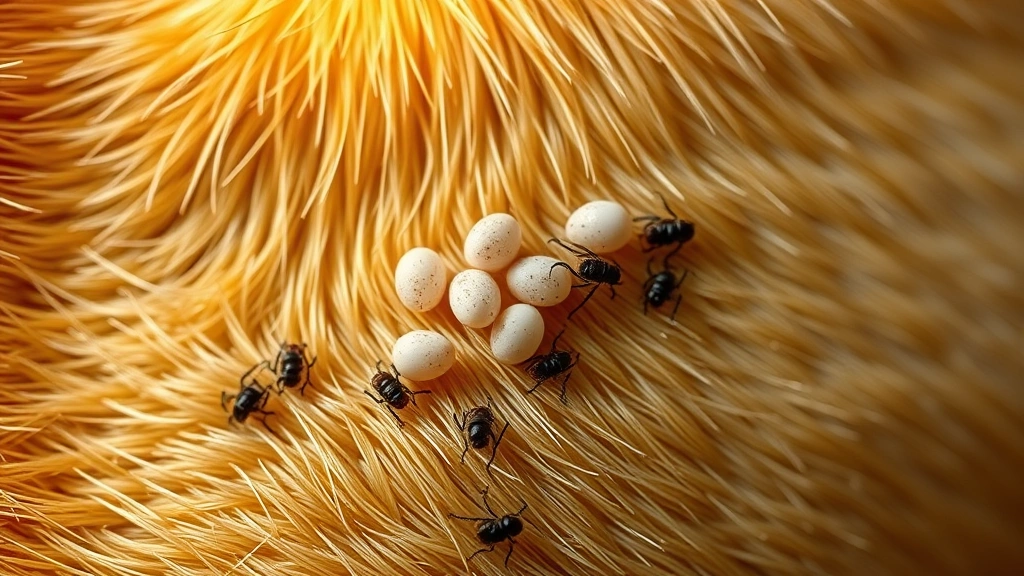
If you’ve ever spotted tiny white specks in your dog’s fur and wondered what they were, chances are you’ve discovered flea eggs on dogs—and honestly, it’s one of the grosser parts of pet ownership nobody really warns you about. These microscopic little nightmares are basically the enemy’s backup plan, and they multiply faster than you can say “vet appointment.” But don’t panic; we’re about to walk you through exactly how to crush this flea problem before it becomes a full-blown infestation.
Table of Contents
- What Are Flea Eggs and Why Should You Care?
- How to Identify Flea Eggs on Your Dog
- Method 1: Prescription Flea Prevention Treatments
- Method 2: Aggressive Home Environment Treatment
- Method 3: Bathing and Grooming Strategies
- Method 4: Diatomaceous Earth and Natural Options
- Method 5: Consistent Prevention and Monitoring
- The Timeline: When Will Fleas Actually Disappear?
- Common Mistakes That Make Flea Infestations Worse
- When to Call Your Veterinarian
- Prevention Tips for the Future
- Frequently Asked Questions
- Final Thoughts: You’ve Got This
What Are Flea Eggs and Why Should You Care?
Flea eggs are the tiny, oval-shaped offspring of adult fleas that live on your dog’s skin. They’re about the size of a grain of salt—so small you’ll need to look pretty closely to spot them. Unlike adult fleas that stick around on your pup, these eggs are basically freeloaders that fall off into your carpet, bedding, and furniture within 24 hours. This is where things get tricky: once they hit your home environment, they start developing into larvae, pupae, and eventually new adult fleas. The entire lifecycle can take just 2-3 weeks, meaning your infestation can explode exponentially if you don’t act fast.
The real kicker? Adult fleas are only about 5% of your total flea problem. The other 95% are eggs, larvae, and pupae hiding in your home. So even if you kill every flea on your dog, you’re still dealing with thousands of potential future fleas lurking in your carpet fibers.
How to Identify Flea Eggs on Your Dog
Spotting flea eggs and larvae requires a little detective work. Here’s what to look for: part your dog’s fur and look near the skin, especially in warm areas like the armpits, groin, and behind the ears. Flea eggs look like tiny white or cream-colored specks that are easy to confuse with dander or dirt. The best way to confirm? Use a flea comb (those fine-toothed combs designed specifically for fleas) and comb through your dog’s coat over a white paper towel. If you see white specks that don’t brush away easily, you’ve likely got eggs. You might also spot flea dirt—which looks like black pepper—indicating adult fleas are present too.
Method 1: Prescription Flea Prevention Treatments
This is your first line of defense and honestly, the most effective option. Modern prescription flea preventatives like Simparica, NexGard, and Bravecto don’t just kill adult fleas—they also prevent eggs from developing. These oral or topical treatments work by disrupting the flea’s nervous system, killing them before they can reproduce. Most vets recommend starting a prescription preventative as soon as you notice any signs of fleas, including eggs.
The advantage here is that you’re attacking the problem from multiple angles simultaneously. Your dog gets immediate relief, and you’re preventing the next generation from ever becoming a problem. Most prescriptions need to be obtained from your veterinarian, which is another good reason to schedule that telehealth vet appointment if you can’t get in for an in-person visit right away.
Method 2: Aggressive Home Environment Treatment
Here’s the hard truth: treating your dog means nothing if your house is still crawling with developing fleas. You need to go nuclear on your home environment. Start by washing all bedding—yours and your dog’s—in hot water weekly for at least 3 weeks. Vacuum your carpets, furniture, and under the couch cushions obsessively. We’re talking daily vacuuming if you’ve got a serious infestation. After vacuuming, immediately seal and dispose of the vacuum bag or empty the canister outside.
Next, consider using a flea spray or fogger designed for home use. Products containing insect growth regulators (IGRs) like pyrethrins are particularly effective because they prevent eggs and larvae from maturing. Focus on areas where your dog spends the most time. Don’t forget to treat your car if your pup rides along—fleas love vehicles.
Method 3: Bathing and Grooming Strategies
A good bath can physically remove flea eggs from your dog’s coat, though it won’t solve the problem long-term without other interventions. Use warm water and a quality dog shampoo—regular human shampoo can irritate their skin. Some people swear by flea-killing shampoos, but honestly, they’re only temporarily effective since they don’t prevent new fleas from jumping on your dog.
The real MVP here is the flea comb. After bathing, comb through your dog’s wet coat with a fine-toothed flea comb, working section by section. Dip the comb in soapy water frequently to kill any fleas or eggs you catch. This physically removes parasites and gives you a chance to monitor the infestation level. Repeat this grooming routine 2-3 times weekly until you’re flea-free for at least a month.
Method 4: Diatomaceous Earth and Natural Options
Food-grade diatomaceous earth (DE) is a natural powder that works by dehydrating fleas and their eggs. Dust it lightly on your dog’s coat—avoiding the face and eyes—and work it into the fur. You can also sprinkle it on carpets and furniture, let it sit for 24-48 hours, then vacuum thoroughly. The downside? It’s less effective than prescription treatments and requires frequent reapplication, especially after baths.

Other natural options include essential oil sprays (cedarwood and lavender), but these should never be applied directly to your dog without veterinary approval, as some dogs have sensitivities. Cedar chips in your dog’s bedding can help repel fleas, and regular brushing with a quality brush removes loose hair and eggs. These methods work best as supplementary treatments alongside prescription prevention.
Method 5: Consistent Prevention and Monitoring
Once you’ve eliminated the initial infestation, the best way to prevent flea egg development is year-round prevention. Most vets recommend keeping dogs on prescription flea preventatives even during cooler months, since indoor heating creates ideal conditions for fleas to thrive. Set a monthly reminder to apply topical treatments or give oral preventatives on schedule—missing even one month can restart the entire cycle.
Regular grooming and inspection are your early warning system. Comb your dog weekly and check for any signs of fleas or eggs. If you spot even one flea, treat immediately rather than waiting to see if the problem gets worse. Catching infestations early makes them exponentially easier to manage. Consider consulting online vet advice services if you need quick guidance on prevention strategies.
The Timeline: When Will Fleas Actually Disappear?
Here’s what to expect: With prescription treatment, adult fleas die within 24-48 hours. However, flea eggs in your home continue developing for 2-3 weeks. This is why you need to maintain your treatment regimen and home cleaning for at least 3-4 weeks even after you stop seeing fleas on your dog. Many people make the mistake of stopping treatment too early and end up right back where they started.
Full eradication typically takes 4-6 weeks of consistent effort. Stay the course, and you’ll break the lifecycle. Get lazy, and you’re looking at months of dealing with this problem.
Common Mistakes That Make Flea Infestations Worse
Don’t skip the home treatment—seriously, this is the number one reason people fail to eliminate fleas. Treating only your dog while ignoring your carpet and furniture is like bailing water from a boat with a hole in it. Another major mistake is stopping treatment too early. You feel like the problem is solved after a week or two, but those eggs are still developing.
Inconsistent prevention is another killer. Missing even one dose of monthly preventative gives fleas the opening they need to establish a new population. And please, don’t rely solely on over-the-counter treatments. While they’re cheaper upfront, prescription-strength preventatives are significantly more effective and often save money in the long run by preventing infestations altogether.
When to Call Your Veterinarian
If your dog has a severe flea infestation, shows signs of anemia (pale gums), has developed flea allergy dermatitis (excessive scratching and skin infections), or if home treatment isn’t working after 4 weeks, contact your vet immediately. Some dogs also have sensitivities to certain flea treatments, so professional guidance ensures you’re using the safest option for your specific pup. Your vet can also check for flea-related complications like tapeworms, which fleas sometimes transmit. Don’t hesitate to reach out to pet nutrition advice resources if you’re concerned about how flea treatments might interact with your dog’s diet or health conditions.
Prevention Tips for the Future
Once you’ve won this battle, keep your dog on year-round flea prevention—it’s the single best investment you can make. Maintain a clean home by vacuuming weekly, washing bedding regularly, and keeping your yard trimmed and free of debris where wildlife (which carries fleas) might hide. Be cautious when your dog interacts with other animals, especially strays or wildlife. If you travel with your dog, inspect thoroughly when you return home and consider preventative treatment before trips.
Watch your dog’s behavior too. Excessive scratching, hair loss, or visible skin irritation are early warning signs. Catching these symptoms early means catching fleas before they multiply into a nightmare scenario. Think of flea prevention like brushing your teeth—it’s way easier and cheaper than dealing with the consequences of neglect.

Frequently Asked Questions
How long do flea eggs live on a dog?
Flea eggs typically remain on your dog’s body for only 24 hours before falling off into the environment. However, they continue developing into larvae and pupae in your home for 2-3 weeks, which is why home treatment is so critical.
Can you see flea eggs with the naked eye?
Yes, but barely. Flea eggs are about 0.5mm in size—roughly the size of a grain of salt. You’ll have better success using a flea comb or magnifying glass to spot them, especially against dark fur.
Do flea eggs jump or move?
No, flea eggs are stationary. They don’t jump or move on their own. Only adult fleas have the ability to jump. This is why you can physically remove eggs with a flea comb or bath.
Will washing my dog kill flea eggs?
A bath will physically remove some flea eggs, but it won’t eliminate them all or prevent new ones from appearing. Bathing works best combined with prescription prevention and home treatment.
How do I know if flea treatment is working?
You should see a significant reduction in scratching within 24-48 hours of starting prescription treatment. By the end of week two, you should spot very few or no fleas on your dog. However, continue treatment for the full 3-4 week cycle to break the complete lifecycle.
Can flea eggs infest humans?
No, flea eggs are species-specific and only develop into fleas that bite dogs and other animals. However, adult fleas can bite humans, so treating your dog protects your whole household.
Final Thoughts: You’ve Got This
Dealing with flea eggs on dogs is frustrating, but it’s absolutely manageable with the right approach. The key is attacking the problem from multiple angles simultaneously: prescription prevention on your dog, aggressive home treatment, consistent grooming, and ongoing vigilance. Don’t get discouraged if it takes a few weeks to see complete results—you’re fighting against millions of years of flea evolution here, and these little parasites are stubborn.
Start with a vet visit to get prescription prevention, treat your home like it’s ground zero for a biological hazard, and maintain a strict prevention schedule going forward. Within 4-6 weeks of consistent effort, you’ll have your flea-free dog back, and you can finally stop itching just thinking about fleas. Your pup will thank you, and so will your sanity. Now go get those fleas!
For additional support on keeping your dog healthy, check out our guide on harmful foods for dogs to ensure you’re protecting your pup in every way possible.





