

If your dog is constantly scratching, has chronic ear infections, or suffers from digestive upset, you might be dealing with food hypersensitivity in dogs—a frustrating condition that affects millions of pups worldwide. Unlike food allergies that trigger immune responses, food hypersensitivity is an adverse reaction to specific ingredients that can make your furry friend absolutely miserable. The good news? We’ve got five proven solutions to help your pooch feel better and get back to being their happy, tail-wagging self.
Table of Contents
- Understanding Food Hypersensitivity vs. Food Allergies
- Solution #1: Elimination Diet—The Detective Work Begins
- Solution #2: Limited Ingredient Diets (LID)—The Permanent Fix
- Solution #3: Hydrolyzed Protein Diets—Breaking It Down
- Solution #4: Probiotic and Prebiotic Supplementation—Gut Health Matters
- Solution #5: Omega-3 Supplementation—Reducing Inflammation
- Recognizing the Signs: Is Your Dog Suffering?
- Working with Your Veterinarian—Professional Guidance is Key
- Common Trigger Foods to Avoid
- Managing Your Dog’s Environment—It’s Not Just Food
- Long-Term Management and Quality of Life
- When to Seek Professional Help
- Frequently Asked Questions
- Conclusion: Your Dog Deserves Relief
Understanding Food Hypersensitivity vs. Food Allergies
Before we dive into solutions, let’s clear up the confusion between food hypersensitivity and food allergies. Many pet parents use these terms interchangeably, but they’re actually different beasts. Food allergies involve the immune system and can cause serious reactions like anaphylaxis (though this is rare in dogs). Food hypersensitivity, on the other hand, is an abnormal reaction to food that doesn’t necessarily involve the immune system. It’s more like your dog’s digestive system saying, “Nope, not having it!” Common culprits include beef, chicken, wheat, and dairy—basically the ingredients in most commercial dog foods. Your vet can help determine which one is causing your pup’s problems.
Solution #1: Elimination Diet—The Detective Work Begins
Think of an elimination diet as being a food detective for your dog. This is the gold standard for identifying food hypersensitivity triggers. Here’s how it works: you remove all potential problem foods and feed your dog a limited ingredient diet for 8-12 weeks. This typically means feeding them a single protein source and a single carbohydrate source that they’ve never eaten before—think duck and sweet potato or venison and pumpkin.
During this period, you’ll also need to eliminate treats, table scraps, and anything else that might contaminate the experiment. Yes, it’s tedious. Yes, your dog will give you those puppy dog eyes when you say no to their usual snacks. But stick with it! After the elimination phase, you slowly reintroduce ingredients one at a time to identify the specific culprits. When symptoms return, you’ve found your villain. Check out our guide on Pet Dietary Restrictions for more detailed information on managing your dog’s diet.
Solution #2: Limited Ingredient Diets (LID)—The Permanent Fix
Once you’ve identified what your dog is reacting to, a limited ingredient diet becomes your new best friend. These specially formulated foods contain fewer ingredients than traditional dog foods, reducing the likelihood of triggering a hypersensitivity response. Quality LID options typically feature novel proteins (proteins your dog hasn’t been exposed to) and easily digestible carbohydrates.
Look for foods with minimal additives, fillers, and artificial ingredients. Many premium brands now offer LID formulas specifically designed for dogs with sensitivities. Your vet can recommend specific brands based on your dog’s test results. The beauty of LID is that once you find the right formula, you can keep your dog on it long-term without worrying about constant flare-ups.
Solution #3: Hydrolyzed Protein Diets—Breaking It Down
For dogs with severe food hypersensitivity, hydrolyzed protein diets are game-changers. These foods contain proteins that have been broken down into smaller molecules through a process called hydrolysis. Because the proteins are so tiny, your dog’s immune system doesn’t recognize them as potential triggers, making these diets excellent for even the most sensitive pups.
Hydrolyzed protein diets are often prescribed by veterinarians and can be pricier than regular dog food, but the investment is worth it when your dog finally stops itching and scratching. Many dogs show improvement within 4-6 weeks on these specialized formulas. If your pup has been struggling with persistent symptoms, this might be the solution that finally brings relief.
Solution #4: Probiotic and Prebiotic Supplementation—Gut Health Matters
Here’s something many dog owners overlook: gut health plays a crucial role in managing food hypersensitivity. A healthy gut microbiome helps your dog’s digestive system function properly and can reduce inflammatory responses to problematic foods. Probiotics introduce beneficial bacteria, while prebiotics feed those good bacteria, creating an optimal environment for digestive health.
Adding quality probiotic supplements designed for dogs can significantly reduce symptoms of food hypersensitivity. Look for products with multiple strains of beneficial bacteria and check that they’re specifically formulated for canines. Some veterinarians also recommend adding fermented foods or bone broth to your dog’s diet for additional digestive support. For more information on supporting your dog’s overall health through nutrition, visit our article on Skin and Coat Health Foods.
Solution #5: Omega-3 Supplementation—Reducing Inflammation
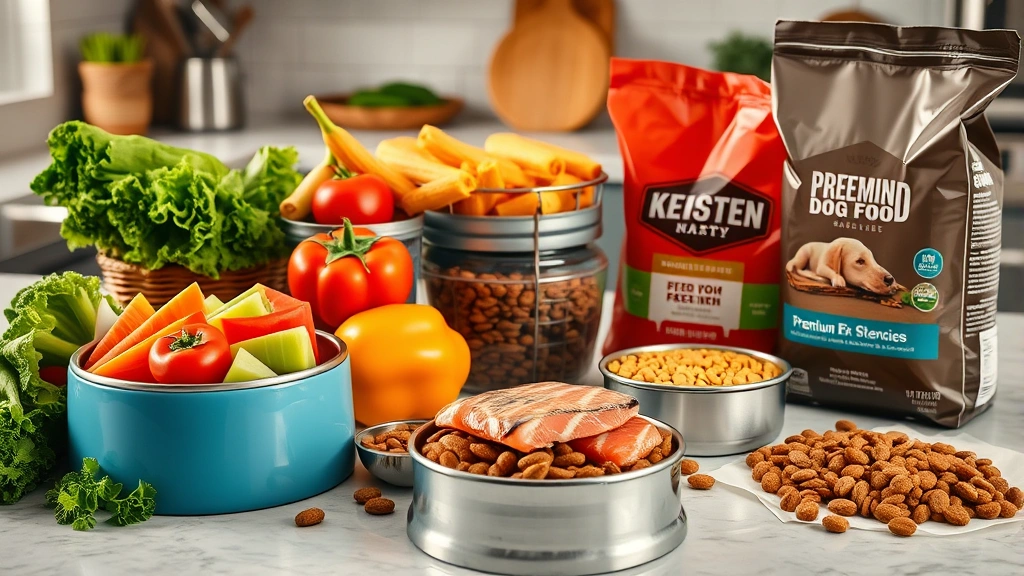
Omega-3 fatty acids are anti-inflammatory powerhouses that can help reduce the symptoms associated with food hypersensitivity. These essential fatty acids support skin health, reduce itching, and help manage the inflammatory response in your dog’s body. Fish oil supplements (or algae-based options if you prefer plant-based) are excellent sources of omega-3s.
Many dogs with food hypersensitivity show marked improvement in skin and coat condition within 4-8 weeks of starting omega-3 supplementation. This isn’t a cure, but it’s definitely a helpful tool in your arsenal. Always consult your vet about appropriate dosages, as too much of a good thing can cause digestive upset in some dogs.
Recognizing the Signs: Is Your Dog Suffering?
So how do you know if your dog has food hypersensitivity? The symptoms can be surprisingly varied. Chronic itching and scratching (especially on the face, paws, and ears) are classic signs. You might also notice recurring ear infections, digestive issues like diarrhea or vomiting, excessive licking of paws, or hair loss in patches. Some dogs develop skin rashes or experience chronic inflammation. If your pup has been dealing with these issues for months without relief, food hypersensitivity might be the culprit.
Working with Your Veterinarian—Professional Guidance is Key
While elimination diets and dietary changes can be incredibly effective, it’s crucial to work with your veterinarian throughout this process. Your vet can rule out other conditions that mimic food hypersensitivity (like parasites, environmental allergies, or skin infections) and provide professional guidance on the best approach for your specific dog. They might recommend allergy testing, though it’s worth noting that these tests are more reliable for environmental allergies than food hypersensitivities.
Your vet can also monitor your dog’s nutritional intake to ensure they’re getting all necessary vitamins and minerals, especially during the elimination diet phase. This professional oversight is invaluable and can save you time, money, and frustration in the long run. Don’t hesitate to ask questions or seek a second opinion if you’re not seeing improvement.
Common Trigger Foods to Avoid
While every dog is different, certain ingredients appear more frequently as food hypersensitivity triggers. Beef, chicken, wheat, corn, and soy are among the most common culprits. Dairy products, eggs, and fish can also trigger reactions in sensitive dogs. This is why many limited ingredient diets focus on alternative proteins like duck, venison, lamb, or fish from less common sources. If you’re looking for safe food options for your dog, check out our comprehensive guide on Human Foods for Pets with Food Allergies and Safe Vegetables for Dogs.
Managing Your Dog’s Environment—It’s Not Just Food
While food hypersensitivity is directly related to diet, remember that your dog’s overall environment matters too. Keep treats consistent with their diet, avoid table scraps entirely during the elimination phase, and be mindful of medications or supplements that might contain problematic ingredients. Even flavored medications can cause reactions, so always inform your vet about your dog’s dietary restrictions.
Additionally, cross-contamination is a real concern. If you have multiple dogs, you might need to feed them separately to prevent the sensitive pup from eating their sibling’s food. It’s extra work, but it’s worth it when you see your dog finally getting relief from their symptoms.
Long-Term Management and Quality of Life
The good news is that food hypersensitivity is manageable. Once you’ve identified your dog’s triggers and found the right diet, your pup can live a completely normal, happy life. Many dogs thrive on limited ingredient diets or hydrolyzed protein formulas. The key is consistency—stick with what works and resist the urge to switch foods or try new treats without careful consideration.

Keep detailed notes about your dog’s symptoms, diet changes, and what seems to help or hurt. This information is invaluable for your vet and helps you make informed decisions about your dog’s nutrition. Over time, you’ll become an expert on your own dog’s dietary needs, and managing their food hypersensitivity will become second nature.
When to Seek Professional Help
If your dog’s symptoms aren’t improving after 8-12 weeks on an elimination diet, or if they’re experiencing severe symptoms like vomiting, extreme lethargy, or signs of pain, contact your vet immediately. Sometimes what looks like food hypersensitivity is actually something else entirely, and professional diagnosis is essential. Additionally, if your dog develops new symptoms or their condition worsens despite dietary management, don’t wait—get them checked out.
Frequently Asked Questions
How long does it take to see improvement with a new diet?
Most dogs show some improvement within 4-6 weeks of switching to an appropriate diet, though it can take up to 8-12 weeks to see full resolution of symptoms. Skin conditions are typically the slowest to improve since your dog’s skin needs time to heal.
Can food hypersensitivity develop suddenly?
Yes! Dogs can develop food hypersensitivity at any age, even if they’ve been eating the same food for years. This is different from food allergies, which are often present from puppyhood. It’s one of the frustrating aspects of managing this condition.
Is food hypersensitivity the same as a food allergy?
No, they’re different. Food allergies involve an immune response, while food hypersensitivity is an adverse reaction that doesn’t necessarily involve the immune system. However, the dietary management approach is similar for both conditions.
Will my dog need to stay on a special diet forever?
In most cases, yes. Food hypersensitivity is typically a lifelong condition, and reintroducing problematic ingredients usually causes symptoms to return. However, this isn’t a hardship—many dogs thrive on limited ingredient diets and live long, healthy lives.
Can I make homemade dog food for a dog with food hypersensitivity?
You can, but it requires careful planning to ensure nutritional balance. Work with a veterinary nutritionist to develop a homemade diet that meets all your dog’s nutritional needs while avoiding trigger ingredients. This approach gives you complete control over ingredients but requires more effort than commercial diets.
Are grain-free diets better for dogs with food hypersensitivity?
Not necessarily. While some dogs are sensitive to grains, others react to proteins instead. Grain-free diets aren’t inherently better—the key is finding what works for your individual dog. Recent research has also raised some concerns about grain-free diets and heart health, so discuss this with your vet.
Conclusion: Your Dog Deserves Relief
Food hypersensitivity in dogs is frustrating for both you and your pup, but it’s absolutely manageable with the right approach. By implementing these five proven solutions—elimination diets, limited ingredient diets, hydrolyzed protein formulas, probiotic supplementation, and omega-3 fatty acids—you can help your dog finally find relief from their symptoms. Remember to work closely with your veterinarian, be patient during the diagnostic process, and stay consistent with dietary management once you’ve identified your dog’s triggers. With dedication and the right diet, your dog can return to their happy, comfortable self. For additional information on what to avoid, check out our guide on What Not to Feed Your Dog. Your furry friend is counting on you!





