

A frenchton dog is basically what happens when a French Bulldog and a Boston Terrier decide to have the cutest possible offspring—and honestly, the results are absolutely irresistible. If you’re considering bringing one of these pint-sized goofballs into your home, you’ve come to the right place. This guide covers everything you need to know about frenchtons, from their quirky personalities to their specific care needs.
Table of Contents
- What Exactly Is a Frenchton Dog?
- Appearance and Physical Characteristics
- Personality Traits of the Frenchton Breed
- Training Your Frenchton: Tips and Tricks
- Health Considerations for Frenchton Dogs
- Grooming and Coat Care
- Exercise and Activity Needs
- Nutrition and Feeding Guidelines
- Socialization and Compatibility
- Common Behavioral Issues and Solutions
- Choosing the Right Frenchton for Your Lifestyle
- Accessories and Gear for Your Frenchton
- Frequently Asked Questions
- Final Thoughts on the Frenchton Breed
What Exactly Is a Frenchton Dog?
Let’s start with the basics: a frenchton dog is a designer hybrid breed that combines the French Bulldog and Boston Terrier. These compact companions typically weigh between 15-25 pounds and stand about 12-14 inches tall. They’re the perfect size for apartment living or cozy homes, and they’ve inherited the best traits from both parent breeds. You get the French Bulldog’s charming stubbornness mixed with the Boston Terrier’s playful energy—a combination that results in one entertaining little furball.
The frenchton breed gained popularity in the early 2000s when breeders realized that crossing these two breeds could potentially reduce some health issues common in purebreds. While they’re not yet recognized by major kennel clubs like the AKC, they’ve earned a devoted following among dog lovers who appreciate their unique charm.
Appearance and Physical Characteristics
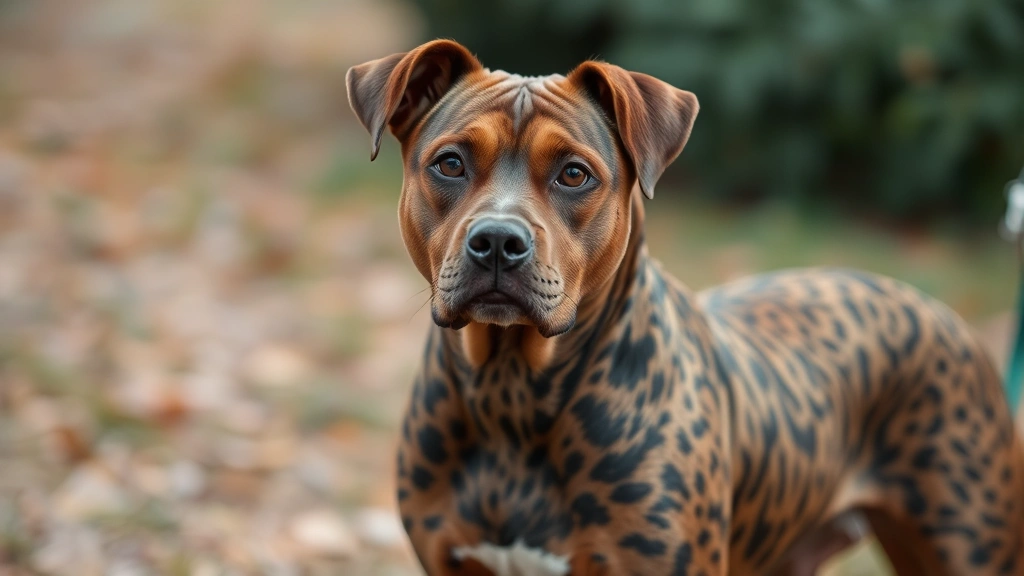
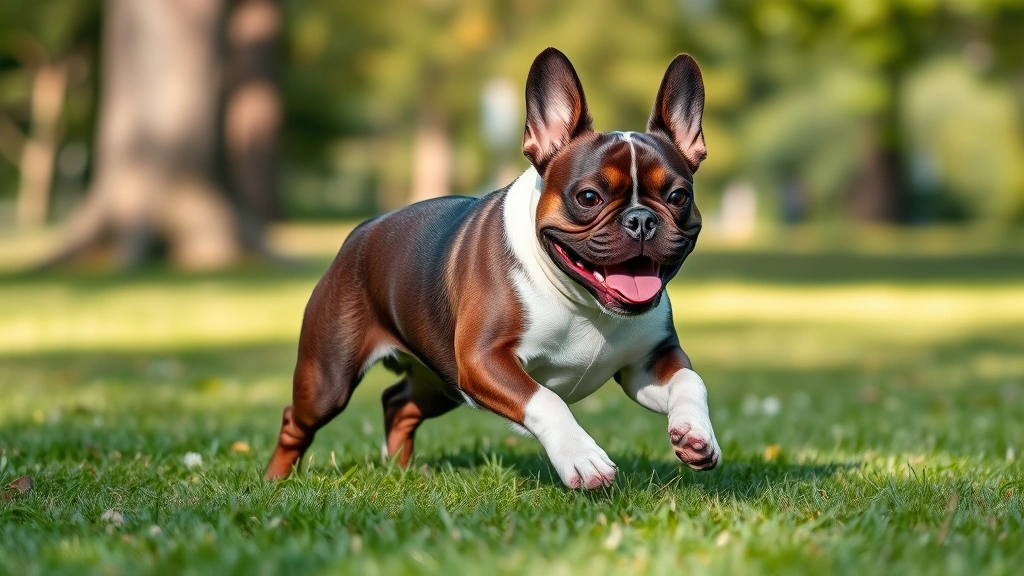
Frenchtons are adorable little potatoes with legs and expressive faces. Most have compact, muscular bodies with a slightly longer frame than a French Bulldog but stockier than a Boston Terrier. Their coats come in various colors including fawn, brindle, cream, and black, often with white markings. Many inherit the French Bulldog’s characteristic bat ears, though some have the Boston Terrier’s slightly larger, more triangular ears.
One of the most endearing features is their expressive face—those big, soulful eyes seem to communicate every emotion. Their tails are typically short and either straight or curly, adding to their overall adorable package. If you’re looking for a dog that turns heads on walks, a frenchton definitely delivers.
Personality Traits of the Frenchton Breed
Here’s where frenchtons really shine: personality for days. These dogs are social butterflies who genuinely love being around people. They’re affectionate without being overly needy, playful without being hyperactive, and intelligent enough to learn commands but stubborn enough to keep you entertained. A frenchton dog thrives on human companionship and will happily curl up on your lap for hours while also being ready for a quick play session.
They’re known for their sense of humor—seriously, these dogs seem to understand the concept of funny. They’ll do goofy things just to get a laugh from their humans. That said, they can also be independent thinkers, so training requires patience and positive reinforcement rather than harsh corrections.
Training Your Frenchton: Tips and Tricks
Training a frenchton dog requires understanding their unique personality. These dogs are smart but have a “what’s in it for me?” attitude. Use high-value rewards like treats from our puppy safe human foods guide or their favorite toys to motivate them during training sessions.
Start socialization early—expose your frenchton to different people, environments, and other dogs while they’re young. Keep training sessions short (5-10 minutes) and fun, because frenchtons get bored with repetition. Consistency is key; if everyone in your household enforces the same rules, your frenchton will catch on quickly. House training usually takes 4-6 weeks with patience and a consistent schedule.

Health Considerations for Frenchton Dogs
While frenchtons are generally healthier than their purebred parents due to hybrid vigor, they can still inherit certain health conditions. Brachycephalic syndrome (breathing difficulties) is a concern since both parent breeds have flat faces. This means frenchtons can struggle in hot weather and during intense exercise. Always provide plenty of water and avoid strenuous activity during heat.
Other potential health issues include hip dysplasia, patellar luxation, and eye problems. Regular veterinary check-ups are essential. Choose a reputable breeder who conducts health testing on parent dogs. According to the American Kennel Club, responsible breeding practices significantly reduce hereditary health issues.

Grooming and Coat Care
Frenchtons have short coats that shed moderately year-round, with heavier shedding during spring and fall. Brush them 2-3 times per week to manage loose hair and keep their coat healthy. They don’t need frequent baths—once every 4-6 weeks is plenty unless they get particularly dirty.
Pay special attention to their facial wrinkles (if they have them) and ear folds. Clean these areas regularly with a damp cloth to prevent moisture buildup and infections. Trim their nails every 3-4 weeks, brush their teeth several times a week (daily is ideal), and clean their ears weekly. These grooming habits keep your frenchton healthy and comfortable.
Exercise and Activity Needs
Don’t let their small size fool you—frenchtons have decent energy levels and need daily exercise. A 30-45 minute walk or playtime is typically sufficient. They enjoy interactive games, fetch, and exploring new environments. However, be mindful of their brachycephalic nature; avoid strenuous exercise in heat and watch for signs of overexertion like excessive panting or lethargy.
Frenchtons are adaptable and can thrive in apartments or houses, as long as they get regular activity. Mental stimulation is equally important as physical exercise. Puzzle toys, training sessions, and interactive games keep their minds engaged and prevent boredom-related behavioral issues.
Nutrition and Feeding Guidelines
A frenchton dog needs high-quality dog food appropriate for their age, size, and activity level. Most adult frenchtons do well on 1-1.5 cups of food daily, split into two meals. Look for foods with real meat as the first ingredient and avoid fillers. Since they can be prone to weight gain, monitor portions carefully—obesity exacerbates breathing issues and joint problems.
Consult your veterinarian about the best food for your individual frenchton, as nutritional needs vary. Some owners prefer the healthy snack alternatives for dogs approach, incorporating nutritious treats into their diet. Always ensure fresh water is available, especially given their heat sensitivity.
Socialization and Compatibility
Frenchtons are generally friendly with other dogs and pets, especially when socialized young. They’re excellent family dogs and typically great with children, though supervision is recommended with very small children due to their small size. They can be prone to resource guarding, so teach children to respect the dog’s space during meals and play.
These dogs thrive in multi-pet households and are often happier with canine companionship. They’re also excellent therapy dogs due to their affectionate nature and intuitive understanding of human emotions. If you’re considering a frenchton for a family setting, you’re making a solid choice.

Common Behavioral Issues and Solutions
Frenchtons can develop separation anxiety if not properly acclimated to alone time. Start with short periods of separation and gradually increase duration. Create a safe space with toys and consider crate training. Some frenchtons are stubborn about house training—remain patient and consistent with your schedule.
Excessive barking can occur, particularly if they’re bored or anxious. Provide adequate exercise and mental stimulation to reduce this behavior. Jumping on guests is common in puppies; redirect this energy with toys or teach a “sit” command instead. Positive reinforcement works far better than punishment with this sensitive breed.
Choosing the Right Frenchton for Your Lifestyle
Before bringing a frenchton dog home, honestly assess your lifestyle. These dogs need companionship and shouldn’t be left alone for 8+ hours daily. They’re perfect for work-from-home situations or families with flexible schedules. Consider whether you can handle their potential health issues and associated veterinary costs.
Choose a reputable breeder who provides health certifications for parent dogs and allows you to meet them. Avoid puppy mills and irresponsible breeders. If adopting is an option, check rescue organizations specializing in French Bulldogs or Boston Terriers—frenchtons sometimes end up in rescue too.

Accessories and Gear for Your Frenchton
Invest in quality accessories that suit your frenchton’s needs. A comfortable cooling dog bed is essential given their heat sensitivity. Look for a well-fitting collar or harness—we recommend checking out options like the Coach dog collar for style-conscious owners. A sturdy leash, food and water bowls, and appropriate toys round out the essentials.
Consider a dog stroller for hot days when walking isn’t safe. Portable water bowls are handy for outings. If you enjoy baking, try making homemade treats using our limited ingredient treat recipes for a personalized touch. And if you’re stuck on naming your new pup, browse our cool dog names for inspiration.

Frequently Asked Questions
How much does a frenchton dog cost?
Frenchton puppies typically cost between $1,500-$3,500 from reputable breeders. Adoption from rescues may cost $200-$500. Remember that initial cost is just the beginning; factor in food, veterinary care, grooming, and supplies when budgeting for a frenchton.
Do frenchtons require air conditioning?
Yes, frenchtons are sensitive to heat due to their flat faces. They should always have access to air conditioning or cool spaces during warm months. Never leave them in hot cars, and avoid outdoor activity during peak heat hours. According to PetMD, brachycephalic breeds are at high risk for heat stroke.

Are frenchtons good apartment dogs?
Absolutely! Their small size, moderate exercise needs, and adaptable nature make them excellent apartment companions. They don’t require a yard and are generally quiet (though some bark). Their affectionate nature makes them wonderful neighbors as long as they’re not left alone for extended periods.
How long do frenchtons live?
Frenchtons typically live 12-15 years with proper care. Their lifespan is often longer than purebred French Bulldogs or Boston Terriers, thanks to hybrid vigor. Maintaining a healthy weight, regular veterinary care, and appropriate exercise contribute to longevity.

Can frenchtons swim?
Most frenchtons can swim, but their flat faces and compact bodies mean they’re not natural swimmers. Always use a properly fitted life jacket if your frenchton will be near water. Supervise closely and introduce water gradually and positively to prevent fear or accidents.
Do frenchtons get along with cats?
Generally yes, especially if socialized early. Frenchtons have lower prey drive compared to some breeds, making them suitable for multi-pet households. Always supervise initial introductions and teach both animals to respect each other’s space.
Final Thoughts on the Frenchton Breed
A frenchton dog is more than just a cute face—they’re loyal, entertaining, and affectionate companions that bring joy to any household. They’re perfect for people seeking a small dog with big personality, whether you’re a first-time dog owner or an experienced handler. Their adaptability, intelligence, and loving nature make them wonderful family members.
Before committing to a frenchton, ensure you understand their specific needs, particularly regarding heat sensitivity and potential health issues. Choose a responsible breeder or rescue organization, and be prepared for a 12-15 year commitment. If you’re ready for the responsibility and can provide the love and care these little goofballs deserve, a frenchton will reward you with endless entertainment, affection, and companionship. These hybrid dogs truly are the best of both worlds.





