
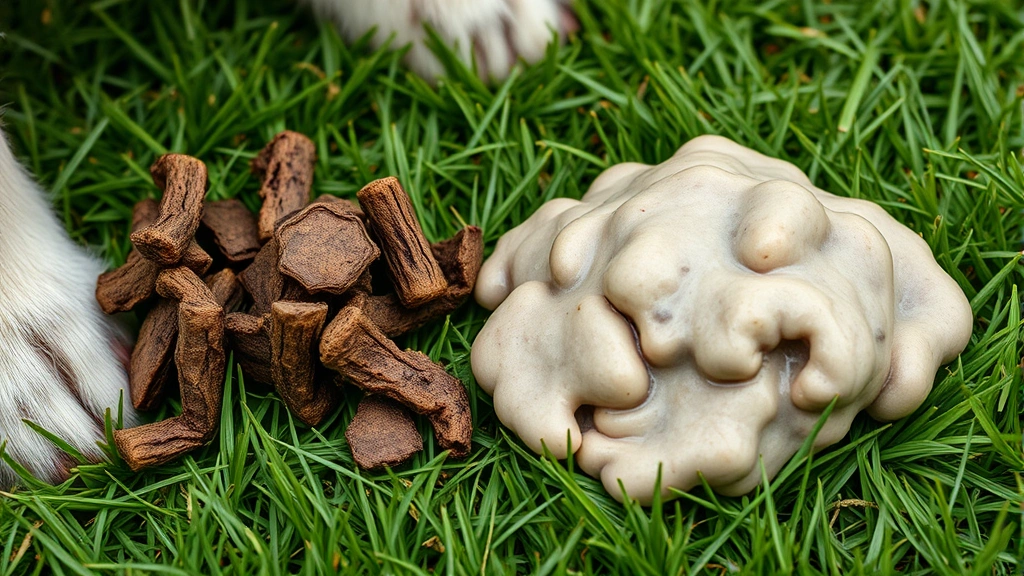
A giardia dog poop picture might be the most disgusting thing you’ll ever need to recognize, but trust me—knowing what you’re looking at could save your pup’s life. Giardiasis is one of those sneaky parasitic infections that dog owners don’t talk about at the park, but absolutely should. Let’s dive into the gross details because sometimes being a responsible pet parent means getting a little dirty.
Table of Contents
- What Exactly Is Giardia and Why Should You Care?
- Recognizing Giardia in Dog Stool: The Visual Clues
- Common Symptoms Beyond the Poop
- How Dogs Contract Giardia Infections
- Diagnosis: More Than Just Looking at Poop
- Treatment Options for Giardiasis
- Prevention: Keeping Giardia Away
- Recovery and Post-Treatment Care
- When to Worry: Serious Complications
- The Bottom Line: Knowledge Is Power
- Frequently Asked Questions
What Exactly Is Giardia and Why Should You Care?
Giardia is a single-celled parasite that crashes the party in your dog’s small intestine like an uninvited guest at a wedding. These microscopic troublemakers cause an infection called giardiasis, and boy, do they make a mess. Your dog doesn’t need to be a world traveler or a dumpster diver to catch it—giardia spreads through contaminated water, soil, or even contact with infected animals. It’s basically the common cold of parasitic infections, except way grosser.
The parasite attaches itself to the intestinal lining and causes inflammation, which leads to digestive chaos. Your normally well-behaved pup suddenly becomes a poop-producing machine, and not in a good way.
Recognizing Giardia in Dog Stool: The Visual Clues
So what does a giardia dog poop picture actually show you? The telltale signs include:
- Pale or grayish appearance: Infected stool often looks bleached or clay-like, completely different from normal brown poop
- Greasy texture: It has that slick, oily sheen that makes you want to wash your hands immediately
- Mucus coating: You might see a slimy, mucus-like layer—basically your dog’s intestines throwing a fit
- Loose to watery consistency: Forget firm stools; giardia victims produce soft, mushy, or diarrhea-like output
- Foul odor: Even worse than normal dog poop, if that’s possible
The stool might also contain visible mucus strands or appear frothy. Some dog owners describe it as looking almost bubbly or foam-like. If your dog’s poop suddenly looks like it went through a bleaching treatment, giardia should be on your radar.
Common Symptoms Beyond the Poop
A giardia dog poop picture tells only part of the story. Your pup will likely display other symptoms that might actually alert you first:
- Chronic diarrhea lasting more than a few days
- Weight loss despite normal eating habits
- Lethargy and reduced energy levels
- Abdominal cramping and discomfort
- Excessive gas and bloating
- Poor coat condition and dull fur
- Vomiting in some cases
Some dogs show symptoms within 5-12 days of exposure, while others might be asymptomatic carriers. This is why regular vet checkups matter—you could have a giardia spreader without even knowing it.
How Dogs Contract Giardia Infections
Understanding transmission helps you prevent future infections. Dogs pick up giardia from:
- Contaminated water sources: Lakes, rivers, puddles, and even communal water bowls at dog parks
- Infected feces: Direct contact with another dog’s contaminated stool
- Soil and grass: Walking through areas where infected animals have eliminated
- Food bowls: Shared feeding areas that haven’t been properly sanitized
- Grooming: Licking contaminated fur or paws
Puppies and senior dogs face higher infection rates because their immune systems are either still developing or declining. Immunocompromised dogs also struggle more with giardia. If you’ve ever dealt with this parasite, you know why prevention is absolutely worth the effort.
Diagnosis: More Than Just Looking at Poop
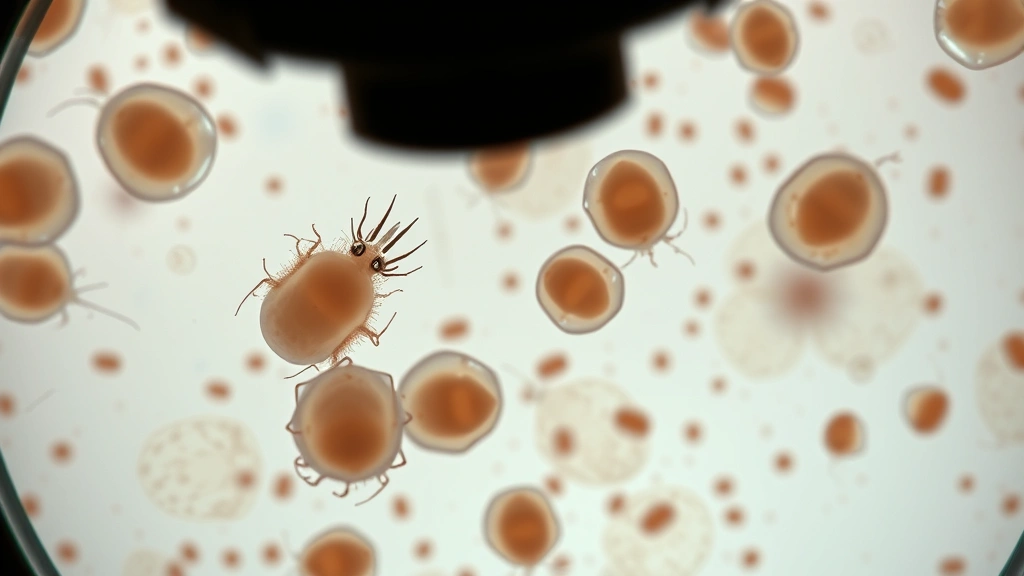
While a giardia dog poop picture can raise red flags, your vet needs actual lab work to confirm the diagnosis. They’ll typically perform:
- Fecal flotation test: The gold standard—they examine stool samples under a microscope to spot giardia cysts
- SNAP test: A quick antigen detection test that gives results faster
- PCR testing: The most sensitive option, though more expensive
Your vet might need multiple stool samples because giardia shedding is inconsistent—sometimes the parasite shows up, sometimes it doesn’t. It’s like a microscopic game of hide-and-seek. This is why your vet might recommend treatment even without a positive test if symptoms strongly suggest giardia.
If you’re concerned about your dog’s digestive health, remote pet health monitoring can help you track symptoms between vet visits.
Treatment Options for Giardiasis
The good news? Giardia is treatable. Your vet will typically prescribe:
- Metronidazole: The most common antibiotic, usually given for 5-7 days
- Fenbendazole: An antiparasitic medication, sometimes used as a first-line treatment
- Combination therapy: Some vets use both medications together for stubborn cases
Treatment duration varies, but most dogs show improvement within days. However, some cases require repeat treatments because giardia can be surprisingly persistent. Your vet might recommend a second round of medication 10-14 days after the first treatment ends.
During treatment, focus on supportive care. Consider feeding your dog a bland diet for sick pets to give their digestive system a break. Easily digestible foods help reduce intestinal irritation and let medications work more effectively.
Prevention: Keeping Giardia Away
Once you’ve dealt with giardia, you’ll want to prevent it from ever happening again. Here’s your prevention playbook:
- Water safety: Provide filtered or bottled water, especially when traveling
- Sanitation: Clean food and water bowls daily with hot soapy water
- Yard maintenance: Pick up poop immediately and disinfect areas with bleach solution
- Avoid contaminated areas: Be cautious around stagnant water sources and heavily trafficked dog parks during outbreaks
- Hand hygiene: Wash hands after handling your dog’s stool or playing in potentially contaminated areas
- Regular vet checkups: Catch infections early before they become serious
If you suspect giardia poisoning or your dog shows severe symptoms like bloody diarrhea, contact an emergency vet for food poisoning immediately. Severe dehydration from giardia-induced diarrhea can become dangerous quickly.
Recovery and Post-Treatment Care
After your dog completes giardia treatment, they’re not automatically immune—reinfection is possible. Support their recovery with:
- Continued bland diet for 1-2 weeks post-treatment
- Probiotics to restore healthy gut bacteria
- Plenty of fresh water to prevent dehydration
- Gradual return to normal food over several days
- Extra bathroom breaks to monitor stool consistency
Some dogs benefit from convalescence foods from the kitchen during recovery, including plain chicken, rice, and sweet potato. These easily digestible options help rebuild strength while their intestines heal.
Follow-up vet visits are crucial. Your vet might recommend another fecal test 2-4 weeks after treatment to confirm giardia is completely gone. Some stubborn cases need additional rounds of medication or different treatment approaches.
When to Worry: Serious Complications
Most giardia cases resolve without complications, but watch for these red flags:
- Bloody or black diarrhea
- Persistent vomiting
- Signs of severe dehydration (dry gums, lethargy)
- Abdominal pain or distension
- Fever
- Rapid weight loss
If your dog shows any of these symptoms, don’t wait—contact your vet or pet poison hotline immediately. Severe giardiasis can lead to malnutrition, dehydration, and secondary infections if left untreated.
The Bottom Line: Knowledge Is Power
Understanding what a giardia dog poop picture looks like gives you the power to act quickly. Early recognition means faster treatment, less suffering for your pup, and fewer parasites spreading to other dogs. While giardia isn’t the most glamorous topic in pet health, it’s definitely important.
Trust your instincts—if your dog’s poop looks abnormal and they’re showing other symptoms, get to the vet. Better to be wrong about giardia than to let it fester. Your dog’s digestive health (and your sanity) will thank you.
Frequently Asked Questions
Can humans catch giardia from dogs?
While humans can contract giardia, it’s relatively rare from direct dog contact. The risk increases if you handle contaminated stool without proper hygiene. Always wash your hands thoroughly after cleaning up after your dog, especially if they have giardia.
How long does giardia treatment take?
Most giardia treatments last 5-7 days, but you won’t see results overnight. Improvement typically appears within 2-3 days, though complete recovery takes 1-2 weeks. Some stubborn cases require repeat treatments.
Is giardia contagious to other dogs?
Absolutely. Giardia spreads through contaminated stool, water, and soil. Keep infected dogs away from other pets during treatment and for at least one week after symptoms resolve. Practice strict sanitation to prevent household transmission.
Can giardia go away on its own?
Some dogs might clear mild giardia infections naturally, but this is risky. Without treatment, your dog suffers longer and spreads the parasite to other animals. Always seek veterinary treatment—it’s faster, safer, and more effective.
What’s the cost of giardia treatment?
Treatment costs vary by location and vet, but expect $200-500 for diagnosis and medication. This includes fecal testing, veterinary exam, and prescription medications. Prevention costs far less than treatment, making it worth the investment.





