
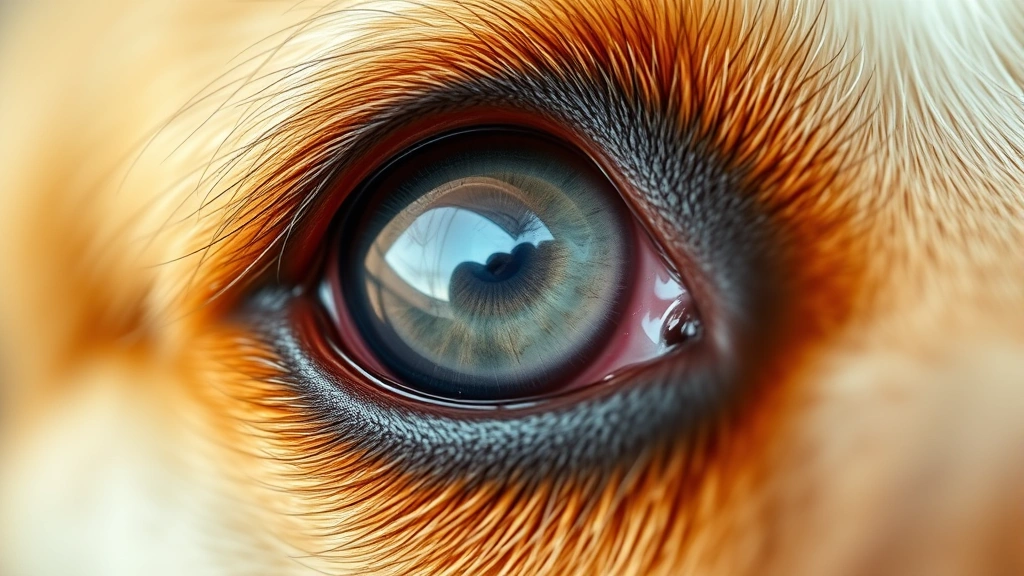
If you’ve ever heard the term glaucoma in dogs and wondered what it means, you’re not alone—but trust me, you’ll want to pay attention to this one. Glaucoma is basically your pup’s eye pressure going haywire, and it can sneak up on you faster than a squirrel at a dog park. We’re talking about a condition that can lead to blindness if you don’t catch it early, so let’s break down everything you need to know to keep those puppy eyes safe.
Table of Contents
- What Exactly Is Glaucoma in Dogs?
- Early Warning Signs You Can’t Ignore
- Risk Factors and Breed Predisposition
- How Vets Diagnose Glaucoma in Dogs
- Treatment Options That Actually Work
- Managing Pain and Discomfort
- Prevention and Monitoring Strategies
- Living with a Dog Who Has Glaucoma
- Cost Considerations and When to Seek Help
- What the Research Says
- Summary and Action Steps
- Frequently Asked Questions
What Exactly Is Glaucoma in Dogs?
Think of your dog’s eye like a tiny water balloon. Inside that balloon is fluid called aqueous humor that keeps the eye’s shape and pressure stable. When glaucoma strikes, the drainage system gets clogged up like a backed-up sink, and pressure builds inside the eye. This increased intraocular pressure (IOP) starts damaging the optic nerve, which is basically the cable connecting your dog’s eye to their brain. Without that nerve working properly, your furry friend loses their vision—sometimes permanently.
There are two main types: primary glaucoma (the genetic kind that runs in families) and secondary glaucoma (caused by something else going wrong in the eye). Some breeds are more prone to this mess than others, so if you’ve got a Cocker Spaniel, Poodle, Beagle, or Siberian Husky, keep your eyes peeled—pun intended.
Early Warning Signs You Can’t Ignore
Your dog can’t tell you their eye hurts, so you’ve gotta be their detective. Here’s what to watch for: squinting like they just walked into a sandstorm, excessive tearing, redness in the white part of the eye, or a cloudy appearance to the cornea. Some dogs get a dilated pupil that doesn’t respond to light, and their eye might look like it’s bulging out slightly. You might also notice behavioral changes—your normally playful pup acting withdrawn, bumping into things, or being extra cautious in low light.
The tricky part? Early-stage glaucoma in dogs often has zero symptoms. Your dog could be silently losing vision while you’re completely oblivious. This is why regular vet checkups are non-negotiable, especially if your dog has risk factors.
Risk Factors and Breed Predisposition
Certain breeds are like the VIP list for glaucoma complications. Cocker Spaniels, Poodles, Basset Hounds, Beagles, and Siberian Huskies top the charts for primary glaucoma. But here’s the thing—any dog can develop secondary glaucoma if they have eye injuries, inflammation, or other eye diseases. Age matters too; glaucoma typically shows up between 3-7 years old, though it can happen at any age.
If your dog has had eye problems before—like uveitis or lens dislocation—they’re at higher risk. Even something as simple as eye trauma from roughhousing with another dog can trigger the condition down the line. This is why remote pet health monitoring can be super helpful for catching changes you might miss.
How Vets Diagnose Glaucoma in Dogs
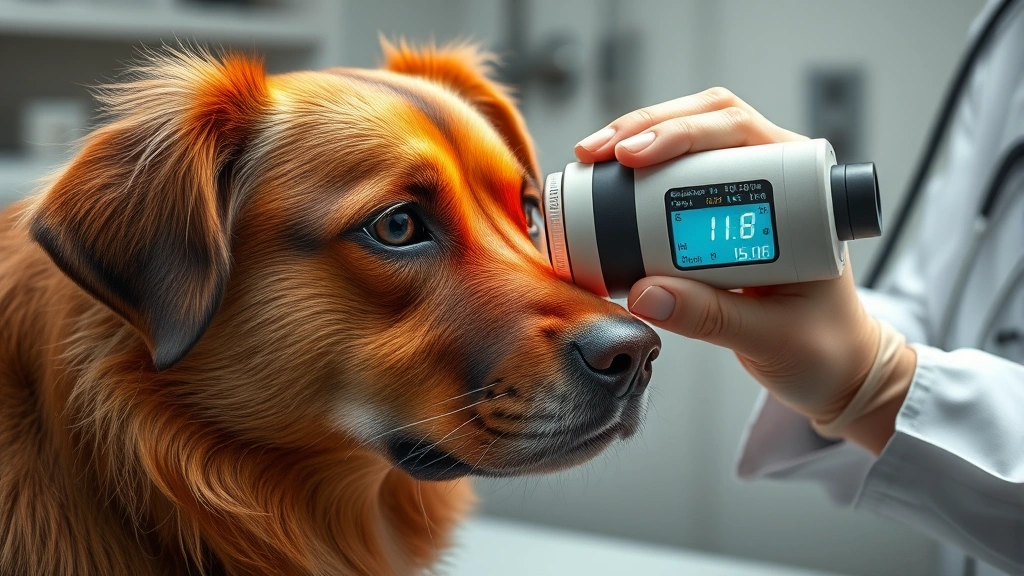
Your vet won’t just eyeball it (okay, they will, but not only that). They’ll use a tonometer—a fancy device that measures the pressure inside your dog’s eye. Normal IOP is around 15-25 millimeters of mercury (mmHg), so anything higher raises red flags. They might also do gonioscopy to check the drainage angle, optical coherence tomography (OCT) to look at the optic nerve, and visual field testing to see how much vision is left.
The whole process is non-invasive and usually quick, though your pup might need numbing drops. Your vet might recommend repeated measurements because glaucoma in dogs can be sneaky—pressure fluctuates throughout the day, and you might catch it on a good day or a bad day.
Treatment Options That Actually Work
Here’s the reality: once vision is gone from glaucoma, it’s gone for good. You can’t restore it. But you can absolutely stop the disease from progressing and save the remaining vision. Treatment falls into three categories: medical, laser, and surgical.
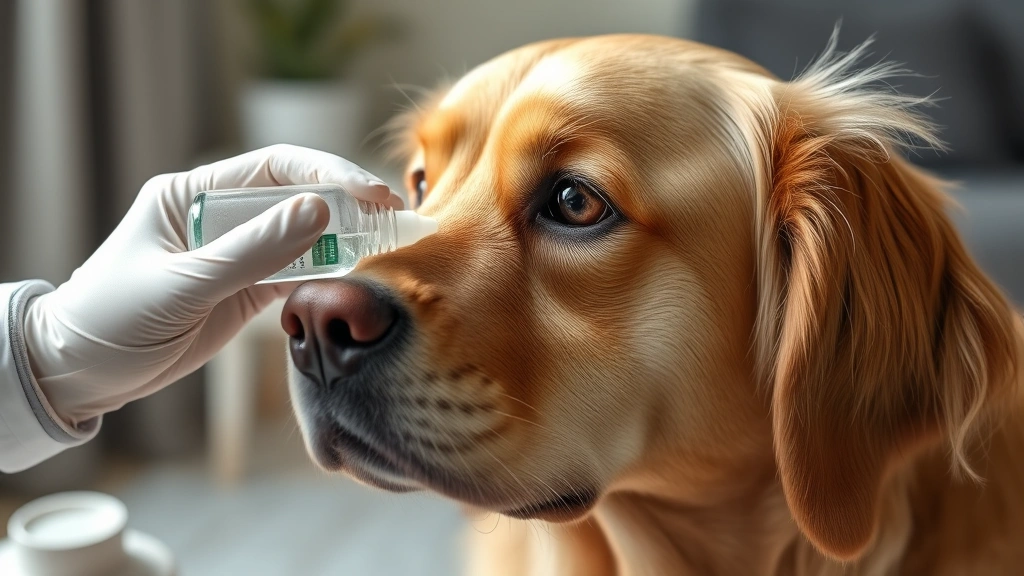
Medical management usually comes first. Your vet will prescribe eye drops—typically prostaglandin analogs like latanoprost, beta-blockers like timolol, or carbonic anhydrase inhibitors like dorzolamide. These work by either increasing fluid drainage or decreasing fluid production. You’ll need to give these drops multiple times daily, sometimes for the rest of your dog’s life. And yes, you’ll need to learn the proper technique so the drops actually go in the eye and not on your dog’s fur.
If drops aren’t cutting it, laser treatment (cyclophotocoagulation or transscleral diode laser) can destroy the cells that produce fluid, reducing pressure. It’s less invasive than surgery and often gives good results, though it might need repeating.
Surgical options like tube shunts or valve implants are the heavy artillery, reserved for when nothing else works or when the eye is already blind and painful. Some vets recommend immune-boosting foods for pets as supportive care alongside medical treatment, though this is complementary, not curative.
Managing Pain and Discomfort
A glaucomatous eye is a painful eye, even if your dog doesn’t show obvious signs. Chronic pain changes behavior—your dog might become irritable, lose appetite, or stop playing. Pain management is crucial and often involves oral medications like carprofen or other NSAIDs. Some vets use additional pain relief strategies like acupuncture or laser therapy.
In cases where the eye is permanently blind and painful despite treatment, enucleation (surgical removal of the eye) might be recommended. I know that sounds drastic, but dogs adapt remarkably well to having one eye, and removing a painful, non-functional eye actually improves quality of life.
Prevention and Monitoring Strategies
You can’t prevent primary glaucoma if your dog’s genetics are against them, but you can be proactive. Regular eye exams—at least annually, more often if your dog is high-risk—catch problems early. If you have a breed predisposed to glaucoma in dogs, ask your vet about screening before symptoms appear.
Protect your dog’s eyes from injury. Use protective eyewear if needed during rough play or outdoor activities. Manage other eye conditions aggressively—don’t let inflammation linger. Keep up with antibiotic ointment treatments if your vet prescribes them for eye infections.
Monitor your dog’s behavior for changes in vision. Do they hesitate before jumping off the couch? Are they bumping into door frames? These subtle signs might indicate vision loss from glaucoma in dogs progressing silently.
Living with a Dog Who Has Glaucoma
If your dog gets diagnosed with glaucoma, it’s not a death sentence—it’s a management situation. Many dogs maintain good quality of life with proper treatment. The key is consistency with medications and regular monitoring. Set phone reminders for eye drops (seriously, this helps). Keep follow-up appointments religiously. Track any changes in behavior or appearance.
Your dog might need to adjust their environment. Remove obstacles they might bump into if vision is compromised. Use ramps instead of stairs. Keep their favorite toys and food bowls in consistent locations. Dogs are incredibly adaptable, and most adjust to vision loss better than their humans do.
Cost Considerations and When to Seek Help
Let’s be real: treating glaucoma in dogs isn’t cheap. Diagnostic testing runs $200-500, medications cost $30-100 monthly, and laser surgery can hit $1,000-3,000 per eye. This is why pet insurance matters—if your dog has coverage before diagnosis, glaucoma is usually included. If not, have a frank conversation with your vet about your budget and what’s realistic.
According to the American Kennel Club, early intervention dramatically improves outcomes, so don’t delay seeking help if you suspect glaucoma. The PetMD resource library has excellent information on eye diseases, and veterinary ophthalmologists (yes, they exist!) are your best resource for complex cases.
What the Research Says
Recent veterinary studies show that early detection and aggressive treatment preserve vision in 70-80% of dogs with glaucoma in dogs caught in early stages. Delayed treatment? That drops to 30-40%. The University of California School of Veterinary Medicine has published extensively on breed-specific glaucoma prevalence and treatment protocols.
One fascinating finding: some dogs respond better to certain medications than others, which is why your vet might need to adjust treatment over time. It’s not one-size-fits-all.
Summary and Action Steps
Glaucoma in dogs is serious, but it’s manageable with early detection and consistent treatment. Here’s your action plan: if you have a high-risk breed, schedule an eye exam this month. Watch for signs like squinting, tearing, redness, or behavioral changes. Give medications exactly as prescribed if your dog is diagnosed. Keep all follow-up appointments. And remember—your dog depends on you to be their advocate. Don’t wait for obvious symptoms; be proactive.
Frequently Asked Questions
Can glaucoma in dogs be cured?
Unfortunately, no. Glaucoma is a chronic condition that requires lifelong management. However, with proper treatment, you can stop it from progressing and preserve remaining vision. The goal is to maintain your dog’s quality of life and prevent blindness.
How fast does glaucoma progress in dogs?
It varies wildly. Some dogs lose vision rapidly over weeks, while others progress slowly over months or years. Acute glaucoma can cause blindness in one eye within 24-48 hours, so early intervention is critical. This is why regular monitoring matters so much.
Is glaucoma painful for dogs?
Yes, absolutely. Elevated eye pressure causes significant pain, even if your dog doesn’t show obvious signs. Dogs are stoic creatures and often hide discomfort. Pain management is a crucial part of treatment, not just pressure reduction.
What breeds are most susceptible to glaucoma?
Cocker Spaniels, Poodles, Basset Hounds, Beagles, Siberian Huskies, and Dalmatians top the list for primary glaucoma. But any breed can develop secondary glaucoma from eye trauma or disease, so vigilance applies to all dogs.
Can I give my dog eye drops at home?
Yes, you’ll likely need to—most dogs with glaucoma require multiple daily eye drops. Ask your vet for a demonstration on proper technique. The goal is getting drops into the eye, not on the fur. It takes practice, but you’ll get the hang of it.
How often should my dog’s eyes be checked?
For high-risk breeds, annually at minimum, ideally every 6 months after age 3. For dogs with diagnosed glaucoma, your vet will recommend a monitoring schedule—often every 2-4 weeks initially, then adjusted based on response to treatment.





