
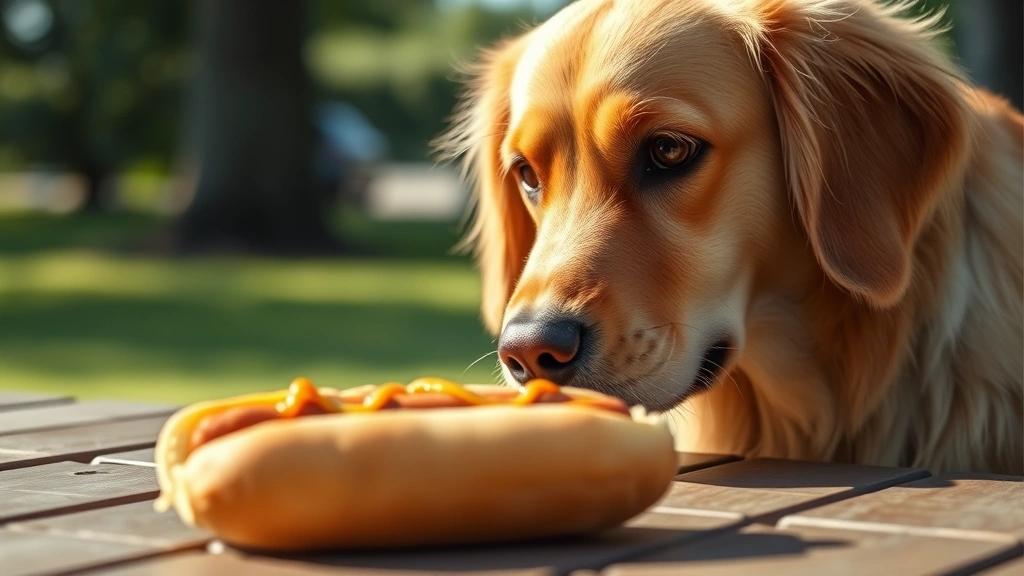
A glizzy hot dog might be a beloved street food for humans, but when it comes to your furry friends, you need to pump the brakes and get educated before sharing your lunch with your pup. Whether you’re at a backyard barbecue or grabbing a quick bite at a food truck, the temptation to slip your dog a piece of that delicious hot dog is real—but the risks? Even more real. This guide breaks down everything pet owners need to know about hot dogs, safety concerns, and smarter alternatives for treating your four-legged companion.
Table of Contents
- What Exactly Is a Glizzy Hot Dog?
- Why Hot Dogs Are Risky for Your Pup
- Choking Hazards and Intestinal Blockages
- Additives and Preservatives in Processed Meats
- Sodium Content and Heart Health
- Safer Alternatives to Satisfy Your Dog’s Cravings
- Understanding Proper Portion Sizes for Human Food
- Special Considerations for Different Dog Sizes and Ages
- What to Do If Your Dog Ate a Hot Dog
- Training Tips to Prevent Food Begging
- The Connection Between Human Food and Pet Health Issues
- Recognizing Signs of Food Poisoning or Blockage
- Creating a Dog-Safe BBQ and Party Strategy
- Nutritional Needs vs. Junk Food Temptation
- Understanding Breed-Specific Vulnerabilities
- Frequently Asked Questions
- Conclusion: Protecting Your Pup from Processed Meat Dangers
What Exactly Is a Glizzy Hot Dog?
For those not in the loop, a glizzy hot dog is basically a regular hot dog, but the term became popularized through internet culture and meme trends. It’s still just processed meat in a bun, though some versions get dressed up with extra toppings, condiments, and creative preparations. The core ingredient remains the same: a processed sausage made from meat byproducts, sodium nitrates, and various additives. While humans can enjoy these guilty pleasures without much thought, your dog’s digestive system tells a completely different story.
Why Hot Dogs Are Risky for Your Pup
Hot dogs might seem harmless, but they’re packed with ingredients that can cause serious problems for dogs. The main culprits include excessive sodium, unhealthy fats, and preservatives like sodium nitrate. A single hot dog can contain 300-500mg of sodium—that’s roughly 20-30% of a small dog’s daily sodium limit. Too much salt leads to increased thirst, urination, and in severe cases, sodium ion poisoning. Additionally, the high fat content can trigger pancreatitis, an inflammation of the pancreas that requires emergency veterinary care. The processed nature of hot dogs means they lack nutritional value while delivering maximum risk.
Choking Hazards and Intestinal Blockages
Beyond the nutritional issues, hot dogs present a serious physical danger. Their cylindrical shape and rubbery texture make them a prime choking hazard, especially for enthusiastic eaters or dogs with a habit of swallowing without proper chewing. If your dog does manage to swallow a large chunk, you’re looking at potential intestinal blockage—a life-threatening emergency requiring surgery. The casing of processed hot dogs is particularly problematic because it doesn’t break down easily in the digestive system. Veterinarians consistently warn against giving whole or large pieces of hot dogs to pets, and for good reason.
Additives and Preservatives in Processed Meats
The ingredient list on a package of hot dogs reads like a chemistry experiment. Sodium nitrite, a preservative used to give hot dogs their characteristic color and prevent bacterial growth, is concerning in large quantities. While the FDA considers it safe for human consumption in regulated amounts, dogs metabolize these chemicals differently. Some studies suggest that excessive consumption of processed meats with nitrates may increase cancer risk over time. Additionally, many commercial hot dogs contain garlic and onion powder—ingredients that are toxic to dogs and can damage their red blood cells. Always check the label, but honestly, it’s safer to skip them entirely.
Sodium Content and Heart Health
Dogs require far less sodium than humans do. While humans need about 500mg daily, most dogs only need 100-200mg. A single hot dog exceeds this recommendation significantly. Excessive sodium intake can lead to hypertension, kidney disease, and heart problems, particularly in senior dogs or those with pre-existing health conditions. Dogs with heart disease, kidney issues, or diabetes should absolutely never consume hot dogs. Even healthy dogs eating hot dogs regularly can develop long-term cardiovascular problems. The salt content is one of the most underestimated dangers that pet owners overlook when sharing their food.
Safer Alternatives to Satisfy Your Dog’s Cravings
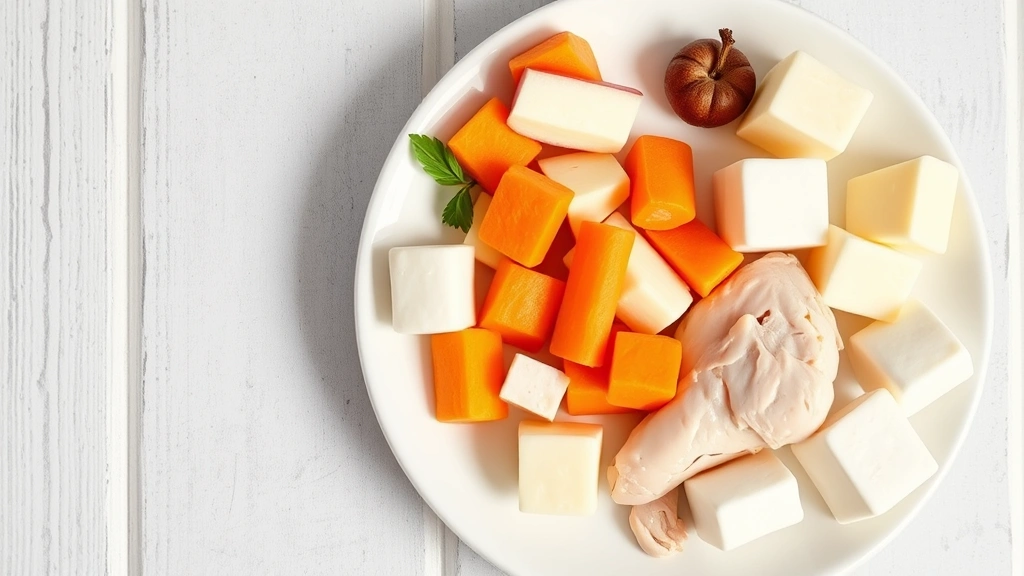
Just because hot dogs are off the menu doesn’t mean your pup has to miss out on treats. There are plenty of delicious, safe alternatives that won’t send you rushing to the emergency vet. Plain, cooked chicken breast is an excellent protein source—just skip the seasoning and skin. Lean ground turkey, cooked and unseasoned, provides similar satisfaction without the processed junk. For something more exciting, try freezing plain Greek yogurt or peanut butter (xylitol-free!) in ice cube trays. Carrots, apples, and watermelon make refreshing treats that clean teeth and provide hydration. When exploring human foods for picky eaters, stick to whole, unprocessed options that mirror what dogs would naturally eat in the wild.
Understanding Proper Portion Sizes for Human Food
If you do decide to share human food with your dog, understanding proper portions is crucial. The general rule is that treats should comprise no more than 10% of your dog’s daily caloric intake, with the remaining 90% coming from balanced commercial dog food. For a 50-pound dog eating 1,000 calories daily, that means only 100 calories should come from treats. A single hot dog contains roughly 150-300 calories depending on the brand, which already exceeds the daily treat allowance for many dogs. Learning about human food portion sizes for pets helps prevent obesity and nutritional imbalances that develop when owners regularly share their meals.
Special Considerations for Different Dog Sizes and Ages
A hot dog poses different risks depending on your dog’s size, age, and health status. Toy breeds and puppies face higher choking risks due to their smaller airways and less developed chewing abilities. Senior dogs with dental issues can’t properly chew and break down tough foods like hot dog casings. Dogs with pancreatitis history, obesity, or digestive sensitivities absolutely cannot handle the fat and sodium content. Pregnant or nursing dogs have increased nutritional needs that won’t be met by processed junk food. Large breed puppies require carefully balanced calcium and phosphorus ratios for proper bone development—hot dogs throw this balance completely off. Understanding your individual dog’s needs is essential before sharing any human food.
What to Do If Your Dog Ate a Hot Dog
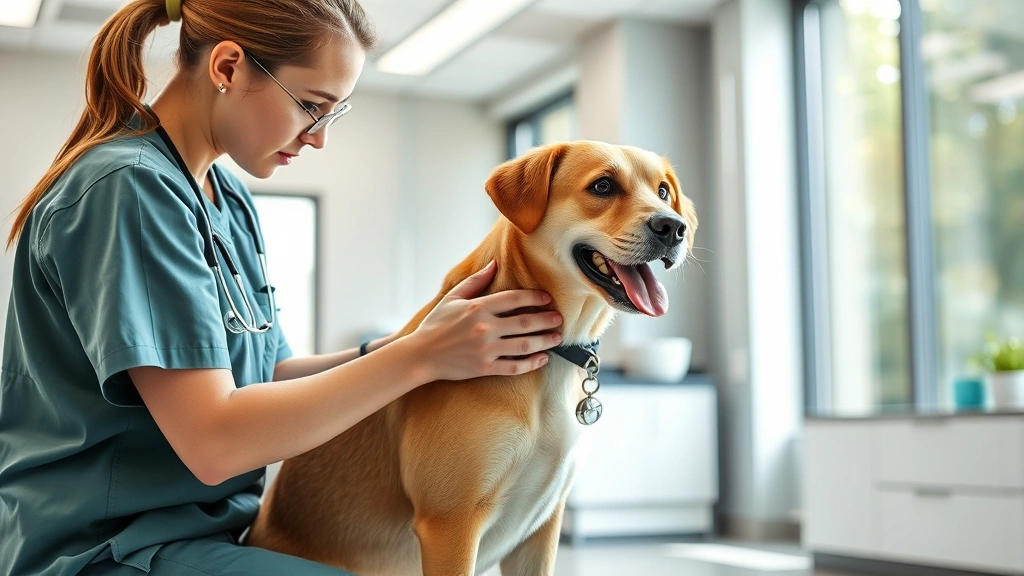
If your dog managed to snag a hot dog before you could stop them, don’t panic—one incident likely won’t cause permanent damage. Monitor them closely for the next 24-48 hours, watching for vomiting, diarrhea, lethargy, or difficulty breathing. If your dog is a small breed and swallowed the hot dog whole, contact your veterinarian immediately about blockage risks. If they ate multiple hot dogs or have pre-existing health conditions, call your vet regardless. Keep an eye on water intake and bathroom habits, as excessive sodium can cause dehydration. In most cases, a healthy adult dog will process and eliminate one hot dog without serious consequences, though it’s still not recommended behavior to repeat.
Training Tips to Prevent Food Begging
The best approach is prevention through consistent training. Teach a solid “leave it” command that works even when tempting human food is present. Never feed your dog from the table or while you’re eating—this creates expectations and encourages begging. Use a designated treat area or crate during family meals so your dog isn’t hovering around hoping for scraps. Redirect food-focused behavior toward appropriate toys and chews. Be consistent across all family members; if one person sneaks hot dogs while another enforces the rule, your dog will quickly learn to exploit that inconsistency. Positive reinforcement works better than punishment—reward your dog for ignoring your food rather than scolding them for showing interest.
The Connection Between Human Food and Pet Health Issues
Regular consumption of human foods like hot dogs contributes to preventable health problems that shorten lifespans and reduce quality of life. Obesity, diabetes, pancreatitis, and kidney disease are all exacerbated by processed food consumption. Veterinary bills for treating these conditions often exceed thousands of dollars and cause your dog unnecessary suffering. The connection between diet and health is undeniable; dogs fed primarily commercial dog food with occasional whole-food treats live longer, healthier lives than those eating significant amounts of human junk food. When you understand the true cost of sharing your hot dog, it becomes easier to choose your dog’s health over momentary happiness.
Recognizing Signs of Food Poisoning or Blockage
Knowing what to watch for can mean the difference between catching a problem early and facing an emergency. Signs of food poisoning include persistent vomiting, diarrhea lasting more than a few hours, abdominal pain (manifested as hunching or reluctance to move), fever, and lethargy. Blockage symptoms include repeated vomiting, inability to defecate, abdominal distension, loss of appetite, and extreme lethargy. If your dog shows any of these signs after eating a hot dog, seek veterinary care immediately. Don’t wait to see if symptoms improve on their own. Emergency blockage surgery can cost $2,000-$5,000 and requires hospitalization. Prevention through proper diet is infinitely cheaper and less traumatic than dealing with emergencies.
Creating a Dog-Safe BBQ and Party Strategy
Summer barbecues and parties are prime opportunities for dogs to score forbidden foods. Create a safe space for your dog away from the food prep and eating areas—a quiet room or crate with water and appropriate toys. Brief guests beforehand about your no-human-food policy; many people don’t realize how dangerous hot dogs are for dogs and will happily sneak them food if not told otherwise. Have dog-appropriate treats ready to offer when guests want to interact with your pup. Keep hot dogs and other processed meats on high shelves away from counter-surfing dogs. If you’re attending someone else’s event, bring your own dog treats and supervise your pup closely. Planning ahead prevents the stress and veterinary bills that result from preventable food incidents. For additional guidance, check out our article on chicken wing, chicken wing, hot dog and baloney which covers multiple processed meat concerns.
Nutritional Needs vs. Junk Food Temptation
Dogs require specific nutrients in appropriate ratios: high-quality protein, healthy fats, carbohydrates, vitamins, and minerals. Commercial dog foods are formulated to meet AAFCO standards ensuring complete nutrition. Hot dogs provide none of this balance—they’re just salt, fat, and processed meat. When you give your dog a hot dog, you’re replacing a portion of their balanced diet with nutritionally empty calories. Over time, this leads to deficiencies and imbalances that manifest as dull coat, low energy, digestive issues, and weakened immune function. Your dog’s body can only work with the fuel you provide. Choosing whole, nutrient-dense foods for treats ensures your dog gets actual health benefits rather than empty calories.
Understanding Breed-Specific Vulnerabilities
Certain breeds face higher risks from foods like hot dogs. Pugs, Bulldogs, and other brachycephalic (flat-faced) breeds have compromised airways and are at extreme choking risk. Large breeds like Great Danes and German Shepherds are prone to bloat, a life-threatening condition where the stomach fills with gas—high-fat foods like hot dogs increase this risk. Dachshunds are prone to pancreatitis and back problems exacerbated by obesity from treats. Small breeds like Chihuahuas can choke on pieces larger than a pea. Golden Retrievers and Labs have genetic predispositions toward obesity and cancer, both worsened by processed meat consumption. Understanding your breed’s specific vulnerabilities helps you make informed decisions about what foods are safe to share.
Frequently Asked Questions
Can dogs eat hot dogs at all?
Technically, a very small piece of plain, unseasoned hot dog won’t kill most healthy dogs, but it’s not recommended. The risks far outweigh any benefits. If you absolutely must give your dog a taste, cut it into tiny pieces and offer only occasionally—not regularly. Better options exist that provide actual nutritional value.
What about hot dogs specifically made for dogs?
Some companies sell “dog-friendly” hot dogs with reduced sodium and no harmful additives. These are significantly better than regular hot dogs, though they’re still processed meat and should only be occasional treats. Read labels carefully and ensure they don’t contain garlic, onion, or xylitol. Even dog-specific versions shouldn’t be daily treats.
Is the bun safe if the hot dog isn’t?
Plain bread buns are generally safe in small quantities, though they provide no nutritional benefit and add unnecessary calories. Avoid buns with seeds, garlic, onion, or excessive sugar. If your dog ate a hot dog with bun, the bun is the least of your concerns—focus on monitoring for sodium-related issues.
What if my dog has already eaten multiple hot dogs?
Contact your veterinarian immediately, especially if this happened recently. Multiple hot dogs increase choking and blockage risks significantly. Your vet may recommend monitoring, induced vomiting, or imaging to rule out blockage depending on your dog’s size and what they ate.
Are there any hot dog toppings that are safe for dogs?
Plain mustard in tiny amounts is generally safe, though unnecessary. Ketchup contains sugar and additives—skip it. Relish often contains garlic and onion—absolutely avoid. Sauerkraut is safe in moderation. Cheese is safe but high in fat. The safest approach is serving plain hot dog with nothing, but honestly, skip the hot dog entirely and offer better treats.
How can I tell if my dog is experiencing sodium poisoning?
Early signs include excessive thirst and urination. As it progresses, watch for vomiting, diarrhea, tremors, seizures, and lethargy. Severe sodium poisoning can cause brain swelling and death. If you suspect sodium poisoning after your dog ate multiple salty foods, seek emergency veterinary care immediately.
What’s the difference between regular hot dogs and glizzy hot dogs?
Functionally, there’s no real difference—both are processed meat products with similar nutritional profiles and risks. “Glizzy” is slang that became popular through internet culture, but the underlying product remains the same processed sausage. The risks apply equally regardless of what you call it.
Conclusion: Protecting Your Pup from Processed Meat Dangers
A glizzy hot dog might be delicious for humans, but it’s a poor choice for your canine companion. The excessive sodium, unhealthy fats, choking hazards, and processed additives create unnecessary risks that no momentary enjoyment is worth. Your dog doesn’t crave hot dogs because they need them—they want them because they smell interesting and you’re eating them. Redirecting that desire toward healthier alternatives strengthens your bond while protecting their health. Plain cooked chicken, safe fruits and vegetables, and commercial dog treats formulated for nutritional balance keep your pup happy without the risks. Remember that every food choice impacts your dog’s lifespan and quality of life. Choose whole foods, appropriate portions, and consistent training to prevent begging. Your dog depends on you to make informed decisions about their health, and skipping the hot dogs is one of the easiest ways to prove you’re taking that responsibility seriously. When guests offer your pup food at parties, confidently decline and offer a healthy alternative instead. Your veterinarian will thank you, your dog will live longer, and your wallet will feel the savings from avoided emergency visits. Make the right choice—leave the glizzy hot dogs for yourself and keep your best friend healthy.
For more information on other processed meats and pet safety, explore our guide on alcohol and pets to understand other common dangers at social gatherings.





