
Finding good apartment dogs doesn’t mean you have to sacrifice having a furry best friend. Sure, your place might be smaller than a shoebox, but plenty of dog breeds actually thrive in compact living situations. The key is understanding which pups are naturally chill, don’t need a backyard the size of Texas, and won’t drive your neighbors crazy with constant barking.
Table of Contents
- Why Apartment Living Requires the Right Dog Breed
- Small Breed Good Apartment Dogs: The Lap Dog Category
- Medium-Sized Good Apartment Dogs That Won’t Wreck Your Deposit
- The Importance of Energy Levels in Apartment Settings
- Barking Tendencies: Keeping Your Neighbors Happy
- Training and Socialization for Apartment Success
- Exercise Needs and Daily Routines
- Space Considerations and Setup
- Health Considerations for Apartment Dogs
- Nutrition and Feeding in Apartment Living
- Beyond the Top 10: Other Apartment-Friendly Breeds
- Frequently Asked Questions
- Final Thoughts: Your Perfect Apartment Companion Awaits
Why Apartment Living Requires the Right Dog Breed
Not all dogs are created equal when it comes to apartment life. Some breeds were literally bred to run across massive estates hunting game, while others were perfectly happy chilling on a lady’s lap in a Victorian parlor. The difference between a great apartment dog and a nightmare tenant comes down to energy levels, temperament, and how much they bark. You want a pup that’s content with daily walks and indoor playtime, not one that needs three hours of exercise or has separation anxiety that would make a toddler jealous.
Small Breed Good Apartment Dogs: The Lap Dog Category
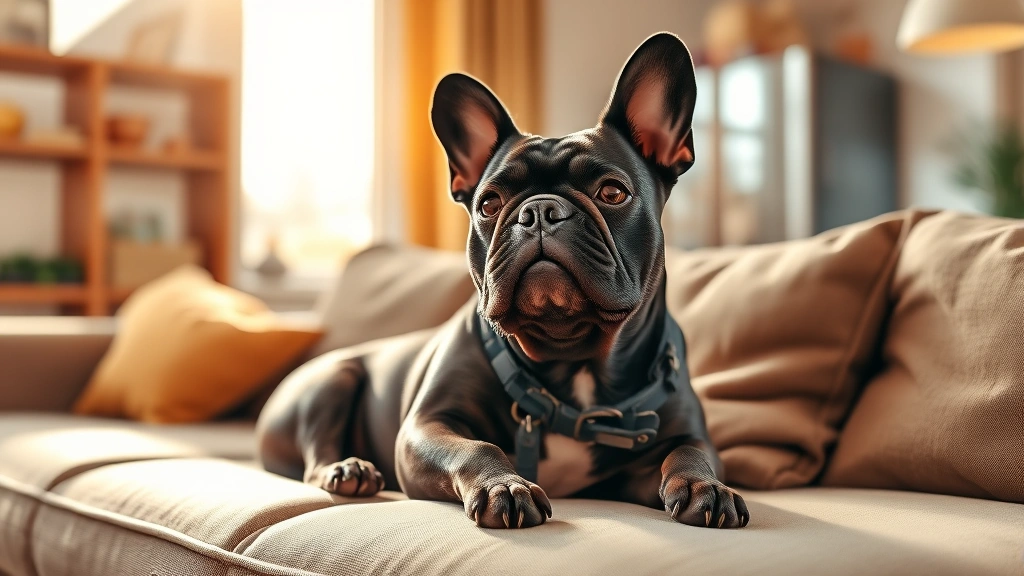
Let’s start with the obvious choice: small breeds. French Bulldogs are basically the poster children for apartment living. These wrinkly little goofballs have moderate energy, love lounging around, and their exercise needs can be met with a couple of walks around the block. Pugs are equally chill and have the added bonus of being hilarious little comedians. Cavalier King Charles Spaniels are sweet, gentle, and genuinely want nothing more than to cuddle with you while you watch Netflix.
Boston Terriers pack personality into a tiny package and adapt well to small spaces. Shih Tzus and Maltese dogs are bred for companionship and don’t require massive amounts of exercise. If you’re looking for something slightly larger but still apartment-friendly, consider a Pug mix or a Chug Dog, which combines the best traits of Chihuahuas and Pugs for an adorable, low-energy companion.
Medium-Sized Good Apartment Dogs That Won’t Wreck Your Deposit
Medium breeds can absolutely work in apartments if you choose wisely. Beagles are small to medium and generally adaptable, though they can be stubborn little escape artists. Cocker Spaniels are intelligent, affectionate, and respond well to training. The trick with medium-sized apartment dogs is ensuring they get enough mental stimulation to prevent destructive behavior.
Bulldogs (the English variety) are surprisingly perfect for apartments despite their size. They’re lazy, low-energy, and perfectly happy to spend their day napping. Basset Hounds have similar vibes—they’re content to lounge around and only occasionally remember they have four legs. These breeds understand the apartment lifestyle better than some humans do.
The Importance of Energy Levels in Apartment Settings
Energy level is absolutely crucial when selecting good apartment dogs. High-energy breeds like Border Collies, Australian Shepherds, and Siberian Huskies will go absolutely bonkers in an apartment without access to a yard. They need jobs, activities, and constant mental stimulation. If you’re in an apartment and considering these breeds, you better be prepared for multiple daily walks, training sessions, and possibly hiring a dog walker.
Low to moderate energy breeds are your sweet spot. These pups are satisfied with a couple of walks daily and some interactive play. They don’t have the constant need to be doing something, and they’re generally quieter neighbors. When evaluating breed energy levels, check resources like the American Kennel Club for accurate breed temperament information.
Barking Tendencies: Keeping Your Neighbors Happy
Your neighbors will thank you for choosing a breed that isn’t prone to excessive barking. Some breeds are naturally vocal—Chihuahuas, for instance, bark at literally everything including their own shadow. Terriers were bred to bark and alert, so they tend to be chatty. Good apartment dogs should be relatively quiet unless there’s a legitimate reason to alert you.
Breeds like Greyhounds and Whippets are surprisingly quiet despite being athletic. French Bulldogs rarely bark excessively. Shih Tzus and Maltese dogs might yap occasionally, but they’re generally manageable. Training and socialization can help any breed reduce excessive barking, but starting with a naturally quieter breed makes apartment life infinitely easier.
Training and Socialization for Apartment Success
Even the best apartment dog breed needs proper training and socialization. Apartment living means your dog will encounter neighbors, other dogs, and various sounds and situations. A well-trained, socialized pup handles these scenarios gracefully, while an untrained one becomes a nightmare.
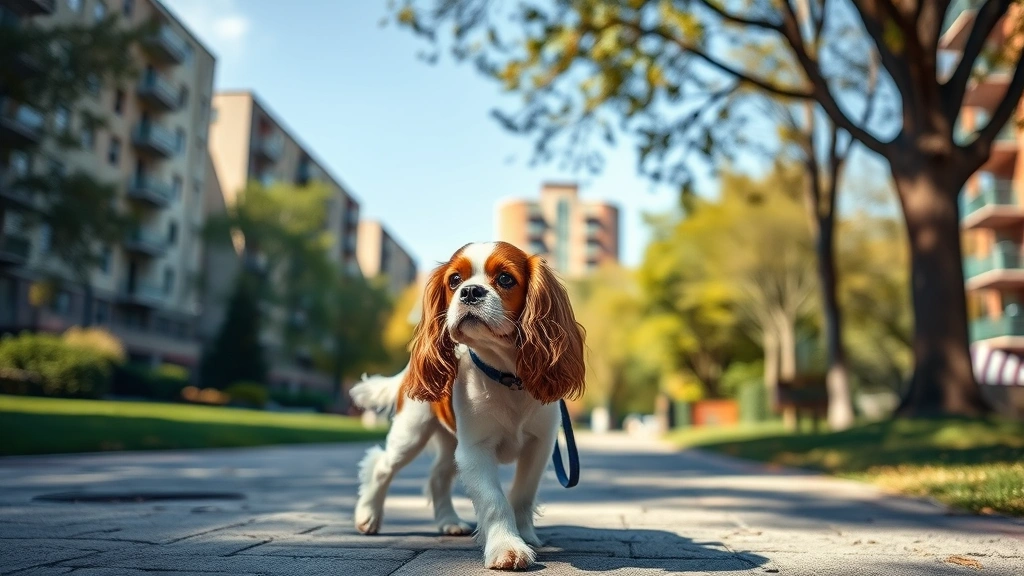
Start with basic obedience training—sit, stay, come, and leave it are essential commands for apartment dwellers. Crate training is invaluable for managing your dog when you’re away or when guests arrive. Socialization should begin early and continue throughout your dog’s life. Expose them to different people, environments, and experiences so they become confident, well-adjusted companions.
Exercise Needs and Daily Routines
Good apartment dogs don’t need a backyard, but they absolutely need daily exercise. The amount varies by breed, but most apartment-suitable dogs are satisfied with 30-60 minutes of activity daily. This could be a combination of walks, playtime, and mental stimulation through puzzle toys or training sessions.
The beauty of apartment living is that you’re forced to be consistent with exercise routines. You can’t just open the back door and hope they burn energy—you’re taking them out, which means regular walks become part of your daily rhythm. Many apartment dwellers actually find their dogs healthier and more well-behaved because of this structured routine.
Space Considerations and Setup
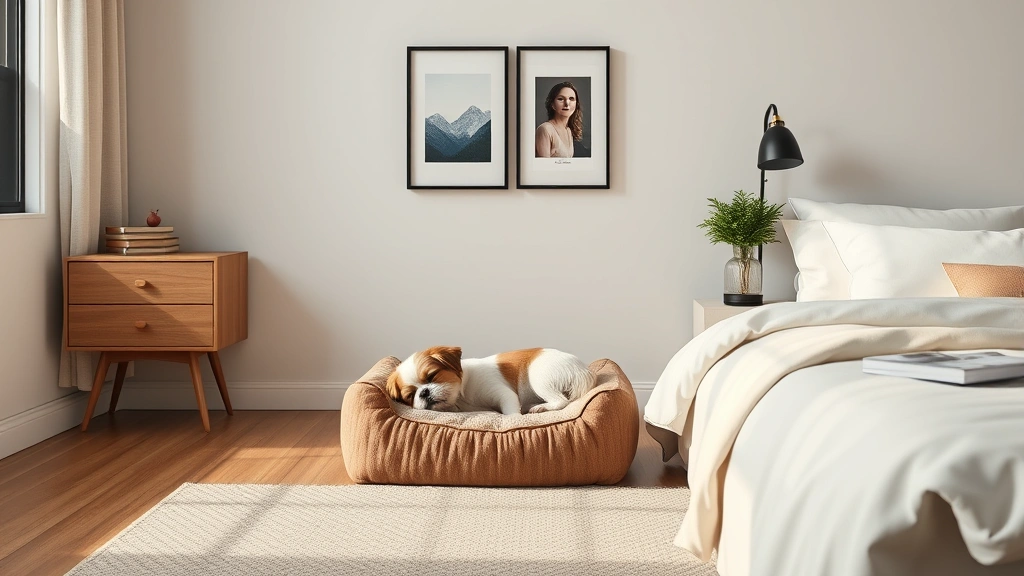
Your apartment size matters, but it’s less about square footage and more about how you use the space. A 500-square-foot apartment with a dog bed, toys, and regular outdoor time is better than a 2,000-square-foot place where the dog is ignored. Create a designated space for your dog—a crate, bed, or corner where they feel secure. Use vertical space with cat trees or elevated beds if you have a smaller pup.
Apartment living requires some planning. Make sure you have easy access to outside for potty breaks. Consider proximity to parks or walking trails. If you’re on a higher floor, factor in the time it takes to get your dog outside quickly during emergencies. These practical considerations matter more than the actual apartment dimensions.
Health Considerations for Apartment Dogs
Some breeds have specific health concerns that make apartment living more manageable. Brachycephalic breeds (flat-faced dogs like Bulldogs and Pugs) struggle with heat and exercise, making them naturally suited to indoor, climate-controlled environments. This isn’t a drawback—it’s actually a perfect match for apartment living.
However, be aware of breed-specific health issues. Cavalier King Charles Spaniels can have heart problems. Dachshunds are prone to back issues. Understanding your chosen breed’s health predispositions helps you provide appropriate care. Regular veterinary check-ups are essential, and you should consult resources like PetMD for breed-specific health information.
Nutrition and Feeding in Apartment Living
Apartment dogs eat the same quality diet as any other dog, but storage might be tighter. Dry kibble takes up less space than raw or fresh diets. Consider your dog’s specific nutritional needs—some apartment-friendly breeds benefit from anti-inflammatory foods for pets to support joint health, especially if they’re less active than larger breed dogs.
If your dog is a picky eater, check out options for human foods for picky eaters that can supplement their diet. For dogs with sensitive stomachs common in smaller breeds, human foods for pets with sensitive stomachs can provide variety while maintaining digestive health.
Beyond the Top 10: Other Apartment-Friendly Breeds
While we’ve covered popular choices, other breeds deserve consideration. The Colorado Mountain Dog might seem large, but some smaller individuals can adapt to apartment life if properly exercised. The Catahoula Leopard Dog Personality profile shows they’re adaptable despite being medium-sized, though they need consistent exercise and mental stimulation.
Whippets are athletic but surprisingly apartment-friendly because they’re calm indoors. Greyhounds, despite being racing dogs, are couch potatoes that thrive in apartments. Poodles (all sizes) are intelligent and adaptable to various living situations. The key is matching the individual dog’s temperament to your lifestyle, not just breed stereotypes.
Frequently Asked Questions
What’s the best apartment dog for first-time owners?
French Bulldogs or Cavalier King Charles Spaniels are excellent choices for first-time apartment dwellers. They’re forgiving, adaptable, and don’t require extensive training experience. Their moderate energy levels and gentle temperaments make them ideal for people learning to navigate dog ownership in a compact space.
Can large breeds ever be good apartment dogs?
Absolutely! Some large breeds like Greyhounds, Mastiffs, and Bulldogs are surprisingly apartment-friendly because they have low to moderate energy levels. They’re content lounging around and don’t require massive yards. The key is energy level and temperament, not size. A calm, large breed often makes a better apartment dog than a hyperactive small breed.
How do I manage potty breaks in a high-rise apartment?
Establish a consistent schedule and be prepared to make frequent trips outside, especially during the puppy stage. Some people use puppy pads as a temporary solution, though this can confuse housetraining. The best approach is committing to regular outdoor breaks. Many apartment dwellers find this routine actually strengthens their bond with their dog.
Will my dog get enough exercise in an apartment?
Yes, if you commit to daily walks and playtime. Most apartment-suitable breeds don’t need hours of exercise—30-60 minutes daily is sufficient. Supplement outdoor walks with indoor play, training sessions, and puzzle toys to provide mental stimulation. A tired dog is a well-behaved dog, regardless of living situation.
What breed characteristics matter most for apartments?
Focus on low to moderate energy levels, quiet temperament, adaptability, and trainability. Avoid breeds with high prey drives, excessive barking tendencies, or extreme exercise requirements. Consider the dog’s size relative to your space, but remember that a calm large breed often works better than a hyperactive small one.
Should I get a puppy or an adult dog for apartment living?
Adult dogs or adolescents often make better apartment companions than puppies. They’re past the destructive chewing phase, typically housetrained, and their personality is established. Puppies require constant supervision, frequent potty breaks, and extensive training. If you’re new to apartment living with dogs, consider adopting an adult dog from a shelter.
Final Thoughts: Your Perfect Apartment Companion Awaits
Finding good apartment dogs is absolutely achievable. Whether you choose a tiny Maltese, a sturdy Bulldog, or a calm Greyhound, the most important factors are matching the dog’s energy level and temperament to your lifestyle. Apartment living doesn’t mean sacrificing the joy of dog ownership—it means being intentional about breed selection and committing to proper training, socialization, and daily exercise.
The best apartment dog is one that fits your schedule, energy level, and living situation. Take time to research breeds, meet individual dogs, and honestly assess what you can provide. A well-matched dog will thrive in your apartment, becoming the perfect companion for city living. Your future furry friend is out there waiting to prove that apartments and dogs are a match made in heaven.





