
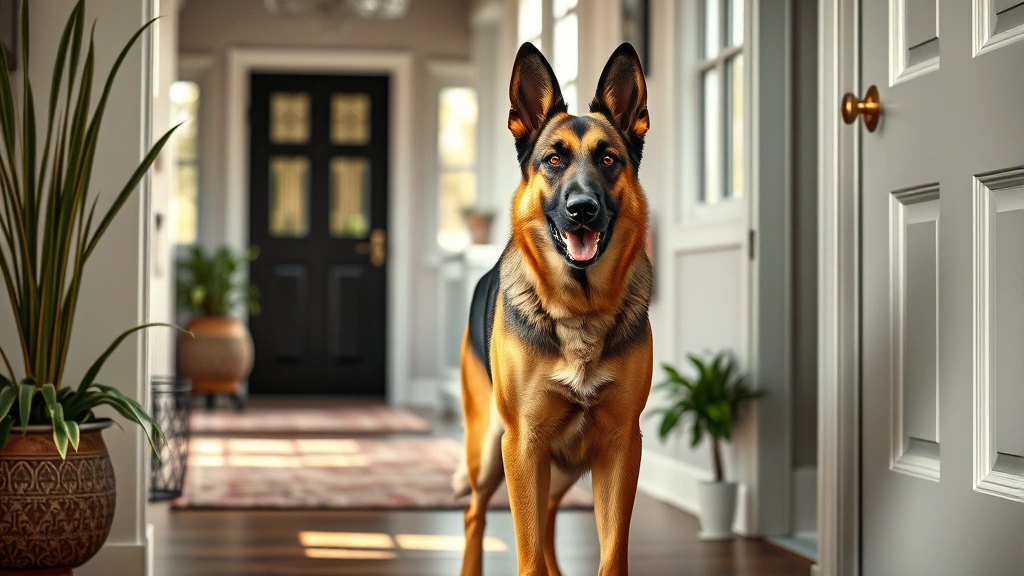
A good security dog isn’t just a pet—it’s a four-legged alarm system with unconditional loyalty and a bark that actually means something. If you’re thinking about bringing home a canine guardian, you’ve got questions: Which breeds are naturally protective? How do you train them? Will they destroy your couch? Let’s dig into everything you need to know about finding the perfect security dog for your home.
Table of Contents
- What Makes a Good Security Dog, Anyway?
- German Shepherd: The Gold Standard
- Doberman Pinscher: Sleek and Serious
- Rottweiler: Misunderstood Guardians
- Boxer: Athletic and Alert
- Colorado Mountain Dog: The Underrated Protector
- Training Your Good Security Dog: The Foundation
- Socialization and Temperament: The Balance
- Health Considerations for Large Protective Breeds
- Space and Exercise Requirements
- Cost of Owning a Security Dog
- Frequently Asked Questions
- Conclusion: Finding Your Perfect Protector
What Makes a Good Security Dog, Anyway?
Not every dog can be a good security dog. Some breeds are just too friendly—they’d probably help a burglar carry your TV to the car. A legitimate security dog needs a combination of traits: intelligence, loyalty, natural protective instincts, and the physical presence to back up their bark. They should be trainable, confident without being aggressive, and able to distinguish between a friendly neighbor and an actual threat.
The best security dogs are breeds that have been developed over centuries for protection work. They’ve got it in their DNA. But here’s the thing—a good security dog also needs a responsible owner who understands the breed and commits to proper training and socialization.
German Shepherd: The Gold Standard
If there’s a Mount Rushmore of security dogs, the German Shepherd is front and center. These dogs are incredibly intelligent, loyal, and have natural protective instincts that don’t require much coaxing. They’re used by police departments and military units worldwide for a reason.
German Shepherds are large (55-90 pounds), athletic, and imposing. Their bark alone is often enough to deter most intruders. They’re eager to please their owners, making them relatively easy to train. The downside? They need significant exercise and mental stimulation. A bored German Shepherd can develop behavioral issues. They also shed like they’re personally trying to insulate your entire house.
If you’re considering a German Shepherd as a good security dog, make sure you have time for daily exercise and training. These aren’t couch potatoes.
Doberman Pinscher: Sleek and Serious
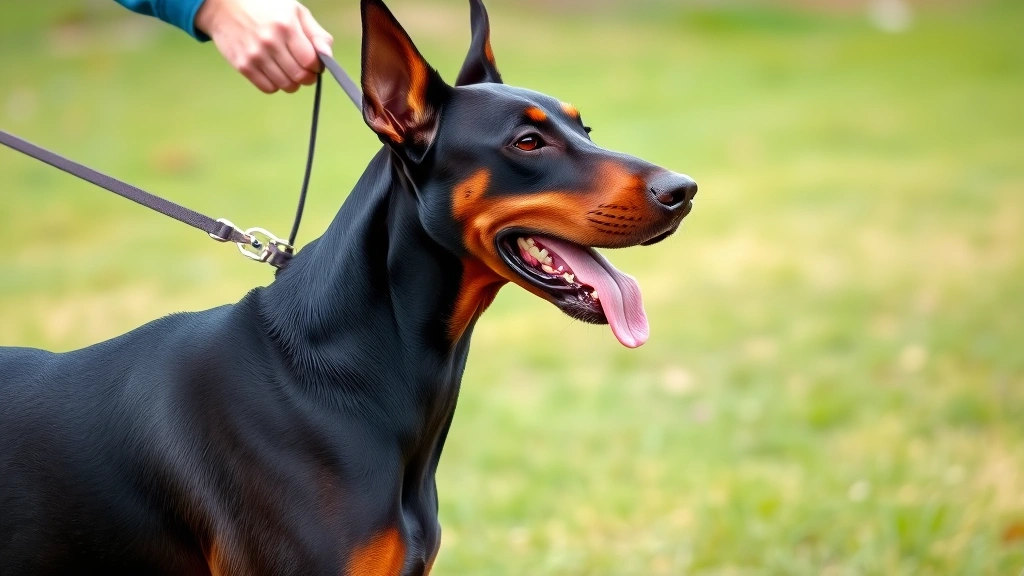
Don’t let the fancy name fool you—Dobermans are serious business. These muscular, elegant dogs are naturally alert and protective of their families. They’re incredibly intelligent and bond deeply with their owners, which makes them fiercely loyal protectors.
Dobermans are smaller than German Shepherds (60-80 pounds) but pack an intimidating presence. They have short coats, so grooming is minimal. Their main drawback? They can be stubborn and require an experienced handler. They also don’t do well being left alone for long periods—they’re velcro dogs that want to be near their people.
A Doberman makes an excellent good security dog for someone who wants a sleek, athletic protector and has the time to engage with them regularly.
Rottweiler: Misunderstood Guardians
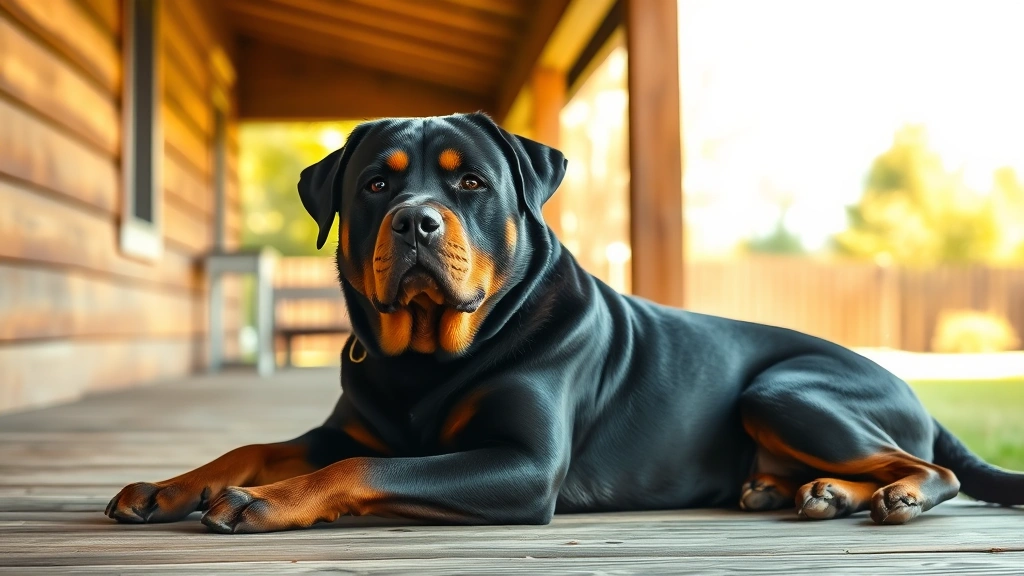
Rottweilers get a bad rap, but they’re actually gentle giants with families they know and trust. Their reputation comes from irresponsible owners and media sensationalism, not from the breed itself. A properly trained Rottweiler is one of the most loyal, protective dogs you can own.
These massive dogs (80-135 pounds) have a natural protective instinct and the physical presence to back it up. They’re intelligent, confident, and naturally suspicious of strangers—exactly what you want in a security dog. Rottweilers also have a lower prey drive than many other protective breeds, making them more predictable around smaller pets.
The catch? They absolutely need proper socialization and training. An untrained Rottweiler can become a liability. They also require experienced owners who understand how to manage their size and strength responsibly.
Boxer: Athletic and Alert
Boxers are often overlooked as security dogs because they’re so playful and goofy with their families. But don’t mistake their fun-loving nature for weakness. These athletic dogs (60-70 pounds) are naturally protective and have excellent instincts about who belongs in their space and who doesn’t.
What makes a Boxer a good security dog is their combination of athleticism, intelligence, and loyalty. They’re energetic and need regular exercise, which many owners appreciate. They’re also more adaptable than some heavier breeds and do well in various living situations, from apartments to houses with yards.
Boxers are great for active families who want a protective dog that’s also a fun companion. They’re not as intense as Dobermans or Rottweilers, which appeals to some owners.
Colorado Mountain Dog: The Underrated Protector
If you want a good security dog that’s a bit less mainstream, the Colorado Mountain Dog is worth considering. This relatively new breed was developed specifically for property protection in rural areas. They’re large (100+ pounds), intelligent, and have strong protective instincts without being aggressive.
Colorado Mountain Dogs are known for their calm temperament and ability to assess situations carefully. They’re not hair-trigger reactive—they evaluate threats and respond appropriately. This makes them excellent for families who want protection without the intensity of some other breeds.
These dogs need space and aren’t ideal for apartment living, but for rural properties and larger homes, they’re an excellent choice.
Training Your Good Security Dog: The Foundation
Having a good security dog is only half the battle. The other half is training. A poorly trained protective dog is dangerous and unpredictable. A well-trained one is an asset to your family and community.
Start with basic obedience. Your security dog needs to respond reliably to commands like sit, stay, come, and down. This establishes you as the leader and gives you control in any situation. Once basic obedience is solid, you can move into more advanced protection training if desired.
For training treats that will keep your dog motivated during sessions, consider training treats from human food. High-value rewards make a huge difference in how quickly your dog learns.
Socialization is equally important. Your security dog should be exposed to different people, environments, and situations so they can distinguish between normal activity and actual threats. A well-socialized dog is less likely to be reactive to every little thing.
Socialization and Temperament: The Balance
This is where many people mess up with security dogs. They think protection means aggression, so they isolate their dogs or encourage aggressive behavior. That’s a recipe for disaster.
A good security dog should be friendly with family and people you introduce them to, but naturally wary of strangers and threats. This comes from proper socialization combined with the dog’s natural instincts. You want a dog that’s confident enough to assess situations, not one that’s constantly in fight-or-flight mode.
Proper socialization during puppyhood is crucial. Expose your puppy to different people, sounds, environments, and experiences. This builds confidence and helps them develop good judgment about what’s actually threatening versus what’s just new and different.
Health Considerations for Large Protective Breeds
Large security dogs often face specific health challenges. Hip dysplasia, elbow dysplasia, and heart conditions are common in bigger breeds. Before getting a good security dog, research the breed’s health issues and find a reputable breeder who health-tests their parents.
Regular veterinary checkups are essential. Large dogs also benefit from joint support and proper nutrition. Consider anti-inflammatory foods for pets to support joint health as your dog ages.
Maintain a healthy weight—obesity in large dogs accelerates joint problems and other health issues. Feed high-quality food and monitor portions carefully.
Space and Exercise Requirements
Most good security dog breeds need significant space and exercise. A German Shepherd or Rottweiler in a tiny apartment without regular exercise is a ticking time bomb of behavioral problems. These dogs were bred to work, and they need outlets for their energy and intelligence.
Plan for at least an hour of exercise daily, more for younger dogs. This can include walks, running, playing fetch, or training sessions. Mental stimulation is just as important as physical exercise. Puzzle toys, training, and interactive play keep their minds engaged.
Cost of Owning a Security Dog
Let’s be real—a good security dog isn’t cheap. Initial costs include the dog itself ($500-$3,000+ depending on breed and source), veterinary exams, vaccinations, and initial training. If you hire a professional trainer, that’s another $2,000-$10,000+ depending on the level of training.
Ongoing costs include food (large dogs eat a lot), veterinary care, grooming, and preventive medications. You’re looking at $1,500-$3,000+ annually, sometimes more as the dog ages.
This isn’t a decision to make lightly. Make sure you’re financially prepared for the commitment.
Frequently Asked Questions
Can any dog be trained as a good security dog?
Not really. While any dog can be trained to some degree, certain breeds have natural protective instincts and the physical presence to be truly effective security dogs. Chihuahuas can alert you to intruders, but they won’t actually deter anyone. Breeds developed for protection work—like German Shepherds, Dobermans, and Rottweilers—are far more suitable.
Is a good security dog aggressive?
A well-trained security dog shouldn’t be indiscriminately aggressive. They should be confident, alert, and protective of their family and property, but not reactive to every little thing. Aggression is a sign of poor training or socialization, not a requirement for protection work.
How much training does a security dog need?
At minimum, basic obedience and socialization. If you want advanced protection training, that can take several months to a year with a professional trainer. The dog also needs ongoing reinforcement and practice throughout their life.
Are security dogs good with kids?
Many protective breeds are excellent with children when properly socialized and trained. German Shepherds, Rottweilers, and Boxers can be wonderful family dogs. However, any large dog around small children requires supervision. Teach children how to interact respectfully with dogs.
Can I train my own security dog?
You can handle basic obedience and socialization yourself. For advanced protection training, it’s worth hiring a professional, especially if you’ve never trained a dog before. A professional trainer ensures the dog is trained reliably and safely.
Conclusion: Finding Your Perfect Protector
A good security dog is a significant commitment, but for the right family, it’s incredibly rewarding. Whether you choose a German Shepherd, Doberman, Rottweiler, Boxer, or Colorado Mountain Dog, you’re getting a loyal companion that will protect your home and family.
The key is matching the right breed to your lifestyle, committing to proper training and socialization, and understanding that protection comes from confidence and good judgment, not aggression. Do your research, work with reputable breeders or rescues, and invest in professional training if needed.
Your good security dog will give you peace of mind and unconditional love. That’s worth the effort.





