
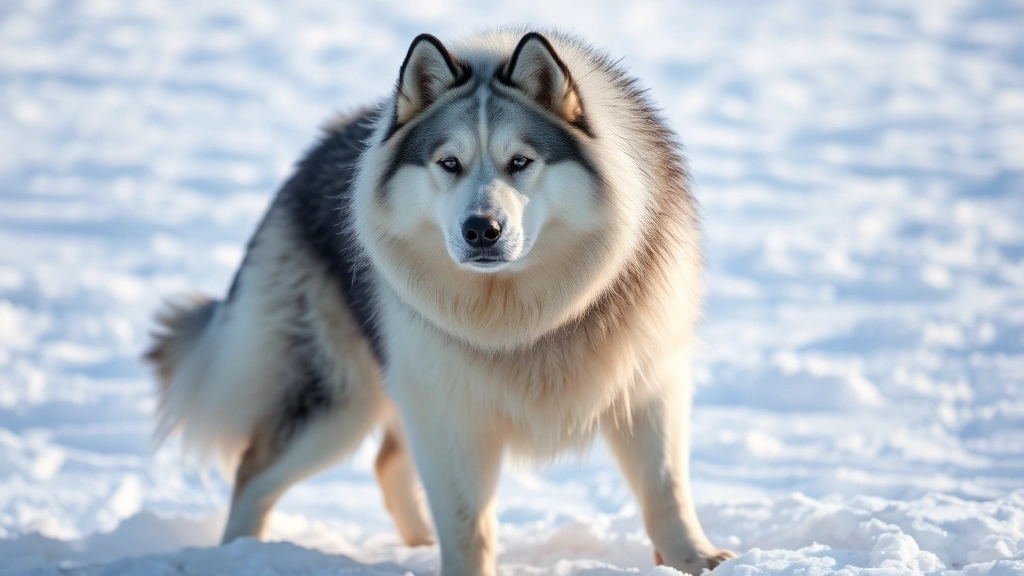
The Greenland dog is one of the most impressive and underrated Arctic working breeds you’ve probably never heard of—unless you’re into sled racing or extreme cold-weather adventures. These muscular, thick-coated powerhouses have been hauling heavy loads across frozen tundras for over a thousand years, and they’re not about to stop impressing us anytime soon.
Table of Contents
- What Exactly Is a Greenland Dog?
- History and Origins of the Greenland Sled Dog
- Physical Characteristics and Appearance
- Temperament: What’s It Really Like Living With One?
- Exercise Requirements and Arctic Working Heritage
- Grooming, Shedding, and Coat Care
- Health Considerations and Common Issues
- Nutrition and Dietary Needs
- Training: The Challenge and the Reward
- Is a Greenland Dog Right for You?
- Finding a Reputable Breeder
- Frequently Asked Questions
- Conclusion: The Ultimate Arctic Companion
What Exactly Is a Greenland Dog?
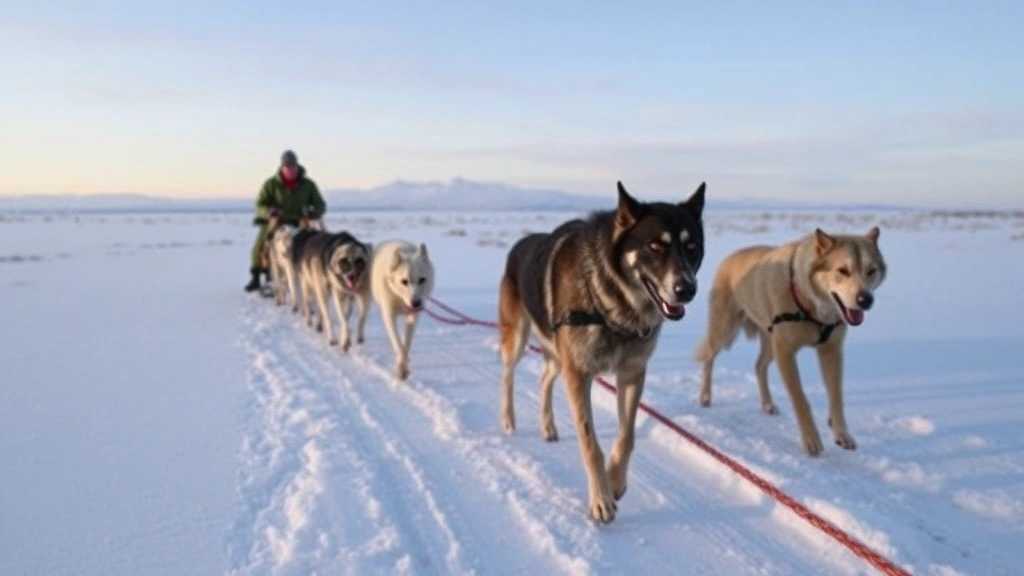
A Greenland dog is a large Arctic sled dog breed that originated in Greenland, where they’ve been essential to human survival since ancient times. These aren’t your typical lap dogs—they’re bred specifically for endurance, strength, and the ability to thrive in some of Earth’s harshest environments. Standing 20-27 inches tall and weighing 60-100 pounds, Greenland dogs are compact powerhouses with an incredibly thick double coat that sheds like you wouldn’t believe.
The breed is recognized by the Fédération Cynologique Internationale (FCI) and is deeply embedded in Greenlandic culture. Unlike many modern dog breeds, the Greenland dog has maintained its original working-dog characteristics for centuries, making it one of the most authentic Arctic breeds still in existence.

History and Origins of the Greenland Sled Dog
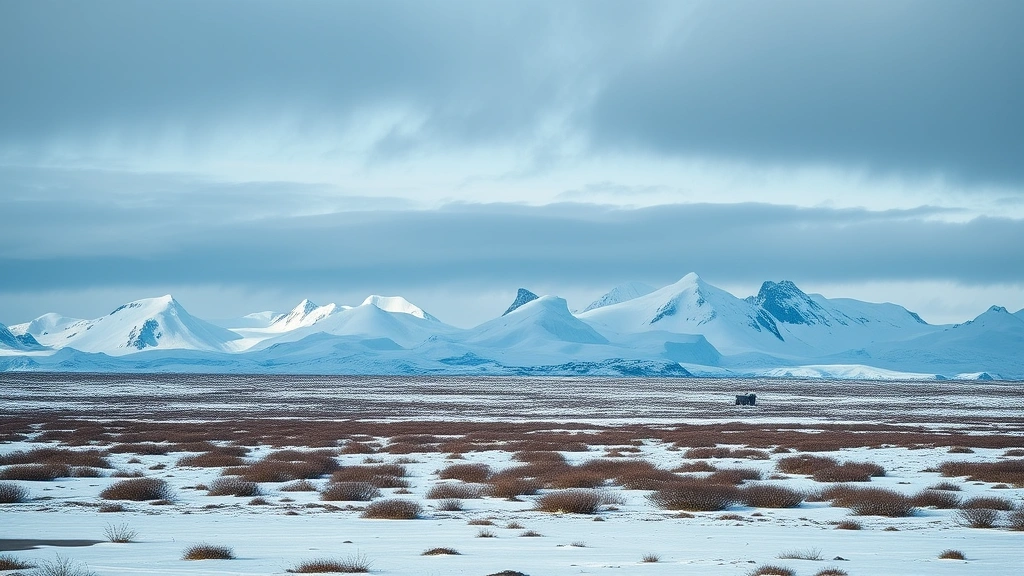
The history of the Greenland dog stretches back over 1,000 years, making them older than most dog breeds we know today. These dogs descended from Arctic wolves and were selectively bred by Inuit peoples to handle the brutal conditions of the Arctic. They weren’t bred for beauty—they were bred for survival and utility.
Greenland dogs became legendary during polar expeditions in the 19th and 20th centuries. Famous explorers like Fridtjof Nansen and Robert Peary relied on these incredible animals to reach the North Pole. The breed’s reputation for toughness, reliability, and unwavering determination made them the gold standard for Arctic exploration.

Physical Characteristics and Appearance
If you’ve never seen a Greenland dog in person, imagine a compact but heavily muscled tank with a head that looks like it could crack ice. These dogs have:
- Thick, double-layered coat in various colors including black, white, red, and brindle
- Powerful build with strong shoulders and hindquarters
- Medium-sized ears that stand erect
- Deep chest for maximum lung capacity
- Curled or plumed tail that typically curves over the back
Their coat is absolutely legendary—it’s so dense that water literally beads off it. This isn’t just for show; it’s essential insulation for surviving temperatures that would kill most dogs within hours. The undercoat is incredibly soft and dense, while the outer guard hairs are coarse and weather-resistant.
Temperament: What’s It Really Like Living With One?
Here’s where things get real: Greenland dogs are pack animals with strong prey drives and independent thinking. They’re not golden retrievers who live to please you. These dogs were bred to make decisions in life-or-death situations on frozen wastelands, so they come with a stubborn streak that would make a mule jealous.
That said, they’re incredibly loyal to their pack (that’s you and your family). They’re intelligent, alert, and genuinely affectionate once they bond with you. Many owners describe them as having a wonderful sense of humor and playful nature, especially with people they trust. They’re also generally good with children, though their size means supervision is necessary.
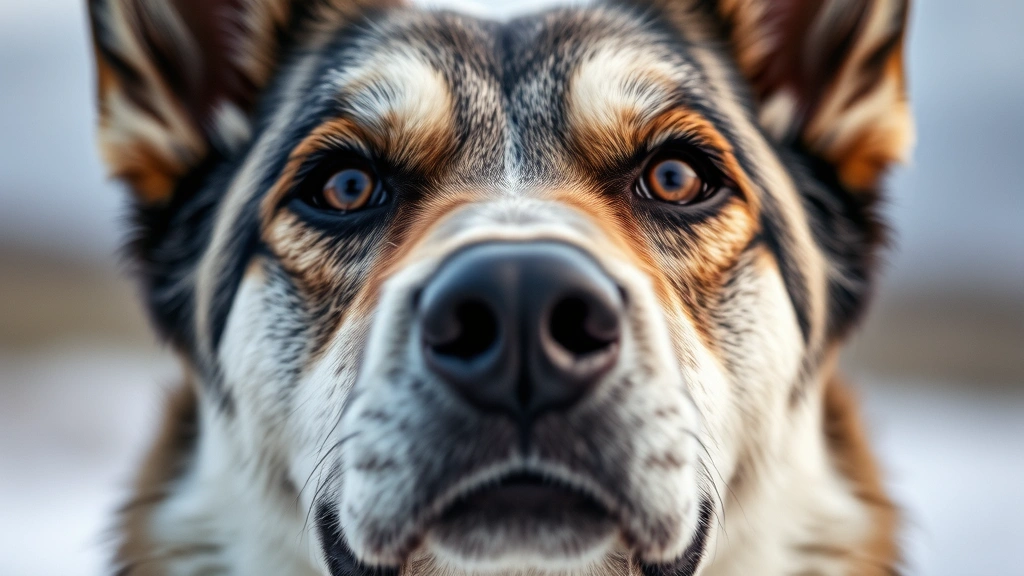
Greenland dogs aren’t aggressive by nature, but they do have prey drive, so small pets like cats and rabbits might be problematic. They’re also vocal—expect howling, barking, and a general commentary on life.
Exercise Requirements and Arctic Working Heritage
Let’s be brutally honest: a Greenland dog needs serious exercise. These aren’t couch potatoes. They were literally bred to pull heavy sleds for 8-10 hours a day in extreme cold. In a home environment, they need:

- At least 1-2 hours of vigorous exercise daily
- Access to a securely fenced yard (they have high prey drive)
- Mental stimulation through training and interactive play
- Ideally, a cool environment (they overheat easily)
Many Greenland dog owners participate in sled racing, skijoring, or weight-pulling competitions. If you’re not prepared to give this breed substantial physical activity, you’re setting yourself up for a destructive, frustrated dog. These animals thrive on having a job to do.
Grooming, Shedding, and Coat Care
If you’re sensitive about dog hair, a Greenland dog will test your patience. These dogs shed year-round, with massive blow-outs twice yearly when they shed their entire undercoat. We’re talking tumbleweed-sized clumps of fur rolling across your hardwood floors.
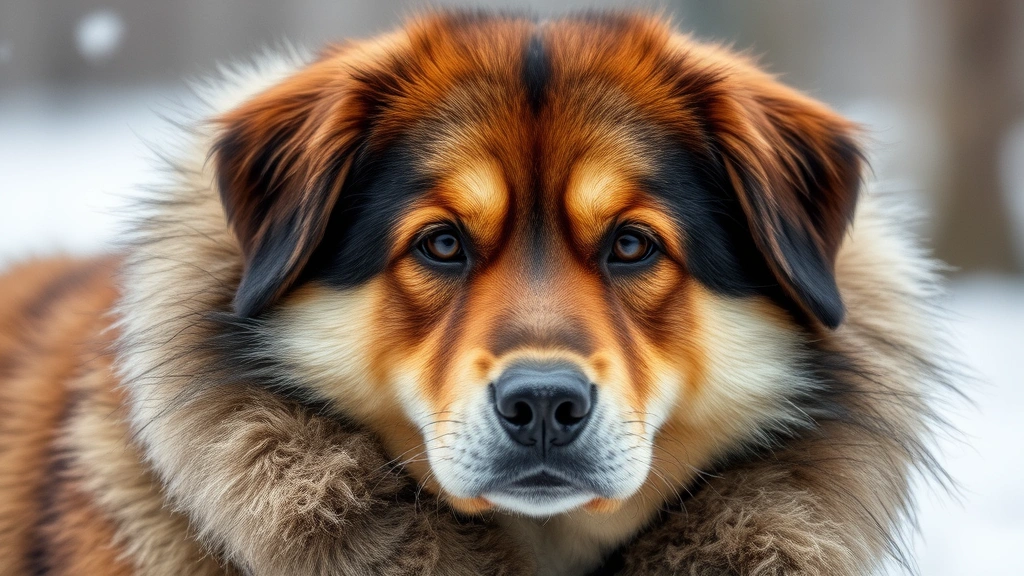
Regular grooming isn’t optional—it’s mandatory:
- Brush 3-4 times weekly (daily during shedding season)
- Bathe every 4-6 weeks with quality dog shampoo
- Trim nails regularly to prevent splitting
- Check ears weekly for infections
- Dental care should be part of your routine
Their coat is naturally water-resistant, so they don’t need frequent bathing, but regular brushing prevents matting and reduces the amount of hair ending up on your furniture.

Health Considerations and Common Issues
Greenland dogs are generally hardy animals, but like all breeds, they’re prone to certain health conditions:
- Hip dysplasia – Get screening from reputable breeders
- Elbow dysplasia – Another joint issue to monitor
- Eye problems – Progressive retinal atrophy can occur
- Heat sensitivity – Their thick coat makes them prone to overheating
The breed’s lifespan is typically 12-14 years. To maintain optimal health, ensure regular veterinary check-ups, maintain proper weight, and provide appropriate nutrition. Check out our guide on skin and coat health foods to support their impressive coat from the inside out.
Nutrition and Dietary Needs
Feeding a Greenland dog properly is crucial for maintaining their muscular build and energy levels. These dogs need high-quality protein and fat to support their active lifestyle:
- Protein requirement: 25-30% of daily calories
- Fat requirement: 15-20% for coat and energy
- Caloric intake: 1,500-2,000 calories daily depending on activity level
For detailed nutritional guidance, our pet nutrition advice section covers breed-specific requirements. Additionally, incorporating safe fruits for dogs and safe vegetables for dogs can provide valuable micronutrients and variety to their diet.

Feed them high-quality commercial dog food or a well-balanced raw diet. Avoid feeding them immediately before or after intense exercise to prevent bloat, a serious condition in deep-chested breeds.
Training: The Challenge and the Reward
Training a Greenland dog requires patience, consistency, and a sense of humor. These dogs are intelligent but independent—they’ll question your authority and test boundaries. Positive reinforcement works best; harsh corrections will damage your relationship with them.
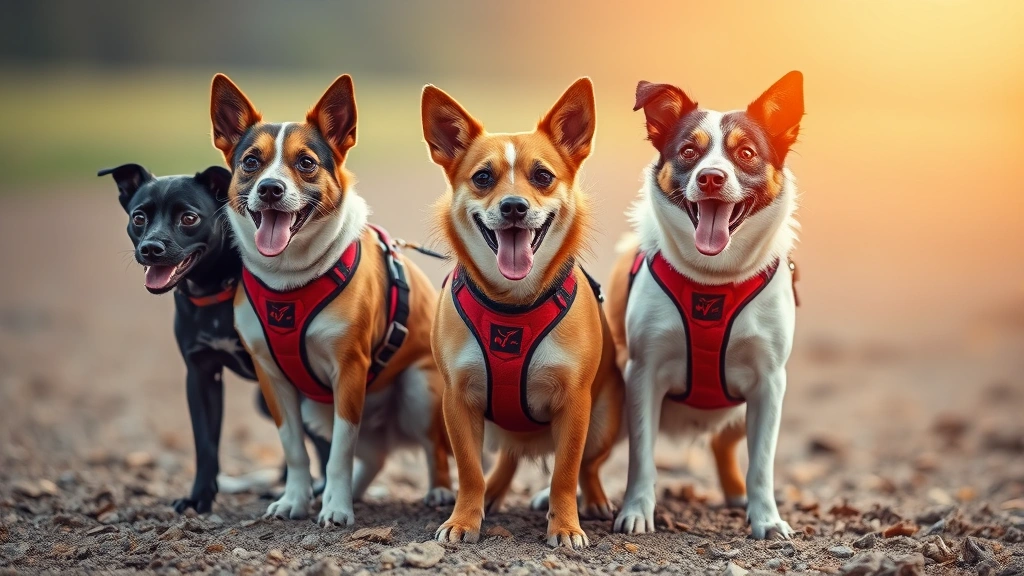
Start socialization and training early. These dogs respond well to:
- Consistent, firm leadership
- Reward-based training (treats, praise, play)
- Clear boundaries and rules
- Sled dog training if you’re interested in their traditional purpose
Obedience classes specifically for working breeds can be incredibly beneficial. Many owners find that giving their Greenland dog a “job” (like pulling a cart or participating in weight-pulling) significantly improves behavior and satisfaction.
Is a Greenland Dog Right for You?
Before you fall in love with this breed’s impressive resume, honestly assess whether you can meet their needs. Greenland dogs aren’t for:
- Apartment dwellers or people without secure yards
- Sedentary individuals or families
- First-time dog owners without experience with working breeds
- People living in hot climates
- Anyone unwilling to deal with serious shedding
They’re perfect for:
- Active families with outdoor lifestyles
- People interested in sled racing or dog sports
- Experienced dog owners who understand pack dynamics
- Those living in cold climates
- Anyone seeking a loyal, intelligent companion with genuine character
Finding a Reputable Breeder
If you’ve decided a Greenland dog is right for you, finding a reputable breeder is absolutely critical. A good breeder will:
- Health test parent dogs for hip and elbow dysplasia
- Provide documentation of genetic screening
- Allow you to meet the parents
- Ask you detailed questions about your lifestyle
- Offer support and guidance throughout the dog’s life
- Take responsibility for rehoming if needed
Avoid breeders who can’t provide health certifications or who breed purely for profit. The American Kennel Club and breed-specific clubs can help connect you with legitimate breeders.
Frequently Asked Questions
How much does a Greenland dog cost?
Expect to pay $1,500-$3,000 from a reputable breeder. Puppies from champion sled racing lines can cost significantly more. Rescue organizations occasionally have Greenland dogs available for adoption at lower costs.
Can Greenland dogs live in warm climates?
While possible, it’s not ideal. Their thick coat makes them prone to overheating. If you live in a warm area, you’ll need air conditioning, limited outdoor time during hot months, and careful monitoring for heat stress.
Are Greenland dogs good with other dogs?
Generally yes, especially if socialized early. They’re pack animals and often do well in multi-dog households. However, they can be dominant with same-sex dogs, so careful introduction is necessary.
How long do Greenland dogs live?
The typical lifespan is 12-14 years. Proper nutrition, exercise, and veterinary care can help ensure a long, healthy life.
Do Greenland dogs make good family pets?
Absolutely, but they require experienced owners who understand their working-dog heritage. They’re loyal, affectionate, and protective of their families while maintaining independence and strong personalities.
What’s the difference between Greenland dogs and other sled breeds?
Greenland dogs are heavier and more powerful than Siberian Huskies or Alaskan Malamutes, with a more compact build. They’re specifically bred for strength and endurance rather than speed, making them ideal for freight hauling rather than racing.
Conclusion: The Ultimate Arctic Companion
The Greenland dog represents over a thousand years of selective breeding for survival in Earth’s harshest environment. They’re not designer dogs or trendy Instagram celebrities—they’re genuine working animals with authentic character, impressive athleticism, and unwavering loyalty. If you’re willing to meet their substantial exercise and grooming needs, you’ll find a companion unlike any other breed. These dogs demand respect, consistency, and genuine commitment, but they repay that investment with unshakeable devotion and a personality that’ll keep you entertained for years. Just be prepared for the shedding—seriously, invest in a good vacuum.





