

A grizzly bear dog walker encounter is every outdoor enthusiast’s worst nightmare, but it doesn’t have to end in disaster. Whether you’re hiking remote trails with your furry companion or exploring bear country, knowing how to handle a potential run-in with these magnificent (and terrifying) apex predators can literally save your life—and your dog’s. Let me break down exactly what you need to know before you strap on that leash and head into grizzly territory.
Table of Contents
- Understanding Grizzly Bear Behavior and Why Dog Walkers Are at Risk
- Tip #1: Choose Your Walking Routes Strategically
- Tip #2: Invest in Quality Bear Deterrents and Proper Equipment
- Tip #3: Train Your Dog for Bear Country Compliance
- Tip #4: Master Proper Bear Encounter Protocol
- Tip #5: Prepare Mentally and Physically for Wilderness Walking
- Common Mistakes Dog Walkers Make in Bear Country
- Seasonal Considerations for Grizzly Bear Dog Walker Encounters
- What to Do If Your Dog Is Injured in a Bear Encounter
- Frequently Asked Questions
- Final Thoughts: Making Responsible Choices About Backcountry Dog Walking
Understanding Grizzly Bear Behavior and Why Dog Walkers Are at Risk
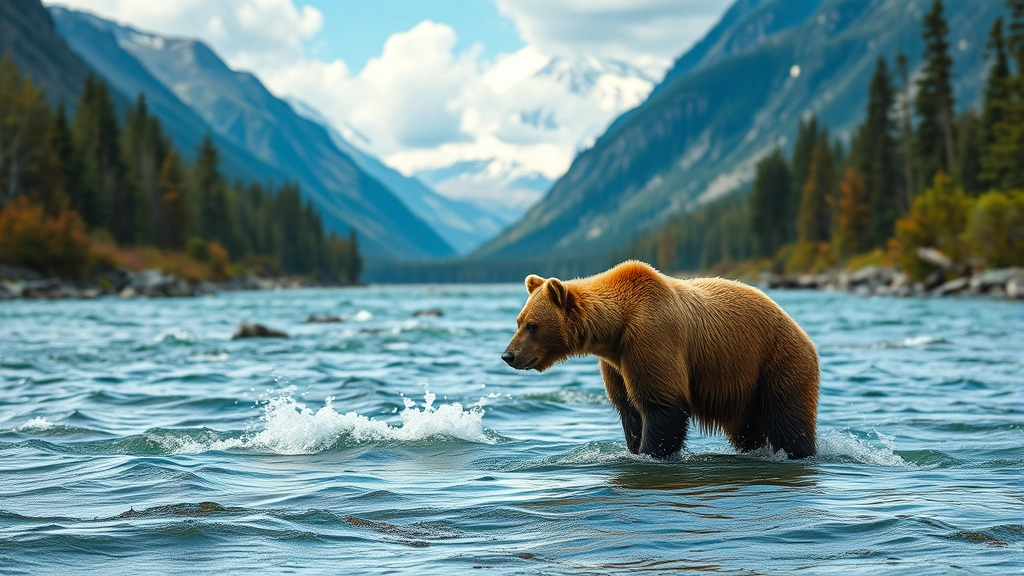
Grizzly bears are incredibly intelligent, powerful animals that typically want nothing to do with humans. But here’s the kicker: your dog might have other ideas. Dogs have this annoying habit of barking at literally everything, and a territorial grizzly doesn’t take kindly to what it perceives as an aggressive challenge. When you’re walking your pup in bear country, you’re essentially carrying a furry little liability that could trigger a defensive response from a 600-pound predator. The National Park Service has documented numerous incidents where dogs initiated confrontations with bears, turning a peaceful hike into a life-or-death situation.
Tip #1: Choose Your Walking Routes Strategically
Not all hiking trails are created equal when it comes to bear encounters. Before you head out with your canine companion, research the specific area thoroughly. Check recent wildlife reports from local rangers and park services. Avoid trails that are known for high bear activity, especially during salmon runs or berry season when bears congregate in large numbers. Early morning and dusk hikes are riskier because bears are more active during these times. Stick to well-maintained, frequently traveled paths where bear sightings are less common. If you’re in an area with documented grizzly presence, honestly consider leaving your dog at home or visiting dog-friendly areas in safer regions. Your pup might miss out on an adventure, but they’ll be alive to enjoy many more walks in the future.
Tip #2: Invest in Quality Bear Deterrents and Proper Equipment
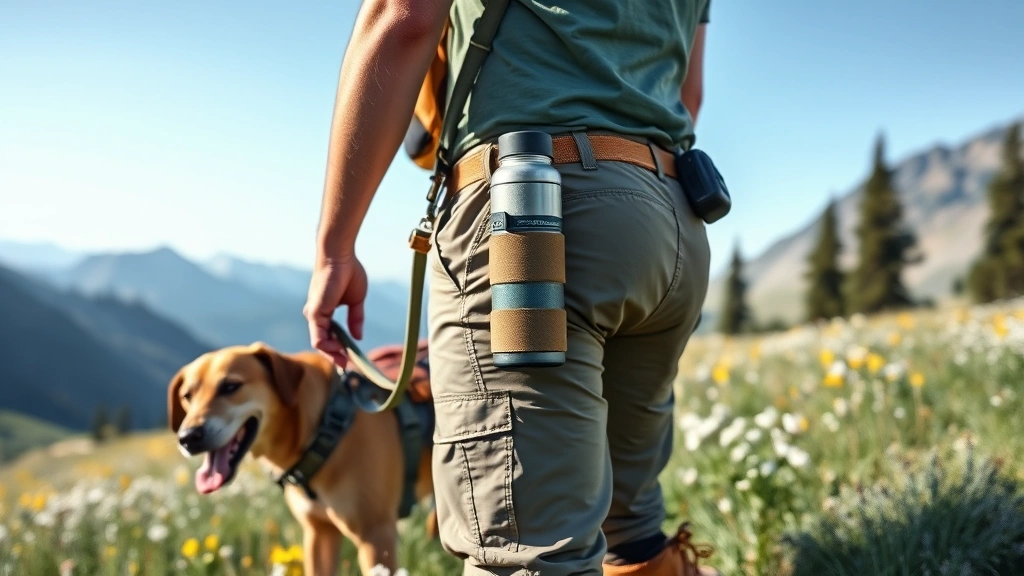
Bear spray should be your best friend when walking dogs in grizzly country. This isn’t your grandmother’s pepper spray—bear spray is specifically formulated to deter bears and has proven effective in 90% of defensive encounters according to research from the U.S. Fish and Wildlife Service. Keep it accessible on your hip belt, not buried in your backpack where it’s useless in an emergency. Practice drawing it smoothly so you can deploy it instinctively if needed. Additionally, invest in a sturdy, short leash (4-6 feet) rather than those retractable ones that give your dog 20 feet of roaming freedom. A short leash keeps your pup close and under control, preventing them from charging at wildlife. Some dog walkers in bear country use specially designed bear bells or noise makers to alert bears of your presence from a distance.
Tip #3: Train Your Dog for Bear Country Compliance
This is where most dog owners drop the ball. Your dog needs serious training if you’re planning backcountry walks in grizzly habitat. Basic obedience isn’t enough—your dog needs to respond instantly to recall commands, even when distracted by wildlife. Work with a professional trainer experienced in wilderness dog training. Your pup should understand “heel,” “stay,” and “come” with 100% reliability. Practice these commands repeatedly in increasingly distracting environments. Some trainers recommend aversion training to teach dogs to avoid bears and other wildlife rather than chase them. A Carolina dog breed or other naturally alert breeds might seem like good choices for wilderness hiking, but they actually have higher prey drives that can escalate bear encounters. Consider your dog’s temperament carefully before venturing into grizzly territory.
Tip #4: Master Proper Bear Encounter Protocol
Despite your best efforts, a grizzly bear dog walker encounter might still happen. When it does, your response determines whether everyone walks away safely. If you spot a bear at a distance, immediately put your dog on a short leash and back away slowly. Don’t run—running triggers a chase response. Speak in calm, low tones and maintain eye contact. Never position yourself between a mother bear and her cubs; that’s the fastest way to get mauled. If a bear charges, this is where bear spray comes into play. Wait until the bear is within 30-40 feet, then deploy in short bursts. If you’re knocked down, protect your head and neck by curling into a ball. According to the American Animal Health Association, playing dead is effective with grizzlies in defensive situations, though it’s absolutely terrifying.
Tip #5: Prepare Mentally and Physically for Wilderness Walking
Physical fitness matters more than most dog walkers realize. If you’re exhausted and struggling to keep up with your dog, you’re already at a disadvantage in a bear encounter. Build your cardiovascular fitness before tackling serious backcountry trails. Mental preparation is equally crucial—visualize different scenarios and how you’d respond. Take a wilderness first aid course so you know how to handle injuries if something goes wrong. Keep your dog’s vaccinations current, especially rabies, in case of any wildlife contact. Many people underestimate how physically demanding backcountry hiking truly is, especially when you’re managing a dog simultaneously. Start with shorter, easier trails and work your way up to more remote areas.
Common Mistakes Dog Walkers Make in Bear Country
I’ve seen countless dog owners make preventable errors that increase bear encounter risk. The biggest mistake? Thinking their dog is “friendly” and won’t provoke a bear. Newsflash: bears don’t care about your dog’s temperament. Another common error is carrying dog food in your backpack without proper bear canisters. The smell attracts bears from miles away. Never leave your dog unattended, even for a few minutes. Some walkers assume that hiking in groups provides complete protection—while it helps, a determined bear might still charge. Don’t assume recent bear sightings mean bears won’t be around today; they could return at any moment. Finally, don’t rely solely on technology like bear trackers or GPS devices. These tools help but aren’t foolproof.
Seasonal Considerations for Grizzly Bear Dog Walker Encounters
Bear behavior changes dramatically throughout the year, affecting your risk profile. Spring is particularly dangerous because bears are hungry after hibernation and unpredictable. Summer brings berry season, concentrating bears in specific areas. Fall is prime salmon season when bears congregate near rivers and streams. Winter offers the safest window for backcountry hiking since bears are hibernating, though you should never assume all bears are sleeping. Research seasonal patterns in your specific region. Local wildlife agencies publish detailed information about bear activity by month and location. Adjust your hiking schedule and route selection based on this data. Some areas are only truly safe for dog walking during specific seasons.
What to Do If Your Dog Is Injured in a Bear Encounter
Despite all precautions, your dog might get hurt. Know the location of the nearest veterinary clinic before you head out. Carry a comprehensive pet first aid kit including bandages, antiseptic, pain medication, and emergency contact information. If your dog is injured, assess the severity quickly. Minor injuries can often wait until you reach civilization, but serious wounds require immediate attention. Don’t let your injured dog run around; keep them calm and still to prevent shock. If the bear is still nearby, prioritize human safety first. Call emergency services if you’re in a national park or protected area. Document the incident thoroughly for wildlife authorities, as this information helps them track bear behavior patterns and manage populations more effectively.
Frequently Asked Questions
Can I walk my dog in grizzly bear country?
Technically yes, but it requires extensive preparation, training, and precautions. Many wilderness areas prohibit dogs specifically because of bear encounter risks. Check local regulations and honestly assess whether your dog is trained and prepared for this level of danger. If you’re uncertain, choose safer hiking destinations.
What’s the best dog breed for bear country hiking?
There’s no “best” breed for bear country, but smaller, controllable dogs are generally safer than large, independent breeds. Your dog’s training and temperament matter far more than breed. A well-trained Labrador is safer than an untrained German Shepherd in grizzly territory.
Does bear spray work on dogs?
Yes, bear spray is painful and disorienting for dogs just as it is for bears. Never test it on your dog. Keep it securely fastened where your pup can’t accidentally trigger it. If you spray a bear, your dog might also be affected by the spray, so be prepared for that possibility.
How far away can a grizzly bear smell a dog?
Grizzly bears have an incredible sense of smell—up to seven times better than a bloodhound’s. They can detect a dog from several miles away under ideal conditions. This is why proper food storage and scent management are absolutely critical in bear country.
What should I do if my dog gets between me and a bear?
This is an extremely dangerous situation. Don’t try to grab your dog or move suddenly. Back away slowly with your dog, maintaining calm behavior. If the bear charges, deploy bear spray. Your dog’s safety is important, but your survival comes first—you can’t help your dog if you’re injured or dead.
Are there any legal consequences if my dog provokes a bear?
Yes, depending on jurisdiction. If your dog causes a bear to be killed in self-defense, you could face fines, liability claims, and criminal charges in some areas. Many national parks have specific regulations about dogs and wildlife interactions. Know your local laws before heading out.
Final Thoughts: Making Responsible Choices About Backcountry Dog Walking
A grizzly bear dog walker encounter doesn’t have to define your outdoor adventures, but it deserves serious respect and preparation. The reality is that some areas are simply too dangerous for dogs, no matter how well-trained or equipped you are. Before you clip that leash and head into the wilderness, ask yourself honestly: Is this hike worth the risk? Are you and your dog truly prepared? Do you have the right equipment, training, and knowledge? If you answer yes to all three questions, you’re ready to explore bear country responsibly. If you’re uncertain about any aspect, choose a safer location. Your dog will be just as happy on a dog-friendly trail in a non-bear area, and you’ll both sleep better at night knowing you made the responsible choice. Remember, the best bear encounter is the one that never happens. Train hard, prepare thoroughly, and hike smart. Your furry friend is counting on you to keep them safe.





