

If you’re tired of your dog turning your backyard into an escape room, a halo collar for dogs might be the game-changer you’ve been waiting for. This invisible fence technology uses GPS and a gentle vibration system to keep your furry friend safely contained without traditional fencing. Whether you’ve got a Houdini-level escape artist or just want peace of mind, let’s dig into everything you need to know about this innovative pet containment solution.
Table of Contents
- What Exactly Is a Halo Collar for Dogs?
- How Does the Halo Collar Work? The Tech Behind the Magic
- Setting Up Your Halo Collar: Easier Than You’d Think
- Halo Collar Features That Actually Matter
- Pros That’ll Make You Want to Buy It Today
- Cons Worth Considering Before You Commit
- Training Your Dog to Respect the Boundary
- Halo Collar vs. Traditional Invisible Fences: The Showdown
- Is the Halo Collar Right for Your Dog?
- Real-World User Experiences and Reviews
- Maintenance and Troubleshooting Tips
- Budget-Friendly Alternatives to Consider
- Environmental and Ethical Considerations
- Complementary Products That Work Well With Your Halo Collar
- Frequently Asked Questions
- Final Thoughts: Is the Halo Collar Worth It?
What Exactly Is a Halo Collar for Dogs?
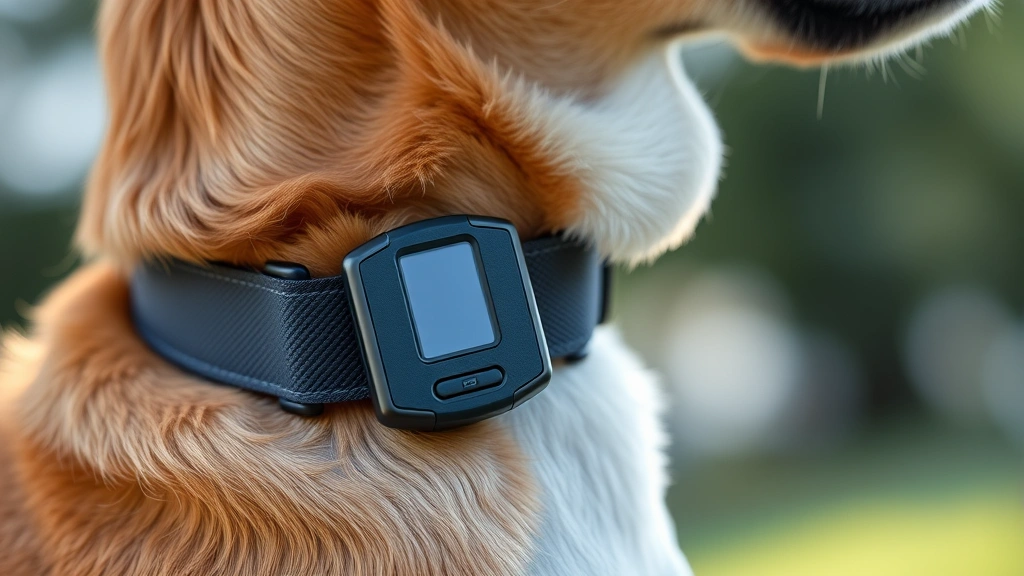
A halo collar for dogs is a GPS-enabled wearable device that creates an invisible boundary around your property. Unlike traditional invisible fences that require underground wiring, the halo collar uses satellite technology to establish a virtual perimeter. When your dog approaches the boundary, the collar delivers a gentle vibration warning first. If they continue toward the edge, it escalates to a mild static correction—kind of like a tiny nudge saying, “Hey buddy, pump the brakes.”
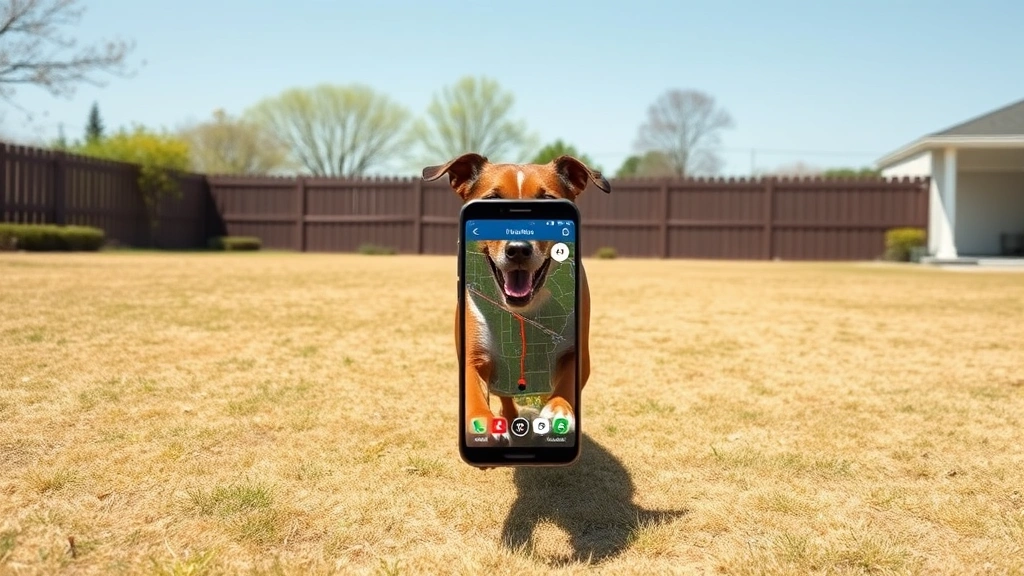
The technology is surprisingly sophisticated. The collar communicates with your smartphone in real-time, sending you notifications whenever your pup crosses the boundary. It’s like having a tiny security guard wrapped around your dog’s neck, minus the awkward small talk.
How Does the Halo Collar Work? The Tech Behind the Magic
The halo collar operates on three core components: GPS technology, a smartphone app, and the collar itself. Here’s the breakdown: The collar uses GPS satellites to pinpoint your dog’s exact location within 3-5 feet accuracy. You set up a custom boundary on your smartphone app—it can be as simple as a circle around your home or as complex as a multi-acre property with irregular shapes.
When your dog wanders within 10 feet of the boundary, the collar vibrates. It’s a wake-up call, not a punishment. Most dogs learn to respect this vibration within just a few days. If they push forward, the static correction kicks in—and here’s the thing: it’s adjustable. You control the intensity from your phone, so you can tailor it to your dog’s sensitivity level.
The battery lasts about 7-10 days between charges, and the app gives you real-time location tracking. You’ll know if Fido’s chasing a squirrel three blocks away before he even realizes he’s gone rogue.
Setting Up Your Halo Collar: Easier Than You’d Think
Installation is refreshingly straightforward—no digging trenches, no burying wires, no hiring contractors. Download the app, create your account, and define your boundary using the map interface. The app lets you adjust the boundary shape in real-time, which is clutch if you need to account for a neighbor’s yard or a busy street.
The training phase typically takes 1-2 weeks. You’ll want to walk your dog around the boundary while they’re wearing the collar so they understand where the limits are. Most dogs catch on surprisingly fast because they’re learning from consistent, immediate feedback rather than random corrections.
Pro tip: Start with the vibration-only setting while you’re training, then gradually introduce the static correction at low levels. This positive reinforcement approach works better than jumping straight to corrections.
Halo Collar Features That Actually Matter
Real-time GPS tracking is the headline feature, but there’s more to love. The app includes activity monitoring—you can see how much your dog is moving, which is genuinely useful for detecting health issues early. If your normally active pup suddenly stops moving around, that’s worth a vet visit.
The collar also has a “pet finder” mode. If your dog somehow escapes (yes, it happens), you can use the app to locate them within a few meters. There’s also a “safe zone” feature that lets you create areas where the collar won’t activate—perfect for vet offices or training facilities.
Battery life is solid, and the collar itself is waterproof, so your water-loving retriever can still do their thing. The design is sleek enough that your dog won’t look like they’re wearing a sci-fi tracking device—though let’s be honest, they kind of are.
Pros That’ll Make You Want to Buy It Today
No physical fence means no eyesore blocking your view. Your backyard stays open and beautiful while your dog stays safe. That’s a win-win in real estate terms.
The flexibility is unmatched. You can adjust your boundary from anywhere—if you’re having guests over and want a tighter perimeter, boom, done. Moving to a new house? Reset the boundary and you’re good to go.
Real-time notifications mean you’re never in the dark about where your dog is. Some owners use this feature obsessively, refreshing the app every five minutes like they’re checking their bank account. (No judgment—we get it.)
It works for multiple dogs. You can add additional collars to your account and manage all your pups from one app. For families with escape-artist pack mentality, this is huge.
Unlike traditional invisible fences, the halo collar for dogs doesn’t require a permanent installation, making it perfect for renters or anyone who values flexibility.
Cons Worth Considering Before You Commit
The price tag is real. A halo collar isn’t cheap—expect to spend $500-700 for the initial setup, plus monthly subscription fees. That’s a significant investment compared to traditional fencing, though arguably cheaper than emergency vet bills from a dog hit by a car.
GPS can be spotty in heavily forested areas or places with lots of tall buildings. If you live in the middle of the woods or a dense urban canyon, accuracy might suffer. The collar needs clear sky access to lock onto satellites.
Some dogs are stubborn. If your pup is incredibly determined or has a high prey drive, even a correction might not stop them from chasing that rabbit. The collar works best on dogs with moderate to good recall training already in place.
Monthly subscriptions add up. You’re looking at $10-30 per month depending on the plan, which means you’re committing to ongoing costs. It’s not a one-time purchase and forget situation.
Weather can occasionally impact GPS accuracy. Heavy storms or extreme cloud cover might cause temporary signal loss, though this is rare and usually brief.
Training Your Dog to Respect the Boundary
The halo collar for dogs is only as effective as your training approach. Start by walking the perimeter with your dog on a regular leash while they wear the collar. Let them experience the vibration warning without the correction. Reward them heavily when they turn back toward the safe zone.
Gradually increase the distance they can roam unsupervised. Week one, let them explore for 10 minutes while you watch from the porch. Week two, extend to 20 minutes. By week three or four, most dogs understand the invisible boundary.
Use high-value treats and praise when your dog respects the boundary. Make staying inside the zone more rewarding than wandering outside. This positive reinforcement sticks better than corrections alone.
Never use the collar as a punishment tool or leave your dog unattended for extended periods while training. The goal is teaching, not traumatizing.
Halo Collar vs. Traditional Invisible Fences: The Showdown
Traditional invisible fences require burying wires around your property—a process that’s expensive, permanent, and requires professional installation in most cases. The halo collar needs no installation beyond charging and downloading an app.
Traditional systems don’t offer real-time location tracking. You won’t know where your dog is if they escape. The halo collar gives you GPS coordinates within minutes.
Traditional fences can have dead zones where the signal drops. The halo collar’s satellite-based system is more reliable across varied terrain, though it struggles in heavily forested areas.
Cost-wise, traditional fences might be cheaper upfront for a large property, but the halo collar’s flexibility and smartphone integration make it more appealing for most modern pet owners. Plus, if you move, you don’t lose your investment.
Is the Halo Collar Right for Your Dog?
The halo collar works best for dogs who:
Have moderate to good recall training already. If your dog doesn’t come when called, the collar won’t magically fix that.
Live in areas with decent GPS coverage. Rural properties with clear skies work best.
Are medium to large breeds. Smaller dogs might find the collar bulky, though it comes in multiple sizes.
Have owners willing to invest in ongoing training and monitoring. This isn’t a set-it-and-forget-it solution.
The collar might not be ideal for dogs with extreme prey drive, severe anxiety, or aggression issues. These behavioral problems need professional training before any containment system will work effectively.
Real-World User Experiences and Reviews
Most halo collar for dogs reviews are positive, with owners praising the peace of mind and flexibility. Common themes include relief at not having to build a physical fence and appreciation for the real-time tracking feature.
Some users report initial frustration with GPS accuracy in their specific location, but most say the system stabilizes after a few weeks. Others mention that their dogs learned the boundary faster than expected—sometimes in just 3-5 days.
The main complaint? Cost. Owners consistently mention the initial investment and monthly fees as barriers to purchase, even when they acknowledge the product works well.
Dog trainers generally recommend the halo collar for dogs that already have decent obedience training. They emphasize that the collar is a containment tool, not a training tool.
Maintenance and Troubleshooting Tips
Keep the collar clean and dry, even though it’s waterproof. Saltwater and chlorine can degrade the electronics over time, so rinse it after beach trips or pool parties.
Charge the collar every 7-10 days to maintain battery health. Let it fully charge occasionally to recalibrate the battery indicator.
If you notice GPS drift or inaccuracy, recalibrate the boundary. Sometimes moving the boundary slightly and then back to the original position helps the system recalibrate.
Check the app regularly for firmware updates. These often improve GPS accuracy and add new features.
If your dog suddenly ignores the boundary, consider that they might be experiencing a behavior change or health issue. A vet visit might be warranted before assuming the collar has failed.
Budget-Friendly Alternatives to Consider
If the halo collar price point makes you wince, there are alternatives. Traditional invisible fences are cheaper long-term for large properties but require installation. Collapsible dog crates work for temporary containment during travel or visits. A combination of good fencing, training, and supervision might be the most cost-effective approach for some households.
Some companies offer GPS collar alternatives at lower price points, though they typically lack the sophisticated app features and real-time notifications of the halo collar.
For renters or those wanting temporary solutions, cruelty-free pet supply companies offer portable exercise pens and tie-out systems that provide containment without permanent installation.
Environmental and Ethical Considerations
The halo collar for dogs uses battery technology and requires ongoing electricity. If you’re environmentally conscious, consider the carbon footprint of charging the device regularly. However, it eliminates the need for physical fence construction, which has its own environmental impact.
From an ethical standpoint, the halo collar uses gentle vibration warnings before static correction, which is considered humane by most veterinary behaviorists. The adjustable correction levels allow owners to use the minimum necessary to train their dogs, which aligns with modern, science-based training approaches.
If you’re part of the planet-conscious pet owners community, you might appreciate that the halo collar eliminates the need for materials like wood, metal, and vinyl used in traditional fencing.
Complementary Products That Work Well With Your Halo Collar
A cooling dog bed pairs nicely with a halo collar setup. Since your dog has more outdoor freedom, they’ll appreciate a comfortable spot to rest when they come inside.
A quality dog bed also helps establish a “safe zone” mentally. Your dog learns that the collar-free indoor space is their sanctuary, reinforcing the boundary concept.
GPS dog tags provide redundancy if your collar battery dies unexpectedly. They’re inexpensive insurance against the rare worst-case scenario.
Frequently Asked Questions
How accurate is the GPS on a halo collar for dogs?
The halo collar for dogs offers GPS accuracy within 3-5 feet under ideal conditions. In areas with clear sky access and minimal obstruction, accuracy is excellent. In heavily forested areas or dense urban environments, accuracy might drop to 10-15 feet. Most owners find this sufficient for containment purposes, though it’s not precise enough for detailed movement tracking.
Can a halo collar for dogs work in apartments or urban areas?
Yes, but with caveats. GPS accuracy suffers in dense urban environments with tall buildings blocking sky access. If you live in an apartment with a small outdoor space, the halo collar can still work—you’d just set a tighter boundary. Many apartment dwellers use it for patios or small yards successfully.
Is the static correction painful for dogs?
No. The static correction is adjustable and designed to be a mild deterrent, not a punishment. Most owners set it to a level that gets their dog’s attention without causing pain. It’s comparable to the static shock you might get from touching a doorknob, not a cattle fence.
What happens if my dog escapes the halo collar?
If your dog somehow removes the collar, you lose the containment system and GPS tracking. The collar is designed to fit snugly but not so tight that it causes discomfort. If your dog is a Houdini-level escape artist, you might need to explore additional security measures or professional training.
Can I use a halo collar for dogs at multiple properties?
Yes. You can save multiple boundaries in the app and switch between them as needed. This is perfect for families with vacation homes or those who frequently visit different properties.
How long does it take for dogs to learn the boundary?
Most dogs learn the boundary within 1-4 weeks with consistent training. Some quick learners catch on in just a few days, while stubborn pups might take longer. The key is consistent, positive reinforcement during the training phase.
Is there a subscription fee for the halo collar?
Yes. Monthly subscription fees range from $10-30 depending on the plan and features you select. You’ll need an active subscription for GPS tracking and app functionality to work.
What size dogs can wear a halo collar?
The halo collar comes in multiple sizes to fit dogs from about 10 pounds to 150+ pounds. Check the sizing chart carefully to ensure proper fit—too loose and it might slip off, too tight and it’ll be uncomfortable.
Final Thoughts: Is the Halo Collar Worth It?
The halo collar for dogs is genuinely innovative technology that solves real problems for dog owners. If you’ve got a yard without fencing, a dog with escape-artist tendencies, or you simply want real-time location tracking for peace of mind, it’s worth serious consideration.
The investment is substantial—both upfront and ongoing—but the benefits are tangible. No eyesore fence, complete flexibility, real-time notifications, and a training system that respects your dog’s wellbeing. For most dog owners in 2024, that’s a compelling package.
Just remember: the halo collar for dogs is a containment tool, not a training tool. It works best alongside good recall training, consistent supervision, and a commitment to your dog’s overall wellbeing. If you’re willing to invest the time and money, you’ll likely be thrilled with the results.
Your dog gets more freedom, you get more peace of mind, and your backyard stays beautiful. In the world of pet containment solutions, that’s about as close to a win-win as you can get.





