
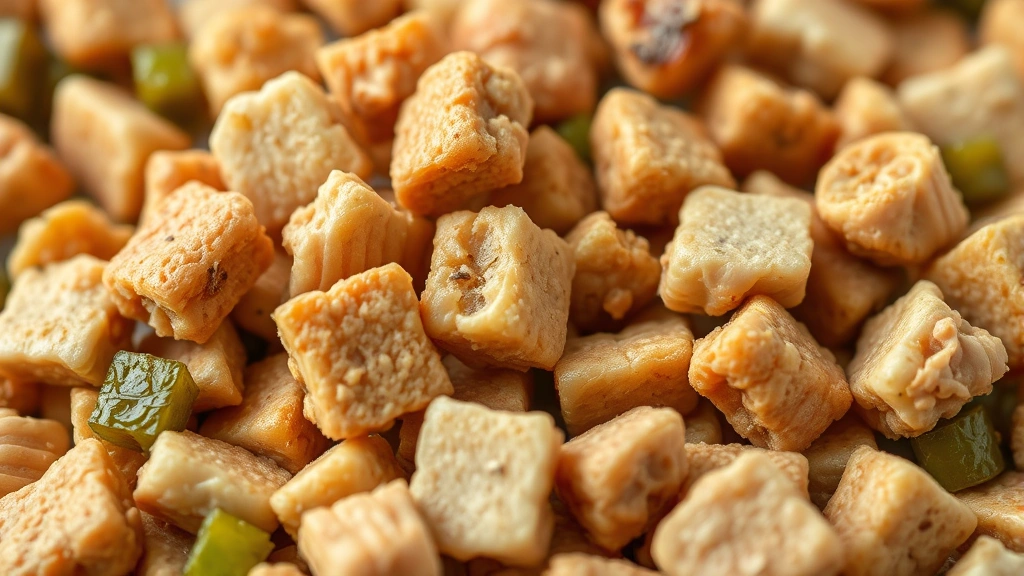
If you’re searching for health extension dog food, you’ve probably noticed this brand popping up in pet store aisles and online forums with some seriously devoted fans. But is it actually worth the hype, or are you just paying premium prices for fancy marketing? Let’s dig into what makes this brand tick, whether it’s right for your pup, and how to feed it properly.
Table of Contents
- What Exactly Is Health Extension Dog Food?
- Breaking Down the Ingredient Quality
- Nutritional Analysis and Protein Content
- Different Health Extension Dog Food Formulas: Which One?
- Real Dog Owner Experiences: The Good and the Messy
- Price Point: Are You Paying for Quality or Marketing?
- Potential Concerns and Controversies
- How to Feed Health Extension Dog Food: The Right Way
- Health Extension vs. Competitors: How Does It Stack Up?
- Is Health Extension Right for Your Dog?
- Transitioning to Health Extension Dog Food
- Frequently Asked Questions
- Final Verdict: Is Health Extension Worth It?
What Exactly Is Health Extension Dog Food?
Health Extension is a smaller, independent pet food brand that’s been around since 1978—which means they’ve had over four decades to figure out what dogs actually need. Unlike the mega-corporations, Health Extension focuses on using whole food ingredients and avoiding artificial junk like BHA, BHT, and ethoxyquin. They’re manufactured in small batches, which appeals to pet parents who want to know exactly what’s going into their dog’s bowl.
The brand positions itself as a natural, holistic option that prioritizes ingredient quality over profit margins. Whether that’s true or marketing speak, we’ll explore throughout this review.
Breaking Down the Ingredient Quality
Here’s where health extension dog food really tries to differentiate itself. The first few ingredients in their formulas typically include named meat sources—like chicken, turkey, or beef—rather than vague “meat by-products” or “meat and bone meal.” This is actually important because it tells you exactly what protein your dog is getting.
The brand avoids corn, wheat, and soy in most formulas, which matters if your dog has sensitivities. They also skip artificial colors and flavors, opting instead for natural preservation methods. Real vegetables and fruits appear in their recipes, though it’s worth noting that dogs don’t actually need vegetables to thrive—they’re more of a bonus than a necessity.
One thing to appreciate: Health Extension is transparent about their sourcing. They publish their ingredient sourcing information, which is refreshing in an industry where opacity is common. Check out our guide on superfoods for pets to understand which ingredients actually matter.

Nutritional Analysis and Protein Content
Health Extension formulas typically range from 22-28% protein, which is solid for adult dogs. Their fat content hovers around 12-18%, depending on the formula. These numbers fall within AAFCO standards, so your dog won’t be lacking nutritionally—assuming the formula matches their life stage.
The real question is bioavailability: how much of that protein can your dog’s body actually use? Since Health Extension uses whole meat sources rather than heavily processed proteins, the bioavailability should be higher than budget brands. That means your dog gets more nutritional bang for their buck, even if the percentage looks similar on paper.
If your pup has specific dietary needs, our resource on pet dietary restrictions can help you determine if Health Extension’s formulas will work.
Different Health Extension Dog Food Formulas: Which One?
Health Extension offers several lines, and picking the right one matters. Their main formulas include:
Original Recipe: A grain-inclusive option with chicken and turkey as primary proteins. Good for dogs without grain sensitivities.

Grain-Free Options: For dogs with wheat or grain sensitivities. Uses potatoes or peas as carb sources instead.
Limited Ingredient Diets: Perfect for dogs with multiple food sensitivities. Fewer ingredients mean fewer potential allergens. If your dog needs this approach, check out our limited ingredient treat recipes for complementary feeding ideas.
Puppy Formula: Higher calories and calcium for growing dogs. Don’t use adult formulas for puppies—they need different nutrient ratios.
The variety is actually a strength. Not every dog thrives on the same food, so having options means you can potentially find what works for your individual pup.
Real Dog Owner Experiences: The Good and the Messy
Online reviews are mixed, which is honest. Some dogs absolutely love Health Extension and show improved coat quality, better digestion, and stable energy levels. Other dogs? Their systems reject it entirely, leading to diarrhea or vomiting.

This isn’t unique to Health Extension—every dog food has dogs that thrive and dogs that don’t. The digestive system is finicky. What matters is whether the transition was done properly. Too many people switch foods cold turkey and then blame the food when their dog gets an upset stomach. Proper transitions take 7-10 days, gradually mixing new food with old.
Some owners report their dogs’ breath improved and their teeth stayed cleaner on this food. Others say their dogs got bored with the flavor profile. Remember: your dog doesn’t need gourmet variety. They’re happy eating the same thing every day.
Price Point: Are You Paying for Quality or Marketing?
Health Extension sits in the premium to super-premium range. You’re looking at $40-70 per 30-pound bag, depending on the formula and where you buy it. That’s roughly $1.30-2.30 per pound, which is significantly more than grocery store brands but less than some ultra-premium brands.
The real question: is the quality improvement worth the cost? If your dog thrives on it and has fewer digestive issues, potentially yes. If your dog does fine on a mid-range brand, the extra expense might not be justified. Consider your dog’s individual needs, not just the marketing claims.
Potential Concerns and Controversies
Health Extension hasn’t had any major recalls in recent years, which is good. However, the grain-free trend deserves a mention. Some grain-free dog foods have been linked to dilated cardiomyopathy (DCM) in dogs. Health Extension offers grain-free options, but they use peas and potatoes rather than legumes exclusively, which may reduce risk. Still, if your dog has a family history of heart issues, talk to your vet before choosing grain-free.

Also, while they avoid artificial preservatives, they use mixed tocopherols (vitamin E) for preservation. This is natural but less proven than some alternatives. It’s not a red flag, just something to be aware of.
For more information on what to avoid, check out our guide on what not to feed your dog.
How to Feed Health Extension Dog Food: The Right Way
Feeding guidelines on the bag are just starting points. Your individual dog’s needs depend on age, activity level, metabolism, and current weight. A couch potato Basset Hound needs fewer calories than an active Border Collie, even if they weigh the same.
Start with the bag’s recommendations, then adjust based on your dog’s body condition. You should be able to feel their ribs without pressing hard, and they should have a visible waist when viewed from above. If your dog is gaining weight, reduce portions. If they’re losing weight, increase them.
Measure food carefully. Free-feeding (leaving food out all day) leads to obesity. Portion control matters, especially with premium foods that are more nutrient-dense than budget brands. Your dog might actually need less volume of Health Extension than they did of their previous food.

Health Extension vs. Competitors: How Does It Stack Up?
Compared to brands like Orijen or Acana, Health Extension is more affordable while maintaining decent quality. Compared to grocery store brands like Purina or Iams, it’s significantly better in ingredient quality but also much pricier.
Where Health Extension shines is the middle ground: better than mass-market brands, more affordable than ultra-premium brands, and with transparent sourcing. It’s not the absolute best dog food available, but it’s a solid choice for owners willing to pay a premium for ingredient quality and small-batch manufacturing.
Is Health Extension Right for Your Dog?
Health Extension dog food makes sense if:
- Your dog has food sensitivities or allergies
- You prioritize ingredient quality and transparency
- Your budget allows for premium pricing
- Your dog has thrived on similar foods before
- You want to avoid artificial additives
It might not be the best fit if:
- Your dog does fine on budget brands (no need to fix what isn’t broken)
- Cost is a significant concern
- Your dog has never had digestive issues
- Your vet has recommended a specific therapeutic diet
Transitioning to Health Extension Dog Food
If you decide to switch, do it gradually over 7-10 days. Day 1-2: 75% old food, 25% new. Day 3-4: 50/50 mix. Day 5-6: 25% old, 75% new. Day 7-10: 100% new food. This slow transition prevents digestive upset and helps you identify if the new food actually works for your dog.
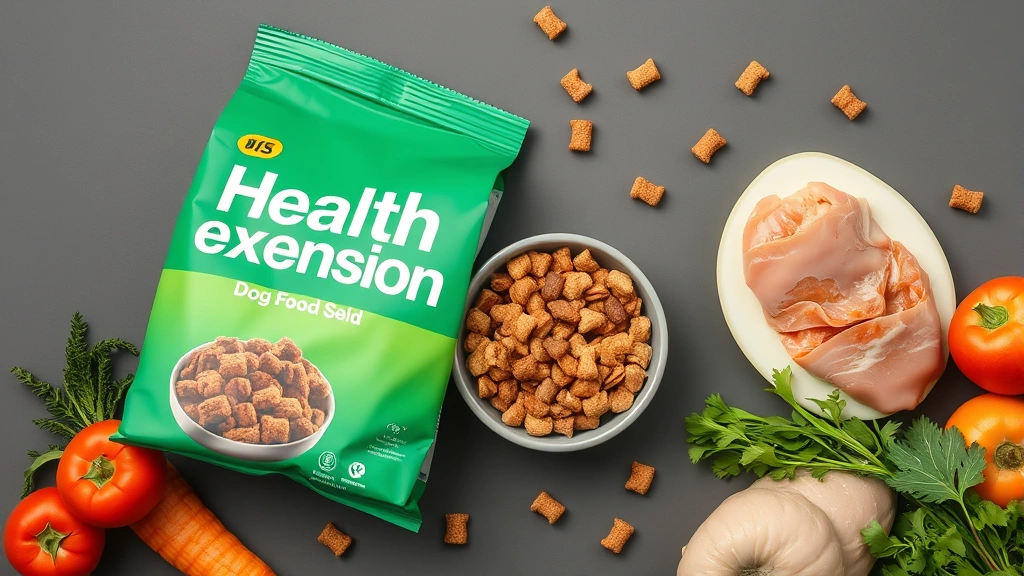
Monitor your dog’s stool, energy level, and coat during and after the transition. Some changes take 4-6 weeks to fully manifest, so don’t judge too quickly.
Frequently Asked Questions
Is Health Extension Dog Food grain-free?
Health Extension offers both grain-inclusive and grain-free formulas. Their original recipes include grains like oats and barley, while their grain-free lines use potatoes and peas as carb sources. Choose based on your dog’s individual needs.
Where can I buy Health Extension dog food?
Health Extension is available through online retailers like Chewy and Amazon, as well as select independent pet stores and some regional chains. Availability varies by location, so check their website for local retailers.
How does Health Extension compare to Orijen or Acana?
Orijen and Acana are higher-protein, more expensive options with more meat content. Health Extension is more affordable with slightly lower protein but still quality ingredients. Both are good choices; Orijen/Acana are premium-plus, while Health Extension is premium.
Can puppies eat Health Extension dog food?
Only if you use their puppy formula. Adult formulas don’t have the right calcium-to-phosphorus ratio for growing dogs. Puppies need specific nutrition for proper bone development.

Will Health Extension help with my dog’s allergies?
Maybe. If your dog has grain allergies, their grain-free formulas might help. If they have protein allergies, their limited ingredient diet could work. But true food allergies require veterinary diagnosis and sometimes a prescription diet. Don’t assume a brand change will solve allergy issues without vet input.
Is Health Extension better than regular grocery store dog food?
In terms of ingredient quality and transparency, yes. But “better” depends on your dog. If your dog thrives on budget food with no health issues, the upgrade might not be necessary. If your dog has sensitivities or you want higher-quality ingredients, Health Extension is a meaningful step up.
Final Verdict: Is Health Extension Worth It?
Health Extension dog food is a solid, transparent choice for owners willing to pay premium prices for ingredient quality and small-batch manufacturing. It’s not the absolute best food available, but it’s better than most mass-market options and more affordable than ultra-premium brands. The key is determining if your individual dog actually benefits from the switch. Not every dog needs premium food—some do fine on mid-range options. But if your dog has sensitivities, a dull coat, or digestive issues, Health Extension is worth trying. Just remember to transition slowly and give it at least a month before judging results.
For additional guidance on specific ingredients, check out our article on can dogs eat chicken to understand the protein sources better. And if you’re concerned about what’s harmful, our resource on toxic fruits for dogs will help you understand what to avoid.
The bottom line: Health Extension is a reputable brand with transparent sourcing and quality ingredients. Whether it’s right for your dog depends on their individual needs, your budget, and your priorities. Do your research, talk to your vet, and don’t be afraid to try it if you think it might help your pup.





