
Hookworm disease in dogs is one of those sneaky parasitic infections that can turn your furry best friend into a lethargic, anemic mess before you even realize what’s happening. These tiny bloodsuckers are literally living in your dog’s intestines, feeding on their blood and causing serious health problems if left untreated. But here’s the good news: if you know what to look for, you can catch hookworms early and get your pup the help they need.
Table of Contents
- What Exactly Are Hookworms and How Do Dogs Get Them?
- Warning Sign #1: Pale Gums and Anemia Symptoms
- Warning Sign #2: Bloody or Tarry Diarrhea and Digestive Issues
- Warning Sign #3: Weight Loss and Poor Coat Condition
- Warning Sign #4: Lethargy and General Malaise
- Warning Sign #5: Abdominal Discomfort and Pot-Bellied Appearance
- How Vets Diagnose Hookworm Disease in Dogs
- Treatment Options and Getting Your Dog Parasite-Free
- Prevention: Keeping Your Dog Hookworm-Free
- When to Call Your Vet Immediately
- Frequently Asked Questions
- The Bottom Line: Don’t Ignore These Warning Signs
What Exactly Are Hookworms and How Do Dogs Get Them?
Hookworms are parasitic nematodes (fancy word for roundworms) that attach themselves to your dog’s small intestine and feed on blood. These nasty little creatures are about a quarter-inch long and have hooks around their mouths—hence the charming name. Your dog can pick up hookworm infection through several routes: contaminated soil, infected feces, or even through their skin if they’re walking barefoot on contaminated ground. Puppies can also get hookworms from their mother’s milk. It’s basically a parasite party that nobody invited.
The lifecycle of hookworms is pretty gross when you think about it. An infected dog poops out hookworm eggs, those eggs develop into larvae in the soil, and then another dog comes along and either ingests them or absorbs them through their paws. It’s a vicious cycle that makes you want to wear gloves every time you pick up after your dog.
Warning Sign #1: Pale Gums and Anemia Symptoms
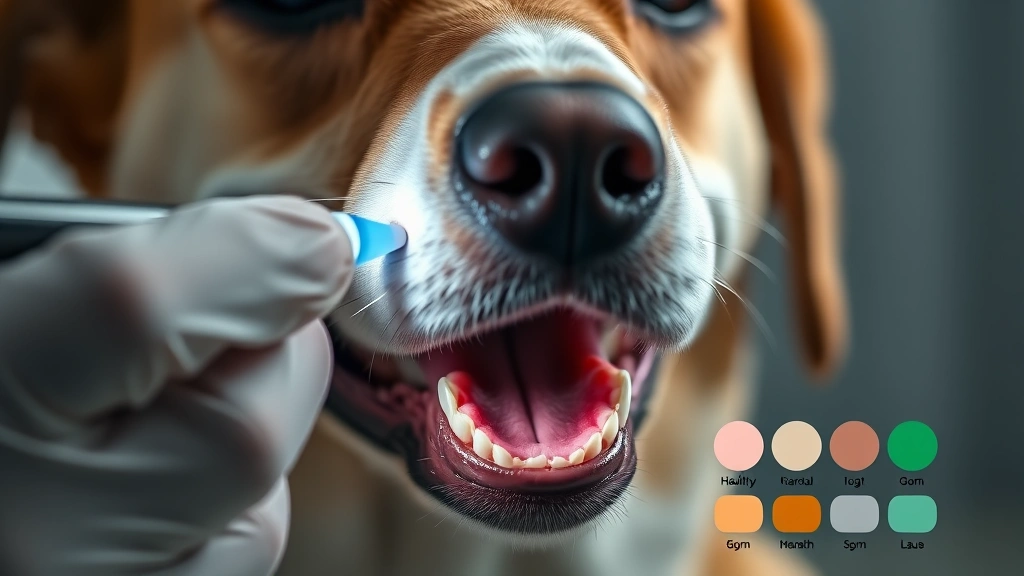
One of the first things you’ll notice if your dog has hookworm disease in dogs is that their gums start looking pale or even white instead of that healthy pink color. This happens because hookworms are literally drinking your dog’s blood, leading to anemia. Your pup might also seem unusually tired, lack energy during walks, or refuse to play fetch—basically acting like they’ve been hit with the world’s worst hangover.
If you lift your dog’s lip and their gums look like they’ve been drained of all color, that’s a red flag. You might also notice your dog’s tongue is pale. These are signs that your dog’s red blood cell count is dropping, and that’s serious business. Severe anemia can lead to organ damage if you don’t address it quickly.
Warning Sign #2: Bloody or Tarry Diarrhea and Digestive Issues
Here’s where things get really unpleasant. Dogs with hookworms often develop diarrhea, and it’s not your average upset stomach situation. You might see actual blood in their stool or notice it looks dark and tarry (which means there’s digested blood in there). The hookworms are literally creating micro-tears in your dog’s intestinal lining as they feed.
Your dog might also experience chronic loose stools, constipation alternating with diarrhea, or just general digestive upset. If you notice your pup having accidents in the house when they’re normally housetrained, or if they’re spending an unusual amount of time on the porch doing their business, it’s time to call your vet. This is especially important to address because constipation in dogs can be a symptom of various parasitic infections.
Warning Sign #3: Weight Loss and Poor Coat Condition
Hookworms are basically tiny vampires stealing your dog’s nutrients. Your dog might be eating normally (or even eating more than usual) but still losing weight because the parasites are hogging all the good stuff. You’ll notice your pup’s ribs becoming more prominent, their hip bones sticking out, and their overall body condition deteriorating.
Along with weight loss comes a shabby-looking coat. Your dog’s fur might become dull, dry, and brittle instead of that shiny, healthy appearance they normally have. Skin and coat health foods might help once the hookworms are gone, but they won’t fix the underlying parasitic problem. The poor coat condition is basically your dog’s body waving a white flag saying “help me, I’m being drained.”
Warning Sign #4: Lethargy and General Malaise
If your normally bouncy, energetic dog suddenly turns into a couch potato who can barely muster the enthusiasm to greet you at the door, something’s wrong. Hookworm disease causes significant lethargy because your dog’s body is working overtime trying to compensate for blood loss and nutrient deficiency. They might sleep more, seem depressed, or show zero interest in activities they normally love.
This lethargy isn’t just laziness—it’s a sign that your dog’s body is struggling. The combination of anemia, blood loss, and malnutrition creates a perfect storm of exhaustion. Your dog might also seem irritable or anxious, which is their way of saying they don’t feel good.

Warning Sign #5: Abdominal Discomfort and Pot-Bellied Appearance
Some dogs with hookworms develop a distinctive pot-bellied appearance, especially puppies. This happens because their intestines become inflamed and distended from the parasitic infection. You might notice your dog seems uncomfortable, hunches over, or yelps when you touch their abdomen.
Your pup might also seem restless, unable to find a comfortable position to lie down, or they might whine more than usual. This abdominal discomfort is a clear sign that something’s irritating their gut, and hookworms are prime suspects. If your dog is showing signs of severe abdominal pain, this is an emergency situation that requires immediate veterinary attention.
How Vets Diagnose Hookworm Disease in Dogs
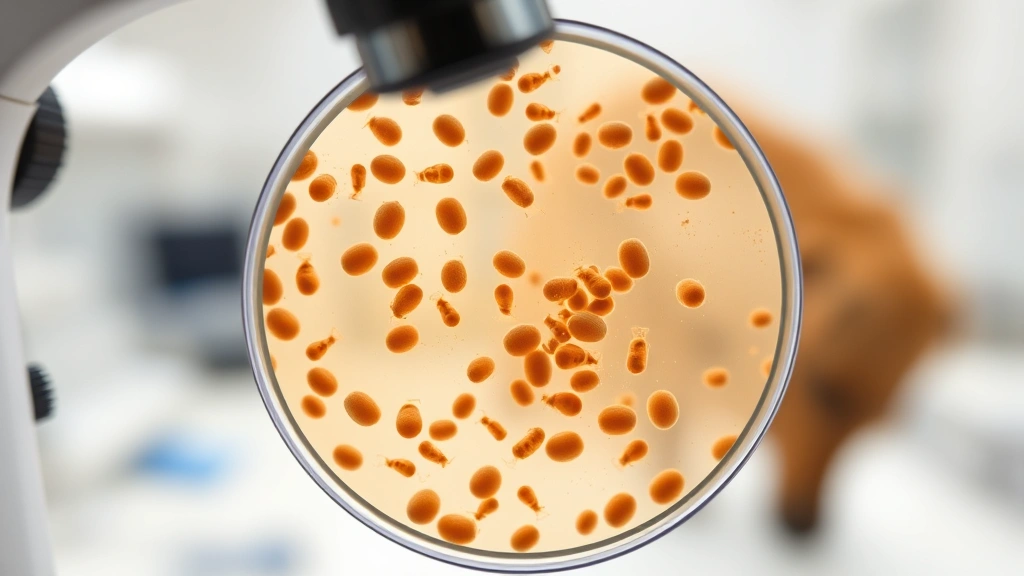
Diagnosing hookworm disease in dogs is actually pretty straightforward for your vet. They’ll perform a fecal examination (yes, they look at your dog’s poop under a microscope) to identify hookworm eggs. Sometimes it takes multiple tests because the eggs aren’t always present in every stool sample, so your vet might ask you to bring in samples over several days.
Your vet might also recommend blood work to check your dog’s red blood cell count and assess the severity of anemia. This helps them understand how much damage the hookworms have already done and how aggressively they need to treat your pup. If your dog is severely anemic, they might need a blood transfusion along with parasite treatment.
Treatment Options and Getting Your Dog Parasite-Free
The good news is that hookworm disease in dogs is totally treatable. Your vet will prescribe anthelmintic medications (fancy word for dewormers) that kill the hookworms. Common medications include pyrantel pamoate, fenbendazole, or moxidectin. Most dogs need multiple doses given a few weeks apart to catch any newly hatched worms.
Your vet might also recommend supportive care, especially if your dog is severely anemic. This could include dietary changes to boost nutrition and support recovery. Check out what not to feed your dog to avoid making the situation worse with inappropriate foods. In severe cases, your dog might need iron supplements or even a blood transfusion to get their red blood cell count back to normal.
During treatment, it’s crucial to maintain excellent hygiene. Clean up after your dog immediately, wash your hands thoroughly, and keep your dog away from areas where other dogs might be exposed to contaminated soil. This prevents the infection from spreading to other pets in your household.
Prevention: Keeping Your Dog Hookworm-Free
The best medicine is prevention, right? Keep your dog on year-round parasite prevention recommended by your vet. Most heartworm preventatives also cover hookworms, so you’re basically getting two protections in one. Make sure to give the medication exactly as prescribed—missing doses leaves your dog vulnerable.
Clean your dog’s living areas regularly, especially their bedding and any outdoor spaces where they spend time. If you have a yard, try to keep it clean and dry since hookworm larvae prefer moist soil. Avoid letting your dog walk through areas where unknown dogs have been, especially if those areas look unsanitary or poorly maintained.
If you have multiple dogs, make sure all of them are on parasite prevention and that none of them have hookworms. One infected dog can contaminate your entire yard and expose all your pets. Regular veterinary checkups with fecal examinations are your best defense, especially for puppies and dogs with outdoor access.
When to Call Your Vet Immediately
Don’t wait for a convenient appointment if your dog is showing severe symptoms. Call your vet right away if your dog has bloody diarrhea, appears extremely weak or lethargic, is vomiting, or seems to be in severe abdominal pain. These could indicate a severe hookworm infection or complications that need emergency treatment.
If you’re unsure whether your dog’s symptoms warrant an emergency visit, consider a virtual vet consultation for diet questions or other concerns. A vet can assess your dog’s symptoms and advise whether they need to be seen in person or if you can wait for a regular appointment. Better safe than sorry when it comes to your pup’s health.
Frequently Asked Questions
Can humans get hookworms from dogs?
Yes, but it’s rare. Humans can get hookworms from contaminated soil or feces, but they typically can’t get the dog variety of hookworms from direct contact with infected dogs. Still, practice good hygiene when handling your dog or cleaning up after them. Wash your hands thoroughly, wear gloves when cleaning up poop, and keep your dog’s living areas clean.
How long does hookworm treatment take?
Most dogs require two to three doses of dewormer given 10-14 days apart to eliminate all hookworms. Your vet might recommend a follow-up fecal examination a few weeks after treatment to confirm the infection is gone. Recovery from anemia and malnutrition takes longer—usually several weeks to a few months depending on severity.
Can my dog get hookworms again after treatment?
Absolutely, which is why prevention is so important. Your dog can get reinfected if they’re exposed to contaminated soil or feces again. This is why year-round parasite prevention is essential, especially for dogs with outdoor access. Keep treating your dog preventatively even after successful hookworm treatment.
Are there natural remedies for hookworms in dogs?
While some people swear by natural remedies like diatomaceous earth or herbal dewormers, the evidence supporting their effectiveness is weak. Prescription medications from your vet are proven to work and are much more reliable. Talk to your vet about the best treatment approach for your specific dog—they might have recommendations based on your dog’s health status.
How much does hookworm treatment cost?
The cost varies depending on your vet and location, but dewormer medications are generally affordable—usually between $20-$100 for a treatment course. Fecal examinations cost around $25-$50. If your dog needs blood work or other diagnostics due to severe anemia, costs can be higher. Many vets offer parasite prevention packages that are more cost-effective than treating infections after they happen.
The Bottom Line: Don’t Ignore These Warning Signs
Hookworm disease in dogs is serious, but it’s also completely manageable if you catch it early. Pay attention to your dog’s gums, their bathroom habits, their energy levels, and their overall appearance. If you notice any of these five warning signs, schedule a vet appointment immediately. The sooner you get treatment started, the faster your dog will recover.
Remember that prevention is always easier than treatment. Keep your dog on year-round parasite prevention, maintain good hygiene practices, and schedule regular vet checkups with fecal examinations. Your dog depends on you to keep them healthy and parasite-free, so don’t let these sneaky bloodsuckers win. With proper care and attention, your pup will be back to their happy, healthy self in no time.
If you have concerns about your dog’s diet during recovery or want to discuss the best nutrition plan for parasite prevention, emergency food poisoning telehealth services can also provide guidance on dietary management during treatment and recovery phases.





