

When it comes to sharing your favorite ballpark snack with your furry friend, knowing which hot dog toppings are actually safe for pets can be the difference between a fun treat and a trip to the vet. Let’s face it—dogs give us those irresistible puppy eyes whenever we’re eating, and hot dogs are basically canine kryptonite. But before you pile on the mustard and relish, we need to talk about what’s actually good for your four-legged buddy and what should stay far away from their bowl.
Table of Contents
- Understanding Pet-Safe Hot Dog Toppings
- Plain Meat Toppings Your Pet Can Safely Enjoy
- Vegetable Toppings: Proceed With Caution
- Condiments to Absolutely Avoid
- Cheese and Dairy Toppings: A Complicated Story
- Fruit Toppings: The Sweet Surprise
- The Sodium Situation
- Creating Your Own Pet-Friendly Hot Dog Topping Mix
- Portion Control: How Much Is Too Much?
- Special Considerations for Cats
- When to Call the Vet
- Summary: The Safe Hot Dog Topping Playbook
- Frequently Asked Questions
Understanding Pet-Safe Hot Dog Toppings
Not all hot dog toppings are created equal when it comes to your pet’s health. While the hot dog itself (especially chicken hot dogs) can be a reasonable occasional treat, what you put on top matters tremendously. Your vet will tell you that many common condiments contain ingredients that range from mildly problematic to downright dangerous for dogs and cats.
The key is understanding which toppings provide nutritional value and which ones are just empty calories wrapped in potential toxins. A plain, unseasoned hot dog is already high in sodium and fat, so adding toppings requires careful consideration.
Plain Meat Toppings Your Pet Can Safely Enjoy
The safest option? Keep it simple with plain, cooked meat. Dogs can eat chicken that’s been cooked without seasoning, making shredded chicken an excellent topping choice. Ground beef (cooked and drained of excess fat) is another winner. Turkey and pork (both plain and unseasoned) are also fair game.
These protein-based toppings actually add nutritional value to your pet’s snack. They’re what your dog’s body is built to process, and they won’t cause digestive upset the way some vegetables or condiments might. Just remember: no garlic, no onions, and absolutely zero seasoning.
Vegetable Toppings: Proceed With Caution
Here’s where things get tricky. While some vegetables are genuinely healthy for pets, others are toxic. Toxic vegetables for dogs include onions, garlic, and anything from the allium family—and these are suspiciously common on hot dogs.
Safe vegetable options include steamed carrots (great for teeth!), plain pumpkin, and small amounts of green beans. However, raw vegetables can be choking hazards, so always cook them first and cut them into appropriate sizes. Avoid corn entirely—it’s a common allergen and provides minimal nutritional benefit.
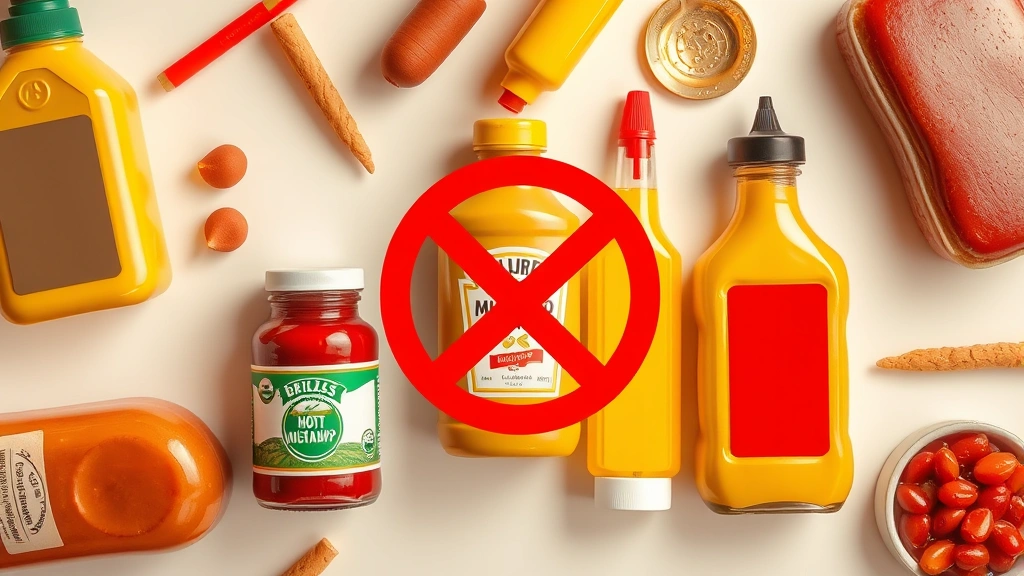
Condiments to Absolutely Avoid
This is the critical section, folks. Most traditional hot dog toppings in condiment form are problematic:
Mustard: Contains turmeric and other spices that upset sensitive stomachs. The sodium content is also concerning.
Ketchup: High in sugar and tomatoes (which can be problematic in large quantities). Many brands contain garlic powder—a definite no-go.
Relish: Usually contains onions and excessive sodium. This is a hard pass.
Mayonnaise: Pure fat. While a tiny amount won’t hurt, it contributes to obesity and pancreatitis risk.
Sauerkraut: Fermented foods can cause digestive issues in pets, and the sodium is through the roof.

According to the American Kennel Club’s guide on people foods to avoid, many common condiments contain ingredients that are toxic or harmful to dogs in ways owners don’t immediately recognize.
Cheese and Dairy Toppings: A Complicated Story
Many dogs are lactose intolerant, which makes cheese a risky topping choice. However, small amounts of low-lactose cheeses like cheddar or mozzarella might be tolerable for some pets. The real issue? Cheese is calorie-dense and high in fat, which can contribute to pancreatitis—a serious condition in dogs.
If you absolutely must add cheese, use a tiny amount, and monitor your pet for digestive upset afterward. Plain, unsalted cheese is your only option; anything with added seasonings is off-limits.
Fruit Toppings: The Sweet Surprise
Some fruits work as hot dog toppings, though it’s admittedly unconventional. Small pieces of apple (without seeds), banana, or watermelon can add a healthy twist. These provide fiber and vitamins without the problematic ingredients found in traditional condiments.
Absolutely avoid grapes, raisins, and anything containing xylitol (an artificial sweetener that’s extremely toxic to dogs). If a topping contains xylitol, it’s a medical emergency waiting to happen.
The Sodium Situation
Hot dogs themselves are sodium bombs—often containing 300-500mg of sodium per frank. Adding salty toppings amplifies the problem. Excessive sodium can lead to dehydration, high blood pressure, and kidney issues in pets, especially senior dogs.
This is why pet food safety guidelines recommend treating hot dogs as occasional indulgences, not regular meals. If you’re going to share, keep the toppings minimal and unseasoned.
Creating Your Own Pet-Friendly Hot Dog Topping Mix
Want to get creative? Here’s a simple recipe that won’t send your vet into cardiac arrest:
Mix shredded, unseasoned cooked chicken with finely diced, steamed carrots and a tiny dollop of plain pumpkin puree. This combination provides protein, fiber, and nutrients without any harmful additives. Your pet gets something special, and you get peace of mind.
For pets with food allergies, this customizable approach is perfect. You know exactly what’s going into the topping, and you can adjust based on your pet’s specific sensitivities.
Portion Control: How Much Is Too Much?
Even safe toppings need portion limits. A hot dog should represent no more than 10% of your pet’s daily caloric intake. For a medium dog eating about 1,000 calories daily, that means the entire hot dog with toppings should be around 100 calories.
This is where most pet owners go wrong. They load up a hot dog like it’s for themselves, forgetting that their 50-pound dog shouldn’t eat the same amount as a 200-pound human. Moderation is everything.
Special Considerations for Cats
Cats are obligate carnivores, so they’re actually less interested in most hot dog toppings than dogs are. However, if your cat shows interest, stick exclusively to plain cooked meat. Cats have even more sensitive digestive systems than dogs, and vegetables, fruits, and condiments are pretty much off the table entirely.
The PetMD guide on toxic foods for cats is worth reviewing if you have felines at home, as their toxicity profiles differ significantly from dogs’.
When to Call the Vet
If your pet has consumed problematic hot dog toppings, watch for vomiting, diarrhea, lethargy, or abdominal pain. Onion and garlic poisoning takes time to develop but can be serious. Xylitol poisoning is an immediate emergency.
Don’t wait it out. Call your vet or poison control (the ASPCA Animal Poison Control Center is 888-426-4435) if you’re concerned. It’s always better to be cautious with pet health.
Summary: The Safe Hot Dog Topping Playbook
The best approach to hot dog toppings for pets is the simple approach: plain cooked meat, steamed vegetables without seasoning, or a homemade mix you control completely. Skip the condiments entirely—they’re not worth the risk. Remember that hot dogs themselves are already problematic nutritionally, so toppings should either add genuine nutritional value or not exist at all.
Your pet loves you and will be just as happy with a plain hot dog as one loaded with toppings. That unconditional love doesn’t require us to share our exact foods—just our time and attention. When in doubt, keep it plain, keep it simple, and keep your furry friend healthy.
Frequently Asked Questions
Can dogs eat hot dogs with mustard?
No. Mustard contains spices and turmeric that can upset your dog’s stomach, and the sodium content is excessive. Plain hot dogs are fine occasionally, but skip all condiments including mustard.
What about hot dogs with relish?
Relish is a hard no. Most relish contains onions (toxic to dogs), excessive sodium, and unnecessary additives. Even a small amount can cause problems, so avoid it entirely.
Is it safe to give my dog a hot dog with cheese?
Only in very small amounts, and only if your dog isn’t lactose intolerant. A tiny pinch of plain, unsalted cheese might be okay, but it’s high in fat and calories. Monitor for digestive upset.
What’s the safest hot dog topping for my pet?
Plain, cooked, unseasoned chicken is the safest option. It provides protein without any harmful additives. Steamed carrots are also safe if cut into appropriate sizes.
How often can I give my dog hot dogs?
Hot dogs should be occasional treats only—maybe once a month or less. They’re high in sodium and fat, making them inappropriate as regular food. When you do offer one, keep toppings minimal and safe.
Are there any fruits that work as hot dog toppings?
Small pieces of apple (no seeds), banana, or watermelon are safe. However, avoid grapes, raisins, and anything with xylitol. Fruits should be finely chopped to prevent choking.





