
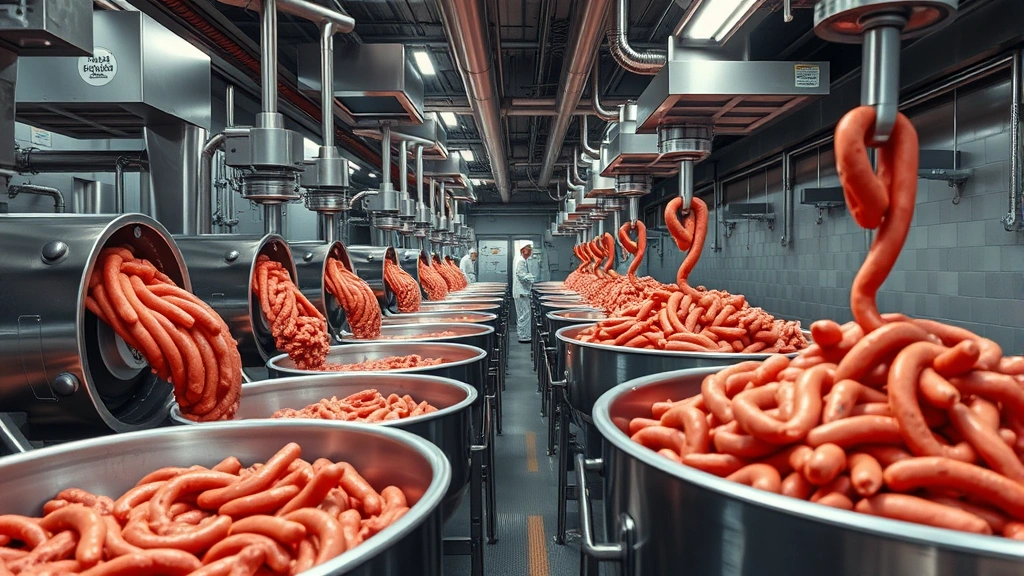
Ever wondered how are hot dogs made? You’re about to take a wild ride through the surprisingly complex world of hot dog manufacturing. What starts as raw meat and spices ends up as the beloved ballpark staple that’s been fueling American summers for over a century. Spoiler alert: it’s way more interesting (and slightly more gross) than you’d think.
Table of Contents
- The Mystery Meat: Where It All Begins
- The Grinding Game: Breaking It Down
- The Secret Sauce: Spices and Additives
- Emulsification: The Secret to Smoothness
- The Casing Conundrum: Natural vs. Artificial
- Stuffing and Linking: The Assembly Line
- Cooking and Smoking: Adding Flavor and Shelf Life
- Chilling and Packaging: The Final Stretch
- Quality Control: Making Sure Nothing’s Sketchy
- From Processing Plant to Your Grill
- The Regional Variations Game
- Frequently Asked Questions
- The Bottom Line: Hot Dogs Are More Complex Than They Look
The Mystery Meat: Where It All Begins
Let’s talk about the elephant in the room—or rather, the cow, pig, and turkey in the processing plant. Hot dogs start with meat trimmings that would otherwise go to waste. We’re talking about the bits and pieces left over after butchers cut premium steaks and roasts. This includes muscle tissue, fat, and sometimes organ meats like hearts, livers, and tongues. Don’t get squeamish yet—this is actually a smart use of resources. Most hot dogs are made from a blend of pork, beef, and sometimes poultry. Chicken hot dogs have become increasingly popular for health-conscious consumers looking for leaner options.
The Grinding Game: Breaking It Down
Once the meat arrives at the processing facility, it gets sorted, inspected, and frozen. When it’s time to make hot dogs, the meat is thawed and ground into a fine paste-like consistency. This grinding process is crucial—it creates the uniform texture you expect from a hot dog. The meat is kept cold throughout this stage to prevent bacterial growth and maintain food safety standards. Think of it like making the world’s meatiest smoothie.
The Secret Sauce: Spices and Additives
This is where hot dogs get their distinctive flavor and character. The ground meat mixture gets combined with water, salt, spices (garlic, paprika, mustard seed, coriander), and various additives. The additives include sodium nitrite (the preservative that gives hot dogs their pink color and prevents botulism), sodium phosphate (which helps retain moisture), and sometimes corn syrup or dextrose for sweetness. Each manufacturer guards their spice blend like it’s the formula for Coca-Cola. Some add hickory smoke flavoring, others go with a classic all-beef approach. This is what makes a Nathan’s Famous hot dog taste different from a ballpark frank.
Emulsification: The Secret to Smoothness
Here’s where food science gets wild. The meat mixture goes into a massive chopper that grinds it even finer while adding ice water. This creates an emulsion—basically, a stable blend where fat and water stay mixed together instead of separating. The cold temperature and the mechanical action cause the meat proteins to form a gel-like matrix that traps fat and water molecules. This is why hot dogs have that characteristic smooth, uniform texture. Without this step, you’d just have lumpy, separated meat paste.
The Casing Conundrum: Natural vs. Artificial
Now your hot dog mixture needs a home. Traditional casings are made from animal intestines—usually pig or sheep intestines that have been cleaned, salted, and preserved. These natural casings give hot dogs that satisfying snap when you bite into them. Modern manufacturers often use artificial casings made from cellulose, collagen, or plastic. These artificial casings don’t add flavor but provide consistency and easier processing. Some premium hot dogs still use natural casings, which is why they cost more and feel fancier. Your ballpark frank? Probably artificial casing. Your gourmet sausage? Likely natural.
Stuffing and Linking: The Assembly Line
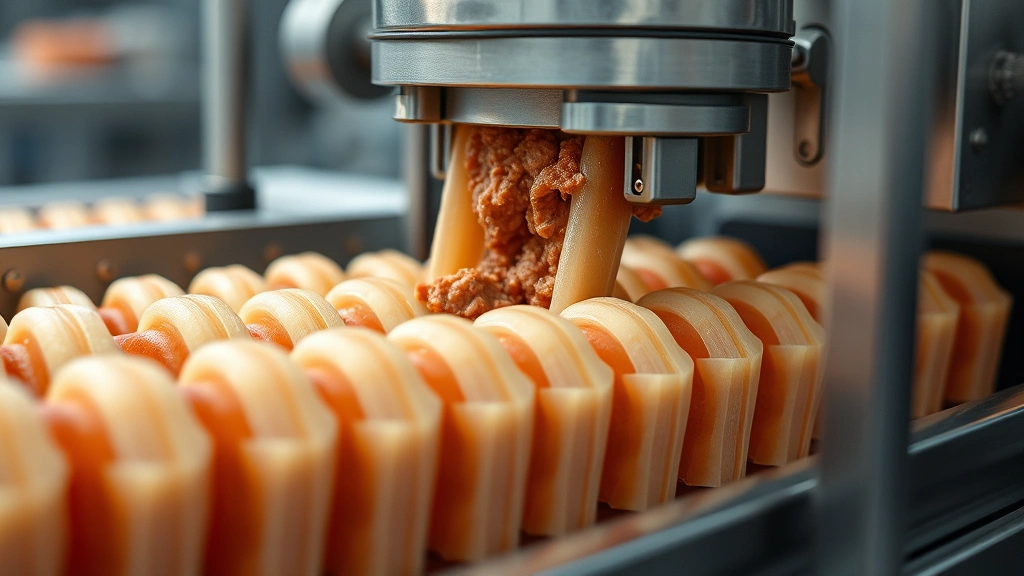
The hot dog mixture gets pumped into casings using specialized equipment. It’s like the world’s most efficient sausage-making operation. As the mixture fills the casings, the machine simultaneously twists and cuts them into individual hot dogs. This happens at an industrial scale—we’re talking thousands of hot dogs per hour. The freshly made hot dogs are then refrigerated and may be smoked or cooked, depending on the manufacturer’s process. This is the point where your hot dog actually starts looking like a hot dog.
Cooking and Smoking: Adding Flavor and Shelf Life
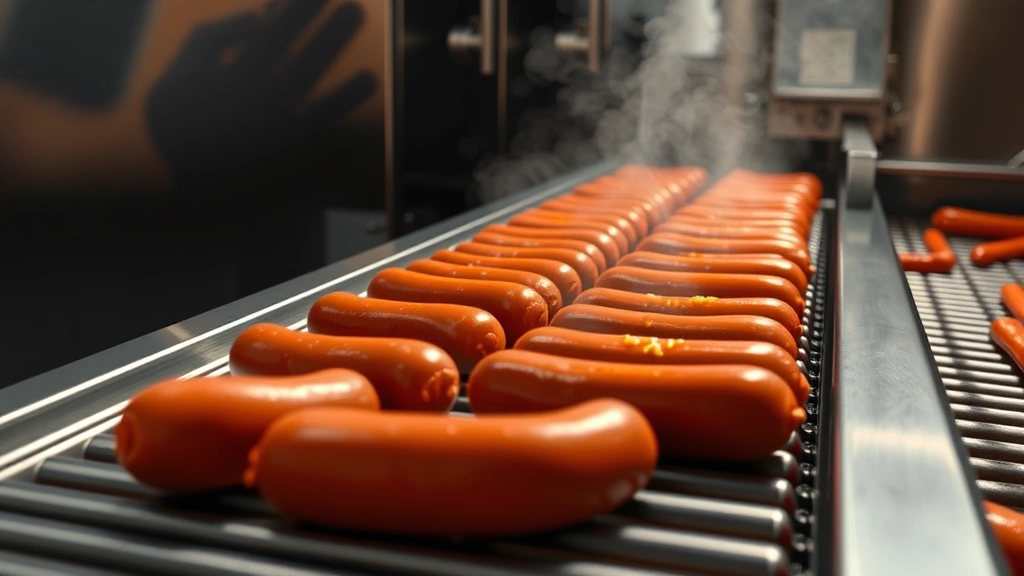
Many hot dogs are partially cooked during manufacturing through smoking, steaming, or water cooking. This cooking process serves multiple purposes: it develops flavor, kills bacteria, and extends shelf life. Traditional smoking gives hot dogs that classic taste and color. Modern facilities might use liquid smoke flavoring to speed up the process. The hot dogs are heated to an internal temperature that’s safe for consumption but not so high that they’re fully cooked. This is why you can eat a hot dog straight from the package (though we don’t recommend it) but they taste better when you grill or boil them at home.
Chilling and Packaging: The Final Stretch
After cooking, the hot dogs are rapidly chilled to stop the cooking process and prevent bacterial growth. They’re then packaged—either in vacuum-sealed packages or modified atmosphere packaging (MAP) that uses nitrogen gas to keep them fresh. The packaging is labeled with nutrition information, ingredients, and an expiration date. From this point, hot dogs are refrigerated and shipped to distributors and grocery stores. The entire process from raw meat to packaged product takes just a few hours.
Quality Control: Making Sure Nothing’s Sketchy
Throughout the entire manufacturing process, hot dogs undergo rigorous testing. Metal detectors screen for any metal contamination. Samples are tested for harmful bacteria like E. coli and Listeria. The USDA inspects hot dog facilities regularly to ensure they meet food safety standards. Modern hot dog plants are surprisingly clean and well-regulated, despite the popular jokes about not wanting to know what goes into them. The industry has come a long way since the days of questionable practices.
From Processing Plant to Your Grill
Once packaged, hot dogs are shipped to distribution centers and then to your local grocery store. They typically have a shelf life of about two weeks when refrigerated. When you buy them, you’re getting a product that was manufactured anywhere from a few days to a couple of weeks prior. Store them in your fridge until you’re ready to cook them. If you want to keep them longer, toss them in the freezer—they’ll last several months. As for what you should feed your actual pets, that’s a different story entirely. Hot dogs aren’t recommended for dogs despite the name.
The Regional Variations Game
Not all hot dogs are created equal. Different regions and manufacturers have their own takes on the classic. Chicago-style hot dogs are all-beef and cooked in a specific way. Some regions prefer the chicken wing, chicken wing, hot dog and baloney combination for variety. Nathan’s Famous uses a proprietary blend that’s kept secret. Oscar Mayer focuses on consistency and shelf appeal. Hebrew National makes all-beef hot dogs without certain additives. Each manufacturer’s process varies slightly based on their recipes, equipment, and quality standards. The beauty of hot dogs is that there’s a style for everyone.
Frequently Asked Questions
Are hot dogs made from scraps and leftovers?
Yes, but that’s not necessarily a bad thing. Hot dogs are made from meat trimmings and byproducts that would otherwise be wasted. This includes muscle tissue, fat, and sometimes organ meats. The key is that all ingredients are inspected and meet food safety standards. It’s actually a sustainable use of the entire animal.
What’s the pink stuff in hot dogs?
The pink color comes from sodium nitrite, a preservative that prevents botulism and gives hot dogs their characteristic color and flavor. It’s been used in cured meats for centuries and is considered safe in the amounts used in hot dogs.
Can you eat hot dogs straight from the package?
Technically yes, because most hot dogs are pre-cooked during manufacturing. However, they taste much better when you grill, boil, or pan-fry them at home. Plus, heating them kills any potential bacteria that might have developed during storage.
How long do hot dogs last in the fridge?
Unopened hot dogs typically last about two weeks in the refrigerator. Once opened, eat them within three to four days. If you want to keep them longer, freeze them for up to three months.
What’s the difference between hot dogs and sausages?
The main differences are the meat blend, fat content, and spice levels. Hot dogs are typically finely ground and emulsified, while sausages are often coarser. Hot dogs are also usually pre-cooked, while sausages often aren’t. Both are delicious in their own ways.
Are natural casing hot dogs better than artificial casing?
It depends on your preferences. Natural casings give you that satisfying snap and are made from animal intestines. Artificial casings are consistent and easier to process. Neither is inherently better—it’s about what texture and experience you prefer.
The Bottom Line: Hot Dogs Are More Complex Than They Look
Now you know exactly how are hot dogs made—from meat scraps to emulsified mixture to stuffed casings to your backyard grill. The process is surprisingly scientific and heavily regulated, despite the jokes about mystery meat. Modern hot dog manufacturing combines traditional techniques with modern food science to create a consistent, safe, and delicious product. Whether you prefer all-beef, chicken, or pork hot dogs, whether you like natural or artificial casings, or whether you’re concerned about vet approved human foods for pets, understanding the manufacturing process helps you make informed choices. The next time you bite into a hot dog, you can appreciate the journey it took to get there. And if someone asks you what’s really in a hot dog, you can give them the real answer instead of perpetuating the myths.





