
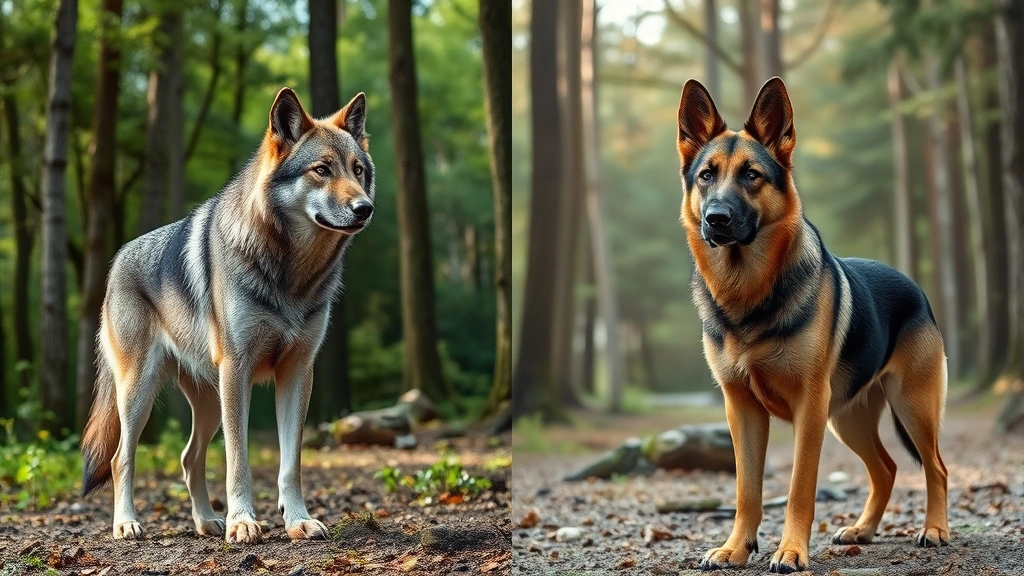
So you’re wondering how big is a wolf compared to a dog? Well, buckle up, because the answer might surprise you more than finding out your Chihuahua could fit in a wolf’s mouth like a tennis ball. Wolves are absolutely massive compared to most dog breeds, and the size difference is genuinely mind-blowing when you dig into the numbers.
Table of Contents
- The Average Wolf Size: Nature’s Heavyweight Champion
- Standard Dog Breeds: The Size Spectrum
- Muscle Mass and Build: Why Wolves Win
- Head and Jaw Size Comparison
- Regional Variations: Not All Wolves Are Created Equal
- The Wolf-Dog Hybrid Confusion
- Endurance and Athleticism: More Than Just Size
- Size Comparison Chart: The Numbers Game
- Why This Matters: Understanding Canine Evolution
- The Psychological Impact of Size
- Frequently Asked Questions
- Final Thoughts: Appreciating the Difference
The Average Wolf Size: Nature’s Heavyweight Champion
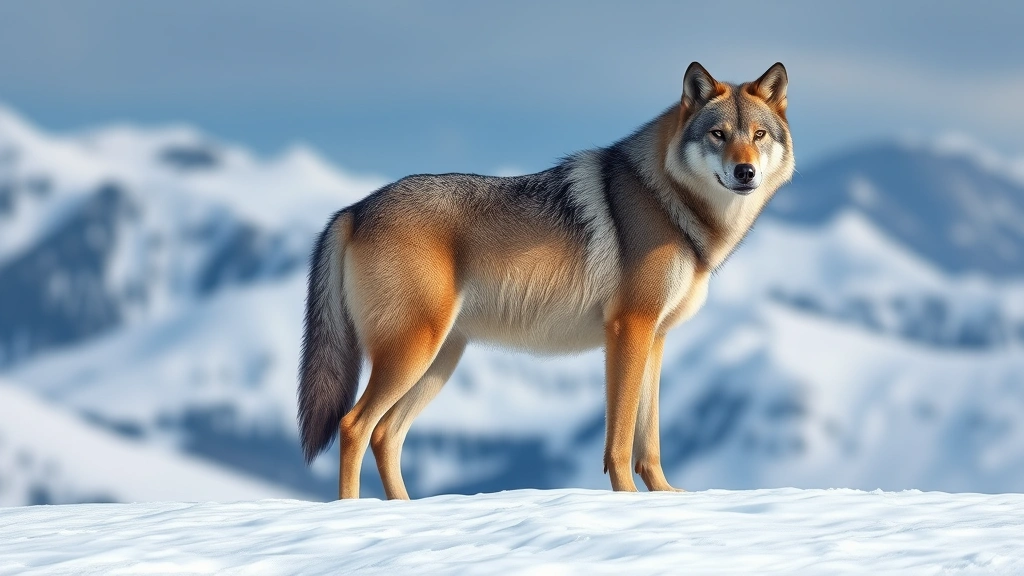
Let’s start with the big guy here—the wolf. Gray wolves, which are the most common subspecies, typically weigh between 50 to 110 pounds, with some absolute units reaching up to 140 pounds in northern regions. Males are generally larger than females, which is pretty typical in the animal kingdom. In terms of height, wolves stand about 26 to 32 inches tall at the shoulder. To put that in perspective, that’s taller than most Golden Retrievers and roughly equivalent to a large German Shepherd standing on its hind legs.
But here’s where it gets wild—wolves have longer legs than dogs, which gives them that lean, predatory look. Their body length stretches from 4.5 to 6.5 feet, not counting the tail. That’s longer than most people are tall when you factor in the tail, which adds another 1 to 2 feet. When you see a wolf in person (hopefully from a safe distance), it looks like someone took a German Shepherd and hit the “enlarge” button in Photoshop.
Standard Dog Breeds: The Size Spectrum
Now, here’s the thing about dogs—they come in more sizes than a Starbucks menu. You’ve got your tiny Chihuahuas weighing 2 to 6 pounds, your medium breeds like Beagles at 20 to 30 pounds, and your large breeds like Great Danes that can hit 110 to 175 pounds. This is where comparing wolves to dogs gets complicated because the answer changes depending on which dog you’re talking about.
Most people’s reference point for a large dog is a German Shepherd or Labrador Retriever, both weighing around 55 to 80 pounds. These are genuinely big dogs that most people would cross the street to avoid if they looked aggressive. Yet, a wolf still outweighs them by a solid margin. Even the largest dog breeds pale in comparison to the average wolf when you factor in muscle density, leg length, and overall frame structure. For more information on large breed care and characteristics, check out our guide on Colorado Mountain Dog breeds.
Muscle Mass and Build: Why Wolves Win
Here’s something people don’t always consider—it’s not just about the numbers on the scale. Wolves have a completely different body composition than dogs. Their muscles are denser, their bones are thicker, and their overall frame is built for endurance and hunting. A 90-pound wolf is significantly more intimidating than a 90-pound dog, even if they technically weigh the same.
Wolves have massive shoulders, powerful hindquarters, and a chest that looks like they’ve been hitting the gym since puppyhood. Dogs, even large breeds, typically have a more refined build because they’ve been selectively bred for thousands of years to live alongside humans. Wolves are built like nature’s perfect predator, while dogs are built like… well, like dogs. The muscle-to-fat ratio in wolves is dramatically higher, making them appear even larger than their actual weight suggests.

Head and Jaw Size Comparison
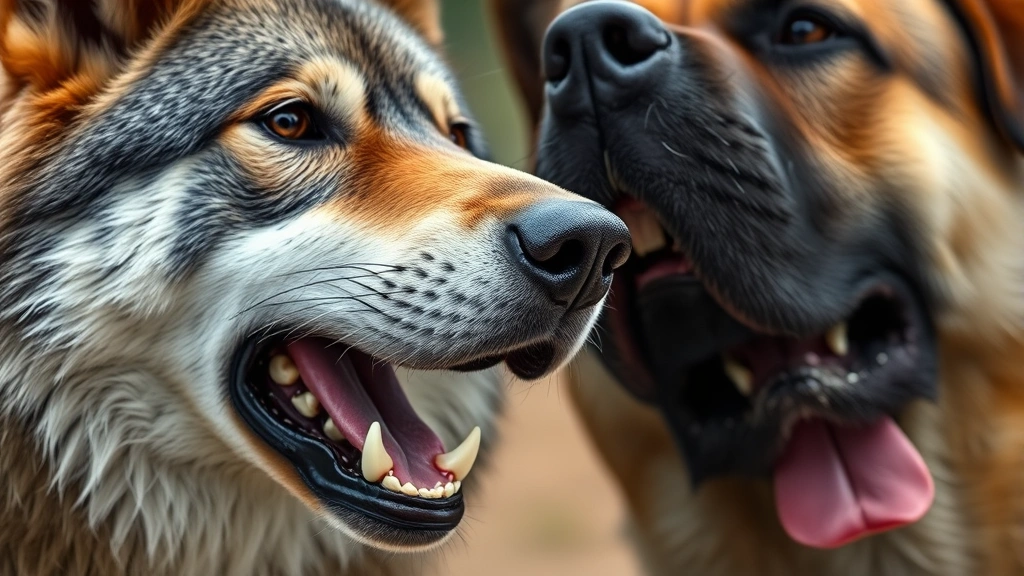
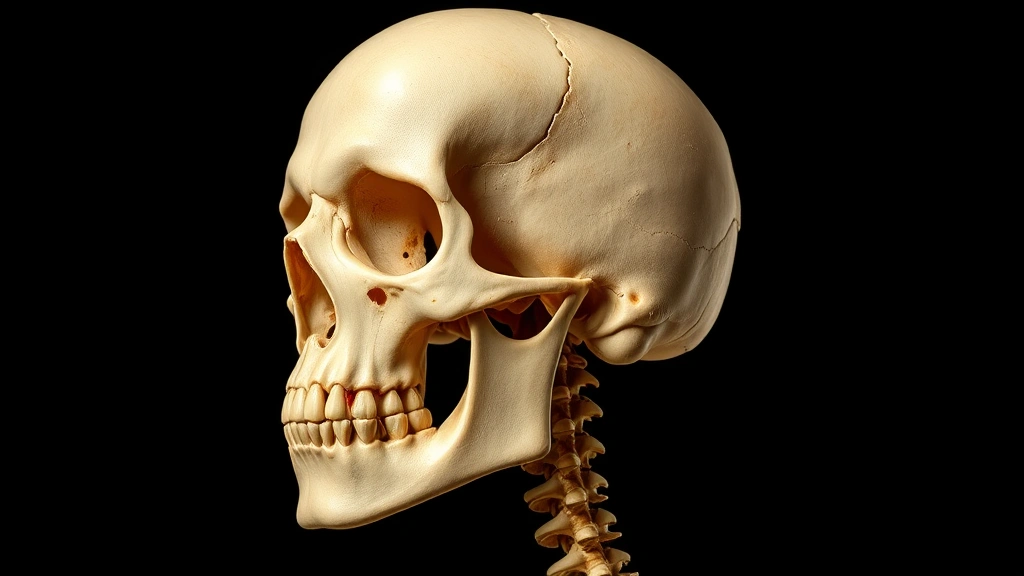
Let’s talk about the part that probably matters most if you’re worried about a wolf encounter—the head and jaws. Wolf skulls are noticeably larger than dog skulls, even when comparing to large dog breeds. A wolf’s head is broader, with a longer snout and more powerful jaw muscles. Their bite force is around 400 PSI, compared to a German Shepherd’s 238 PSI or a Pit Bull’s 235 PSI. That’s a significant difference when we’re talking about predatory power.
Wolf teeth are also larger and more spaced out than dog teeth, designed for gripping and tearing rather than the varied functions dog teeth have developed. When you look at a wolf’s face head-on, it’s noticeably wider and more imposing than any dog’s face you’ve probably seen. This isn’t just aesthetic—it’s functional anatomy that reflects their role as apex predators.
Regional Variations: Not All Wolves Are Created Equal
Here’s a fun fact that complicates things even more—wolf size varies significantly depending on where they’re from. Gray wolves in northern Canada and Alaska tend to be substantially larger than their cousins in the lower 48 states or Europe. Arctic wolves can weigh up to 140 pounds or more, making them some of the largest canines on the planet. Meanwhile, wolves in warmer climates tend to be leaner and lighter.
This is actually similar to how dog breeds vary, but the difference is more dramatic in wolves because they haven’t been selectively bred by humans. Instead, they’ve adapted to their environment over thousands of years. A Yukon wolf would absolutely dwarf a Southern gray wolf, just like an Alaskan Malamute would tower over a Chihuahua.
The Wolf-Dog Hybrid Confusion
Before we go further, let’s address the elephant in the room—wolf-dog hybrids. These animals exist, and they’re genuinely unpredictable. They tend to be somewhere between a wolf and a dog in size, but their temperament is a complete wildcard. They’re not recommended as pets, and many states have banned them. If you’re curious about large dog breeds that might seem wolf-like, check out our article on Colorado Mountain Dog breeds for a safer alternative. You might also be interested in learning about the costliest breed of dog if you’re considering a premium large breed.
Endurance and Athleticism: More Than Just Size
When discussing how big is a wolf compared to a dog, we need to talk about what that size actually means functionally. Wolves can run at speeds up to 40 mph and maintain a steady pace of 5 mph for hours. They can jump 16 feet horizontally and have incredible stamina that allows them to hunt across vast territories. Most dogs, even athletic breeds, can’t match this level of sustained performance.
A wolf’s larger frame supports longer legs and a more efficient gait designed for covering ground. While a dog might sprint faster in a short burst, a wolf’s endurance is legendary. This is why wolves can hunt large prey like moose and elk—their size and stamina combination makes them formidable predators in ways that even the most athletic dog breeds simply can’t match.
Size Comparison Chart: The Numbers Game
Let’s break down some specific comparisons to make this crystal clear:
- Gray Wolf: 50-140 lbs, 26-32 inches tall at shoulder
- German Shepherd: 50-90 lbs, 22-26 inches tall at shoulder
- Golden Retriever: 55-75 lbs, 20-24 inches tall at shoulder
- Great Dane: 110-175 lbs, 28-34 inches tall at shoulder
- Chihuahua: 2-6 lbs, 6-9 inches tall at shoulder
As you can see, while some Great Danes rival wolves in weight, they don’t have the same muscle density or predatory build. The average wolf is larger than the average dog breed, and when you factor in body composition, the difference becomes even more pronounced.

Why This Matters: Understanding Canine Evolution
Understanding how big is a wolf compared to a dog helps us appreciate how dramatically selective breeding has changed canines over the past 15,000 years. Humans took wolves and deliberately bred them for specific traits—some for size, some for speed, some for temperament. This created the incredible diversity we see in dog breeds today, from tiny Chugs (a Chihuahua-Pug mix) to massive Great Danes.
Wolves, on the other hand, have remained relatively unchanged because they’re still subject to natural selection. They need to be big enough to hunt effectively, but not so big that they require excessive food. They need to be smart enough to hunt in packs and adapt to changing environments. This is why wolves maintain a fairly consistent size range across populations, while dogs range from 2 pounds to 200+ pounds depending on breed.
For more information about dog nutrition as it relates to different sizes, check out our pet nutrition advice guide.
The Psychological Impact of Size
Here’s something interesting—size isn’t just a physical characteristic; it’s also psychological. Wolves appear larger than their actual measurements because of their presence, their posture, and their behavior. They move with confidence and purpose. Dogs, even large ones, often seem more approachable because they’ve been bred to live with humans and read human social cues.
When you see a wolf, your brain registers it as dangerous and powerful. When you see a German Shepherd, even one that weighs the same, your brain registers it as a large dog. This perception gap is real and has evolutionary roots—our ancestors who were cautious around large predators survived more often than those who weren’t.
Frequently Asked Questions
Can a wolf beat a large dog in a fight?
Yes, absolutely. A wolf would almost certainly defeat any single dog breed in a direct confrontation. Wolves have superior muscle density, bite force, and predatory instincts. They’re also pack hunters, so they’re trained (by nature) to work together tactically. A dog, even a large aggressive breed, is no match for a wolf.
Are wolves always bigger than dogs?
Not always. Some dog breeds, particularly Great Danes and Saint Bernards, can match or exceed wolf weight. However, even when weights are similar, wolves are typically more muscular and have a different body composition that makes them appear and function as larger animals.
How much bigger is a wolf than a German Shepherd?
On average, a wolf is 20-40% heavier than a German Shepherd, though the difference in muscle mass and functional size is even more significant. A wolf at 90 pounds is noticeably larger and more powerful than a German Shepherd at 75 pounds.
What’s the smallest wolf compared to the largest dog breed?
The smallest wolves (around 50 pounds) are roughly comparable in weight to large dog breeds like Great Danes (which can exceed 150 pounds). However, even a small wolf is more densely muscled than a large dog breed.

Why do wolves look bigger than their weight suggests?
Wolves have longer legs, larger heads, more muscular builds, and a different posture than dogs. They also move with predatory confidence, which makes them appear larger. Their body composition is optimized for hunting rather than companionship, which affects how their size is distributed.
Can you keep a wolf as a pet?
In most places, no. Wolves are wild animals and are illegal to own as pets in most jurisdictions. Even wolf-dog hybrids are banned in many areas. If you want a large dog that resembles a wolf, consider breeds like Huskies, Malamutes, or German Shepherds instead.
Final Thoughts: Appreciating the Difference
So, to answer the original question: how big is a wolf compared to a dog depends on which dog you’re comparing it to, but generally, wolves are significantly larger and more powerfully built than most dog breeds. The average wolf weighs 50-140 pounds and stands 26-32 inches tall at the shoulder, with a body length of 4.5-6.5 feet. Most dogs, even large breeds, don’t match these dimensions, and even when they do in terms of weight, they lack the muscle density and predatory build of a wolf.
Understanding this size difference helps us appreciate both wolves and dogs for what they are—wolves as perfectly adapted wild predators, and dogs as the incredibly diverse companions humans have created through selective breeding. Both are remarkable canines, just optimized for completely different purposes. Whether you’re interested in large dog breeds or just curious about wildlife, recognizing these differences enriches our understanding of the animal kingdom.





