
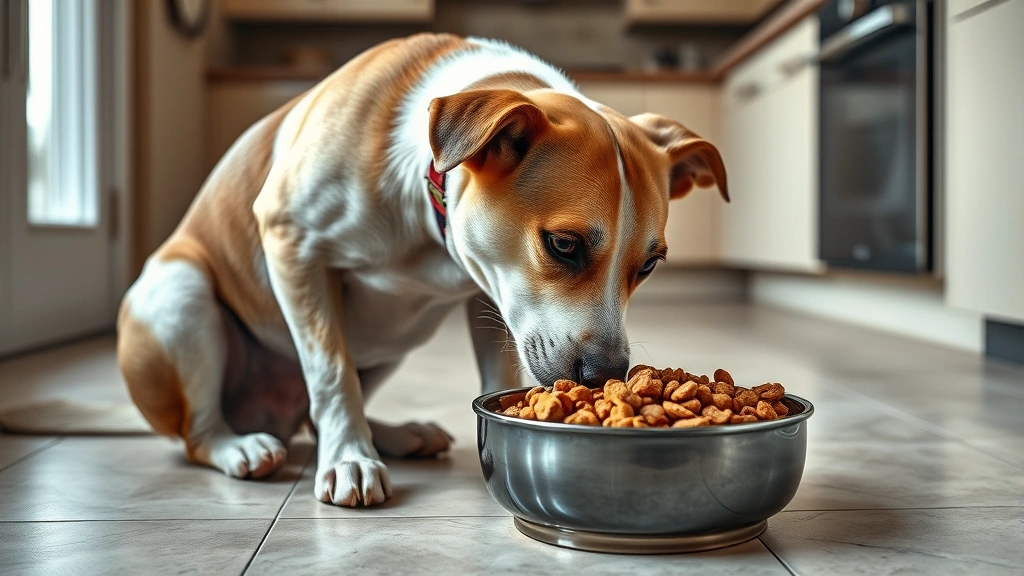
So how can I get my dog to gain weight? If you’re asking this question, you’ve probably noticed your pup looking a bit too lean, and you’re ready to beef them up—literally. Whether your dog is a recovering rescue, a picky eater, or just blessed with a naturally fast metabolism, helping your furry friend pack on healthy pounds is totally doable. Let’s dig into the proven methods that actually work.
Table of Contents
- Why Is Your Dog Underweight in the First Place?
- Method 1: Switch to High-Calorie Dog Food
- Method 2: Increase Meal Frequency and Portion Sizes
- Method 3: Add Nutrient-Dense Toppers and Supplements
- Method 4: Optimize Treat Strategy with Calorie-Dense Options
- Method 5: Focus on Digestive Health and Nutrient Absorption
- The Right Feeding Schedule Matters
- Monitoring Progress: How to Know It’s Working
- Common Mistakes to Avoid
- When to Call Your Vet (Again)
- Summary: Your Action Plan
- Frequently Asked Questions
Why Is Your Dog Underweight in the First Place?
Before you start dumping extra kibble into the bowl, let’s talk about why your dog might be skinny. Sometimes it’s not about the food at all. Medical issues like parasites, thyroid problems, or digestive disorders could be the culprit. That’s why your first stop should always be your vet. Seriously—don’t skip this. A quick checkup rules out health problems and gives you a baseline for your pup’s ideal weight.
Other reasons include stress, anxiety, or just being a naturally lean breed. Some dogs are built like greyhounds no matter what you feed them. But if your vet gives the all-clear, then we can focus on nutrition and feeding strategies.
Method 1: Switch to High-Calorie Dog Food
The easiest way to help your dog gain weight is upgrading their food. Not all kibble is created equal. Premium, high-fat dog foods pack way more calories per cup than budget brands. Look for foods with at least 25-30% fat content and higher protein levels. These formulas are designed for active dogs and those needing extra calories.
Check out vet-approved human foods for pets to supplement their regular diet with nutrient-dense options. Wet food is another game-changer because it’s calorie-dense and often more palatable for picky eaters. Your dog might actually get excited about mealtime again.
Method 2: Increase Meal Frequency and Portion Sizes
Instead of one or two meals a day, try feeding your dog three or four smaller meals. This approach helps with digestion and allows them to consume more calories throughout the day without overwhelming their stomach. It’s like grazing instead of gorging.
Gradually increase portion sizes too, but do it slowly over 7-10 days to avoid digestive upset. A good rule of thumb: add about 10-15% more food each week until you see weight gain. Your vet can recommend the exact amount based on your dog’s current weight and target weight.
Method 3: Add Nutrient-Dense Toppers and Supplements
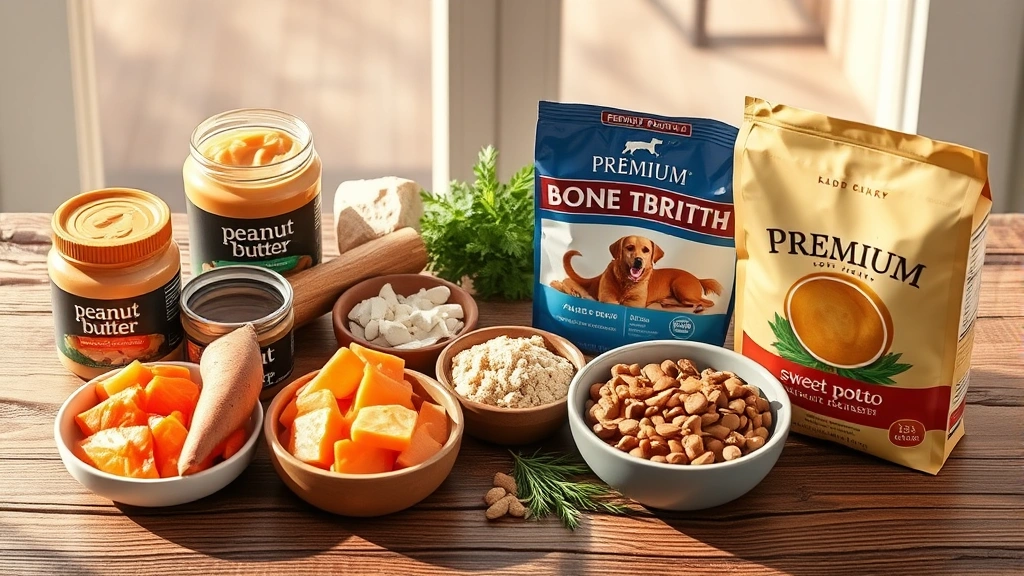
This is where things get fun. You can boost your dog’s regular meals with high-calorie toppers that make food irresistible. Bone broth, pumpkin puree, and superfoods for pets are excellent additions that increase both calories and nutritional value.
Peanut butter (xylitol-free!), salmon oil, and sweet potato are powerhouses for weight gain. A tablespoon of peanut butter adds roughly 95 calories to a meal. Fish oil supplements aren’t just great for weight—they also support coat health and reduce inflammation. Mix these toppers into their kibble, and suddenly your dog’s boring dinner becomes a five-star meal.
Method 4: Optimize Treat Strategy with Calorie-Dense Options
Treats can contribute significantly to weight gain if you choose wisely. Instead of low-calorie training treats, switch to high-value treats from kitchen ingredients that pack more calories. Cheese, cooked chicken with skin, and beef jerky are dog favorites that won’t leave you broke.
Just remember: treats shouldn’t exceed 10% of daily calorie intake. If your dog’s daily calorie target is 1,000 calories, treats should max out at 100 calories. Use treats strategically during training or as rewards, and watch the weight climb.
Method 5: Focus on Digestive Health and Nutrient Absorption
Here’s the thing nobody talks about: your dog could be eating plenty but not absorbing the nutrients properly. If they have digestive issues, probiotics and digestive enzymes can be game-changers. A healthy gut means better nutrient absorption and more efficient weight gain.
Warming up wet food slightly can also improve digestibility and make meals more appealing. Some dogs just respond better to warm food—it smells better and feels easier on their stomach. Consider adding human foods for weight management in pets that are easy to digest, like cooked chicken, rice, and lean ground turkey.
The Right Feeding Schedule Matters
Timing is everything. Feed your dog at consistent times each day so their body gets into a rhythm. Morning and evening meals work best for most dogs, but if you’re doing three meals, space them 6-8 hours apart. Consistency helps with appetite regulation and makes it easier to track progress.
Avoid feeding right before or after intense exercise, as this can cause digestive upset. A good rule: wait 30-60 minutes after exercise before feeding. And always provide fresh water throughout the day.
Monitoring Progress: How to Know It’s Working
Track your dog’s weight weekly at your vet’s office. Most vets let you pop in just to use their scale for free. You should see gradual weight gain of 1-2 pounds per week, depending on your dog’s size. Take photos from the side every two weeks—you’ll visually notice the difference before the scale does.
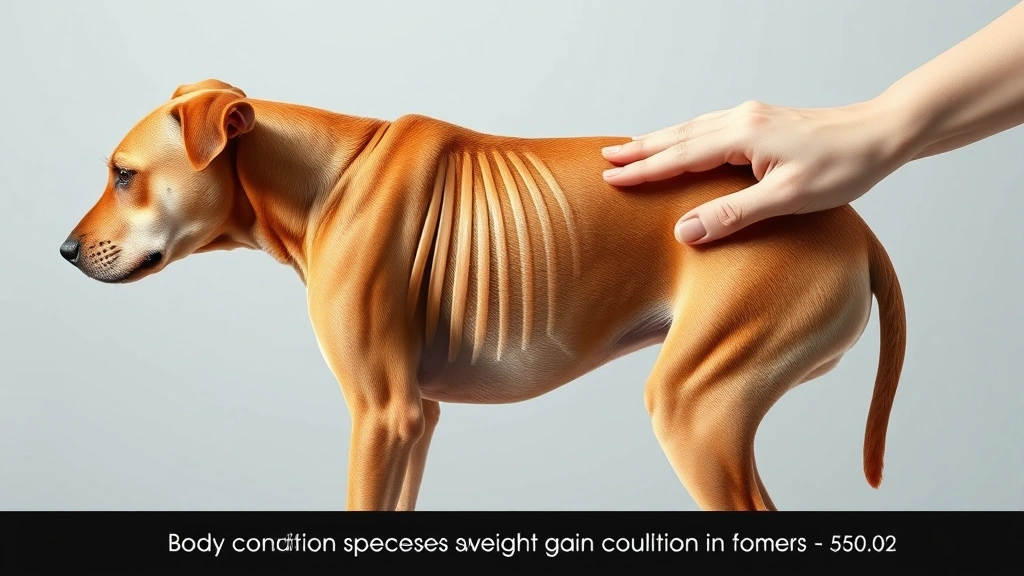
Feel your dog’s ribs regularly. You should be able to feel them with gentle pressure but not see them prominently. This is the sweet spot for a healthy weight. If your dog isn’t gaining weight after 4-6 weeks despite increased calories, it’s time for a vet follow-up to rule out underlying issues.
Common Mistakes to Avoid
Don’t just dump cheap filler food into the bowl thinking quantity equals weight gain. Your dog needs quality calories from protein and fat, not empty carbs. Also, avoid making sudden diet changes. Transition new foods over 7-10 days to prevent vomiting and diarrhea.
Another mistake: overfeeding treats or human food without adjusting regular meals. This creates nutritional imbalances and can lead to health problems. Stick to skin and coat health foods that provide balanced nutrition rather than junk calories.
When to Call Your Vet (Again)
If your dog isn’t gaining weight despite increased calories, has chronic diarrhea, vomits frequently, or shows other signs of illness, contact your vet immediately. Some dogs need special prescription diets or have conditions requiring professional management. There’s no shame in that—it just means your pup needs specialized care.
Summary: Your Action Plan
Getting your dog to gain weight doesn’t require rocket science. Start with a vet checkup, switch to higher-calorie food, increase meal frequency, add nutrient-dense toppers, and use quality treats strategically. Monitor progress weekly and adjust as needed. Most dogs see results within 4-8 weeks with consistent effort. The key is patience and choosing nutrient-dense options that support overall health, not just empty calories.
Frequently Asked Questions
How much weight should my dog gain per week?
Most dogs should gain 1-2 pounds per week depending on their size. Small dogs might gain less, while large breeds can gain more. Always consult your vet for your dog’s specific target weight gain rate.
Is wet food better than dry food for weight gain?
Wet food is often better for weight gain because it’s calorie-dense and more palatable. However, the best food is whatever your dog will actually eat consistently. You can also mix wet and dry for optimal results.
Can I give my dog unlimited treats to help them gain weight?
No. Treats should never exceed 10% of daily calorie intake. Unlimited treats can cause nutritional imbalances and health problems. Stick to strategic, high-quality treat additions.
How long does it take to see weight gain results?
Most dogs show noticeable weight gain within 4-6 weeks of increased calories. Some may take longer depending on metabolism and underlying health. Weekly weigh-ins help track progress accurately.
Should I be concerned if my dog suddenly loses weight?
Yes. Sudden weight loss can indicate serious health issues like parasites, thyroid problems, or cancer. Contact your vet immediately if your dog loses weight unexpectedly.
Always consult with your veterinarian before making significant changes to your dog’s diet. This article is for informational purposes and should not replace professional veterinary advice.





