
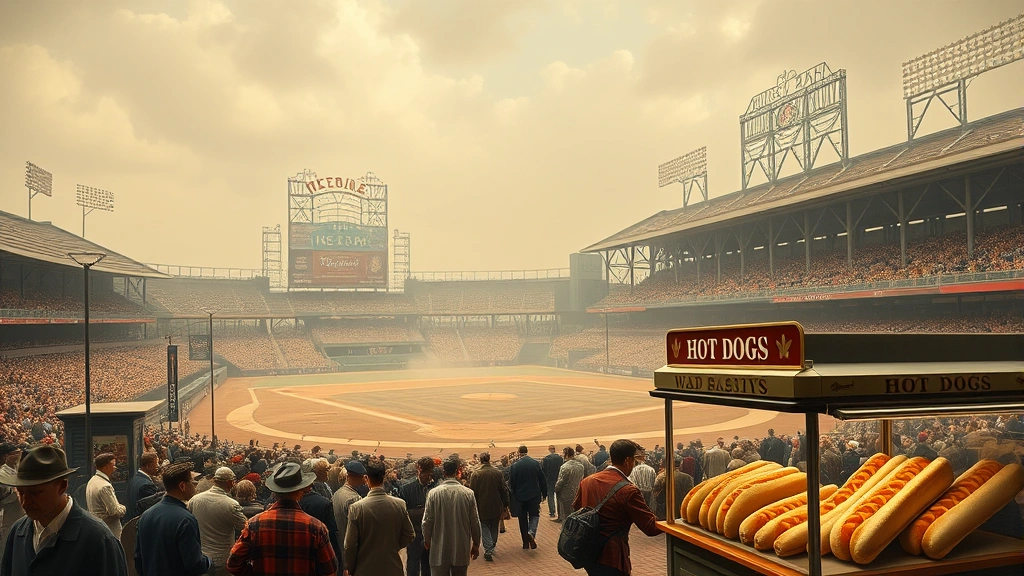
Ever wondered how did hot dogs get their name? The answer is way more entertaining than you’d expect, and it involves German sausages, a clever vendor, and a whole lot of marketing genius. Let’s dig into this deliciously quirky piece of American food history that’s been passed down through generations like a family recipe nobody questions.
Table of Contents
- The German Sausage Connection: Where It All Began
- The Dachshund Dog and the Name Connection
- The Role of Baseball Games and Street Vendors
- The Hot Dog’s Journey Through American Culture
- Why “Hot” Instead of Just “Dog”?
- The Frankfurter vs. Hot Dog Debate
- Hot Dogs Around the World: Different Names, Same Sausage
- The Modern Hot Dog Industry and Branding
- The Science Behind the Naming: Why Nicknames Stick
- Hot Dogs and American Identity
- Fun Facts About Hot Dog Naming and History
- The Future of Hot Dog Terminology
- Frequently Asked Questions
- Conclusion: The Hot Dog Name Lives On
The German Sausage Connection: Where It All Began
The story of hot dogs doesn’t actually start in America—it starts in Germany. The dachshund sausage, or “dachshurst,” was a long, thin sausage that became popular in Frankfurt and Vienna during the 1800s. German immigrants brought this beloved sausage with them when they came to the United States, and it quickly became a street food favorite. The sausage’s elongated shape was oddly similar to a dachshund dog, which is where the real fun begins.
The Dachshund Dog and the Name Connection
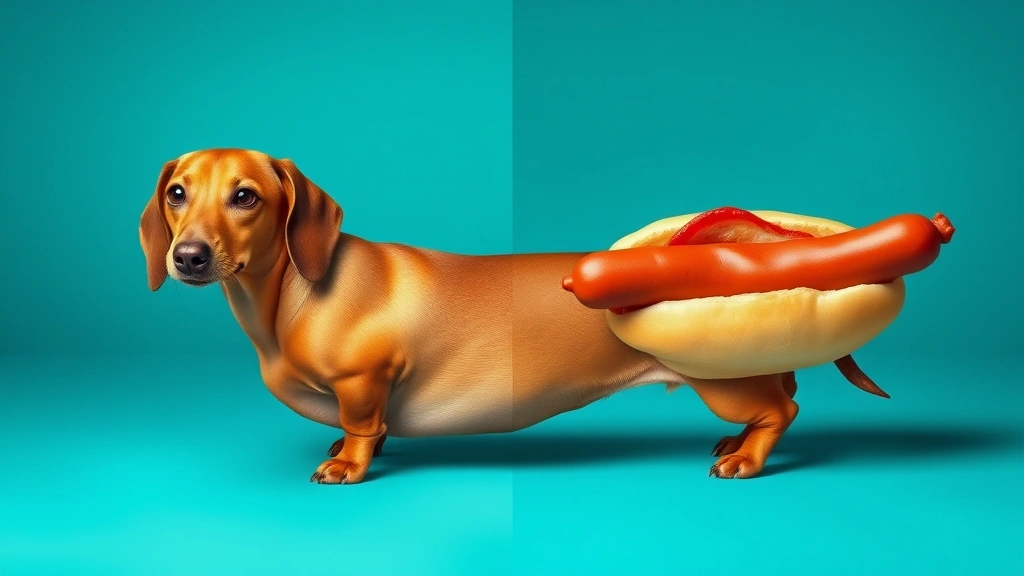
Here’s where the naming gets clever. Dachshund dogs are long, low-to-the-ground pups with short legs—basically living sausages with fur. When German vendors started selling these frankfurter sausages at baseball games and street corners in the late 1800s, customers started making the obvious joke: “That sausage looks just like a dachshund!” The name stuck, and people began calling them “dachshund sausages” or simply “dachshund dogs.” Over time, this got shortened to just “hot dogs.” It’s the kind of nickname that probably started as a joke but became so popular that nobody could stop using it.
The Role of Baseball Games and Street Vendors
The real acceleration of the hot dog name happened at baseball games in the early 1900s. Vendors would yell “Get your dachshund sausages here!” at sporting events, and the name was catchy enough to catch on with crowds. One famous story credits Harry Stevens, a vendor at the Polo Grounds in New York, with popularizing the term around 1900. According to legend, Stevens was selling the sausages in bread rolls, and a cartoonist named Tad Dorgan saw them and created a cartoon featuring the sausages. Dorgan couldn’t spell “dachshund,” so he simply wrote “hot dog” instead—and boom, a legend was born. Whether this story is 100% accurate is debatable, but it’s the most popular origin tale.
The Hot Dog’s Journey Through American Culture
Once the name “hot dog” caught fire at baseball games, it spread like wildfire through American culture. The combination of the catchy name, the portability of the food, and its affordability made it perfect for working-class Americans. By the 1920s and 1930s, hot dogs had become an iconic American food, completely overshadowing the original “frankfurter” or “dachshurst” names. The hot dog became so American that many people don’t even realize it’s actually a German invention that just got a funny American nickname.
Why “Hot” Instead of Just “Dog”?
You might be wondering why the name includes “hot” in the first place. The answer is simple: the sausages were served hot. Unlike cold cuts or other preserved meats, these sausages were cooked and served warm, which was a big deal for street food vendors in the early 1900s. Calling them “hot dogs” emphasized that they were fresh, warm, and ready to eat immediately. It was a marketing genius move that highlighted the best feature of the product—that it was hot and ready to go.
The Frankfurter vs. Hot Dog Debate
While “hot dog” became the dominant name in America, the term “frankfurter” never completely disappeared. Frankfurters come from Frankfurt, Germany, and technically, a frankfurter is just the sausage itself. A hot dog, technically speaking, is the combination of the frankfurter sausage and the bread roll. However, in modern usage, most people use “hot dog” and “frankfurter” interchangeably. It’s one of those linguistic quirks where the casual name completely took over, and the original name became secondary. If you want to be a food snob, you can call it a frankfurter, but everyone will know what you mean if you just say hot dog.
Hot Dogs Around the World: Different Names, Same Sausage
Interestingly, the hot dog name is mostly an American thing. In Germany, they still call it a “wurst” or “bratwurst.” In Vienna, it might be called a “würstel.” In the UK, you might hear “sausage in a bun.” The hot dog name really took off in America and spread from there, but it’s not universal. This shows how much of food naming is tied to specific cultural moments and marketing rather than any official designation. The fact that Americans called it a “hot dog” and that name stuck is pretty much a historical accident that became permanent.
The Modern Hot Dog Industry and Branding
Today, the hot dog industry is massive in America. Companies like Nathan’s Famous and Oscar Mayer have built entire empires around the hot dog, and the name is so established that it’s basically trademarked in American culture. The Nathan’s Famous Hot Dog Eating Contest has become a Fourth of July tradition, and hot dogs are served at practically every American sporting event, fair, and barbecue. The name “hot dog” has become so iconic that it’s hard to imagine calling them anything else. If you want to learn more about what your actual pets can safely eat, check out our guide on vet-approved human foods for pets.
The Science Behind the Naming: Why Nicknames Stick
From a linguistic perspective, the hot dog name is fascinating. It’s a perfect example of how casual, humorous names can completely replace formal names in popular culture. The dachshund dog comparison was so visual and so funny that it stuck in people’s minds better than any official name ever could. Psychologists and linguists have studied how nicknames spread, and the hot dog is a textbook example of how a funny, memorable name can become the dominant term. The fact that it was paired with a visual joke (the sausage looks like a dog) made it even more powerful. People remember funny things better than boring official names, which is why “hot dog” won out over “frankfurter.” For more information about the actual dachshund breed that inspired the name, you might enjoy learning about different dog breeds and their histories.
Hot Dogs and American Identity
The hot dog has become so embedded in American culture that it’s practically a symbol of the country itself. The name “hot dog” is distinctly American, and it represents a specific moment in American history when street food, baseball, and casual eating culture were all coming together. The fact that Americans took a German sausage and gave it a funny new name that stuck is very American—it’s practical, humorous, and unpretentious. The hot dog name has become part of American identity in a way that “frankfurter” never could have.
Fun Facts About Hot Dog Naming and History
Here are some entertaining tidbits about hot dogs that most people don’t know: Americans eat approximately 20 billion hot dogs per year. The term “hot dog” wasn’t officially recognized in major dictionaries until the early 1900s. Some food historians argue that the hot dog name became popular because vendors would keep the sausages hot in hot water, making them “hot dogs” literally. The world’s largest hot dog was over 600 feet long. Nathan’s Famous has been selling hot dogs since 1916 and helped cement the hot dog as an American icon. If you’re curious about what foods are actually safe for your canine companions, check out our article on can dogs eat chicken.
The Future of Hot Dog Terminology
It’s unlikely that the hot dog name will ever change at this point. It’s too embedded in American culture, too recognizable, and too tied to the country’s food identity. Even as food trends come and go, the hot dog remains a staple, and the name remains unchanged. Future generations will continue calling them hot dogs, probably without ever knowing the real story behind the name. That’s the power of a good nickname—it becomes so normal that people forget it was ever anything else.

Frequently Asked Questions
Why is it called a hot dog if it’s not made of dog meat?
The name comes from the sausage’s resemblance to a dachshund dog, which is a long, low-to-the-ground breed. German vendors selling frankfurter sausages at baseball games in the early 1900s started calling them “dachshund sausages” as a joke because of the visual similarity. The name eventually got shortened to “hot dog,” and the “hot” part refers to the fact that they’re served hot and ready to eat.
Is a frankfurter the same thing as a hot dog?
Technically, a frankfurter is just the sausage itself, while a hot dog is the frankfurter served in a bun. However, in modern usage, most people use the terms interchangeably. The name “frankfurter” comes from Frankfurt, Germany, where the sausage originated. In America, “hot dog” became the dominant term and mostly replaced “frankfurter” in casual conversation.
Who actually invented the name “hot dog”?
The exact origin is debated, but the most popular story credits cartoonist Tad Dorgan with coining the term around 1900 at the Polo Grounds in New York. According to legend, Dorgan couldn’t spell “dachshund,” so he wrote “hot dog” instead. However, some historians argue that the name evolved naturally from vendors calling them “dachshund sausages” and that Dorgan simply popularized an already-existing nickname.
Are hot dogs really German?
Yes, hot dogs are originally German. The frankfurter sausage comes from Frankfurt, Germany, and the dachshurst sausage comes from Vienna. German immigrants brought these sausages to America in the 1800s, where they were eventually given the funny American nickname “hot dog.” So while the food is German, the name is distinctly American.
When did hot dogs become popular in America?
Hot dogs became increasingly popular in the late 1800s and early 1900s, particularly at baseball games and street vendor stands. The name “hot dog” started gaining traction in the early 1900s and became the dominant term by the 1920s and 1930s. By the mid-20th century, hot dogs had become an iconic American food and remain one of the most popular foods in the country today. For context on how American food culture developed, you might enjoy learning about traditional American foods and their histories.
Conclusion: The Hot Dog Name Lives On
So, how did hot dogs get their name? The answer is a delightful combination of German sausage heritage, visual humor, baseball culture, and American marketing genius. What started as a joke about a sausage looking like a dachshund dog became one of the most iconic food names in the world. The hot dog is a perfect example of how a funny, memorable nickname can completely replace formal terminology and become part of a nation’s identity. Whether you’re eating one at a baseball game, a backyard barbecue, or a street vendor stand, you’re participating in a tradition that goes back over a century. The next time someone asks you how hot dogs got their name, you’ll have the full story—and it’s way more interesting than most people realize. The hot dog name is here to stay, and honestly, it’s way better than “frankfurter” could ever be.





