
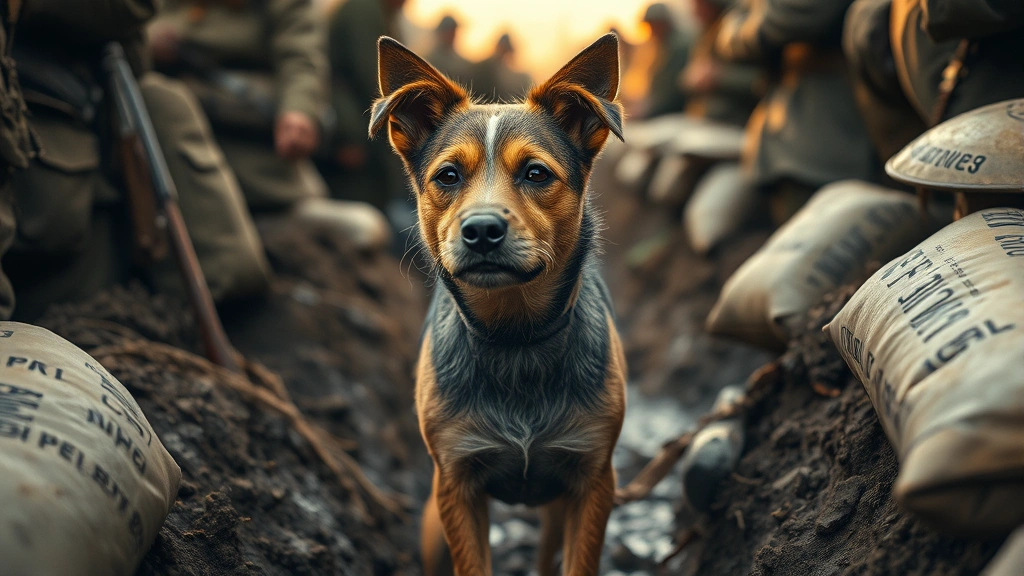
How did Rags the war dog die? It’s a question that tugs at the heartstrings of history buffs and dog lovers alike, because Rags wasn’t just any canine companion—he was a four-legged soldier who served with the U.S. Army during World War I and became one of the most decorated dogs in military history.
Table of Contents
- Who Was Rags the War Dog?
- Rags’ Incredible Military Service and Heroic Acts
- The End of an Era: Rags’ Death and Legacy
- Rags’ Decorated Military Record
- The Emotional Bond Between Rags and His Handlers
- Understanding War Dog Health and Longevity
- Rags’ Impact on Military Dog Programs
- Remembering Rags: Historical Documentation and Recognition
- The Broader Context: War Dogs in WWI
- Lessons from Rags’ Life and Death
- Frequently Asked Questions
- Conclusion: Honoring a True Hero
Who Was Rags the War Dog?
Before we dive into the sad ending of this remarkable pup, let’s talk about who Rags actually was. Rags was a scrappy, mixed-breed terrier who wandered onto a U.S. Army base in France during World War I. Nobody really knows his exact origins, but what we do know is that this little guy had the heart of a lion and the instincts of a born soldier. He wasn’t a purebred German Shepherd or any fancy military-grade canine—he was just a street dog who found his calling.
The dog’s real name was Rags to Riches, but soldiers simply called him Rags. He became the mascot and working dog of the 1st Infantry Division, and boy, did he earn his stripes. Unlike typical war dogs used for detection or protection, Rags served primarily as a messenger dog and morale booster, though he also participated in combat operations alongside his human comrades.
Rags’ Incredible Military Service and Heroic Acts
Rags participated in numerous battles and military campaigns, including the Meuse-Argonne Offensive, one of the deadliest campaigns of WWI. This little terrier was exposed to gas attacks, artillery fire, and all the horrors of trench warfare. Despite these dangers, Rags continued to serve faithfully, carrying messages between soldiers and boosting morale in the trenches. His bravery earned him a place in history and the hearts of every soldier who knew him.
The dog survived injuries that would have ended most animals’ lives. He was gassed, shot at, and wounded multiple times during his service, yet he kept coming back for more. Soldiers credited Rags with saving lives by alerting them to incoming danger and carrying critical messages when communication lines were down. His legacy as a war dog became legendary among the troops.
The End of an Era: Rags’ Death and Legacy
So, how did Rags the war dog die? After surviving the trenches of France, Rags made it home to the United States. He lived for several years after the war, which is remarkable considering what his body endured. Rags passed away in 1936, years after the war had ended. While specific details about the exact cause of his death aren’t extensively documented in historical records, it’s believed he died of natural causes related to the injuries and trauma he sustained during his military service.
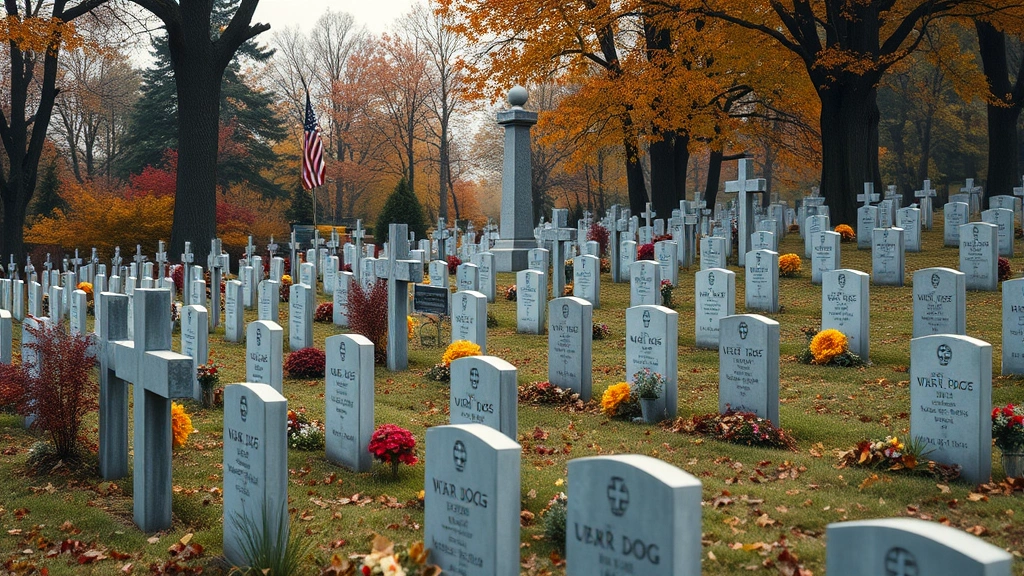
What makes Rags’ story even more poignant is that he didn’t just disappear into obscurity after the war. This decorated war dog received proper recognition and honors. He was buried with full military honors, a fitting tribute to his service and sacrifice. His remains were eventually interred at the War Dog Cemetery, ensuring that future generations would remember his contributions to American military history.
Rags’ Decorated Military Record
Before his passing, Rags received numerous accolades and medals for his service. He was awarded the Purple Heart for his wounds sustained in combat—making him one of the first dogs to receive this prestigious military decoration. Rags also received other medals and commendations that recognized his bravery and dedication. These honors weren’t just ceremonial; they represented genuine respect from the military establishment for this extraordinary canine soldier.
The dog’s military record included participation in major WWI offensives and campaigns. His handlers documented his actions, and his reputation spread throughout the 1st Infantry Division. Soldiers would request Rags’ presence for morale purposes, knowing that this little terrier’s spirit was unbreakable. His presence alone seemed to boost the confidence of troops facing impossible odds.
The Emotional Bond Between Rags and His Handlers
One of the most touching aspects of Rags’ story is the deep emotional connection he formed with his handlers and the soldiers around him. War dogs aren’t just working animals—they’re companions who share the burden of combat with their human counterparts. Rags was no exception. The soldiers loved him fiercely, and he reciprocated that love with unwavering loyalty.
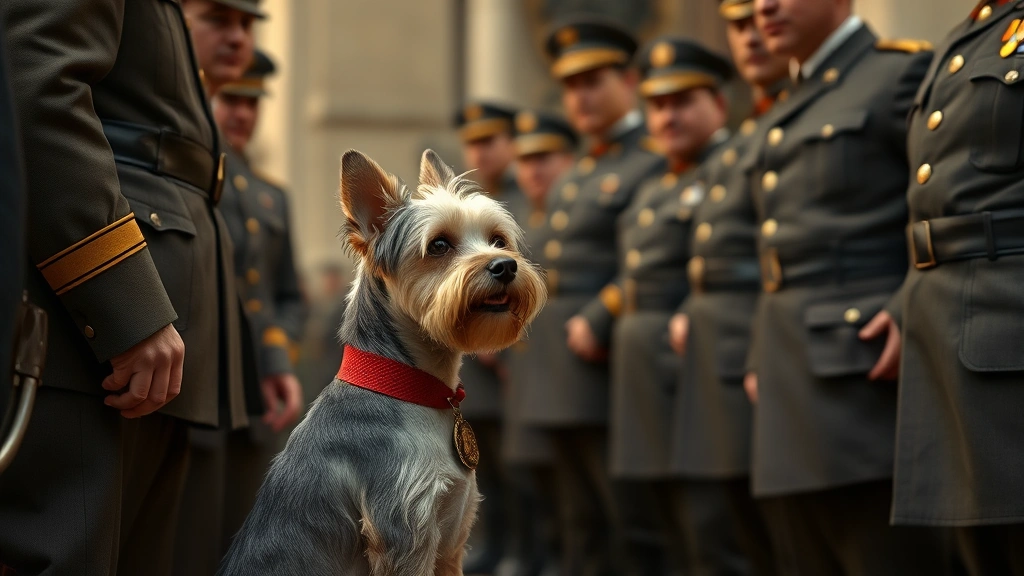
Many veterans who served alongside Rags spoke about him for the rest of their lives. They described him as a symbol of hope and resilience during the darkest days of the war. When Rags eventually passed away, it wasn’t just the loss of a military asset; it was the loss of a beloved friend and comrade. The emotional impact of his death was felt deeply by everyone who had served with him.
Understanding War Dog Health and Longevity
It’s worth noting that war dogs, especially those from WWI era, faced extraordinary health challenges. The conditions in the trenches—mud, disease, malnutrition, and constant stress—took a toll on these animals. Unlike modern military working dogs that receive veterinary care and proper nutrition, dogs like Rags often relied on whatever resources soldiers could spare.
If you’re concerned about your own dog’s health, especially if they’ve experienced trauma or stress, it’s important to consult with a veterinarian. Check out our guide on when to call the vet about food for more information on recognizing health issues in your pets. Additionally, our Pet Poison Hotline resource can help you identify potential toxins that might affect your dog’s health.
Rags’ Impact on Military Dog Programs
Rags’ success during WWI helped establish the foundation for modern military dog programs. His story demonstrated the value of canine soldiers in combat situations, leading to more structured training and integration of dogs into military operations. Today’s military working dogs owe a debt to pioneers like Rags who proved that dogs could serve honorably in wartime.
The lessons learned from Rags and other WWI-era war dogs influenced how the military approached canine recruitment, training, and care in subsequent conflicts. His legacy extends beyond his own lifetime, shaping policies and practices that have protected and honored military dogs for generations.
Remembering Rags: Historical Documentation and Recognition
Rags’ story has been documented in military records, books, and historical accounts. His photograph appears in various WWI archives, and his name is recorded in the annals of military history. This documentation ensures that future generations can learn about his extraordinary service and sacrifice. Unlike many war dogs whose stories fade into obscurity, Rags remains a recognizable figure in American military history.
Several books and articles have been written about Rags, and his story has been featured in documentaries about WWI and military animals. This continued recognition keeps his memory alive and reminds us of the contributions made by animal soldiers throughout history. For more information about military history and animal service, check out the Your Local Scoop Blog for additional historical content.
The Broader Context: War Dogs in WWI
Rags wasn’t the only dog serving in WWI, though he was certainly one of the most famous. Thousands of dogs served in various capacities during the war—as messengers, sentries, and companions. However, not all of these dogs received the recognition and honors that Rags did. His story is unique partly because of his remarkable survival and partly because of the soldiers who ensured his story would be remembered.
The conditions for war dogs during WWI were brutal. Many didn’t survive the war, and those who did often suffered from physical and psychological trauma similar to what we now recognize as PTSD in humans. Rags’ ability to continue serving despite these challenges speaks to the resilience of these remarkable animals.
Lessons from Rags’ Life and Death
Rags’ story teaches us several important lessons about loyalty, courage, and the human-animal bond. It reminds us that animals are capable of extraordinary acts of bravery and that they deserve our respect and care. It also highlights the importance of recognizing and honoring the contributions of animals in human endeavors, whether in military service or civilian life.
For pet owners today, Rags’ story is a reminder to cherish the time we have with our animal companions. The soldiers who served with Rags understood that these bonds transcend species and circumstance. If you want to ensure your own dog lives a long, healthy life, consult with veterinary professionals and stay informed about proper pet care.
Frequently Asked Questions
What breed was Rags the war dog?
Rags was a mixed-breed terrier, often described as a scrappy street dog. He wasn’t a purebred German Shepherd or other recognized military breed, which makes his accomplishments even more remarkable. His mixed heritage didn’t diminish his abilities or his courage in any way.
How many medals did Rags receive?
Rags received multiple military decorations, including the Purple Heart, making him one of the first dogs to receive this honor. He also received other medals and commendations recognizing his bravery and service during WWI.
Where is Rags buried?
Rags was buried with full military honors and his remains were interred at the War Dog Cemetery, ensuring that his memory would be preserved for future generations. This burial reflects the respect and gratitude the military had for his service.
How did Rags survive the war when so many other dogs didn’t?
Rags’ survival can be attributed to his resilience, the protective care of his handlers, and perhaps a bit of luck. Despite being wounded multiple times and exposed to gas attacks, he recovered and continued serving. His small size may have also helped him navigate dangerous situations more easily than larger dogs.
What happened to Rags after World War I ended?
After the war, Rags was brought back to the United States. He lived for several years after the war ended, eventually passing away in 1936. His post-war years were spent as a celebrated veteran, recognized and honored for his service.
Conclusion: Honoring a True Hero
How did Rags the war dog die? While the specific medical details of his death in 1936 remain somewhat unclear, what’s certain is that Rags lived a life of extraordinary service and sacrifice. He survived the horrors of WWI trench warfare, earned military decorations for his bravery, and became a symbol of loyalty and courage. When he finally passed away, it marked the end of an era in military history.
Rags’ legacy extends far beyond his own lifetime. He helped establish the foundation for modern military dog programs and demonstrated the incredible value of canine soldiers. His story reminds us that heroes come in all shapes and sizes, and that the bond between humans and animals can transcend even the most challenging circumstances. By remembering Rags and honoring his memory, we acknowledge the contributions of all animals who have served alongside us in times of conflict and peace.





