
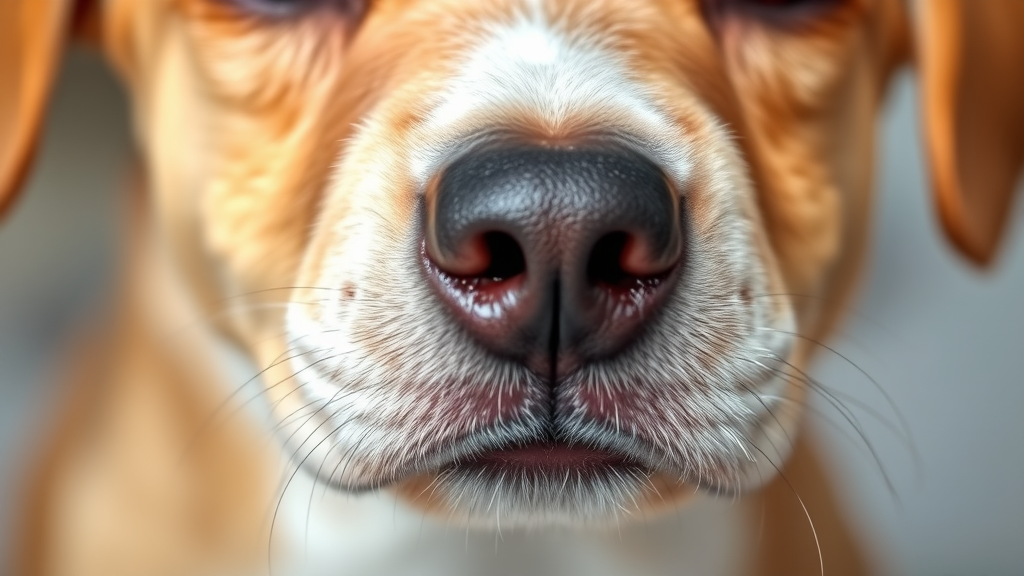
Just like humans, dogs can develop skin issues that resemble acne, leaving many pet owners wondering if their furry companions can actually get pimples. The surprising answer is yes – dogs can indeed develop pimple-like bumps on their skin, though the causes and treatment methods differ significantly from human acne. Understanding these skin conditions is crucial for maintaining your dog’s health and comfort.
Canine acne and similar skin conditions are more common than many pet owners realize, particularly affecting young dogs and certain breeds. While these bumps may look alarming, most cases are treatable with proper care and veterinary guidance. Recognizing the signs early and knowing how to respond appropriately can prevent minor skin issues from developing into more serious complications.
Understanding Canine Acne
Canine acne, medically known as canine chin acne or muzzle folliculitis, is a common skin condition that primarily affects dogs between 5 to 8 months of age. This condition manifests as small, red bumps or pustules that typically appear on the chin, lips, and muzzle area. Unlike human acne, which is often hormone-related, canine acne usually results from trauma to hair follicles during the natural process of growing and shedding.
The condition occurs when hair follicles become damaged or irritated, leading to inflammation and bacterial infection. Short-haired breeds are particularly susceptible because their coarse hair can more easily cause follicular trauma. According to the American Kennel Club, breeds like Boxers, Bulldogs, Great Danes, and Doberman Pinschers are among those most commonly affected.
Most cases of canine acne are mild and resolve on their own as dogs mature, but some may require veterinary intervention to prevent secondary bacterial infections or scarring. Understanding that this is a normal part of development for many young dogs can help pet owners avoid unnecessary anxiety while still providing appropriate care.
Causes and Risk Factors
Several factors contribute to the development of pimple-like conditions in dogs. The primary cause is follicular trauma, which occurs when short, coarse hairs pierce through the skin or become ingrown. This mechanical irritation creates an inflammatory response that can lead to pustule formation. Young dogs experiencing rapid growth and hormonal changes are particularly vulnerable during this developmental stage.
Environmental factors also play a significant role in canine acne development. Plastic food and water bowls can harbor bacteria and cause contact irritation, leading to chin acne in susceptible dogs. Poor hygiene, infrequent grooming, and exposure to dirty surfaces can increase the risk of bacterial contamination. Additionally, stress and immune system compromise can make dogs more susceptible to skin infections.
Certain breeds have genetic predispositions to developing acne-like conditions. The American Veterinary Medical Association notes that brachycephalic breeds (flat-faced dogs) often experience more skin fold issues, which can contribute to bacterial growth and acne formation. Understanding these risk factors helps pet owners take preventive measures and recognize when professional veterinary care may be necessary.
Hormonal fluctuations during adolescence can also contribute to skin issues, though this is less common in dogs than in humans. Some dogs may experience seasonal variations in their skin condition, with symptoms worsening during certain times of the year due to allergens or environmental changes.
Identifying Symptoms
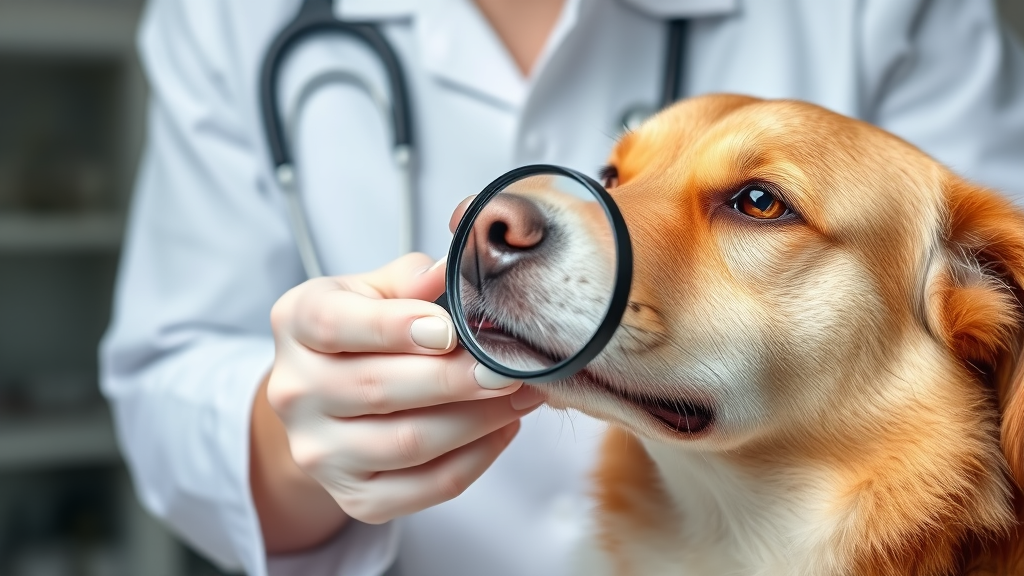
Recognizing the signs of canine acne requires careful observation of your dog’s skin, particularly around the face and chin area. The most common symptoms include small, red bumps that may appear inflamed or contain pus. These lesions typically measure 2-5 millimeters in diameter and are most frequently found on the chin, lips, and muzzle region where hair follicles are dense.
In mild cases, you may notice slight redness or small bumps that don’t seem to bother your dog. However, more severe cases can present with larger pustules, swelling, and obvious discomfort. Dogs may paw at their face, rub against furniture, or show signs of pain when the affected area is touched. Some cases may also involve what causes hot spots on dogs, as secondary infections can develop from excessive scratching or licking.
It’s important to distinguish canine acne from other skin conditions such as allergic reactions, mange, or fungal infections. According to research from the National Center for Biotechnology Information, proper diagnosis often requires veterinary examination to rule out other conditions that may present with similar symptoms.
Watch for signs of worsening condition, including increased redness, swelling that extends beyond the immediate bump area, or the development of open sores. These symptoms may indicate secondary bacterial infection requiring immediate veterinary attention.
Safe Treatment Methods
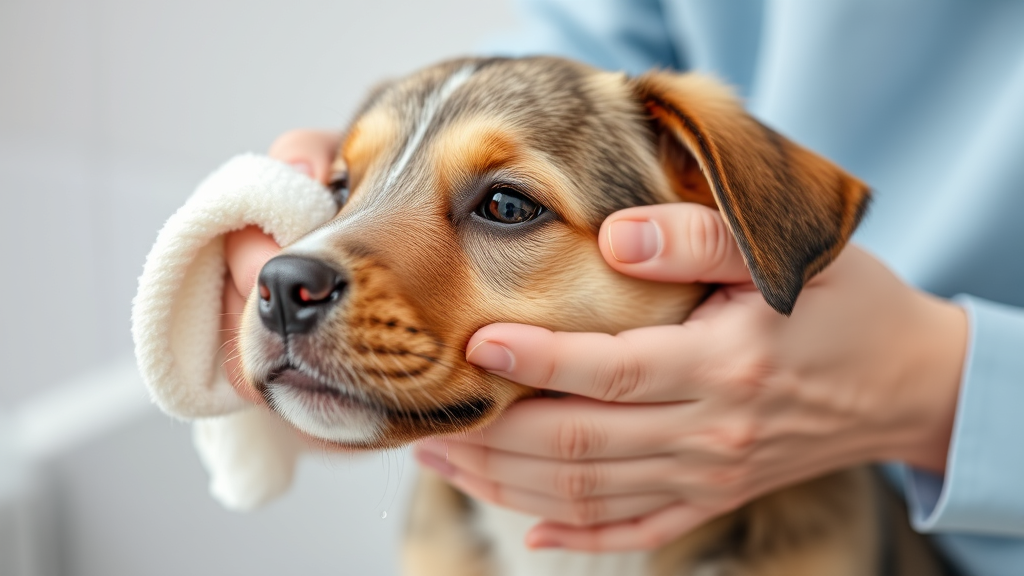
Treating canine acne safely requires a gentle, systematic approach that focuses on reducing inflammation and preventing secondary infections. The first step involves thorough but gentle cleaning of the affected area using warm water and a mild, veterinarian-approved cleanser. Avoid using human acne products, as these often contain ingredients that can be toxic to dogs or cause severe skin irritation.
For mild cases, daily cleaning with a soft cloth and warm water may be sufficient to resolve the condition. Some veterinarians recommend using benzoyl peroxide shampoos specifically formulated for dogs, which can help reduce bacteria and unclog follicles. However, these should only be used under veterinary guidance, as they can cause skin dryness and irritation if used incorrectly.
Many pet owners wonder about topical antibiotics, such as whether can you put neosporin on a dog. While some topical treatments may be appropriate, it’s crucial to consult with a veterinarian before applying any medication to your dog’s skin. Some human medications can be harmful to dogs, and proper diagnosis is essential for effective treatment.
Natural remedies can also be helpful when used appropriately. Warm compresses applied for 5-10 minutes several times daily can help reduce inflammation and promote drainage of pustules. Apple cider vinegar diluted with water (1:1 ratio) can serve as a natural antiseptic, though it should be used sparingly and never on open wounds.
The FDA’s guidance on pet skin care emphasizes the importance of avoiding harsh chemicals or treatments not specifically designed for animals. Never attempt to squeeze or pop pustules, as this can drive bacteria deeper into the skin and cause more severe infections.
Prevention Strategies
Preventing canine acne involves implementing consistent hygiene practices and making environmental modifications that reduce risk factors. The most effective prevention strategy is maintaining proper facial hygiene through regular gentle cleaning. Use a clean, soft cloth dampened with warm water to wipe your dog’s chin and muzzle area daily, especially after meals.
Replacing plastic food and water bowls with stainless steel, ceramic, or glass alternatives can significantly reduce bacterial contamination that contributes to chin acne. Plastic bowls develop microscopic scratches that harbor bacteria, even after thorough washing. Clean food and water bowls daily with hot, soapy water to maintain optimal hygiene.
Regular grooming plays a crucial role in prevention, and knowing how to clean dogs ears properly is part of comprehensive canine hygiene. Brush your dog’s coat regularly to remove dead hair and debris that could clog follicles. Pay special attention to the facial area, using a soft brush or cloth to gently clean around the muzzle and chin.
Diet can also impact skin health, with high-quality nutrition supporting immune function and skin integrity. Ensure your dog receives a balanced diet with adequate omega-3 fatty acids, which promote healthy skin and coat. Some dogs may benefit from supplements, but consult with your veterinarian before adding any nutritional supplements to your dog’s diet.
Environmental management includes keeping your dog’s living area clean and reducing exposure to potential irritants. Wash bedding regularly, vacuum frequently to remove allergens, and avoid using harsh cleaning chemicals in areas where your dog spends time. The Humane Society provides excellent guidance on maintaining proper hygiene practices for dogs.
When to See a Veterinarian
While mild cases of canine acne often resolve with proper home care, certain situations require professional veterinary evaluation. Schedule an appointment if you notice pustules larger than 5 millimeters, extensive redness or swelling, or if the condition doesn’t improve within two weeks of consistent home treatment. Signs of secondary bacterial infection, such as foul odor, excessive discharge, or fever, warrant immediate veterinary attention.
Dogs showing signs of pain or discomfort, such as excessive pawing at their face, reluctance to eat, or behavioral changes, should be examined promptly. Additionally, if the acne spreads beyond the typical chin and muzzle area or if you notice hair loss around the affected region, professional diagnosis is essential to rule out other skin conditions.
Your veterinarian may prescribe topical or oral antibiotics for severe cases, and they can provide guidance on whether treatments like can you use neosporin on dogs are appropriate for your specific situation. They may also recommend medicated shampoos or specialized cleansers designed for canine skin conditions.
Chronic or recurring acne may indicate underlying health issues such as immune system problems, hormonal imbalances, or food allergies. A veterinary dermatologist may be recommended for complex cases that don’t respond to standard treatments. According to Cornell University’s veterinary resources, proper diagnosis often involves skin scrapings or bacterial cultures to identify the specific cause and most effective treatment approach.
Common Misconceptions
Several misconceptions about canine acne can lead to inappropriate treatment or unnecessary worry among pet owners. One common myth is that canine acne is caused by poor diet or dirty conditions, when in reality, it’s primarily a developmental condition affecting young dogs regardless of their living conditions or nutrition quality. While hygiene plays a role in prevention and treatment, even well-cared-for dogs can develop acne.
Another misconception is that human acne treatments are safe and effective for dogs. Products containing salicylic acid, benzoyl peroxide in human concentrations, or other active ingredients designed for human skin can cause severe irritation or toxicity in dogs. Many pet owners ask questions like can i put neosporin on my dog, not realizing that even seemingly harmless human medications can have different effects on canine physiology.
Some people believe that canine acne is contagious between dogs or to humans, but this is false. Canine acne is not an infectious disease that spreads from animal to animal or to people. However, the bacteria that cause secondary infections in damaged follicles could potentially cause issues if proper hygiene isn’t maintained during treatment.
The belief that canine acne only affects puppies is also incorrect. While it’s most common in young dogs, adult dogs can develop acne-like conditions, especially if they have predisposing factors such as short coat, skin allergies, or compromised immune systems. Understanding these facts helps pet owners provide appropriate care without unnecessary anxiety or inappropriate treatments.
Frequently Asked Questions
Can dogs really get pimples like humans do?
Yes, dogs can develop pimple-like bumps on their skin, but the underlying causes differ from human acne. Canine acne typically results from follicular trauma and bacterial infection rather than hormonal factors. These bumps most commonly appear on the chin, muzzle, and lips of young dogs between 5-8 months of age.
What breeds are most susceptible to canine acne?
Short-haired breeds are most prone to developing canine acne, including Boxers, Bulldogs, Great Danes, Doberman Pinschers, and Rottweilers. Brachycephalic breeds (flat-faced dogs) may also be at higher risk due to their facial structure and skin fold issues. However, any dog can potentially develop acne-like conditions regardless of breed.
Is it safe to pop my dog’s pimples?
No, you should never attempt to squeeze or pop your dog’s pimples. This can drive bacteria deeper into the skin, cause more severe infection, lead to scarring, and cause significant pain to your dog. Instead, focus on gentle cleaning and consult with a veterinarian for appropriate treatment options.
How long does canine acne typically last?
Most cases of canine acne resolve within 6-12 weeks with proper care, and many dogs outgrow the condition as they mature. However, some dogs may experience recurring episodes, and severe cases may take longer to heal. Consistent treatment and good hygiene practices are essential for optimal healing.
Can I use human acne products on my dog?
No, human acne products should not be used on dogs. Many contain ingredients that can be toxic to dogs or cause severe skin irritation. Products with salicylic acid, benzoyl peroxide in human concentrations, or other active ingredients designed for human skin can harm your dog. Always use veterinarian-approved products specifically formulated for canine skin.
When should I be concerned about my dog’s skin bumps?
Contact your veterinarian if you notice pustules larger than 5mm, extensive swelling or redness, signs of pain or discomfort, foul odor, excessive discharge, or if the condition doesn’t improve within two weeks of home treatment. Additionally, if bumps appear in unusual locations or if your dog develops fever or behavioral changes, seek professional evaluation promptly.
Are there any natural remedies that can help with canine acne?
Some natural approaches can be helpful when used appropriately, such as warm compresses applied for 5-10 minutes several times daily to reduce inflammation. Diluted apple cider vinegar (1:1 with water) can serve as a mild antiseptic, but should never be used on open wounds. However, always consult with your veterinarian before trying natural remedies, and remember that proper veterinary care is essential for severe cases. Questions about treatments like is neosporin safe for dogs should always be directed to your veterinarian for personalized advice.





