
Learning how do I clean dog vomit from carpet is one of those pet owner skills nobody wants to master, but everyone eventually needs. Whether your pup ate something questionable at the park or just had an upset stomach from their regular kibble, dealing with carpet cleanup is part of the gig. The good news? It’s totally manageable with the right approach, and your carpet doesn’t have to suffer permanent damage.
Table of Contents
- Why Dogs Vomit and When to Worry
- Step 1: Act Fast and Protect Yourself
- Step 2: Remove Solid Material Carefully
- Step 3: Blot, Don’t Rub—This is Critical
- Step 4: Apply Your Cleaning Solution
- Step 5: Final Blot and Dry Completely
- Dealing With Stubborn Odors
- Prevention: Stop the Mess Before It Happens
- When to Call a Professional Carpet Cleaner
- Quick Cleanup Checklist
- Frequently Asked Questions
- Final Thoughts
Why Dogs Vomit and When to Worry
Before we dive into the cleanup, let’s talk about why your furry friend is redecorating your carpet in the first place. Dogs vomit for tons of reasons—some totally harmless, others worth a vet visit. Motion sickness, eating too fast, dietary indiscretions (fancy term for “ate garbage”), or even anxiety can trigger the gag reflex. Most of the time, it’s a one-off incident. But if your dog is vomiting repeatedly or showing other signs of distress, that’s when you should consider reaching out to an emergency vet for food poisoning or contacting your regular veterinarian. Sometimes vomiting is a symptom of something more serious, especially if your dog got into xylitol poisoning in dogs or other toxic substances.
Step 1: Act Fast and Protect Yourself
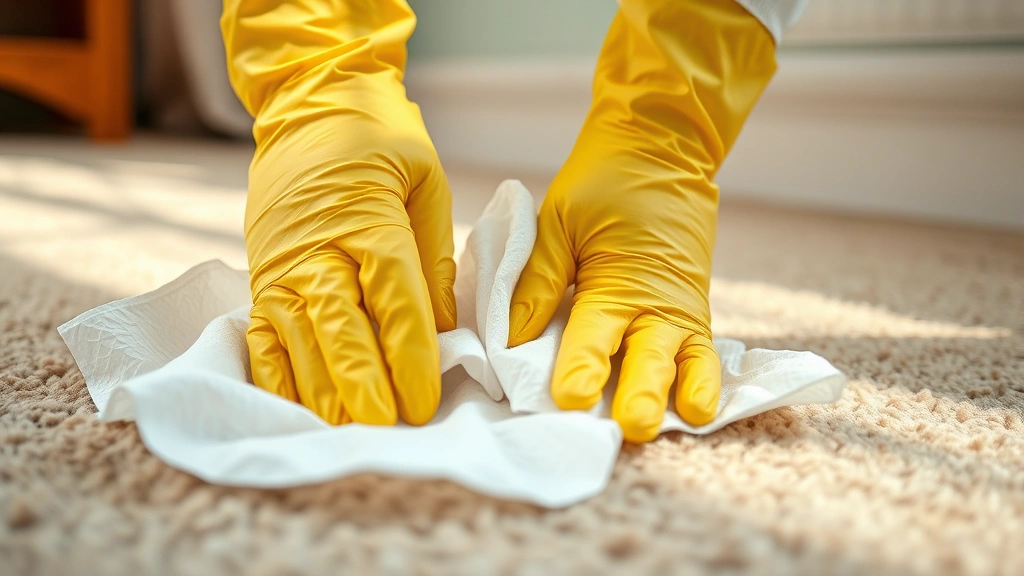
Time is your enemy when dealing with pet mess. The longer vomit sits on your carpet, the deeper it penetrates the fibers and the harder it becomes to remove completely. First things first—put on some gloves. Seriously. Rubber gloves are your best friend here because vomit can contain bacteria, and you don’t want that on your bare hands. If you’re sensitive to smells, grab a mask too. There’s no judgment here; we’re just being practical.
Open a window or turn on a fan to get some air circulation going. Fresh air helps with the smell and makes the whole process less unpleasant. Trust me, you’ll appreciate this small step.
Step 2: Remove Solid Material Carefully
Using a paper towel or old cloth (something you don’t mind throwing away), gently scoop up the solid bits of vomit. Press down lightly—you’re not trying to scrub yet, just remove the bulk of the mess. Work from the outside edges toward the center of the affected area to avoid spreading it around. Deposit everything into a plastic bag and seal it up immediately. This prevents the smell from lingering in your trash can.
If the vomit has been sitting for a while and is dried, lightly dampen the area with cool water first to soften it up. This makes removal easier and prevents you from grinding dried vomit deeper into the carpet fibers.
Step 3: Blot, Don’t Rub—This is Critical
Now we’re getting into the actual cleaning phase. Grab some fresh paper towels or a clean cloth and blot the affected area. This is where most people mess up by rubbing vigorously. Rubbing pushes the vomit deeper into the carpet and spreads it around. Blotting lifts it out. Press down firmly for a few seconds, lift, and repeat with a fresh section of towel. Keep going until you’re not picking up any more liquid.
Work methodically and don’t rush this step. It makes a huge difference in how effective your next steps will be.
Step 4: Apply Your Cleaning Solution
Here’s where you have options depending on what you have on hand. You can use commercial carpet cleaners, but homemade solutions work just as well and are often gentler on your carpet. Mix one tablespoon of liquid dish soap, one tablespoon of white vinegar, and two cups of warm water. This combo is a powerhouse for breaking down organic matter while neutralizing odors.
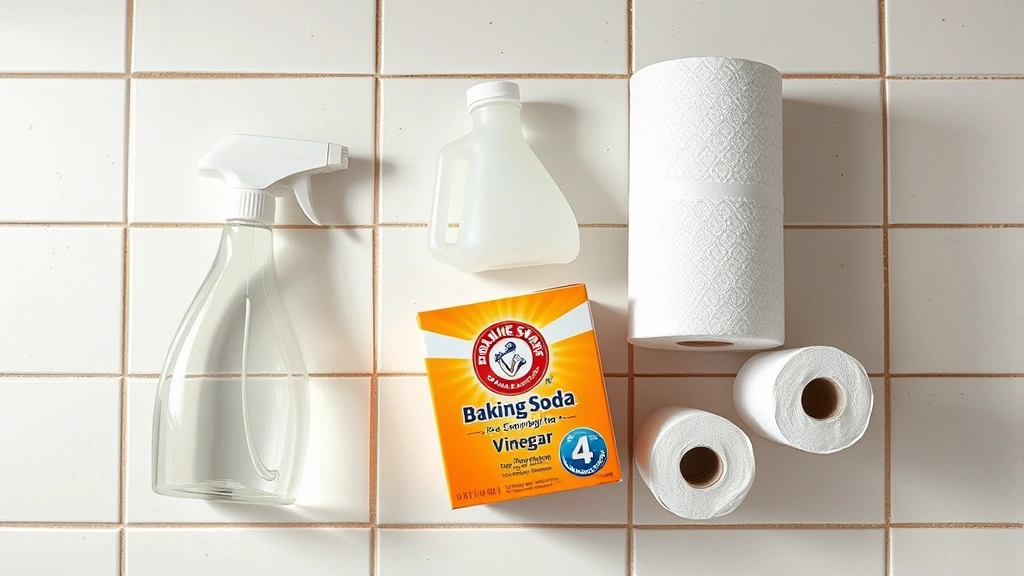
Alternatively, sprinkle baking soda directly on the damp spot and let it sit for 10-15 minutes. Baking soda is amazing at absorbing odors naturally. Then vacuum it up thoroughly. If you want to combine methods, do the baking soda first, vacuum, and then apply your liquid cleaning solution.
Apply your chosen cleaning solution to the area using a spray bottle or by pouring it on a cloth. Don’t oversaturate—you’re not trying to soak your carpet. Just enough to penetrate the affected fibers. Let it sit for 5-10 minutes so it can break down any remaining residue and odor.
Step 5: Final Blot and Dry Completely
Using clean, dry towels or paper towels, blot the area again to remove the cleaning solution. This is important because leftover cleaning solution can attract dirt and create a sticky spot that gets dirty again quickly. Keep blotting until the towels come away mostly dry.
For the final drying step, place clean, dry towels over the area and weigh them down with something heavy (like books or a small piece of furniture) for 30 minutes to an hour. This helps absorb remaining moisture. If you have a wet vacuum or carpet cleaning machine, this is the perfect time to use it for a final rinse and extraction.
Dealing With Stubborn Odors
Even after cleaning, sometimes that vomit smell lingers like an unwelcome houseguest. If this happens, sprinkle baking soda again and let it sit overnight before vacuuming. You can also use enzymatic cleaners specifically designed for pet messes—these contain natural enzymes that break down the organic compounds causing the smell. Brands like Nature’s Miracle or Rocco & Roxie are pet owner favorites and actually work.
Another trick: mix equal parts white vinegar and water in a spray bottle and mist the area lightly. The vinegar smell will dissipate as it dries, taking the vomit smell with it. Your carpet might smell like a salad for a bit, but that beats eau de puke.
Prevention: Stop the Mess Before It Happens
While you can’t always prevent vomiting, you can reduce the frequency. Feed your dog at consistent times rather than free-feeding. Slow down fast eaters using puzzle feeders or special slow-feed bowls. Avoid sudden diet changes and keep your pup away from holiday foods pets should avoid and other human foods that upset their stomach.
If your dog has a sensitive stomach or recurring vomiting issues, chat with your vet about dietary adjustments. Sometimes a prescription or limited-ingredient diet makes all the difference. If you notice patterns or concerning symptoms, telehealth advice for pet poisoning or pet telehealth services can help you get answers without leaving home.
When to Call a Professional Carpet Cleaner
If the vomit incident was particularly massive, happened on a delicate carpet, or the smell just won’t go away, it’s worth calling in the professionals. Professional carpet cleaners have industrial-strength equipment and enzymatic treatments that can eliminate odors completely. They’re especially helpful if your dog has a habit of using the same spot repeatedly—that’s a sign you need professional-grade treatment to fully remove the scent markers.
Quick Cleanup Checklist
Keep this handy for the next time nature calls:
- Put on gloves and open windows
- Remove solid material with paper towels
- Blot (never rub) with clean towels
- Apply cleaning solution and let sit
- Blot again until mostly dry
- Weigh down with towels to absorb remaining moisture
- Use baking soda or enzymatic cleaner for odors
- Vacuum thoroughly once everything is dry
Frequently Asked Questions
Can I use bleach to clean dog vomit from carpet?
No, avoid bleach on carpet. It can damage or discolor fibers and isn’t necessary for effective cleaning. Bleach also creates toxic fumes when mixed with other cleaners. Stick with enzymatic cleaners, vinegar solutions, or baking soda instead.
What if the vomit has already dried?
Dampen the area with cool water first to soften the dried vomit, then proceed with the blotting and cleaning steps. You might need to let the water sit for a few minutes to fully soften stubborn spots. Enzymatic cleaners work particularly well on dried vomit.
How long does it take for carpet to dry after cleaning?
Depending on humidity and air circulation, carpet typically dries within 2-6 hours. Speed up the process by opening windows, using fans, and placing towels over the area. Avoid walking on the wet carpet if possible to prevent resoiling.
Is it normal for my dog to vomit occasionally?
Occasional vomiting (once a month or less) is usually not a major concern, especially if your dog seems otherwise healthy and happy. However, frequent vomiting, vomiting with blood, or vomiting accompanied by lethargy, diarrhea, or loss of appetite warrants a vet visit. Don’t hesitate to reach out to your veterinarian if you’re concerned.
Will the smell come back if I don’t fully remove the vomit?
Yes. Any remaining vomit particles will continue to smell as they break down. This is why thorough blotting and enzymatic cleaners are so important—they actually break down the organic compounds causing the odor, not just mask it. Incomplete cleaning is why some people have lingering problems.
Final Thoughts
Cleaning dog vomit from carpet is gross, but it’s doable. The key is acting quickly, blotting instead of rubbing, and using the right cleaning solutions. Most incidents can be handled with supplies you already have at home—dish soap, vinegar, and baking soda are your MVP team. Remember, your dog didn’t throw up on your carpet to ruin your day; sometimes it’s just part of pet ownership. Stay calm, follow these steps, and your carpet will be good as new. And hey, at least it wasn’t on the hardwood floor, right?





