
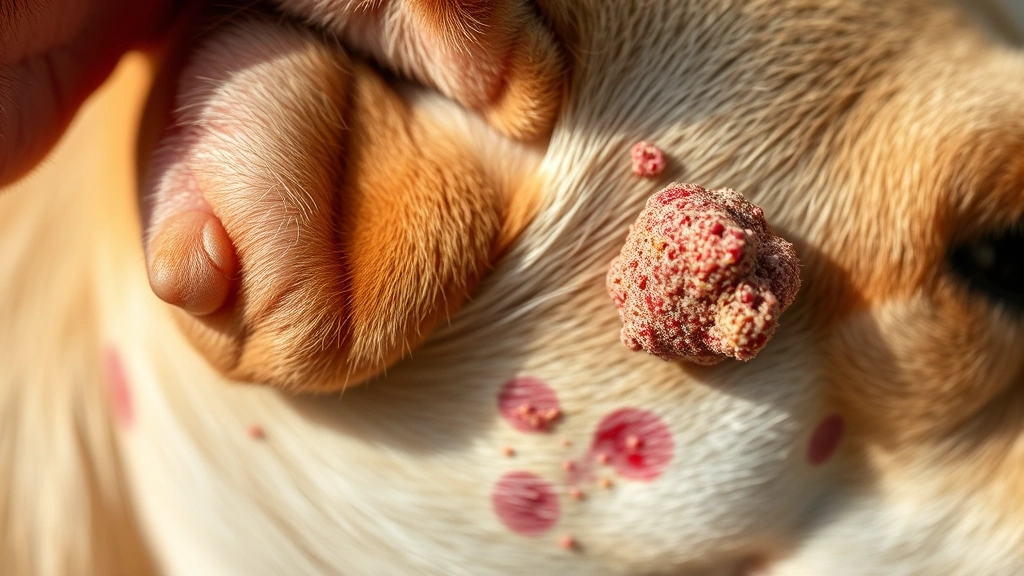
If you’re wondering how do I know if my dog has mange, you’ve come to the right place—because spotting this pesky skin condition early can save your pup from serious discomfort and prevent it from spreading. Mange is one of those dog health issues that sounds scarier than it actually is, but it definitely deserves your attention.
Table of Contents
- What Exactly Is Mange and Why Should You Care?
- Sign #1: Intense Itching and Scratching (The Telltale Red Flag)
- Sign #2: Hair Loss and Bald Patches
- Sign #3: Red, Inflamed, or Crusty Skin
- Sign #4: Ear Problems and Unusual Odors
- Sign #5: Behavioral Changes and Restlessness
- How Vets Diagnose Mange (It’s Not Rocket Science)
- Treatment Options: Getting Your Dog Back to Comfort
- Prevention: The Best Medicine
- When to See a Vet: Don’t Wait Around
- Frequently Asked Questions
- Summary: Know the Signs and Act Fast
Mange is a skin disease caused by parasitic mites that burrow into your dog’s skin or live in their hair follicles. The good news? It’s treatable. The bad news? If you ignore it, your dog will be scratching themselves raw while you wonder why they’re acting like a furry scratch-and-sniff sticker gone wrong.
What Exactly Is Mange and Why Should You Care?
Mange comes in two main varieties: sarcoptic mange (the contagious kind) and demodectic mange (the less contagious kind). Think of sarcoptic mites as tiny home invaders that spread from dog to dog faster than gossip at a dog park. Demodectic mites, on the other hand, are like uninvited guests that were already living in your dog’s skin but decided to throw a party without permission.
According to the American Kennel Club, mange can affect dogs of any breed, age, or size, though puppies and senior dogs are more vulnerable. It’s not a sign of bad pet parenting—it’s just one of those things that happens.
Sign #1: Intense Itching and Scratching (The Telltale Red Flag)
The most obvious sign your dog might have mange is obsessive scratching that would make a DJ jealous. If your dog is scratching so much that you’re worried they’re going to file down their nails to nubs, that’s your first clue something’s wrong.
Your pup might scratch at specific areas repeatedly or go full-body scratch mode. Some dogs will scratch so intensely they create open sores and secondary skin infections. If your dog suddenly develops what looks like a compulsive scratching habit, don’t assume they’re just bored—get them checked out by a vet.
Sign #2: Hair Loss and Bald Patches
Mange often causes alopecia (fancy word for hair loss), and it typically starts in specific areas. You might notice bald patches on your dog’s face, ears, legs, or belly. The hair loss from demodectic mange symptoms usually starts on the face and spreads from there, while sarcoptic mange tends to be more random.
The affected areas might look crusty, scaly, or inflamed. If your dog suddenly looks like they’re molting more than a husky in summer, it’s time to investigate. Don’t just assume it’s shedding season—actual mange-related hair loss looks different and is usually accompanied by visible skin irritation.
Sign #3: Red, Inflamed, or Crusty Skin
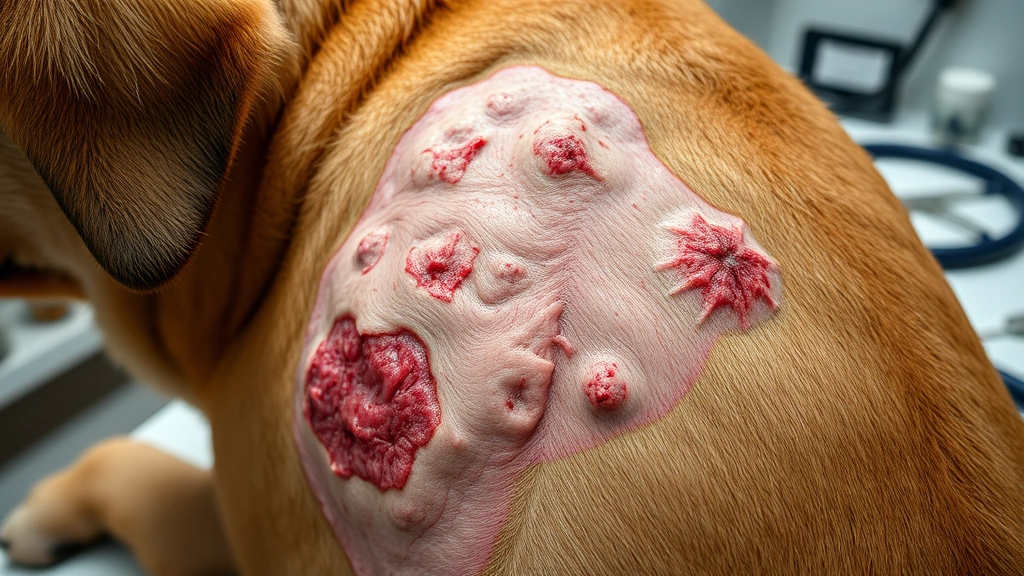
When you part your dog’s fur and look at the skin underneath, it should be pink and healthy. With mange, you’ll often see red, irritated skin that might have a crusty or scaly appearance. Some dogs develop a musty or unpleasant odor because of secondary bacterial infections that tag along with the mites.
The skin might also appear thickened or wrinkled, especially in cases of chronic sarcoptic mange. This isn’t your dog’s fault—it’s the mites doing their destructive work. If your dog’s skin looks angry and inflamed, that’s a sign to call your vet immediately.
Sign #4: Ear Problems and Unusual Odors
Mange loves ears. Seriously, mites throw parties in ear canals. If your dog is shaking their head excessively, scratching at their ears constantly, or if you notice their ears look red and crusty, mange might be the culprit. You might also notice a foul smell coming from the affected areas—that’s usually secondary yeast or bacterial infections jumping on the mite bandwagon.
According to PetMD, ear involvement is particularly common with sarcoptic mange, so don’t ignore ear scratching as just an ear infection.
Sign #5: Behavioral Changes and Restlessness
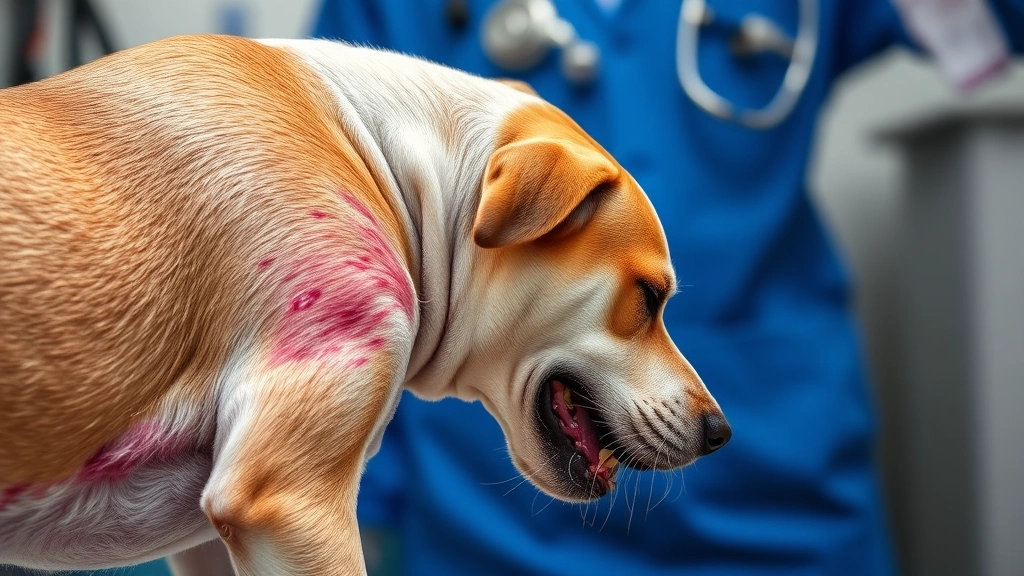
Your dog might become irritable, anxious, or restless because they’re uncomfortable. They might have trouble sleeping, constantly shift positions, or seem generally unhappy. Some dogs become withdrawn or aggressive because they’re in pain and itching like crazy. If your normally chill pup suddenly acts like they’ve had five espressos, mange could be the reason.
This behavioral shift is your dog’s way of saying, “Hey, something’s wrong here!” Don’t dismiss it as a phase—it’s a communication that needs your attention.
How Vets Diagnose Mange (It’s Not Rocket Science)
Your veterinarian will typically diagnose mange through a skin scraping, which sounds uncomfortable but isn’t painful for your dog. They’ll gently scrape the affected skin and examine it under a microscope to look for mites. Sometimes they’ll also do a fungal culture or take other diagnostic tests to rule out other conditions.
This is why a virtual pet checkup might not be sufficient for suspected mange—your vet needs to physically examine your dog and possibly take samples. Don’t try to diagnose this yourself based on internet research alone (I know, ironic coming from an article, but still).
Treatment Options: Getting Your Dog Back to Comfort
The good news is that mange is treatable. Treatment depends on the type and severity:
Sarcoptic Mange: Usually treated with topical or oral medications like ivermectin, selamectin, or other antiparasitic drugs. Treatment typically lasts 6-8 weeks with multiple applications or doses.
Demodectic Mange: Mild cases might resolve on their own, but moderate to severe cases need medication. Treatment is similar to sarcoptic mange but might take longer.
Your vet might also prescribe antibiotics if secondary infections have developed, and they might recommend medicated baths or special shampoos. Some dogs need anti-inflammatory medications to manage the itching while treatment takes effect.
If your dog has other health concerns like CHF in dogs or is on specific medications, make sure your vet knows before starting mange treatment. Additionally, if your dog has pet dietary restrictions, discuss whether dietary adjustments might help support skin health during treatment.
Prevention: The Best Medicine
While you can’t always prevent mange (especially sarcoptic mange, which spreads through contact), you can reduce the risk by:
- Keeping your dog away from infected animals
- Maintaining good hygiene and regular grooming
- Using preventative flea and tick medications (many also prevent mites)
- Ensuring your dog has good nutrition and a strong immune system
- Regularly checking your dog’s skin during grooming
- Avoiding sharing bedding, toys, or grooming tools with other dogs
Some topical treatments like can you use witch hazel on dogs might help soothe irritated skin, but they won’t cure mange—they’re just supportive care.
When to See a Vet: Don’t Wait Around
If you notice any of these signs, schedule a vet appointment sooner rather than later. The longer mange goes untreated, the worse it gets, and the more uncomfortable your dog becomes. Plus, if it’s sarcoptic mange, it can spread to other pets and even to humans (though it usually doesn’t cause serious issues in people).
Don’t wait for the problem to resolve itself. Mange won’t go away without treatment, and your dog will only get more miserable.
Frequently Asked Questions
Can my dog catch mange from other dogs?
Sarcoptic mange is highly contagious between dogs, spreading through direct contact or contaminated bedding and grooming tools. Demodectic mange is less contagious since the mites are usually already present on the dog’s skin. Either way, if your dog has mange, keep them away from other dogs until they’re treated.
Is mange contagious to humans?
Sarcoptic mange can cause temporary itching in humans, but the mites can’t complete their life cycle on human skin, so it’s not a serious concern. Still, practice good hygiene and wash your hands after handling an affected dog.
How long does it take to treat mange?
Treatment typically takes 6-8 weeks, but some cases take longer. You’ll need to follow your vet’s instructions exactly and complete the full course of treatment even if your dog seems better.
Can puppies get mange?
Yes, puppies are actually more susceptible to demodectic mange because their immune systems are still developing. Sarcoptic mange can affect dogs of any age, but it’s less common in very young puppies.
Will my dog’s hair grow back after mange?
In most cases, yes. Once the mites are eliminated and the skin heals, your dog’s hair should regrow within a few weeks to months, depending on the severity of the hair loss.
Summary: Know the Signs and Act Fast
So, how do you know if your dog has mange? Look for intense itching, hair loss, red and crusty skin, ear problems, and behavioral changes. If you spot any of these signs, don’t panic—just get your dog to a vet for proper diagnosis and treatment. Mange is treatable, and catching it early means your pup gets back to their happy, comfortable self faster.
Remember, your dog can’t tell you they’re uncomfortable, so it’s up to you to notice these warning signs. Trust your instincts, know your dog’s normal behavior and skin condition, and don’t hesitate to call your vet if something seems off. Your furry friend will thank you for it.





