

As a devoted dog owner, you’ve likely found yourself in situations where your furry friend gives you those irresistible puppy dog eyes while you’re enjoying a sweet treat. Caramel, with its rich, buttery sweetness, is a popular confection that appears in everything from desserts to coffee drinks. But when it comes to sharing this indulgent treat with your canine companion, the question arises: can dogs safely enjoy caramel?
Understanding what foods are safe for our pets is crucial for their health and wellbeing. While dogs can enjoy many human foods in moderation, caramel presents unique considerations that every responsible pet owner should understand. The answer isn’t simply yes or no – it depends on various factors including the ingredients, quantity, and your dog’s individual health status.
Understanding Caramel and Its Ingredients
Caramel is fundamentally made by heating sugar until it melts and turns into a golden-brown syrup. However, commercial caramels often contain additional ingredients that can affect their safety for dogs. Traditional caramel recipes include sugar, butter, cream, and sometimes vanilla extract or salt. The process involves heating sugar to temperatures between 320-350°F, creating the characteristic flavor and color we associate with caramel.
The primary concern with caramel for dogs isn’t necessarily the caramelized sugar itself, but rather the additional ingredients commonly found in commercial varieties. Many store-bought caramels contain artificial sweeteners, preservatives, and flavor enhancers that can be harmful to dogs. According to the American Kennel Club, dogs don’t process sugars the same way humans do, making even natural sugars potentially problematic in large quantities.
Some caramel products also contain chocolate, nuts, or other ingredients that are toxic to dogs. For instance, why dogs can’t have chocolate is well-documented due to the presence of theobromine, which can be fatal to our canine friends.
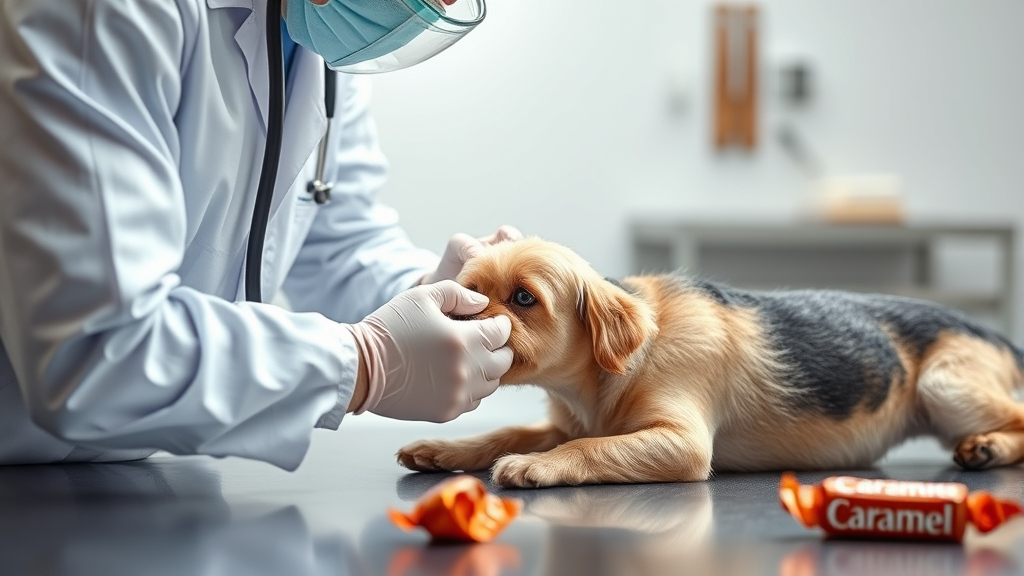
Safety Concerns for Dogs
The safety of caramel for dogs depends largely on the specific ingredients and the amount consumed. Pure caramelized sugar, while not toxic, offers no nutritional value and can contribute to various health issues when consumed regularly. The high sugar content in caramel can lead to rapid spikes in blood glucose levels, which is particularly concerning for diabetic dogs or those prone to diabetes.
One of the most significant concerns is the presence of artificial sweeteners, particularly xylitol, in sugar-free or diet caramel products. The ASPCA Animal Poison Control Center reports that xylitol is extremely toxic to dogs and can cause rapid insulin release, leading to severe hypoglycemia and potentially liver failure.
Additionally, the sticky consistency of caramel can pose a choking hazard, especially for smaller dogs. The substance can also stick to teeth and gums, potentially causing dental issues or requiring veterinary intervention for removal. Similar concerns apply to other sticky treats, which is why pet owners often ask about alternatives like whether dogs can eat marshmallows.
Potential Health Risks
Regular consumption of caramel can lead to several health complications in dogs. The most immediate concern is gastrointestinal upset, including vomiting, diarrhea, and abdominal pain. The high sugar and fat content can overwhelm a dog’s digestive system, particularly in breeds prone to pancreatitis.
Long-term health risks include obesity, dental problems, and diabetes. Dogs that regularly consume high-sugar treats like caramel are at increased risk of developing insulin resistance and type 2 diabetes. The American Veterinary Medical Association emphasizes that obesity in pets is a growing concern that can lead to numerous secondary health issues.
Dental health is another significant concern. The sticky nature of caramel can adhere to teeth, providing an ideal environment for bacteria to flourish and potentially leading to periodontal disease. Unlike humans, dogs cannot brush their teeth effectively, making them more susceptible to sugar-related dental problems.
Some dogs may also experience allergic reactions to ingredients commonly found in caramel, such as dairy products or artificial additives. Signs of food allergies in dogs can include skin irritation, excessive scratching, digestive upset, and in severe cases, anaphylactic shock requiring immediate veterinary attention.

Healthier Alternatives to Caramel
Fortunately, there are numerous safer alternatives that can satisfy your dog’s sweet tooth without the risks associated with caramel. Natural fruits like apples (without seeds), blueberries, and bananas provide natural sweetness along with beneficial vitamins and antioxidants. The FDA’s Center for Veterinary Medicine provides guidelines on safe human foods for pets.
Commercial dog treats specifically formulated to taste sweet but remain nutritionally appropriate are widely available. These treats are designed with canine nutritional needs in mind and avoid harmful ingredients while still providing an enjoyable experience for your pet.
For pet owners who enjoy baking, there are dog-safe recipes that incorporate ingredients like pumpkin, sweet potato, or small amounts of honey to create naturally sweet treats. However, it’s important to research each ingredient carefully, as some seemingly healthy options like certain dairy products may not be suitable for all dogs, similar to concerns about dogs having whipped cream.
Frozen treats made from dog-safe ingredients can also provide a satisfying alternative, especially during warmer months. Simple combinations like frozen plain yogurt with dog-safe fruits or vegetables can create enjoyable treats without the health risks associated with commercial caramels.
What to Do If Your Dog Eats Caramel
If your dog has consumed caramel, the first step is to assess the situation calmly. Determine how much caramel was consumed, what type it was, and when the ingestion occurred. Small amounts of plain caramel are unlikely to cause serious harm in most dogs, but larger quantities or caramels containing harmful ingredients require immediate attention.
Contact your veterinarian or pet poison control hotline immediately if the caramel contained chocolate, xylitol, or if your dog consumed a large quantity. The Pet Poison Helpline is available 24/7 and can provide immediate guidance based on your dog’s specific situation.
Monitor your dog closely for signs of distress, including vomiting, diarrhea, lethargy, difficulty breathing, or unusual behavior. Keep your dog calm and comfortable while seeking professional advice. Do not induce vomiting unless specifically instructed by a veterinary professional, as this can sometimes cause more harm than good.
Similar emergency protocols apply to other potentially harmful foods, which is why it’s important to know what to do if your dog eats chocolate or other dangerous substances.
Prevention and Safe Treat Practices
Prevention is always the best approach when it comes to keeping your dog safe from potentially harmful foods. Store all caramel and other sweet treats in secure, dog-proof containers and locations. Dogs are remarkably resourceful when it comes to accessing food, so consider their jumping and climbing abilities when choosing storage locations.
Educate all family members, especially children, about the importance of not sharing human treats with pets. Establish clear rules about pet feeding and ensure everyone understands which foods are off-limits for dogs. The Humane Society provides comprehensive lists of foods that should be avoided.
When entertaining guests, inform them about your household rules regarding pet feeding. Many people are unaware of the foods that can harm dogs and may innocently offer treats that could cause problems. This awareness extends to other questionable treats like whether dogs can eat dates or similar human foods.
Regular training can also help prevent food-related incidents. Teaching your dog commands like “leave it” and “drop it” can be invaluable in preventing them from consuming harmful substances. Positive reinforcement training methods work best and should be practiced regularly to maintain effectiveness.
Consider creating a designated treat area in your home where only dog-safe treats are stored and dispensed. This helps establish boundaries and makes it easier for family members to remember appropriate treats for your pet. Additionally, be cautious about breakfast treats, as many pet owners wonder about foods like whether dogs can eat pancakes and other morning favorites.
Frequently Asked Questions
Can dogs have a small amount of caramel occasionally?
While a tiny amount of plain caramel is unlikely to cause immediate harm to most healthy dogs, it’s not recommended as even small amounts contribute to unnecessary sugar intake and offer no nutritional benefits. The sticky consistency can also pose dental risks, and it’s better to choose dog-safe alternatives for treats.
What should I do if my dog ate caramel candy with chocolate?
Contact your veterinarian or pet poison control immediately. Chocolate is toxic to dogs due to theobromine content, and when combined with the high sugar content of caramel, it can cause serious health complications. Time is critical in these situations, so don’t wait to see if symptoms develop.
Are sugar-free caramels safer for dogs?
No, sugar-free caramels are often more dangerous than regular caramels because they frequently contain xylitol, an artificial sweetener that is extremely toxic to dogs. Even small amounts of xylitol can cause rapid insulin release, leading to severe hypoglycemia and potentially fatal liver damage.
How much caramel is toxic to dogs?
There’s no safe amount of caramel established for dogs, as toxicity depends on the dog’s size, health status, and the specific ingredients in the caramel. Any amount should be considered potentially harmful, especially if it contains chocolate, xylitol, or other toxic additives. Even plain caramel can cause digestive upset in sensitive dogs.
Can caramel cause long-term health problems in dogs?
Yes, regular consumption of caramel can lead to obesity, diabetes, dental problems, and pancreatitis. The high sugar and fat content can overwhelm a dog’s digestive system and contribute to insulin resistance over time. Even occasional consumption can contribute to dental issues due to caramel’s sticky nature.
What are the signs that my dog is having a reaction to caramel?
Watch for vomiting, diarrhea, excessive drooling, lethargy, difficulty breathing, tremors, seizures, or unusual behavior. If the caramel contained xylitol, symptoms can appear within 30-60 minutes and may include weakness, loss of coordination, and collapse. Any concerning symptoms warrant immediate veterinary attention.
Are there any dog breeds more sensitive to caramel?
Small breeds are generally more susceptible to the effects of sugar and toxic substances due to their size, but any dog can experience adverse reactions. Breeds prone to pancreatitis, such as Miniature Schnauzers and Yorkshire Terriers, may be at higher risk for complications from high-fat, high-sugar foods like caramel. Diabetic dogs of any breed should never consume caramel or other high-sugar treats.





