
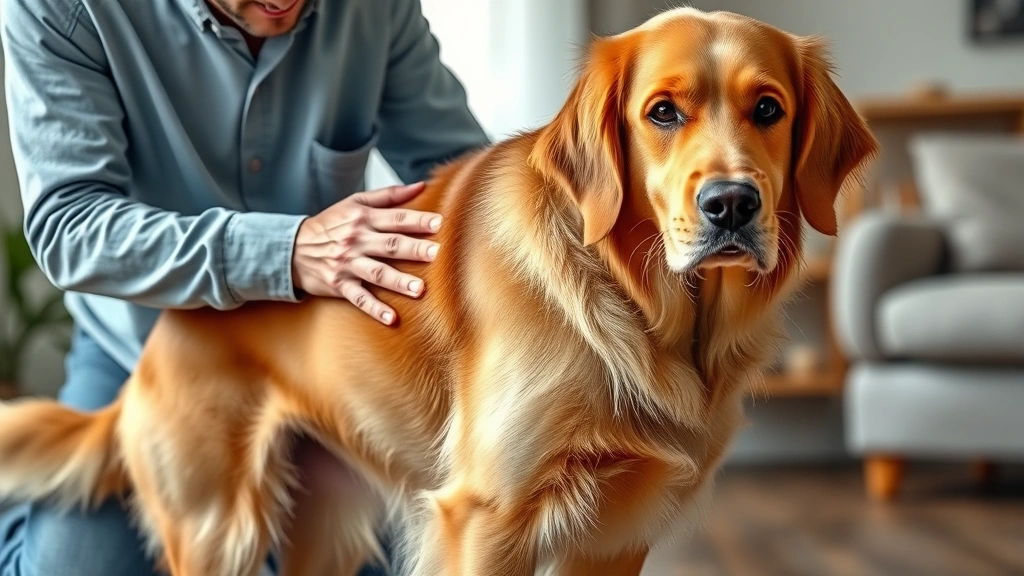
If you’re wondering how do I know if my dog is constipated, you’ve come to the right place—because let’s face it, your dog can’t exactly tell you they’re having bathroom troubles. Constipation in dogs is more common than you’d think, and spotting the signs early can save your furry friend from serious discomfort. Whether your pup is a senior dog, a couch potato, or just ate something they shouldn’t have, knowing what to look for is half the battle.
Table of Contents
- What Exactly Is Dog Constipation?
- Sign #1: Your Dog Is Straining During Bathroom Time
- Sign #2: Hard, Dry, or Pellet-Like Stool (When They Do Go)
- Sign #3: Decreased Appetite and Lethargy
- Sign #4: Abdominal Bloating or Visible Discomfort
- Sign #5: No Bowel Movement for 48+ Hours
- Common Causes of Constipation in Dogs
- Home Remedies and Relief Options
- When to Call Your Veterinarian
- Prevention Tips for Future Constipation
- Frequently Asked Questions
- Final Thoughts: Keep Your Pup’s Plumbing Healthy
What Exactly Is Dog Constipation?
Before we dive into the telltale signs, let’s clarify what constipation actually means for your canine companion. Dog constipation occurs when your pup has difficulty passing stool or hasn’t pooped in an abnormally long time. While some dogs naturally go every 24-48 hours, others might have a different rhythm. The key is knowing your dog’s normal bathroom habits so you can spot when something’s off.
Most healthy dogs should have a bowel movement at least once daily, though twice daily is pretty standard. If your pup is straining, producing little to no stool, or going several days without pooping, that’s when you need to pay attention. Constipation in dogs can range from mild discomfort to a serious medical issue, so it’s better to be proactive.
Sign #1: Your Dog Is Straining During Bathroom Time
The most obvious sign that your dog might be constipated is excessive straining when they’re trying to go. If your pup is squatting for longer than usual, making uncomfortable noises, or looking genuinely distressed while attempting to poop, something’s definitely up. This straining can be painful and exhausting for your dog, and it’s definitely worth investigating.
You might notice your dog circling excessively, whining, or even yelping during bathroom time. Some dogs will go outside multiple times but produce little to nothing. This isn’t just annoying behavior—it’s your dog’s way of signaling that they’re uncomfortable and need help.
Sign #2: Hard, Dry, or Pellet-Like Stool (When They Do Go)
Pay attention to what your dog actually produces when they do manage to poop. Healthy dog stool should be firm but not rock-hard. If your pup’s droppings look like tiny pebbles, are extremely dry, or resemble rabbit pellets, that’s a classic sign of constipation. These hard stools are difficult and painful to pass, which explains all that straining we just talked about.
In some cases, you might see mucus coating the stool or even a bit of blood, which indicates your dog’s intestinal lining is irritated from pushing so hard. That’s definitely a signal to call your vet. The texture and consistency of your dog’s poop can tell you a lot about their digestive health.
Sign #3: Decreased Appetite and Lethargy
When dogs are constipated, they often feel bloated, uncomfortable, and generally lousy. This discomfort frequently translates into decreased appetite—your pup might turn their nose up at meals or show less interest in treats. You might also notice your dog is less energetic than usual, preferring to lie around rather than play fetch or go for walks.
This behavioral change happens because constipation causes abdominal discomfort and sometimes even pain. Your dog isn’t being lazy; they’re genuinely not feeling well. If your normally food-motivated pup suddenly loses interest in eating, combined with other signs on this list, constipation could be the culprit.
Sign #4: Abdominal Bloating or Visible Discomfort
Take a close look at your dog’s belly. Is it more distended or swollen than usual? Does your pup seem to be in pain when you gently press on their abdomen? Constipated dogs often appear bloated because stool is building up in their colon. You might notice your dog adopting a hunched posture, tucking their tail more than usual, or seeming reluctant to move around.
Some dogs will also lick their rear end excessively or scoot their bottom on the ground, which can indicate discomfort in that area. While scooting is often associated with anal gland issues, it can also signal constipation-related discomfort. Trust your instincts—if your pup looks uncomfortable, they probably are.
Sign #5: No Bowel Movement for 48+ Hours
If your dog hasn’t had a bowel movement in more than two days, that’s a red flag. While some dogs have slightly slower systems, most healthy dogs should poop at least once daily. Keep a mental note of your dog’s typical bathroom schedule so you can quickly identify when they’re off their routine.
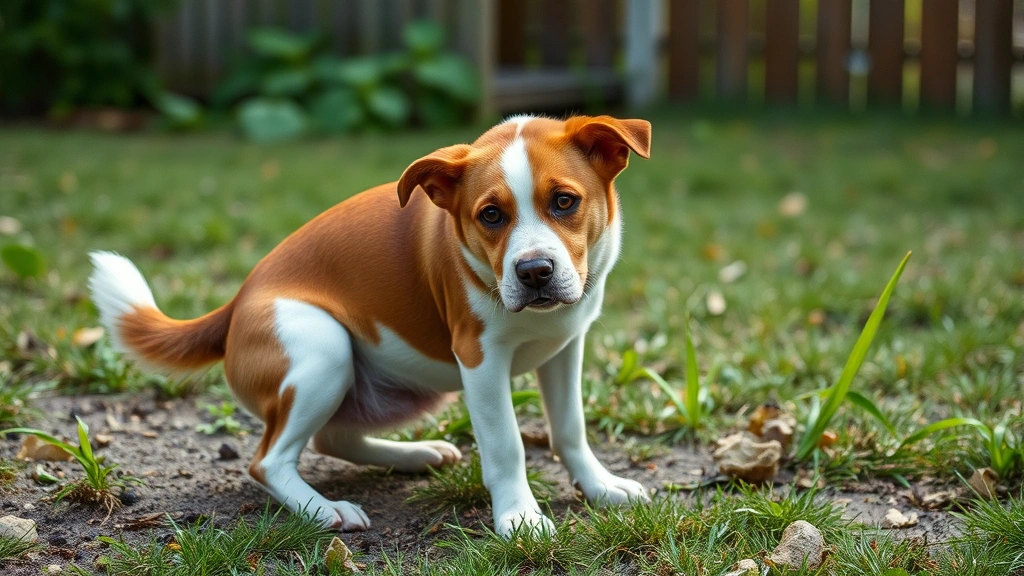
If your pup hasn’t gone in 48 hours or longer, don’t wait around hoping it’ll resolve itself. This is the time to contact your veterinarian, especially if your dog is also showing other signs from this list. The longer stool sits in the colon, the harder and drier it becomes, making the problem worse.
Common Causes of Constipation in Dogs
Understanding why your dog is constipated can help you prevent it from happening again. Some common culprits include:
Dietary Issues: Low-fiber diets, dehydration, or eating non-food items can all trigger constipation. Make sure your dog is drinking plenty of water and eating a balanced diet. If you’re considering dietary changes, safe vegetables for dogs can be excellent fiber sources. Conversely, harmful foods for dogs might exacerbate digestive issues.
Lack of Exercise: Sedentary dogs are more prone to constipation. Regular walks and playtime help stimulate bowel movements naturally.
Medications: Certain medications can cause constipation as a side effect. Talk to your vet if constipation started after beginning a new medication.
Age: Senior dogs are more susceptible to constipation due to decreased mobility and slower digestive systems.
Underlying Health Conditions: Hypothyroidism, arthritis, and other conditions can contribute to constipation.
Home Remedies and Relief Options
If your dog is mildly constipated and otherwise healthy, there are several home remedies you can try before heading to the vet. Increasing your dog’s water intake is often the first step—dehydration is a major constipation culprit. Encourage your pup to drink more by adding water to their kibble or offering wet food.
Fiber is your friend here. Canned pumpkin for dogs is a safe, effective remedy that many vets recommend. A tablespoon or two mixed into your dog’s food can work wonders. Plain, cooked pumpkin (not pie filling) is packed with fiber and helps regulate digestion.
Increasing exercise is another natural remedy. More walks mean more opportunities for your dog to poop, plus the physical activity stimulates bowel movements. Even short, frequent walks can help.
When to Call Your Veterinarian
While mild constipation often resolves with home care, certain situations warrant a vet visit. Contact your veterinarian if:
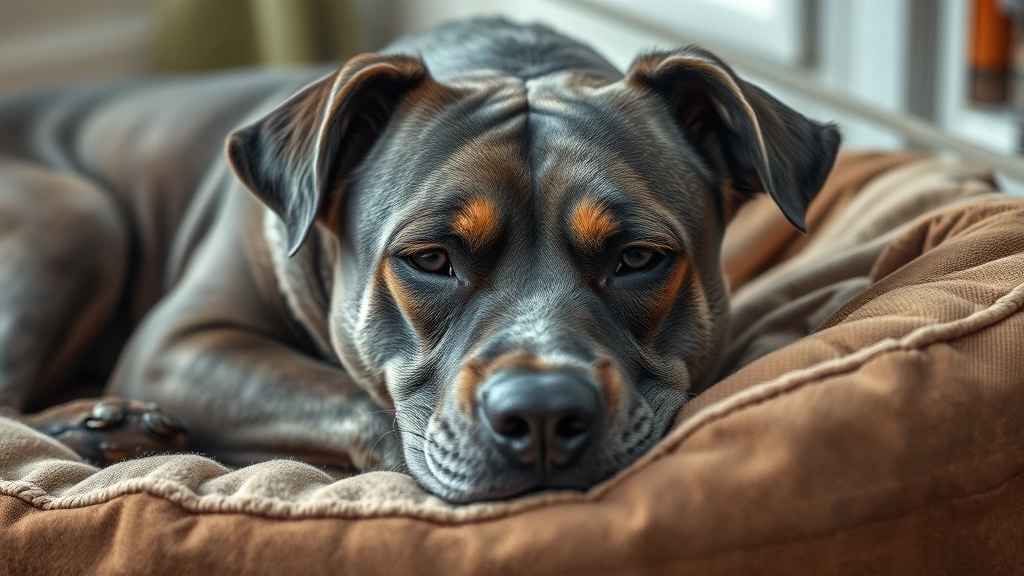
Your dog hasn’t had a bowel movement in more than 48-72 hours, your dog is in obvious pain or distress, your dog is vomiting along with constipation, your dog is a senior or has pre-existing health conditions, or your dog’s constipation doesn’t improve after 2-3 days of home treatment.
Your vet might recommend an enema, manual extraction, or prescription medications depending on the severity. In rare cases, severe constipation can require hospitalization. Don’t hesitate to seek professional help—your vet would rather see your pup early than deal with a serious complication later.
Prevention Tips for Future Constipation
Once your dog is feeling better, focus on prevention. Maintain a consistent feeding schedule, ensure your dog drinks plenty of water, provide regular exercise appropriate for your dog’s age and health status, include adequate fiber in their diet, and keep an eye on what your dog eats (no random objects or table scraps).
Regular vet checkups can catch underlying health issues before they cause constipation. If your dog is prone to constipation, your vet might recommend specific foods or supplements to keep things moving smoothly.
Frequently Asked Questions
Can I give my dog a laxative?
Some over-the-counter laxatives are safe for dogs, but always consult your vet first. Never give your dog human laxatives without veterinary approval, as some can be harmful. Your vet can recommend the safest option for your specific pup.
How long can a dog safely go without pooping?
Most dogs should have a bowel movement at least once daily. If your dog hasn’t gone in 48 hours, it’s time to contact your vet. Longer periods without pooping increase the risk of serious complications.
Is constipation an emergency?
Mild constipation isn’t usually an emergency, but severe constipation or constipation combined with vomiting, lethargy, or severe pain warrants immediate veterinary attention. When in doubt, call your vet.
Can diet alone fix my dog’s constipation?
For mild cases, yes. Increasing fiber, water intake, and exercise often resolves mild constipation. However, if constipation persists or is caused by an underlying condition, medical intervention may be necessary.
Why is my old dog suddenly constipated?
Senior dogs are more prone to constipation due to decreased mobility, slower metabolism, and potential underlying health issues. If your older dog suddenly develops constipation, have your vet rule out thyroid problems or other age-related conditions.
Final Thoughts: Keep Your Pup’s Plumbing Healthy
Knowing how do I know if my dog is constipated empowers you to catch problems early and keep your furry friend comfortable. Watch for straining, hard stools, decreased appetite, abdominal bloating, and extended periods without bowel movements. Most cases of mild constipation respond well to increased water, fiber, and exercise, but don’t hesitate to call your vet if things don’t improve or if your dog seems to be in pain.
Your dog depends on you to notice when something’s wrong, and catching constipation early can prevent it from becoming a serious issue. With a little attention to your pup’s bathroom habits and some preventive care, you can keep their digestive system running smoothly for years to come. Happy pooping!





