
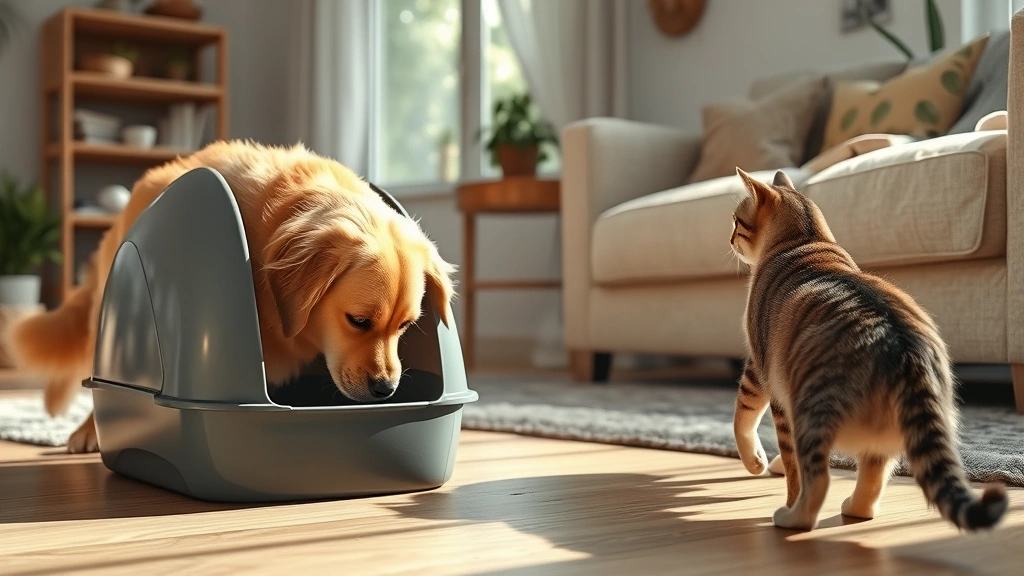
If you’re asking yourself “how do I stop my dog from eating cat poop,” you’re definitely not alone—and honestly, you’re dealing with one of the most common (and grossest) multi-pet household problems out there. That adorable furball of yours seems convinced that the litter box is basically a five-star restaurant, and frankly, it’s disgusting. But here’s the thing: this behavior, called coprophagia when it involves feces, is actually pretty normal for dogs, even though it makes us want to gag. The good news? There are real, practical solutions that actually work.
Table of Contents
- Why Dogs Eat Cat Poop (And It’s Not Because They’re Weird)
- Solution 1: The Classic Litter Box Relocation Strategy
- Solution 2: Install a Litter Box Enclosure or Cabinet
- Solution 3: Enzymatic Deterrent Sprays and Additives
- Solution 4: Optimize Your Dog’s Diet and Address Nutritional Gaps
- Solution 5: Training and Behavioral Modification
- When to Worry: Health Considerations
- Combining Solutions for Maximum Success
- Preventing Future Litter Box Drama
- The Bottom Line
- Frequently Asked Questions
Why Dogs Eat Cat Poop (And It’s Not Because They’re Weird)
Before we jump into solutions, let’s understand the “why” behind this behavior. Dogs eat cat poop for several legitimate reasons, and understanding them helps you pick the right fix.
First, cat poop smells amazing to dogs—seriously. Cat feces contain high levels of protein and fat, making it genuinely appetizing to your pup’s nose. It’s like leaving a cheeseburger on the floor and wondering why your dog keeps going back to it. From a dog’s perspective, they’re just snacking on something that smells delicious.
Second, some dogs are just curious little weirdos. Puppies especially explore the world with their mouths, and if the litter box is accessible, it becomes a toy and a snack rolled into one.
Third—and this is important—sometimes it indicates a nutritional deficiency or digestive issue. If your dog’s diet is lacking certain nutrients, they might seek out feces as a way to supplement. Similarly, dogs with malabsorption issues or certain health conditions may engage in this behavior more frequently.
Solution 1: The Classic Litter Box Relocation Strategy
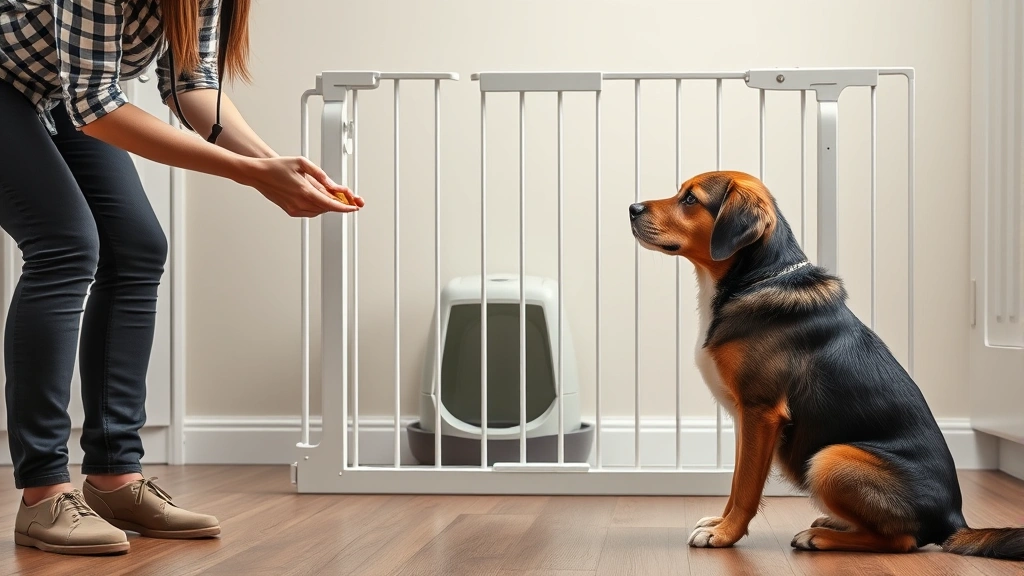
The simplest solution is often the best one: keep the litter box away from your dog. Move it to a space your dog can’t access. This might mean putting it in a separate room with a baby gate that’s tall enough for your cat to jump over but not your dog. Some people use those expandable gates or install a cat door that only your cat can fit through.
If you have a larger dog breed, this becomes easier. If you’ve got a determined small-to-medium dog, you might need to get creative. A laundry room, bathroom, or bedroom with a baby gate works great. The key is making sure your cat still has easy access while your dog is completely blocked.
This solution addresses the root problem directly: no access equals no snacking. It’s not rocket science, but it’s incredibly effective.
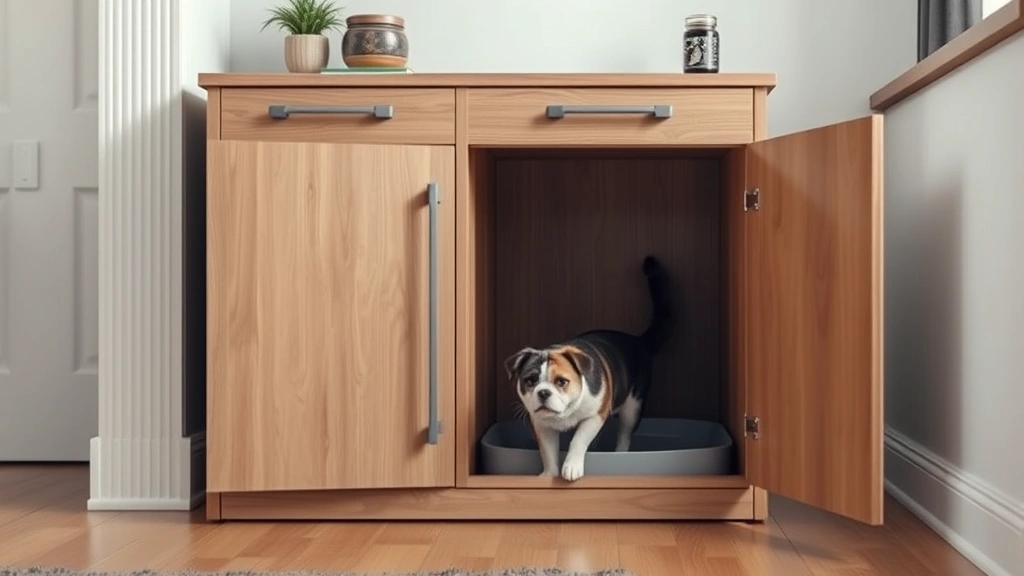
Solution 2: Install a Litter Box Enclosure or Cabinet
If you don’t have a separate room, invest in a litter box enclosure. These come in various styles—some look like furniture, others are simple plastic boxes with an opening just big enough for cats. Brands make everything from sleek wooden cabinets to discreet plastic enclosures that blend into your home.
The beauty of an enclosure is that it keeps your dog out while giving your cat privacy and dignity. Plus, it contains odors and litter scatter, which is a win-win. Look for models with multiple entry points so your cat has an escape route if needed, and ensure it’s large enough for your cat to turn around comfortably.
Solution 3: Enzymatic Deterrent Sprays and Additives
Some pet owners swear by enzymatic deterrent sprays designed to make feces taste bad or smell unpleasant to dogs. You spray these directly in or around the litter box. The theory is that your dog will associate the litter box with a negative taste or smell and avoid it.
However, I’ll be honest: these work inconsistently. Some dogs are deterred; others couldn’t care less. It’s worth trying if you’ve exhausted other options, but don’t expect miracles. You can also add certain supplements to your cat’s food that make their waste less appealing to dogs, though again, results vary.
Solution 4: Optimize Your Dog’s Diet and Address Nutritional Gaps
Sometimes the issue is what your dog is eating—or not eating. If your dog has a poor-quality diet or nutritional deficiencies, they’re more likely to seek out alternative food sources, including cat poop. This is especially true if your dog has food allergies in pets or digestive issues that prevent proper nutrient absorption.
Talk to your vet about whether your dog’s current food is meeting their nutritional needs. A high-quality, protein-rich diet can reduce the urge to snack on less-than-appetizing items. Some dogs also benefit from digestive enzymes or probiotics that improve their gut health and nutrient absorption.
Additionally, ensure your dog isn’t eating anything from the harmful foods for dogs list, as certain ingredients can cause digestive upset that might trigger this behavior.
Solution 5: Training and Behavioral Modification
You can train your dog to leave the litter box alone using positive reinforcement. Start by teaching a solid “leave it” command in low-distraction environments, then gradually practice it near the litter box with treats as rewards for ignoring it.
Some people use a combination approach: restrict access while simultaneously training the “leave it” command. Once your dog reliably ignores the litter box, you can gradually give them more freedom. This takes patience, but it addresses the behavioral aspect of the problem.
Consistency is crucial. Everyone in your household needs to enforce the same rules and reward good behavior identically.
When to Worry: Health Considerations
While eating cat poop is usually just gross rather than dangerous, there are some health concerns worth mentioning. Cat feces can contain parasites, bacteria, and toxins that might upset your dog’s stomach or cause more serious issues. If your dog frequently eats cat poop and shows signs of diarrhea, vomiting, or lethargy, contact your vet immediately.
Additionally, if your dog suddenly starts this behavior when they never did before, it could indicate a nutritional deficiency, digestive disorder, or even behavioral anxiety. Your vet can rule out medical causes and recommend appropriate treatment.
In cases where your dog has ingested something toxic from the litter box, you might need emergency food poisoning telehealth services to get quick professional guidance.
Combining Solutions for Maximum Success
The best approach usually combines multiple strategies. For example, you might relocate the litter box to a separate room while simultaneously improving your dog’s diet and training a “leave it” command. This multi-pronged approach addresses access, nutrition, and behavior all at once.
Don’t expect overnight results. Behavioral change takes time, especially if your dog has been doing this for months or years. Stay patient, stay consistent, and celebrate small wins.
Preventing Future Litter Box Drama
Once you’ve solved the problem, maintain it. Keep the litter box in a dog-free zone, monitor your dog’s diet quality, and continue reinforcing the “leave it” command occasionally. If you ever add another dog to your household, implement these solutions from day one.
The Bottom Line
Figuring out how to stop your dog from eating cat poop comes down to three main strategies: restricting access, improving nutrition, and training. Start with the easiest solution (moving the litter box), and layer in additional approaches as needed. Most multi-pet households find success with a combination of physical barriers and behavioral training. Your patience will pay off, and you’ll finally have a household where the litter box remains a cat-only facility.
Frequently Asked Questions
Is it dangerous for dogs to eat cat poop?
While it’s not ideal, occasional consumption usually isn’t dangerous. However, cat feces can contain parasites, bacteria, and toxins that might cause digestive upset. If your dog regularly eats cat poop or shows signs of illness, consult your vet.
Why does my dog prefer cat poop to their own food?
Cat poop has higher protein and fat content than dog food, making it smell and taste more appealing. It’s not a reflection of your dog’s intelligence or your food choice—it’s just how their nose works. Some dogs are also drawn to the novelty and texture.
Can I use punishment to stop this behavior?
Punishment is ineffective and can damage your relationship with your dog. Positive reinforcement training and environmental management (restricting access) work much better. Your dog isn’t being “bad”—they’re just following their instincts.
How long does it take to train a dog to avoid the litter box?
This varies widely depending on your dog’s age, temperament, and how long they’ve had the habit. Some dogs learn in weeks; others take months. Consistency is more important than speed.
Are there supplements that reduce the appeal of cat poop?
Some supplements added to your cat’s food claim to make their feces less appealing to dogs. Results are mixed, but they’re worth discussing with your vet. They’re usually not a complete solution on their own.





