
So you’re wondering how do u know if your dog loves u? Well, buckle up, because your furry best friend is probably showing you affection in ways you didn’t even realize. Dogs can’t exactly text you “I love you” or write you a sonnet, but they’ve got their own adorable language of devotion that’s actually pretty easy to decode once you know what to look for.
Table of Contents
- The Tail Wag That Says It All
- The Puppy Dog Eyes Phenomenon
- Sleeping Near You (Or On You)
- The Greeting Ritual: Welcome Home Energy
- Leaning Into You: Physical Closeness Matters
- Bringing You Gifts (Even If They’re Weird)
- Following You Everywhere (The Shadow Dog Phenomenon)
- The Play Bow and Playful Behavior
- Licking Your Face (And Other Body Parts)
- Protecting You and Your Space
- Eating Habits and Treat Acceptance
- The Slow Blink Exchange
- Frequently Asked Questions
- Conclusion: Your Dog Loves You (Probably More Than You Know)
The bond between humans and dogs is one of the most beautiful relationships on the planet. Unlike cats, who seem to tolerate us at best, dogs are genuinely obsessed with their humans. But sometimes their love language gets lost in translation. Let’s break down the unmistakable signs that your dog is absolutely head over paws in love with you.
The Tail Wag That Says It All
If your dog’s tail is wagging, you might think that’s a universal sign of happiness. But here’s the thing—not all tail wags are created equal. A dog that loves you will wag their tail in a specific way: the whole back half of their body gets involved, and the wag is usually more enthusiastic on the right side. This is called a “full-body wag,” and it’s basically your dog’s way of saying you’re the best thing that’s happened to them all day.
Research from veterinary behaviorists shows that dogs wag their tails more to the right when they see someone they love and more to the left when they encounter something that makes them anxious. So next time your pup sees you walk through the door, check which direction that tail is going. If it’s a full-body, right-side-heavy wag, congratulations—you’re loved.
The Puppy Dog Eyes Phenomenon
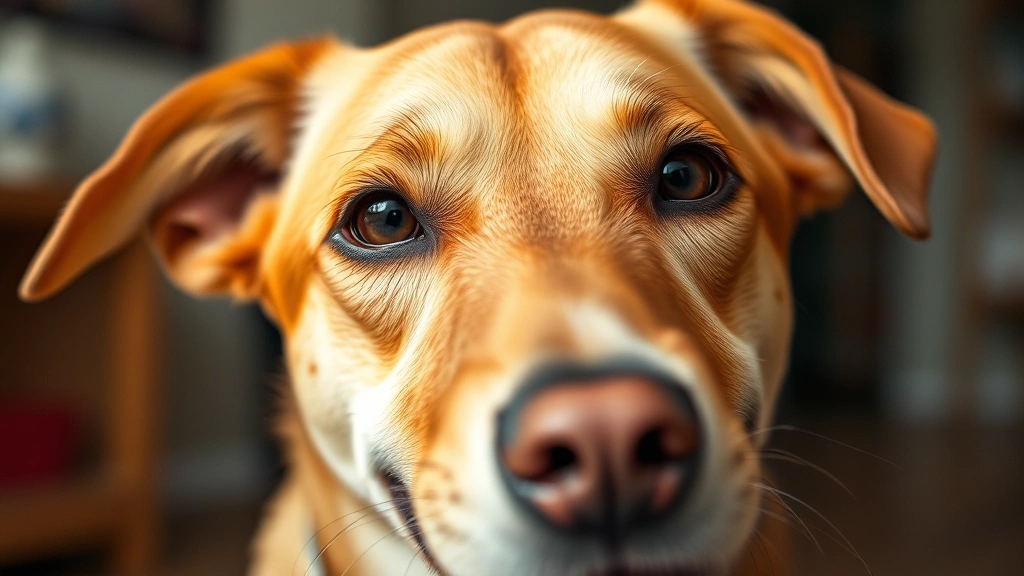
You know that look? The one where your dog stares at you with those big, soulful eyes? That’s not just cute—it’s actually a sign of deep affection and trust. When your dog gives you those eyes, they’re releasing oxytocin, the same bonding hormone that humans release when they’re in love. This is especially true if your dog maintains soft eye contact with you while their body is relaxed.
Unlike a hard stare, which can be a sign of aggression or dominance, soft eyes combined with a slightly tilted head and relaxed ears means your dog is genuinely connecting with you on an emotional level. It’s their way of saying, “You’re my person, and I trust you completely.”
Sleeping Near You (Or On You)
Dogs are pack animals, and in the wild, they sleep close to the members of their pack they trust the most. If your dog insists on sleeping on your bed, on your lap, or right next to you on the couch, that’s a major sign of affection. Your dog is literally saying, “I feel safe with you, and I want to be near you.”
Some dogs will even sleep on their backs around their favorite humans—a position that leaves them completely vulnerable. This is the ultimate sign of trust and love. Your dog is basically saying, “I’m defenseless right now, but I’m cool with it because you’re here.” That’s not just love; that’s the canine equivalent of “you complete me.”
The Greeting Ritual: Welcome Home Energy
How does your dog react when you come home from work? If they’re going absolutely bonkers—jumping, spinning, whining with excitement—that’s textbook dog love. This enthusiastic greeting is your dog’s way of celebrating the fact that their favorite person just returned to their world.
The intensity of this greeting actually correlates with how much your dog loves you and how much they missed you. Some dogs will even “smile” at their beloved humans, pulling back their lips in what looks like a grin. It might look goofy, but it’s genuine affection. Your dog isn’t just happy to see you; they’re thrilled beyond measure.
Leaning Into You: Physical Closeness Matters
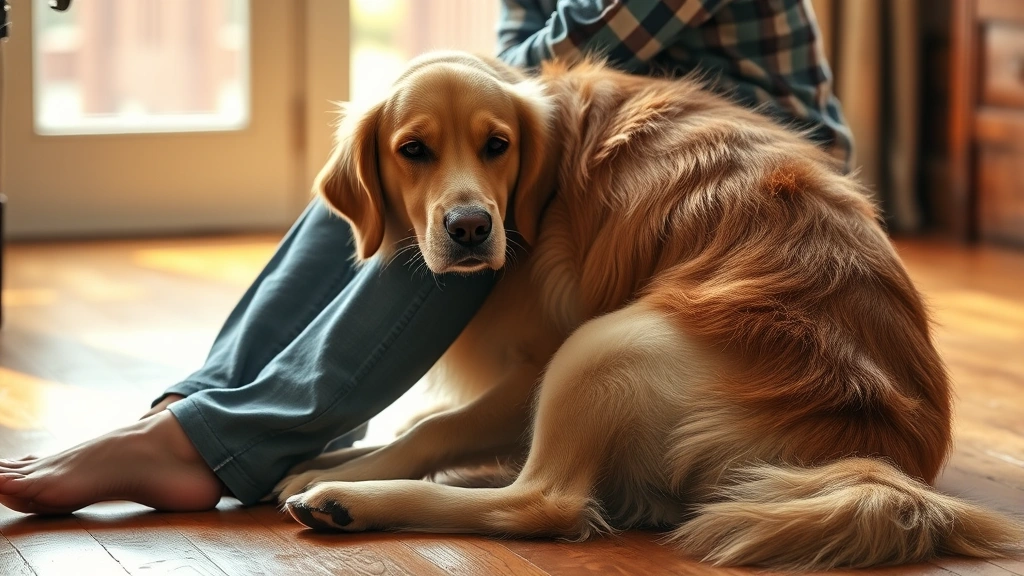
If your dog leans against your leg while you’re standing or pushes their body weight against you while sitting, they’re showing you love. This behavior is called “leaning,” and it’s a way for dogs to show trust, seek comfort, and express affection. Your dog is saying, “I want to be close to you, and I feel secure when I’m touching you.”
This is different from a dog that’s anxious or needy. A dog that loves you will lean casually, without excessive whining or neediness. They just want to be near you and feel your presence. It’s their version of a hug.
Bringing You Gifts (Even If They’re Weird)
Does your dog bring you their toys? What about socks, shoes, or that one shoe you’ve been looking for? While this might seem annoying, it’s actually a profound sign of affection. Your dog is sharing their most prized possessions with you, which in the dog world is basically like saying, “I love you so much, I’m giving you my most valuable stuff.”
Some dogs will even bring you things they find outside—a stick, a rock, a leaf. They’re not trying to clutter your house; they’re trying to show you they care. It’s their way of bonding and sharing their world with you. If you want to encourage this behavior and strengthen your bond, consider rewarding your pup with high-value treats from kitchen ingredients when they bring you something.
Following You Everywhere (The Shadow Dog Phenomenon)
If your dog follows you from room to room, even to the bathroom, that’s a sign they love you and don’t want to miss out on anything you’re doing. While it might feel like you’ve lost your privacy, this behavior actually shows that your dog considers you part of their pack and wants to stay close to you at all times.
This is especially true if your dog gets anxious when you leave. Dogs that love their humans deeply experience separation anxiety because they genuinely miss you when you’re gone. Your dog isn’t being clingy; they’re being devoted.
The Play Bow and Playful Behavior
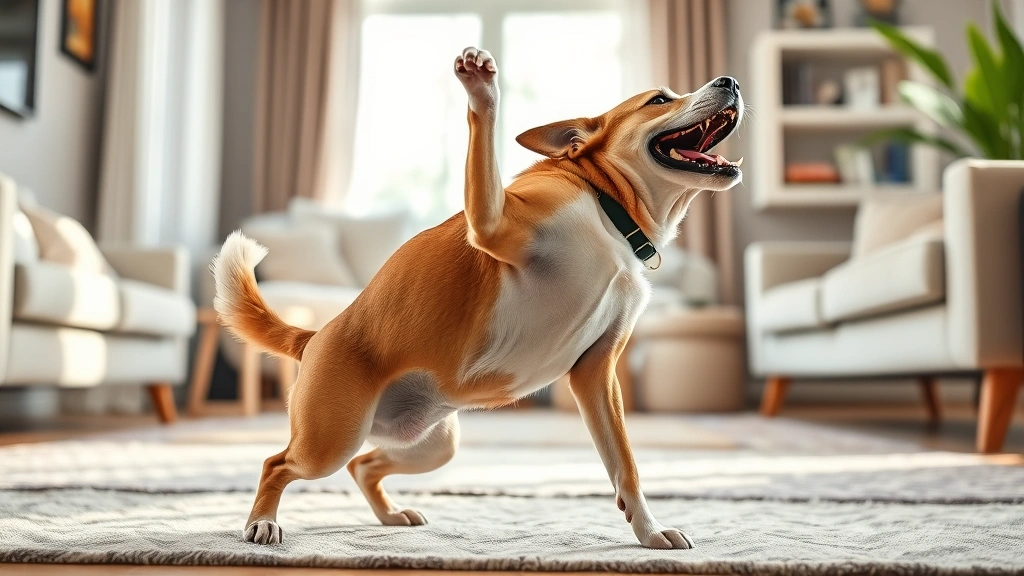
When your dog gets into a play bow—front legs stretched out, rear end up in the air—they’re inviting you to play. This is a sign of trust and affection. Your dog wants to engage with you, have fun, and spend quality time together. This playful behavior strengthens your bond and shows that your dog sees you as a friend, not just a provider of food and shelter.
If your dog brings you a toy and drops it at your feet, they’re asking you to play with them. This is a direct invitation to bond, and it’s a clear sign of love and trust. Dogs don’t waste their play energy on people they don’t care about.
Licking Your Face (And Other Body Parts)
Yes, dog breath is gross, but when your dog licks your face, they’re showing you affection. Licking is a nurturing behavior that dogs learn from their mothers, and when they lick you, they’re treating you like family. It’s their way of grooming you and showing that they care about you.
However, excessive licking can sometimes indicate anxiety or a medical issue, so if your dog suddenly starts licking excessively, it’s worth checking with your vet. But gentle, occasional face licks? That’s pure love. Your dog is saying, “You’re part of my pack, and I care about your wellbeing.”
Protecting You and Your Space
Does your dog alert you when someone approaches your house? Do they position themselves between you and a stranger? That’s your dog’s way of protecting you because they love you. Your dog sees you as part of their pack and feels responsible for keeping you safe.
This protective behavior is rooted in pack mentality. Your dog loves you so much that they’re willing to defend you from potential threats. It’s not aggression; it’s devotion. Your dog is saying, “You’re mine, and I won’t let anything hurt you.” Just make sure this behavior is healthy and not excessive, as some dogs can develop anxiety-based reactivity.
Eating Habits and Treat Acceptance
Dogs show affection through food too. If your dog eats the meals you prepare with enthusiasm and accepts treats from your hand, they’re showing you love and trust. Dogs won’t eat food from someone they don’t trust or like, so if your pup is chowing down on the food you give them, that’s a good sign.
Interestingly, if you want to deepen this bond, you can prepare homemade treats. Check out our guide on can dogs eat chicken and meat-based treats for dogs to learn about safe, nutritious options your pup will love. You can also explore can dogs eat peanut butter for other treat ideas.
The Slow Blink Exchange
Here’s something many dog owners don’t know: if your dog gives you a slow blink, they’re essentially saying “I love you” in dog language. Try slow-blinking at your dog and see if they return the gesture. This is a sign of trust and affection that’s often called the “cat kiss,” but dogs do it too.
When your dog slowly closes and opens their eyes while looking at you, they’re showing you that they feel safe and comfortable in your presence. It’s a subtle sign, but it’s powerful. You can even initiate this exchange by slow-blinking at your dog first and watching them respond.
Frequently Asked Questions
Can dogs actually feel love?
Absolutely. While dogs don’t experience love exactly the way humans do, they do form deep emotional bonds with their owners. Their brains release oxytocin, the same bonding hormone humans release, when they’re around people they love. Scientific research has confirmed that dogs have the emotional capacity to love their humans.
What if my dog doesn’t show these signs?
Not all dogs are equally expressive, just like people. Some breeds are naturally more reserved, and some dogs have had traumatic experiences that make them cautious about showing affection. If your dog doesn’t display these signs but is otherwise healthy and well-behaved, they might just have a more subtle way of showing love. Give them time, be patient, and build trust gradually.
Can a dog love multiple people equally?
Yes, dogs can love multiple people, but they usually have a primary attachment figure—the person they see as their main caregiver or pack leader. However, a dog can absolutely show genuine affection to multiple family members. The intensity might vary, but the love is real.
How long does it take for a dog to love you?
Some dogs bond quickly, while others take time. On average, it takes about 2-3 weeks for a dog to start showing signs of attachment to a new owner. However, deep, lasting love can take several months to fully develop. Consistency, kindness, and quality time are key to building a strong bond.
Is my dog’s love conditional?
Dogs’ love is generally unconditional, but they do respond better to people who treat them well. If you provide food, shelter, exercise, and affection, your dog will love you. However, if you’re neglectful or abusive, a dog’s trust and affection can diminish. Dogs are forgiving creatures, but they do remember how they’re treated.
Conclusion: Your Dog Loves You (Probably More Than You Know)
So, how do u know if your dog loves u? Look for the tail wags, the puppy dog eyes, the constant following, the protective behavior, and all those weird little quirks that make your dog uniquely yours. The truth is, if your dog is showing any combination of these signs, they absolutely love you. Dogs don’t have the ability to fake affection—what you see is what you get.
Your dog loves you for who you are, not what you have. They don’t care if you’re having a bad day, if you look terrible, or if you made mistakes. They just want to be near you, protect you, and share their life with you. That’s unconditional love in its purest form.
So the next time your dog gives you those puppy dog eyes or leans against your leg, remember that you’re witnessing genuine, authentic love. Your dog isn’t just your pet; they’re your family, your friend, and your biggest fan. And honestly, that’s pretty amazing.





