
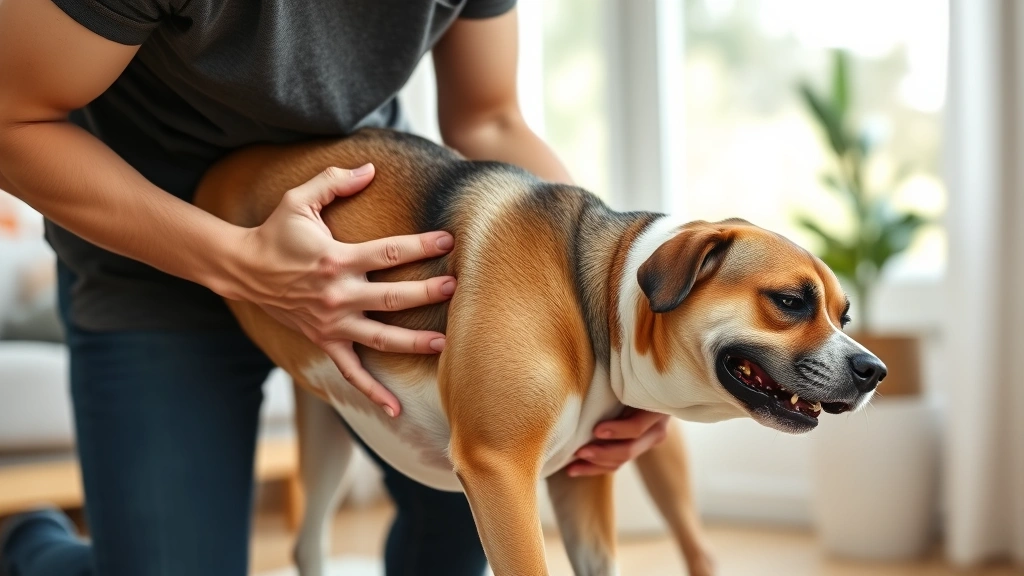
Learning how do you do the heimlich maneuver on a dog could literally save your furry best friend’s life. Choking is one of those terrifying emergencies that can happen in seconds, and knowing the right technique could mean the difference between your pup going home wagging their tail or heading to an emergency vet visit. Let’s break down this critical skill in a way that actually makes sense, even when you’re panicking.
Table of Contents
- Understanding Canine Choking: Why It Happens
- Recognizing a Choking Dog vs. Other Emergencies
- The Heimlich Maneuver for Small Dogs
- The Heimlich Maneuver for Large Dogs
- What To Do If the Object Comes Out
- What If the Heimlich Doesn’t Work?
- Prevention: Your Best Defense
- Training and Practice for Canine Choking Response
- When To Seek Immediate Veterinary Care
- Frequently Asked Questions
- Summary: Being Prepared for Choking Emergencies
Understanding Canine Choking: Why It Happens
Before we jump into the hands-on technique, let’s talk about why dogs choke in the first place. Dogs are notorious for swallowing things without thinking—they’re basically furry vacuum cleaners with four legs and zero common sense. Common culprits include tennis balls, rawhide chews, bones, toys, and even pieces of food that are too large. Some dogs inhale their kibble like it’s their last meal on Earth, which is why understanding pet food safety matters more than you’d think.
Unlike humans, dogs can’t tell you they’re choking. Instead, you’ll notice signs like sudden distress, inability to bark or make sounds, difficulty breathing, pawing at the mouth, or collapse. Time is absolutely critical here—you need to act fast.
Recognizing a Choking Dog vs. Other Emergencies
Not every cough or gag means your dog is choking. Sometimes they’re just hacking up a hairball or clearing their throat like a grumpy old man. A truly choking dog will show panic in their eyes and won’t be able to breathe or make noise. If your dog is coughing forcefully or gagging, they might be able to dislodge the object themselves—let them try for a moment. But if they’re silent and in distress, it’s go-time.
This is different from food allergies or reactions, which you can read more about in our guide on online vet advice for food reactions. Choking is an airway obstruction emergency, not a digestive issue.
The Heimlich Maneuver for Small Dogs
If your dog is small (under 30 pounds), here’s how to perform the Heimlich maneuver:
Step 1: Position Your Dog – Hold your small dog upright with their back against your chest. You can do this by standing or kneeling, depending on what’s comfortable and safe.
Step 2: Find the Right Spot – Locate the soft area just below your dog’s ribcage. This is where you’ll apply pressure, similar to how you’d do it on a human.
Step 3: Apply Quick, Firm Thrusts – Place your fist or the heel of your hand just below the ribcage, slightly above the abdomen. Deliver 5-6 quick, firm upward thrusts. You’re trying to create a sudden burst of air that forces the object out.
Step 4: Check the Mouth – After each set of thrusts, open your dog’s mouth and sweep with your finger to see if the object has been dislodged. Be careful—your panicked pup might accidentally bite you.
The Heimlich Maneuver for Large Dogs
Large dogs require a slightly different approach because you can’t exactly cradle a 90-pound German Shepherd like a baby.
Step 1: Position Your Large Dog – Stand behind your dog or have them stand on all fours. If they’re still conscious and mobile, this position works best.

Step 2: Locate the Pressure Point – Find the soft area just behind the ribcage, where the abdomen begins. This is your target zone.
Step 3: Deliver Upward Thrusts – Place both your hands just behind the ribcage, one hand on top of the other. Push upward and slightly forward with quick, forceful thrusts. You need to be firm—this is not the time to be gentle. Perform 5-6 thrusts in rapid succession.
Step 4: Check for the Object – Open your dog’s mouth and look for the obstruction. If it’s visible and you can safely grab it, do so. Never push the object deeper.
What To Do If the Object Comes Out
Congratulations! Your quick thinking saved the day. But don’t just celebrate and move on. Even if your dog seems fine after you’ve removed the object, you need to get them to a vet as soon as possible. There could be internal damage, scratches, or swelling in the airway that isn’t immediately obvious. Your vet can check for complications and make sure everything is functioning normally.
Also, once your dog has calmed down, have a serious conversation with yourself about what caused this in the first place. Was it a toy? A treat? A piece of food? Take steps to prevent it from happening again, whether that means switching to safer food options or removing hazardous items from your home.
What If the Heimlich Doesn’t Work?
Sometimes the Heimlich maneuver doesn’t dislodge the object on the first try. If your dog is still choking after 2-3 rounds of thrusts, you need to get professional help immediately. Call your emergency vet clinic while you’re attempting the maneuver—don’t wait until you’ve exhausted all options. Some objects are lodged too deeply or are too large to be expelled with abdominal thrusts alone.
In some cases, you might need to try a back blow technique before or between Heimlich attempts. Place your hand between your dog’s shoulder blades and deliver 5 quick, firm blows. This can sometimes dislodge an object that’s stuck higher up in the throat.
Prevention: Your Best Defense
The absolute best way to handle choking is to prevent it from happening in the first place. This means being vigilant about what your dog has access to. Remove small toys, avoid giving bones that can splinter, and be cautious with rawhide chews. Keep toxic foods like those containing xylitol poisoning in dogs completely away from your pup.
Supervise your dog during meals and treat time. Feed them in a calm environment where they’re not competing with other pets or feeling rushed. Consider using a slow feeder bowl if your dog is a gulper. And always make sure toys are appropriately sized for your dog—nothing should fit entirely in their mouth.
Training and Practice for Canine Choking Response
Here’s the thing about emergency procedures: they’re useless if you can’t remember them when you’re panicking. Your adrenaline will be through the roof, and your brain might go blank. That’s why it’s worth taking a pet first aid course. Many veterinary clinics and organizations like the American Red Cross offer these courses, and they’re absolutely worth your time and money.
You can also practice the motions on a stuffed animal or ask your vet to walk you through it during a regular visit. The more familiar you are with the technique, the more instinctive it becomes when you actually need it. And honestly, just knowing you’re prepared will give you confidence if the situation ever arises.
When To Seek Immediate Veterinary Care
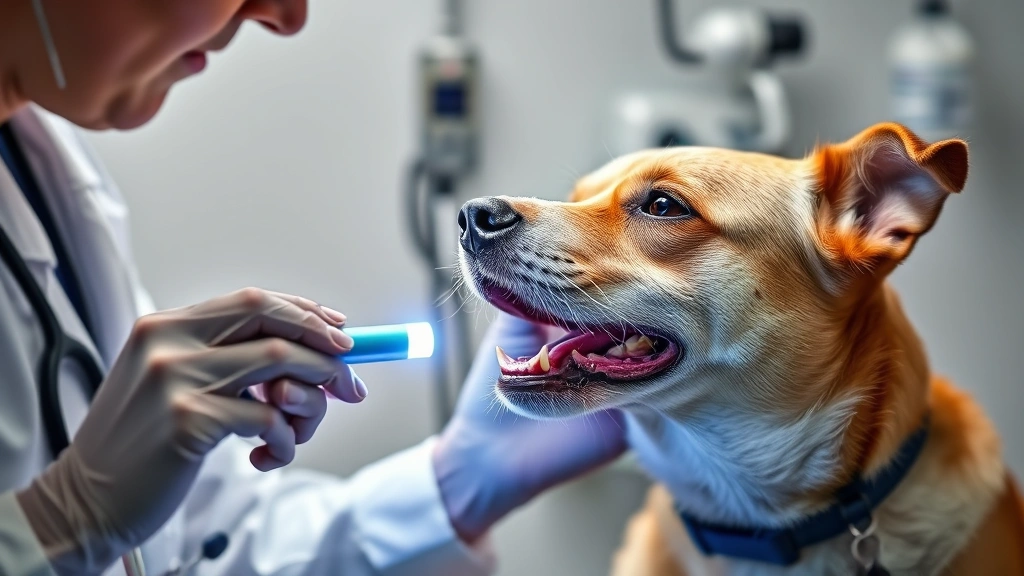
After any choking incident, your dog needs professional evaluation. Even if they seem perfectly fine, internal injuries might not be immediately apparent. Your vet will examine the throat, check for swelling, and make sure there are no lacerations or other damage. They might also recommend keeping your dog under observation for a few hours to watch for complications.
If your dog is still struggling to breathe, drooling excessively, or showing signs of distress after you’ve removed the object, don’t hesitate—get to an emergency vet immediately. Some objects can cause delayed reactions or secondary issues that require professional intervention.
Frequently Asked Questions
Can I perform the Heimlich maneuver on my dog if I’m not trained?
Absolutely. In a choking emergency, you don’t have time to wait for a professional. Even if you’re not perfectly trained, attempting the Heimlich is better than doing nothing. The basic principle is simple: create upward pressure to force the object out. Your vet can provide more detailed instruction if you want to be better prepared.
What’s the difference between the Heimlich maneuver and CPR for dogs?
The Heimlich maneuver addresses airway obstruction (choking), while CPR is for when the heart has stopped beating or breathing has completely ceased. You might need both in a severe emergency—first clear the airway with the Heimlich, then start CPR if your dog isn’t breathing or has no pulse. However, CPR should only be performed after professional training.
Can I accidentally hurt my dog by doing the Heimlich maneuver?
It’s possible to cause injury if you’re too rough or if you perform it incorrectly, but a choking dog is already in mortal danger. The risk of not doing it far outweighs the risk of doing it imperfectly. That said, use firm but controlled pressure—you’re not trying to break ribs, just create a burst of air pressure.
Should I put my fingers down my dog’s throat to remove the object?
Only if you can clearly see and safely reach the object. Never blindly shove your fingers down your dog’s throat, as this can push the object deeper or cause you to get bitten. If the object is visible and accessible, you can try to remove it, but don’t waste time if you can’t immediately grab it. Focus on the Heimlich maneuver instead.
What should I do if my dog chokes on food regularly?
This suggests a behavioral or physical issue. Talk to your vet about slow feeders, feeding techniques, or potential underlying conditions. Some dogs have anatomical issues that make them prone to choking, and your vet can help identify and address these.
Summary: Being Prepared for Choking Emergencies
Knowing how do you do the heimlich maneuver on a dog is one of the most valuable skills you can have as a pet owner. While it’s not something you want to ever need, being prepared means you can act quickly and confidently if your dog ever chokes. Remember the key steps: position your dog appropriately, locate the pressure point below the ribcage, deliver firm upward thrusts, and check the mouth for the object.
The best approach, however, is prevention. Keep hazardous items away from your dog, supervise meal times, and be aware of choking risks in your home. And always follow up any choking incident with a vet visit to ensure there’s no internal damage. Your dog depends on you to keep them safe, and knowing this life-saving technique is a big part of responsible pet ownership.





