
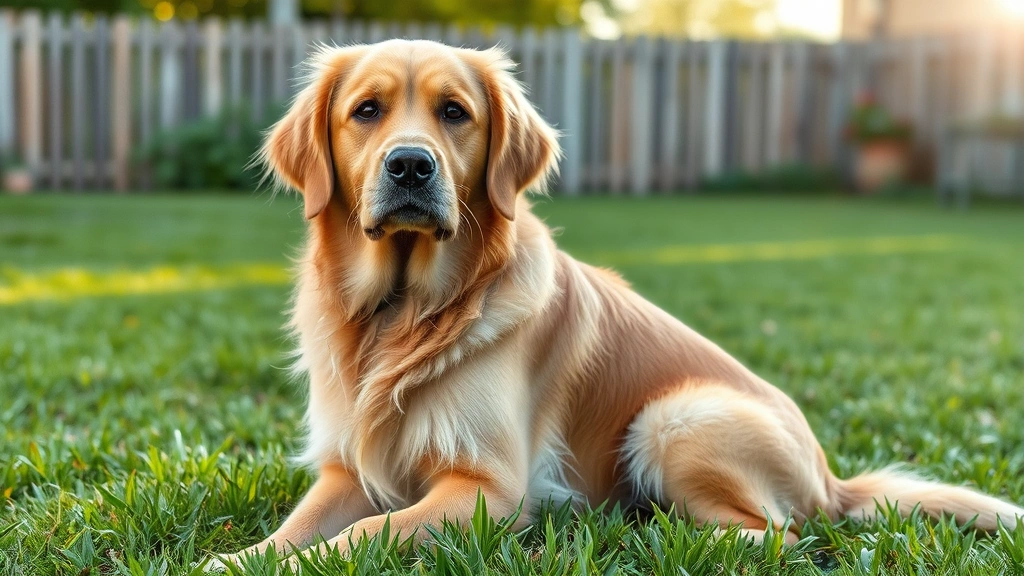
If you’re wondering how do you help a constipated dog, you’re not alone—and your pup’s backed-up digestive system is probably making them about as comfortable as you’d be in rush hour traffic. Constipation in dogs is more common than you’d think, and the good news? Most cases can be resolved at home with some simple interventions that don’t require a vet visit (though we’ll talk about when you absolutely should call one).
Table of Contents
- Understanding Canine Constipation: Why It Happens
- Tip #1: Increase Water Intake and Hydration
- Tip #2: Add Fiber-Rich Foods to Their Diet
- Tip #3: Get Your Dog Moving With Exercise
- Tip #4: Try Safe Over-the-Counter Remedies
- Tip #5: Maintain a Consistent Bathroom Schedule
- When to Call the Vet: Red Flags You Can’t Ignore
- Dietary Adjustments for Long-Term Prevention
- Special Considerations for Senior Dogs and Breeds Prone to Constipation
- The Role of Stress in Canine Constipation
- Frequently Asked Questions
- Conclusion: Getting Your Dog Back on Track
Let’s dive into the nitty-gritty of canine constipation and get your furry friend feeling like themselves again.
Understanding Canine Constipation: Why It Happens
Before we tackle solutions, let’s understand what’s actually happening in your dog’s digestive tract. Constipation occurs when your dog’s colon absorbs too much water from stool, making it dry, hard, and difficult to pass. Think of it like concrete instead of clay—nobody’s happy about that situation.
Common culprits include dehydration, lack of exercise, dietary changes, or even something as simple as your dog holding it in because they’re too picky about their bathroom spot. Some breeds, particularly older dogs and those with mobility issues, are more prone to constipation. According to the American Kennel Club, understanding your dog’s normal bathroom habits is the first step in identifying when something’s off.
Tip #1: Increase Water Intake and Hydration
This is the most fundamental solution and often the most overlooked. A dehydrated dog is a constipated dog. Make sure your pup has constant access to fresh, clean water throughout the day. Some dogs are picky drinkers, so try these tricks:
- Add a splash of low-sodium chicken broth to their water bowl
- Use a water fountain—many dogs prefer running water
- Offer ice cubes as a treat (they’re basically water with a fun texture)
- Feed hydrating human foods for pets that boost moisture intake
Proper hydration isn’t just about preventing constipation; it’s essential for overall health. Your vet can confirm your dog is getting enough water by checking their skin elasticity during a checkup.
Tip #2: Add Fiber-Rich Foods to Their Diet
Fiber is your secret weapon against dog constipation. It acts like a broom for the digestive system, pushing things along. The most popular and effective option? Plain canned pumpkin (not pumpkin pie filling—that’s loaded with sugar and spices).
A tablespoon or two mixed into your dog’s regular food can work wonders. You can also explore pumpkin recipes for pets to make it more interesting. Other fiber-rich options include:
- Sweet potato (cooked and unseasoned)
- Psyllium husk powder (consult your vet on dosage)
- Green beans (fresh or frozen)
- Safe fruits for dogs like apples and pears with skin on
The key is introducing fiber gradually—too much too fast can actually make things worse. Think of it like easing into a new exercise routine rather than going full marathon mode on day one.
Tip #3: Get Your Dog Moving With Exercise
Exercise isn’t just for keeping your dog’s waistline in check—it’s also a natural laxative. Physical activity stimulates the muscles in your dog’s intestines, encouraging bowel movements. A constipated dog often needs more activity, not less.
Depending on your dog’s age and health status, aim for:
- Daily walks (at least 20-30 minutes for most dogs)
- Playtime in the yard
- Swimming (excellent low-impact exercise)
- Fetch or other active games
Even a leisurely stroll around the neighborhood can help. The combination of movement and environmental stimulation often triggers that magical bathroom moment. Plus, you’ll both get some quality time together—win-win.

Tip #4: Try Safe Over-the-Counter Remedies
If diet and exercise aren’t cutting it, there are some safe OTC options you can try. Always consult your vet before introducing any new supplement or medication, but these are generally considered safe for most dogs:
- Miralax (polyethylene glycol): A stool softener that’s safe for dogs when dosed correctly
- Dog-specific probiotics: These promote healthy gut bacteria and can aid digestion
- Slippery elm bark: An herbal remedy that soothes the digestive tract
- Olive oil: A teaspoon mixed into food can act as a gentle lubricant
The goal here is to soften the stool without causing diarrhea. It’s a delicate balance, which is why your vet’s guidance is invaluable. Some dogs respond better to certain remedies than others, so patience is key.
Tip #5: Maintain a Consistent Bathroom Schedule
Dogs thrive on routine, and their digestive systems do too. Take your pup out at the same times each day—first thing in the morning, after meals, before bed, and a couple times in between. This consistency helps regulate their bowel movements and makes it easier to spot when something’s wrong.
When you do take them out, give them plenty of time and space. Some dogs get anxious or distracted, which can interfere with their ability to go. Stay patient, avoid distractions, and reward successful bathroom trips enthusiastically. Positive reinforcement works wonders for establishing good habits.
When to Call the Vet: Red Flags You Can’t Ignore
While most cases of dog constipation resolve with home remedies, some situations require professional intervention. Contact your vet immediately if:
- Your dog hasn’t had a bowel movement in more than 3-4 days
- They’re straining excessively or seem to be in pain
- There’s blood in their stool or vomiting
- They’re lethargic or refusing to eat
- Their abdomen appears bloated or hard
- They’re an older dog or have pre-existing health conditions
According to PetMD, severe constipation can indicate serious issues like megacolon, blockages, or other underlying conditions. Better safe than sorry—your vet would rather see you and confirm everything’s fine than have you wait until it becomes an emergency.
Dietary Adjustments for Long-Term Prevention
Once you’ve resolved your dog’s immediate constipation, focus on prevention through diet. High-quality dog food with appropriate fiber content is essential. Some commercial foods are specifically formulated to support digestive health.
If your dog has a sensitive digestive system or recurring constipation, discuss prescription or therapeutic diets with your vet. Sometimes a simple food change can prevent future issues entirely. Also be cautious about foods that might cause constipation—certain treats, bones, or foods high in fat can be problematic for susceptible dogs.
Special Considerations for Senior Dogs and Breeds Prone to Constipation
Older dogs are more prone to constipation due to decreased muscle tone and reduced activity levels. They may also have underlying health conditions that contribute to digestive issues. Senior dogs benefit from:
- More frequent, shorter walks
- Softer food options
- Regular monitoring of their bathroom habits
- Preventative fiber supplementation
Certain breeds, particularly those with short legs or mobility issues, also struggle more with constipation. If you have a breed prone to digestive issues, discuss preventative strategies with your vet during regular checkups.
The Role of Stress in Canine Constipation
Here’s something many pet parents overlook: stress can absolutely contribute to constipation in dogs. Changes in routine, new pets, moving homes, or even changes in their human’s schedule can stress your pup out and disrupt their digestive system.
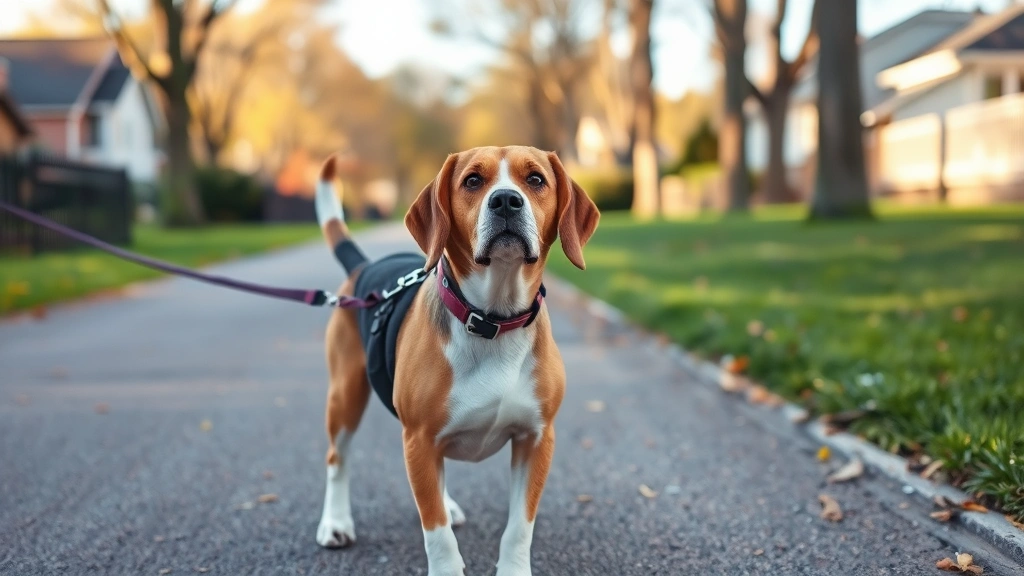
If you suspect stress is a factor, focus on maintaining consistency, providing comfort, and ensuring adequate exercise. Anxiety wraps, calming supplements, or even professional training can help anxious dogs. A calm dog is generally a healthy dog.
Frequently Asked Questions
How long can a dog safely go without a bowel movement?
Most healthy dogs should have a bowel movement at least once daily, though twice daily is common. If your dog hasn’t gone in 48 hours, monitor closely. Beyond 72 hours without a bowel movement warrants a vet call. Anything beyond that is a potential emergency.
Is pumpkin really effective for dog constipation?
Yes, pumpkin is genuinely effective for many dogs. It’s high in fiber and moisture, making it ideal for treating mild to moderate constipation. Most dogs see improvement within 12-24 hours. Just remember to use plain canned pumpkin, not the pie filling.
Can I give my dog a human laxative?
Some human laxatives are safe for dogs (like Miralax), but others are absolutely not. Never give your dog any medication without explicit vet approval. What’s safe for humans might be toxic for dogs, so always check first.
Does diet change cause constipation in dogs?
Yes, sudden dietary changes are a common cause of constipation. Always transition to new food gradually over 7-10 days, mixing increasing amounts of the new food with the old. This gives your dog’s digestive system time to adjust.
What if my dog has chronic constipation?
Chronic constipation needs professional evaluation. It could indicate underlying issues like human foods for pets with pancreatitis or other digestive disorders. Your vet might recommend prescription diet, regular medication, or additional testing to identify the root cause.
Conclusion: Getting Your Dog Back on Track
Knowing how do you help a constipated dog empowers you to address one of the most common digestive issues pet parents face. Start with the basics: hydration, fiber, and exercise. These three pillars solve most constipation cases without any medication or vet intervention.
Remember that every dog is unique, so what works for your neighbor’s golden retriever might not work for yours. Be patient, observe what helps, and don’t hesitate to involve your vet if things don’t improve within a few days. A constipated dog is an uncomfortable dog, and your goal is to get them back to their happy, healthy self as quickly as possible.
With these proven tips and a little patience, your pup will be back to their regular bathroom routine in no time. And hey, at least you’ll have some great stories to share with your vet about your newfound expertise in canine digestive health!





