
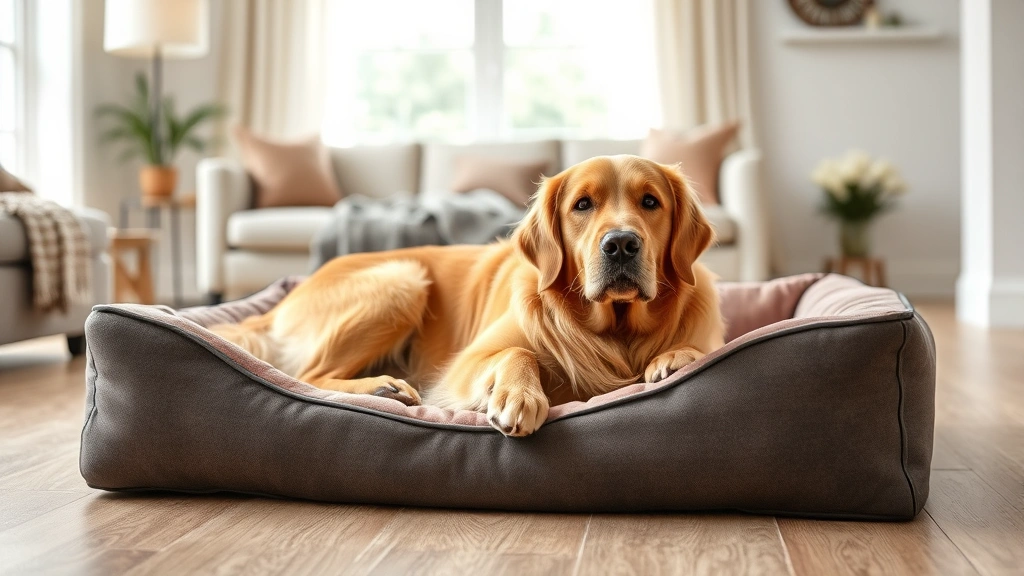
So, how do you keep dog off couch? This is the million-dollar question for dog owners everywhere who’ve watched their furry friend transform the living room sofa into their personal throne. Whether your pup is a 10-pound Chihuahua or a 100-pound Great Dane, the couch seems to have some magical gravitational pull that defies all logic and training.
Table of Contents
- Understanding Why Dogs Love the Couch So Much
- Method 1: Create an Irresistible Alternative Spot
- Method 2: Use Physical Barriers and Environmental Management
- Method 3: Redirect with Positive Reinforcement Training
- Method 4: Establish Clear Rules and Consistency
- Method 5: Address Underlying Anxiety or Boredom
- The Role of Positive Reinforcement Over Punishment
- Combining Methods for Maximum Effectiveness
- Common Mistakes People Make
- When to Call a Professional
- Frequently Asked Questions
- Final Thoughts: You’ve Got This
The truth is, keeping your dog off the couch isn’t about being mean or denying them comfort—it’s about establishing boundaries and redirecting their natural instincts. Dogs are den animals who love elevated spaces because they feel safe and can survey their territory. Your couch is basically the Mount Everest of comfort in your home, so we need to make other spots equally appealing (or more appealing, if we’re being honest).
In this guide, we’ll walk through five proven methods that actually work, plus some bonus tips that’ll have your couch dog-free in no time. No shock collars, no yelling, and no guilt trips—just practical solutions from someone who gets it.
Understanding Why Dogs Love the Couch So Much
Before we tackle the solutions, let’s understand the enemy. Dogs aren’t jumping on your couch to be jerks (well, most of the time). They’re doing it because:
Comfort and elevation: Your couch is soft, elevated, and gives them a vantage point to watch the world. It’s literally the best real estate in your home.
Your scent: Dogs are obsessed with their humans. Your couch smells like you, which makes it the most comforting place on Earth to them.
Anxiety relief: An elevated spot helps anxious dogs feel more secure and in control of their environment.
Temperature regulation: Couches are often in the coolest or warmest spots in your home, depending on the season.
Understanding these motivations is crucial because it means we need to address the root cause, not just punish the behavior. A dog kept off the couch through fear will just wait until you leave the room.
Method 1: Create an Irresistible Alternative Spot
This is the golden rule of dog training: make the behavior you want more rewarding than the behavior you don’t want. If you want your dog off the couch, you need to give them somewhere better to be.
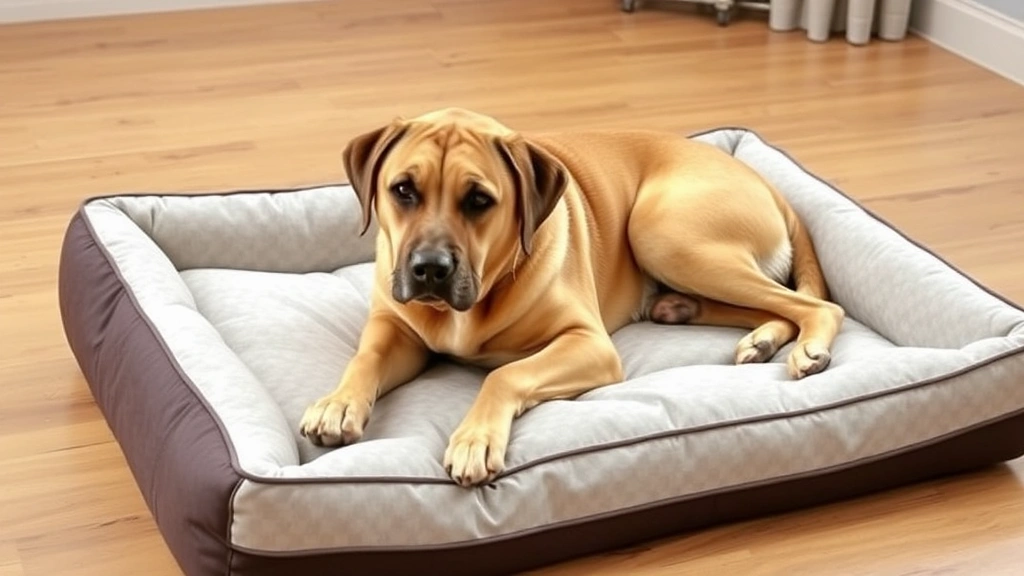
Invest in a quality dog bed that’s:

- Elevated: Consider an orthopedic bed with raised sides or a cot-style bed that mimics the couch experience
- Positioned strategically: Place it in the same room where you spend time, ideally with a view of what’s happening
- Comfortable: Memory foam, heated beds, or plush options depending on your dog’s preference
- Scented with your presence: Put an old t-shirt or blanket you’ve worn on the bed
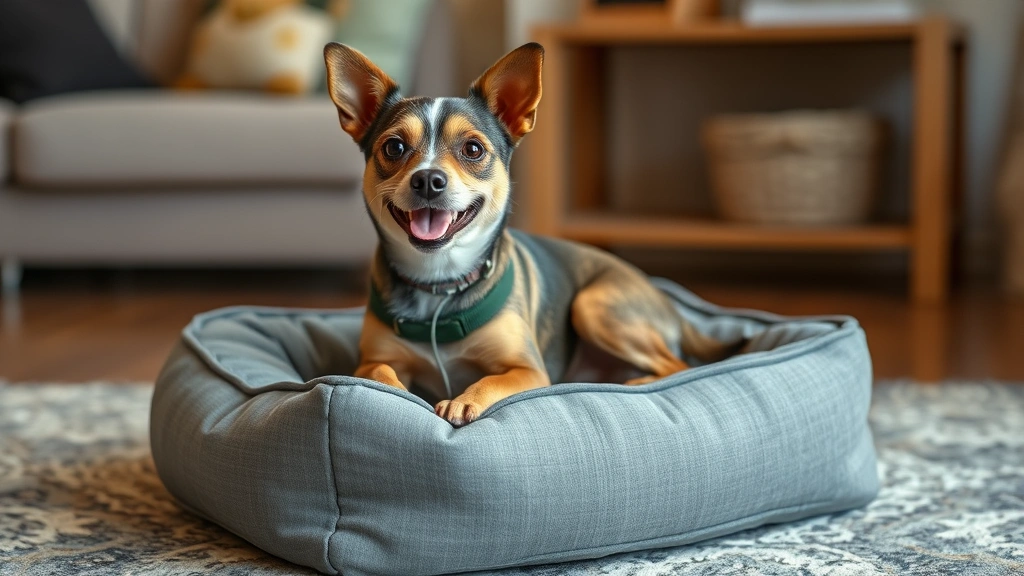
Make this spot so appealing that your dog chooses it over the couch. Start by rewarding heavily when they use it. Toss treats, praise enthusiastically, and create positive associations. Within a few weeks, many dogs will naturally prefer their own bed because they’ve learned it’s the best place to be.
Method 2: Use Physical Barriers and Environmental Management
Sometimes the simplest solution is the most effective. If your dog can’t access the couch, they can’t get on it. This isn’t about punishment—it’s about setting them up for success.
Physical barriers include:
- Baby gates to block off the living room when you’re not supervising
- Furniture covers that are uncomfortable to walk on (aluminum foil works surprisingly well)
- Upside-down carpet runners on the cushions (the bumpy side up)
- Motion-activated air sprays that startle without harming
- Closing doors to keep your pup in dog-friendly zones
The key here is consistency. Every single time your dog tries to get on the couch, the barrier should be in place. You’re not teaching them the couch is forbidden—you’re just making it impossible for the behavior to happen in the first place. Over time, they’ll stop trying.
Method 3: Redirect with Positive Reinforcement Training
This is where actual training comes in, and it’s surprisingly effective when done right. You’re going to teach your dog a specific alternative behavior that’s incompatible with being on the couch.

Here’s the process:
- Catch your dog in the act of thinking about the couch (or actually getting on it)
- Interrupt gently with a command like “Off” or “Bed”
- Lure them to their designated spot with high-value treats (check out our guide on high-value treats from kitchen ingredients)
- Reward heavily when they comply
- Repeat consistently for 2-4 weeks
The magic happens when your dog realizes that getting off the couch (or not getting on it) results in rewards. They’re not avoiding the couch out of fear—they’re choosing their bed because it’s more rewarding. This creates lasting behavior change.
Pro tip: Use healthy snack alternatives for dogs during training sessions to keep your pup’s nutrition on track while you’re working on this behavior.
Method 4: Establish Clear Rules and Consistency
Here’s where most people fail: they’re inconsistent. Your dog gets on the couch on Monday and you ignore it. Tuesday you yell at them. Wednesday you let them up because you’re in a good mood. By Thursday, your dog has no idea what the actual rule is.
Consistency means:
- Everyone in the household enforces the same rule
- The rule applies 100% of the time, not just when you feel like enforcing it
- You respond the same way every single time
- No exceptions—not even for “just this once”
Dogs thrive on predictability. When they know exactly what to expect, they’re more likely to follow the rules. If your family can’t agree on the couch policy, your dog will exploit that inconsistency faster than you can say “Get down!”
Method 5: Address Underlying Anxiety or Boredom
Sometimes dogs get on the couch because they’re anxious, bored, or under-exercised. A tired dog is a well-behaved dog, and an anxious dog will seek comfort wherever they can find it.
Combat this by:
- Increasing exercise: Daily walks, playtime, and mental stimulation
- Enrichment activities: Puzzle toys, sniff games, and interactive play
- Anxiety management: Consider talking to your vet about anxiety-related behaviors
- Crate training: A safe space where your dog can retreat and relax
- Consistent routine: Dogs feel more secure when they know what to expect
If your dog is getting on the couch to escape anxiety, keeping them off without addressing the underlying issue is just treating the symptom. Work with a certified dog trainer or your vet if you suspect anxiety is the culprit.
The Role of Positive Reinforcement Over Punishment
Let’s be crystal clear: yelling at your dog, swatting them, or using punishment-based methods might get them off the couch in the moment, but it doesn’t teach them anything except to fear you. They’ll just wait until you leave the room and get right back up there.
Positive reinforcement—rewarding the behavior you want—creates lasting change because your dog actually wants to follow the rule. They’re not doing it because they’re scared; they’re doing it because it benefits them.
Research from the American Kennel Club consistently shows that positive reinforcement training is more effective and creates a stronger bond between dog and owner. Plus, your dog won’t develop anxiety or behavioral issues from punishment.
Combining Methods for Maximum Effectiveness
The best results come from combining multiple methods. Here’s what a comprehensive approach looks like:
Start with environmental management (barriers and removing temptation) while simultaneously creating an irresistible alternative spot. Layer in positive reinforcement training where you actively reward the behavior you want. Maintain consistency across your household, and address any underlying anxiety or exercise needs.
Most dogs respond within 2-4 weeks when you use this multi-pronged approach. Some take longer, especially if they’ve had years to develop the couch habit. Patience is key.

For more detailed training advice and nutrition tips to support your training efforts, check out our pet nutrition advice section.
Common Mistakes People Make
Before we wrap up, let’s talk about what doesn’t work:
Punishing after the fact: If you come home and your dog has been on the couch all day, punishing them now does nothing. They won’t connect the punishment to the behavior from hours ago.
Giving mixed messages: Letting your dog on the couch “just this once” or “because they look sad” completely undermines your training.
Ignoring exercise needs: A bored or under-exercised dog will find ways to entertain themselves, and the couch is prime real estate for that.
Not supervising: You can’t train a behavior you don’t catch. Supervision is essential during the learning phase.
Giving up too soon: Training takes time. If you quit after two weeks, you’ve just taught your dog that persistence pays off.
When to Call a Professional
If you’ve tried these methods consistently for 4-6 weeks and your dog is still treating the couch like their personal property, it might be time to call a certified professional dog trainer or veterinary behaviorist. Some dogs have deeper issues—like separation anxiety or obsessive-compulsive behaviors—that require professional intervention.
There’s no shame in getting help. A good trainer can assess your specific situation and create a customized plan that works for your dog’s unique personality and needs.
Frequently Asked Questions
How long does it take to keep a dog off the couch?
With consistent training and environmental management, most dogs show significant improvement within 2-4 weeks. Some dogs might take 6-8 weeks, especially if they’ve had the couch habit for years. The key is consistency—every single person in your household needs to enforce the same rule.
Is it cruel to keep dogs off the couch?
Not at all. Dogs don’t need to be on the couch to be happy. With a comfortable alternative bed (especially an elevated one) and proper exercise, your dog will be perfectly content. The couch isn’t a necessity; it’s just a preference.
Will my dog ever be allowed on the couch?
That’s entirely up to you. Some families decide to allow couch time on their terms—like when invited up or during specific times. If you go this route, make sure it’s a conscious choice and that your dog understands the rules. Others prefer a couch-free zone permanently. Either way works as long as you’re consistent.
What if my dog gets on the couch when I’m not home?
This is where environmental management becomes crucial. Use baby gates, keep the couch inaccessible, or confine your dog to a dog-friendly area when you’re not supervising. You can’t train behavior you don’t catch, so prevention is your best tool.
Can I use a shock collar or spray bottle?
While these might work in the short term, they don’t address the underlying motivation and can create anxiety or fear. Positive reinforcement methods are proven more effective and won’t damage your relationship with your dog. We recommend sticking with the methods outlined above.
What if my dog has separation anxiety?
Dogs with separation anxiety often seek the couch because it smells like you and provides comfort. Address the anxiety through crate training, gradual desensitization, and possibly medication recommended by your vet. Once the anxiety is managed, the couch behavior often resolves on its own.

Final Thoughts: You’ve Got This
Keeping your dog off the couch is absolutely doable. It requires patience, consistency, and understanding why your dog is drawn to the couch in the first place. By creating an irresistible alternative, managing the environment, using positive reinforcement, and maintaining consistency, you’ll see results.
Remember, this isn’t about being mean to your dog. It’s about establishing healthy boundaries that work for your household while keeping your pup happy and secure. With these five proven methods, you’re set up for success. Your couch will be dog-free, and your dog will be just as content on their own bed—probably more so, once they realize that’s where all the rewards are.
Now get out there and reclaim your furniture. You’ve got this, and your dog will adjust just fine. Visit our blog for more training tips and dog care advice.





