

Many pet owners are constantly searching for natural ways to enhance their dog’s health and well-being. While commercial dog foods provide basic nutrition, adding certain fresh herbs and greens can offer surprising health benefits. Cilantro, also known as fresh coriander, is one such herb that has gained attention among health-conscious dog owners for its remarkable nutritional properties.
This vibrant green herb, commonly used in human cuisine worldwide, contains powerful compounds that can support your dog’s digestive health, boost their immune system, and even help with detoxification. Understanding how to safely incorporate cilantro into your dog’s diet can open up new possibilities for natural health support that many pet owners never considered.
Nutritional Profile of Cilantro for Dogs
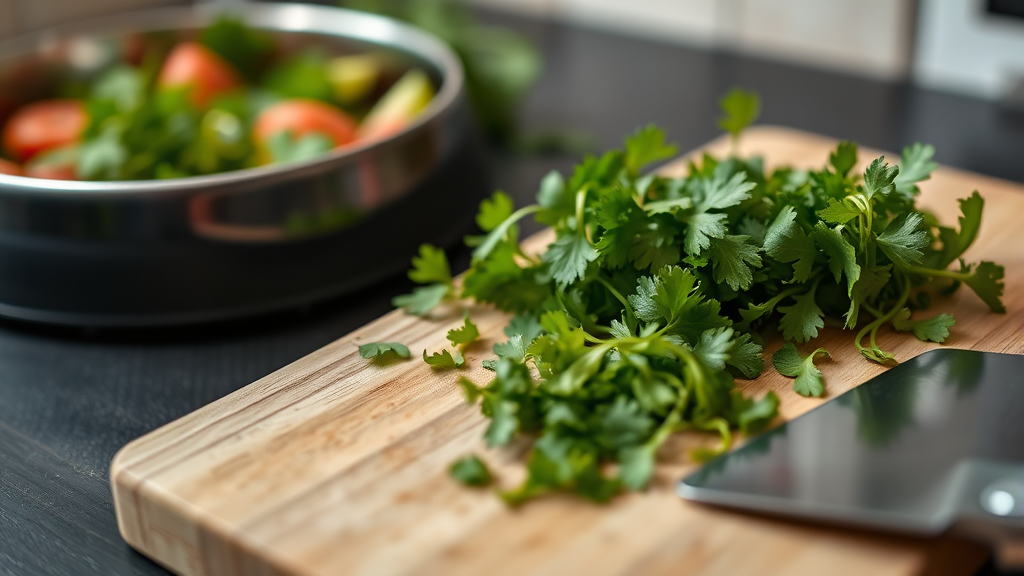
Cilantro is packed with essential vitamins and minerals that can benefit your dog’s overall health. This leafy herb contains significant amounts of vitamin A, which supports eye health and immune function, and vitamin C, a powerful antioxidant that helps fight free radicals and supports collagen production. Additionally, cilantro provides vitamin K for proper blood clotting and bone health.
The mineral content of cilantro is equally impressive for canine health. It contains potassium for heart function and muscle contractions, calcium for strong bones and teeth, and iron for healthy blood circulation. The herb also provides small amounts of magnesium, which supports nerve function and energy metabolism.
According to the USDA Food Composition Database, cilantro is low in calories but high in beneficial plant compounds. These include flavonoids and phenolic acids that contribute to its antioxidant properties, making it a nutrient-dense addition to your dog’s diet when used appropriately.
Digestive Health Benefits
One of the most significant advantages of adding cilantro to your dog’s diet is its positive impact on digestive health. The herb contains natural enzymes that can help break down food more efficiently, potentially reducing digestive upset and improving nutrient absorption. This is particularly beneficial for dogs with sensitive stomachs or those prone to digestive issues.
Cilantro also acts as a natural digestive stimulant, encouraging the production of digestive juices and bile, which aids in fat digestion. The herb’s carminative properties help reduce gas formation and bloating, making meals more comfortable for your pet. Unlike some other herbs that might cause digestive irritation, such as those discussed in our guide about black pepper for dogs, cilantro is generally gentle on the canine digestive system.
Research published by veterinary nutritionists suggests that herbs like cilantro can support healthy gut bacteria, contributing to overall digestive wellness. The prebiotic compounds in cilantro help feed beneficial bacteria in the gut, promoting a balanced microbiome that’s essential for optimal digestion and immune function.
Natural Detoxification Properties
Cilantro possesses remarkable natural detoxification properties that can benefit your dog’s health in multiple ways. The herb contains compounds that bind to heavy metals in the body, helping to facilitate their elimination through natural processes. This chelation property is particularly valuable in today’s environment where pets may be exposed to various toxins through food, water, or environmental pollutants.
The liver, your dog’s primary detoxification organ, can benefit significantly from cilantro’s supportive compounds. The herb contains antioxidants that help protect liver cells from oxidative stress and support the organ’s natural detoxification pathways. According to the American Veterinary Medical Association, supporting liver health through natural means is an important aspect of preventive pet care.
Additionally, cilantro’s diuretic properties can help support kidney function by encouraging healthy urine production, which aids in the elimination of waste products from the body. This gentle detoxification support can be particularly beneficial for senior dogs or those recovering from illness, though it should always be used under veterinary guidance in such cases.
Immune System Support
The immune-boosting properties of cilantro make it a valuable addition to your dog’s wellness routine. The herb’s high vitamin C content acts as a powerful antioxidant, helping to neutralize harmful free radicals that can damage cells and compromise immune function. This antioxidant activity is crucial for maintaining your dog’s natural defense mechanisms against illness and disease.
Cilantro also contains antimicrobial compounds that can help fight harmful bacteria and fungi, supporting your dog’s natural ability to resist infections. These compounds work synergistically with your pet’s immune system rather than replacing it, providing gentle but effective support for overall health maintenance.
The anti-inflammatory properties of cilantro can help reduce chronic inflammation in the body, which is often linked to various health issues in dogs. By supporting a healthy inflammatory response, cilantro may contribute to better joint health, improved skin condition, and enhanced overall vitality. This is particularly relevant when comparing cilantro to other herbs like those covered in our article about ginger for dogs, which also offers anti-inflammatory benefits.

Safe Ways to Serve Cilantro to Dogs
When introducing cilantro to your dog’s diet, proper preparation and serving methods are crucial for safety and palatability. Fresh cilantro should always be thoroughly washed to remove any pesticide residues or contaminants before serving. Organic cilantro is preferable when available, as it reduces the risk of chemical exposure.
The safest way to serve cilantro is to finely chop fresh leaves and mix small amounts into your dog’s regular food. Start with just a pinch for small dogs or a teaspoon for larger dogs, gradually increasing the amount based on your pet’s tolerance and response. Unlike some herbs that require careful consideration like those mentioned in our guide about rosemary for dogs, cilantro is generally well-tolerated in moderate amounts.
You can also create a cilantro-infused water by steeping fresh leaves in warm water and allowing it to cool before offering it to your dog. This method provides a gentler introduction to the herb’s benefits. Some pet owners successfully freeze cilantro in ice cube trays with water for a refreshing treat during hot weather, though this should be done in moderation.
According to the FDA’s guidelines on pet nutrition, any additions to your dog’s diet should comprise no more than 10% of their total daily caloric intake. This principle applies to cilantro and other herbs, ensuring that your dog’s primary nutritional needs are met through their regular balanced diet.
Important Precautions and Considerations
While cilantro offers numerous benefits for dogs, certain precautions must be observed to ensure safe consumption. Dogs with known allergies to plants in the Apiaceae family (which includes carrots, celery, and parsley) may also react to cilantro. Always introduce new foods gradually and monitor your pet for any signs of allergic reactions, such as itching, digestive upset, or changes in behavior.
Pregnant or nursing dogs should only receive cilantro under veterinary supervision, as the herb’s compounds may affect hormonal balance during these critical periods. Similarly, dogs taking medications for blood clotting disorders should avoid cilantro due to its vitamin K content, which can interfere with anticoagulant medications.
The quality and source of cilantro matter significantly for your dog’s safety. Avoid cilantro that has been treated with pesticides or grown in contaminated soil, as these can pose health risks. Unlike some controversial ingredients discussed in our article about onions for dogs, cilantro is generally safe, but quality control remains important.
Excessive consumption of cilantro can potentially cause digestive upset, including diarrhea or stomach irritation. The key is moderation – small, regular amounts are more beneficial than large, infrequent servings. If your dog shows any adverse reactions after consuming cilantro, discontinue use immediately and consult your veterinarian.
Cilantro vs. Other Dog-Safe Herbs
When comparing cilantro to other dog-safe herbs, each offers unique benefits and considerations. Unlike the strong aromatic properties of herbs covered in our guide about whether dogs can have rosemary, cilantro has a milder flavor that many dogs find more palatable. This makes it an excellent starting point for pet owners new to incorporating herbs into their dog’s diet.
Compared to mint family herbs discussed in our article about peppermint for dogs, cilantro provides different therapeutic benefits. While peppermint primarily supports digestive comfort and breath freshening, cilantro offers broader detoxification and immune support properties. The choice between herbs often depends on your dog’s specific health needs and preferences.
Cilantro’s safety profile is generally more favorable than some other culinary herbs. According to the ASPCA’s toxic plant database, cilantro is not listed among plants that are toxic to dogs, unlike many common herbs that require more careful consideration.
The versatility of cilantro also sets it apart from other herbs. While some herbs like those discussed in our safety guide about rosemary safety for dogs require specific preparation methods, cilantro can be served fresh, dried, or even frozen, providing flexibility in how you incorporate it into your pet’s routine.
Frequently Asked Questions
Can dogs have cilantro every day?
Dogs can have small amounts of cilantro daily, but moderation is key. A pinch for small dogs or up to a teaspoon for larger dogs mixed into their regular food is generally safe. Daily consumption should be limited to ensure it doesn’t exceed 10% of their total caloric intake and doesn’t cause digestive upset.
Is dried cilantro as beneficial as fresh cilantro for dogs?
Fresh cilantro retains more of its beneficial compounds and nutrients compared to dried versions. However, dried cilantro can still provide some benefits and may be more convenient for storage. If using dried cilantro, use smaller amounts as the flavors are more concentrated, and ensure it’s free from additives or preservatives.
Can puppies eat cilantro?
Puppies can have very small amounts of cilantro after they’re weaned and eating solid food, typically around 8-10 weeks old. However, their digestive systems are still developing, so introduce any new foods gradually and in tiny quantities. Always consult with your veterinarian before adding herbs to a puppy’s diet.
What should I do if my dog eats too much cilantro?
If your dog consumes excessive amounts of cilantro, monitor them for signs of digestive upset such as diarrhea, vomiting, or loss of appetite. Provide fresh water and withhold food for a few hours if stomach upset occurs. Contact your veterinarian if symptoms persist or worsen, especially if your dog shows signs of severe discomfort.
Can dogs with kidney problems have cilantro?
Dogs with kidney problems should only consume cilantro under veterinary supervision. While cilantro’s diuretic properties might seem beneficial, dogs with compromised kidney function require carefully managed diets. The herb’s potassium content could also affect dogs on specific kidney diets, making professional guidance essential.
How can I tell if my dog likes cilantro?
Dogs typically show their preference through their eating behavior. If your dog eagerly eats food with cilantro mixed in and shows no signs of digestive upset, they likely enjoy it. Some dogs may initially be hesitant due to the herb’s distinct aroma, so start with very small amounts and gradually increase based on their acceptance.
Are there any dog breeds that shouldn’t eat cilantro?
There are no specific breed restrictions for cilantro consumption in healthy dogs. However, breeds prone to certain health conditions may need special consideration. For example, breeds susceptible to blood clotting disorders should be monitored more carefully due to cilantro’s vitamin K content. Always consult with your veterinarian about your specific dog’s dietary needs based on their breed, age, and health status.





