
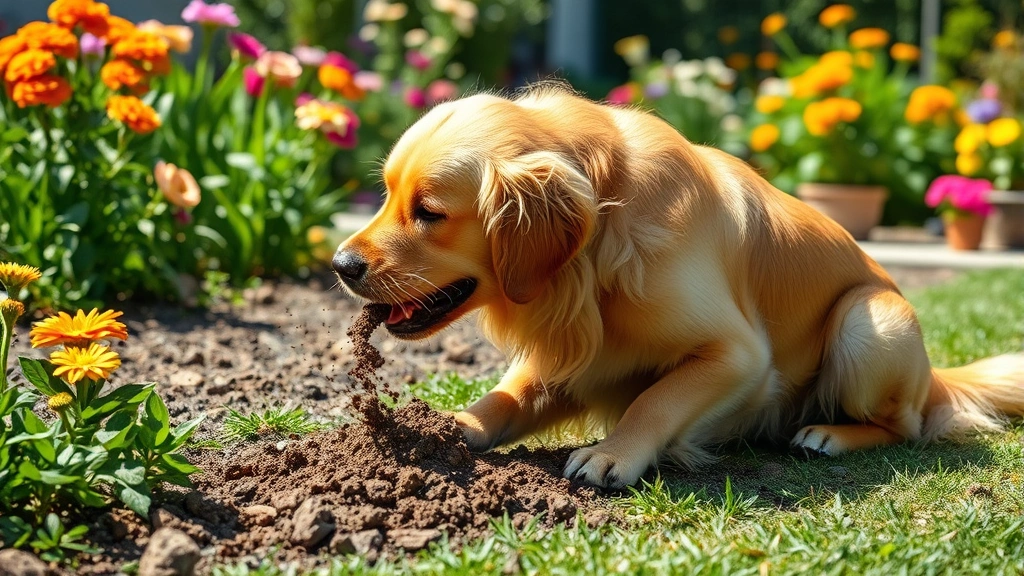
So your furry best friend has decided that your carefully curated flower beds are basically an all-you-can-dig buffet, and honestly? We get it. Dogs are curious creatures with an inexplicable attraction to freshly turned soil, and how do you keep dogs out of flower beds is probably the question keeping you up at night while you mentally calculate the cost of replacing yet another trampled petunia patch.
Table of Contents
- Why Dogs Love Flower Beds (And Why It Drives Us Nuts)
- Solution #1: Physical Barriers That Actually Work
- Solution #2: Scent Deterrents (The Stinky Solution)
- Solution #3: Motion-Activated Deterrents (The High-Tech Approach)
- Solution #4: Texture and Taste Deterrents
- Solution #5: Provide Appropriate Alternatives (The Behavioral Fix)
- Combining Solutions for Maximum Effectiveness
- Plant Selection Matters Too
- Training and Behavioral Modification
- Seasonal Considerations
- When to Call a Professional
- Frequently Asked Questions
- Conclusion: Your Flower Beds Don’t Have to Be a War Zone
The good news: this is a completely solvable problem. Whether your pup is a serial digger, a compulsive trampler, or just genuinely confused about garden etiquette, we’ve got solutions that actually work—and won’t require you to build a medieval fortress around your petunias.
Why Dogs Love Flower Beds (And Why It Drives Us Nuts)
Before we talk solutions, let’s understand the enemy. Dogs don’t destroy flower beds out of spite—they’re actually following legitimate dog logic. Flower beds are the canine equivalent of a five-star resort: soft soil for digging, interesting smells, cool spots to lay down, and sometimes even edible plants (which is its own problem entirely).
Some dogs dig because they’re bored. Others do it to cool off on hot days. And some? They’re just convinced your roses are hiding treasure. The motivation matters because the solution depends on understanding what’s driving your dog’s flower bed obsession.
Solution #1: Physical Barriers That Actually Work
Let’s start with the most straightforward approach to keeping dogs out of flower beds: make it physically impossible for them to access the area. This isn’t about building a prison yard for your pup—it’s about smart garden design.
Fencing options: Low decorative fencing (18-24 inches) works surprisingly well for deterring dogs from entering flower beds, especially if your dog respects boundaries. For more determined diggers, consider fencing that extends 6 inches underground to prevent tunneling. Yes, really. Some dogs will dig under barriers like they’re planning an escape from Alcatraz.
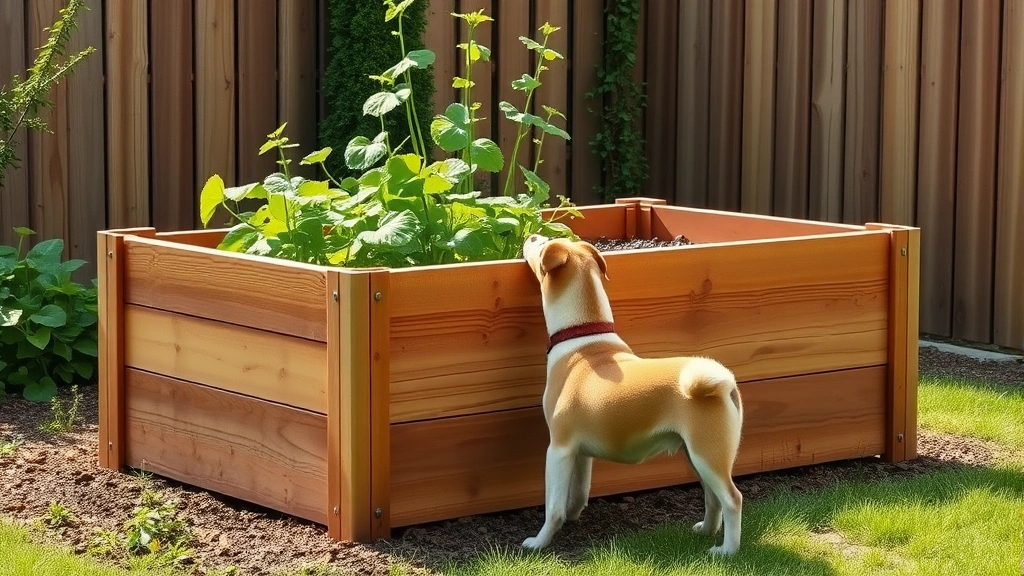
Raised garden beds are your secret weapon here. They’re elevated enough that most dogs lose interest, plus you get better drainage and easier weeding. It’s a win-win that makes you look like a sophisticated gardener instead of someone desperately trying to outsmart their dog.
Solution #2: Scent Deterrents (The Stinky Solution)
Dogs navigate the world through their noses, so strategically unpleasant smells can be remarkably effective at keeping dogs out of flower beds. The key is finding scents your dog absolutely despises while your flowers remain blissfully unaware.
Natural deterrents that work: Citrus peels scattered around plants (dogs hate citrus), cayenne pepper sprinkled on soil (irritates their paws and nose), and ammonia-soaked rags placed around the perimeter. Coffee grounds work too—bonus points because they also improve soil quality.
Commercial pet-safe deterrent sprays exist, and many contain capsaicin or other naturally derived compounds. Spray these around your flower beds weekly, especially after rain. The smell fades faster than your dog’s memory of why they dislike the area, so consistency matters.
Solution #3: Motion-Activated Deterrents (The High-Tech Approach)
Welcome to 2024, where you can fight dog behavior with technology. Motion-activated sprinklers are genuinely effective and have the added benefit of actually watering your flowers while they’re teaching your dog a lesson about respecting personal boundaries.
These devices detect movement and release a burst of water—startling enough to deter dogs without causing harm. They work especially well for dogs that sneak into flower beds when you’re not looking. The unpredictability makes the area feel unsafe for garden adventures, which is exactly what you want.
Motion-activated lights work similarly, creating an environment that feels less inviting to a dog looking for a cozy digging spot. Combined with other deterrents, these devices create a comprehensive defense system that actually works.
Solution #4: Texture and Taste Deterrents
Some dogs are motivated by the tactile sensation of digging—the feel of soil under their paws is basically canine meditation. Interrupt that sensation, and you interrupt the behavior.
Texture modifications: Cover soil with river rocks or larger stones that make digging uncomfortable. Dogs generally avoid areas where their paws encounter uncomfortable textures. You can also use chicken wire laid flat over soil—it’s not visible once plants grow, but it’s incredibly annoying to dig through.
Taste deterrents work on a different principle. Bitter apple spray, capsaicin-based products, and other naturally derived compounds taste awful to dogs. Apply these to the soil surface and around plants. Most dogs will try once, taste something horrible, and decide the flower bed is no longer worth their time.
Important note: Make sure any deterrent you use is pet-safe and won’t harm your dog or other animals in the neighborhood. Always check product labels and consult your vet if you’re uncertain.
Solution #5: Provide Appropriate Alternatives (The Behavioral Fix)
Here’s where we address the root cause instead of just treating symptoms. Dogs dig and explore because they’re bored, anxious, or following natural instincts. Give them a better outlet, and they’ll often abandon your flower beds entirely.
Create a designated dig zone: Sounds funny, but it works. Designate a specific area of your yard as a digging zone and actively encourage your dog to dig there. Use positive reinforcement—treats, praise, play—when your dog digs in the right spot. After a few weeks, many dogs naturally migrate their digging activities to the approved area.
Increase exercise and mental stimulation. Bored dogs find entertainment in destructive behaviors. A tired dog is a well-behaved dog, as the saying goes. Regular walks, playtime, training sessions, and puzzle toys can dramatically reduce the appeal of flower bed destruction.
Consider using a coach dog collar or other training tools to help redirect behavior during supervised outdoor time. Consistency in training makes a huge difference in addressing why your dog is attracted to flower beds in the first place.
Combining Solutions for Maximum Effectiveness
The best approach usually involves combining multiple strategies. Physical barriers prevent access, scent deterrents make the area unappealing, and providing alternatives address the underlying motivation. Think of it as a three-pronged attack on the flower bed invasion problem.
Start with the easiest solution for your situation. If you have a small yard, raised beds and fencing might be most practical. For renters or those wanting less permanent solutions, deterrent sprays and motion-activated devices work well. If your dog is primarily motivated by boredom, focus on exercise and designated dig zones.
Track what works and what doesn’t. Every dog is different—what stops your neighbor’s golden retriever might be completely ineffective for your determined dachshund. Patience and observation are your friends here.
Plant Selection Matters Too
While you’re working on keeping dogs out of flower beds, consider which plants you’re actually growing. Some common garden plants are toxic to dogs, including lilies, sago palms, and certain varieties of tulips. If your dog does access your flower beds, you want to minimize the danger.
Check resources like the American Kennel Club’s toxic plant database before planting. Choose dog-safe alternatives whenever possible. This doesn’t mean your garden has to be boring—there are plenty of beautiful, dog-safe plants available.
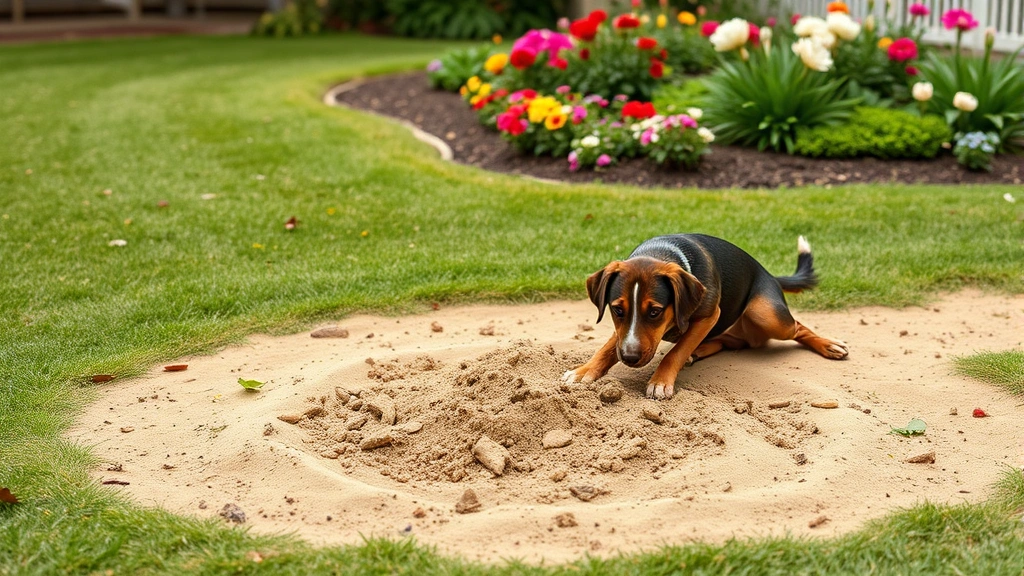
Additionally, consider the appeal factor. Dogs are attracted to certain plants more than others. Soft, sandy soil areas are more tempting to dig in than compacted soil with dense plant coverage. Understanding plant behavior and soil composition helps you design a garden that’s naturally less attractive to dogs.
Training and Behavioral Modification
The most sustainable solution is teaching your dog that flower beds are off-limits through consistent training. This requires patience but creates lasting results that don’t depend on physical barriers or recurring deterrent applications.
Training steps: Start by supervising outdoor time and redirecting your dog whenever they approach flower beds. Use a firm but kind “no” and immediately redirect to an appropriate activity. Reward good behavior heavily—treats, praise, play, whatever motivates your specific dog.
Consistency is absolutely critical. Everyone in your household needs to enforce the same rules. If you’re saying no to flower beds while your kids are sneaking your dog treats near the petunias, your dog will be confused and training will fail.
For dogs with serious digging or destructive behavior issues, consulting a certified professional dog trainer or veterinary behaviorist might be worth the investment. They can identify specific triggers and create a customized training plan for your situation.
Seasonal Considerations
Dog behavior around flower beds often changes seasonally. Spring and summer are peak digging seasons when soil is soft and the urge to cool off is strongest. Fall and winter present different challenges—some dogs are less interested in flower beds during cold months, while others dig more frantically as they prepare for temperature changes.
Adjust your approach seasonally. You might need more aggressive deterrents during spring and summer, while winter allows you to relax a bit. Understanding these patterns helps you stay ahead of the problem rather than constantly reacting to it.
Also consider that pet food safety extends to plants and garden products. Fertilizers, pesticides, and other garden chemicals can be toxic to dogs. Make sure any products you use are pet-safe, especially if your dog does manage to access treated areas.
When to Call a Professional
Most flower bed invasion problems can be solved with the strategies outlined above. However, if your dog’s behavior is compulsive, obsessive, or accompanied by other concerning symptoms, consult your veterinarian. Sometimes excessive digging indicates anxiety, skin problems, or other health issues that need professional attention.
A vet can rule out medical causes and recommend behavioral interventions if needed. They might suggest anxiety medication, additional training resources, or other solutions tailored to your dog’s specific situation.
Frequently Asked Questions
Will motion-activated sprinklers hurt my dog?
No, motion-activated sprinklers are designed to startle without causing injury. The burst of water is harmless—just unexpected and unpleasant enough to deter most dogs. Some dogs actually enjoy water and might not be deterred by sprinklers, in which case you’d need to combine this with other strategies.
Are commercial pet deterrent sprays safe?
Most commercial pet-safe deterrent sprays are safe when used as directed. Always check the label, follow application instructions, and consult your vet if your dog has sensitive skin or respiratory issues. Natural doesn’t always mean harmless, so verify ingredients before use.
How long does it take for dogs to learn to avoid flower beds?
This varies significantly based on your dog’s age, temperament, and training history. Some dogs catch on in a few weeks with consistent training and deterrents. Others might take several months. Older dogs and those with established habits often take longer to change their behavior.
Can I use mothballs to deter dogs from flower beds?
No—mothballs are toxic to dogs and should never be used as a deterrent. Stick with pet-safe options like citrus peels, cayenne pepper, or commercial pet-safe sprays. Your dog’s safety is more important than protecting flowers.
What’s the most effective long-term solution?
Combining physical barriers with training and appropriate alternatives tends to be most effective long-term. A raised garden bed that prevents access, combined with a designated dig zone and regular exercise, addresses both the opportunity and the motivation for flower bed destruction.
Will raised garden beds completely prevent dogs from accessing flower beds?
Raised beds significantly deter most dogs, but highly motivated or athletic dogs might still jump into them. Combining raised beds with low fencing, scent deterrents, or other barriers increases effectiveness considerably.
Conclusion: Your Flower Beds Don’t Have to Be a War Zone
Figuring out how do you keep dogs out of flower beds doesn’t require military-grade tactics or sacrificing your entire garden to your dog’s whims. With a combination of physical barriers, deterrents, training, and appropriate alternatives, you can absolutely protect your flowers while keeping your dog happy and healthy.
Start with the solutions that fit your situation best. If you have a small yard, raised beds and fencing might be your best bet. If you’re dealing with a bored dog, focus on exercise and designated dig zones. Most importantly, be consistent—whatever approach you choose, stick with it long enough to see results.
Remember that your dog isn’t trying to ruin your life or destroy your garden out of spite. They’re following natural instincts and seeking entertainment. By addressing both the opportunity and the motivation, you create an environment where your dog can be a happy, well-behaved family member and your flower beds can actually survive until summer.
The combination of these strategies works because they address different aspects of the problem simultaneously. You’re not just stopping the behavior—you’re actually solving the underlying reasons your dog found flower beds appealing in the first place. That’s the difference between a temporary fix and a lasting solution.





