
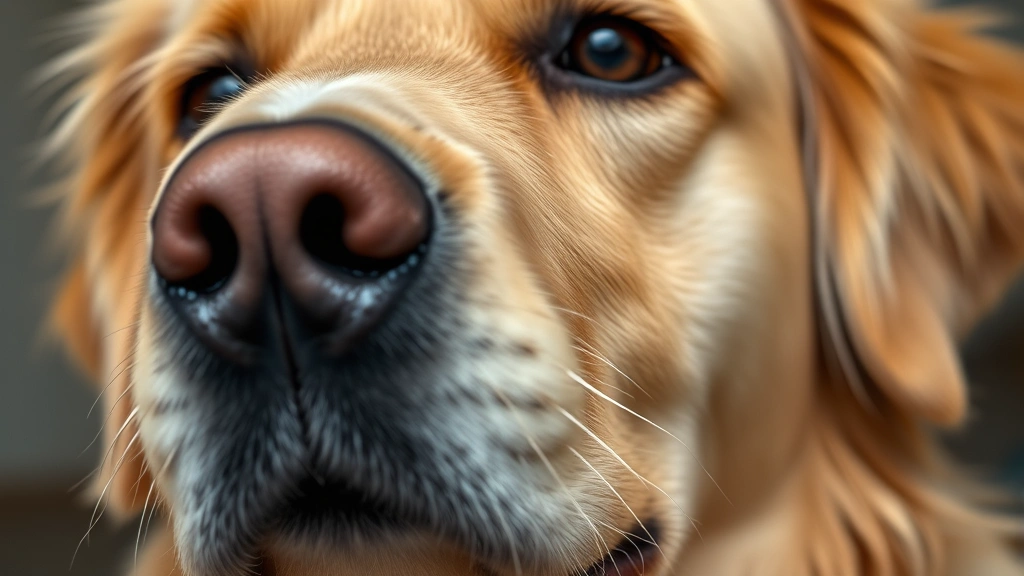
So, how do you know if your dog has a cold? Your pup’s been acting a little off lately—sniffling, sneezing, maybe lounging around more than usual. Before you panic and assume the worst, let’s talk about what a doggy cold actually looks like and what you should do about it.
Table of Contents
- Understanding Canine Upper Respiratory Infections
- Sign #1: Persistent Coughing and Sneezing
- Sign #2: Nasal Discharge and Congestion
- Sign #3: Lethargy and Loss of Appetite
- Sign #4: Watery Eyes and Mild Discharge
- Sign #5: Low-Grade Fever and General Malaise
- How to Differentiate Between a Cold and Allergies
- When to Worry: Signs of Serious Complications
- Home Care and Treatment Strategies
- Prevention: Keeping Your Dog Cold-Free
- When to Contact Your Veterinarian
- Recovery and Getting Back to Normal
- Frequently Asked Questions
Dogs absolutely can catch colds, though technically they’re dealing with upper respiratory infections (URIs) caused by various viruses. The good news? Most canine colds are mild and self-limiting, meaning they’ll resolve on their own with some TLC. The bad news? Distinguishing between a minor cold and something more serious can be tricky, which is why knowing the signs is crucial.
Understanding Canine Upper Respiratory Infections
Before we dive into the nitty-gritty of spotting a cold, let’s clarify what we’re dealing with. When we talk about a dog having a cold, we’re really discussing upper respiratory infections. These infections affect your dog’s nose, throat, and sinuses—basically the upper part of the respiratory tract.
Unlike humans, dogs don’t catch the common cold from the same viruses we do. Instead, they’re susceptible to canine-specific viruses like canine parainfluenza, canine adenovirus, and canine distemper (though vaccinated dogs are protected from distemper). Bacteria can also cause URIs in dogs, making the situation more complicated.
The transmission happens just like in humans—through respiratory droplets, direct contact, or contaminated surfaces. If your dog’s been to the dog park, groomer, or boarding facility recently, there’s a decent chance they picked up a bug.

Sign #1: Persistent Coughing and Sneezing
One of the most obvious indicators that your dog might have a cold is a persistent cough or frequent sneezing. You’ll notice your pup hacking away, especially after excitement or exercise. Some dogs develop what’s called a “kennel cough”—a dry, honking cough that sounds like they’re trying to clear something from their throat.
The sneezing might be occasional or frequent, and you may see nasal discharge ranging from clear to yellowish. If your dog’s been around other dogs recently and suddenly starts coughing, a cold is a reasonable suspect.
However—and this is important—persistent coughing can indicate other issues like allergies, heart problems, or more serious respiratory infections. If the coughing lasts more than a week or sounds severe, it’s time to call your vet. A virtual pet checkup can be a quick way to get professional eyes on the situation without leaving home.
Sign #2: Nasal Discharge and Congestion
Just like humans, dogs with colds often develop nasal discharge. You might notice your dog sniffling more than usual or see mucus around their nostrils. The discharge can be clear, cloudy, or even tinged with green or yellow (which might suggest a bacterial infection).

Congestion is another telltale sign. Your pup might sound stuffy when they breathe or snore more than usual. Some dogs lose their appetite when congested because they can’t smell their food properly—smell is a huge part of how dogs experience taste.
If you notice your dog’s nose is completely blocked or they’re having difficulty breathing, that’s a red flag requiring immediate veterinary attention. Severe congestion can indicate something more serious than a simple cold.
Sign #3: Lethargy and Loss of Appetite
When dogs are fighting off a virus, they often feel tired and run-down, just like we do. You might notice your normally energetic pup wanting to sleep more, showing less interest in play, or generally acting subdued. This lethargy is actually a good sign in some ways—it means your dog’s body is directing energy toward fighting the infection.
Loss of appetite frequently accompanies a cold. The combination of congestion (which affects smell and taste) and general malaise makes food less appealing. However, most dogs will still drink water and eat some food, even if it’s less than usual.
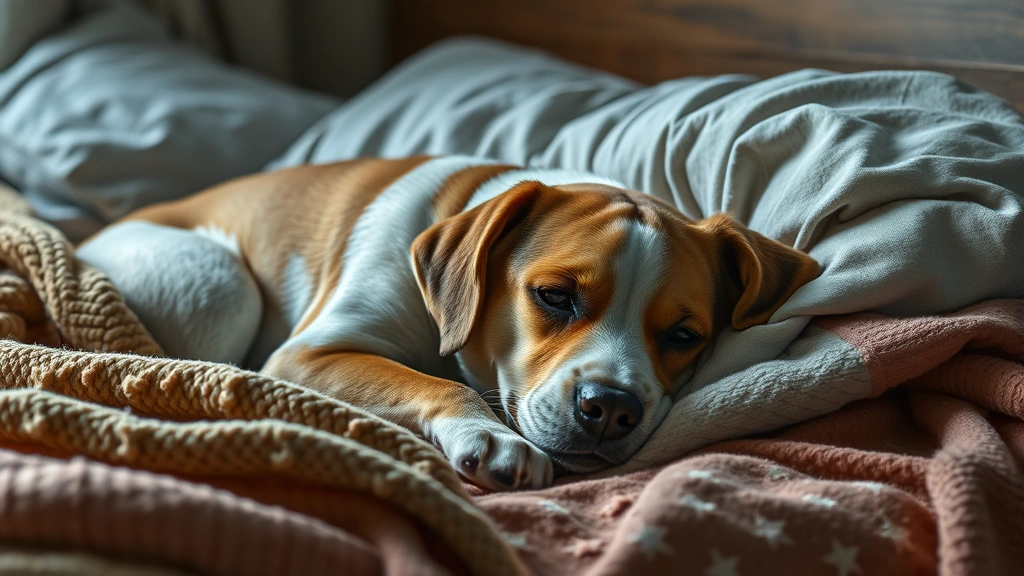
That said, complete loss of appetite lasting more than 24 hours warrants a vet visit. Proper nutrition helps your dog fight off the infection, so if they’re refusing food entirely, you need professional guidance. Consider offering easily digestible foods that might appeal to a sick pup.
Sign #4: Watery Eyes and Mild Discharge
A dog with an upper respiratory infection often develops watery, runny eyes. You might notice excessive tearing or a clear discharge from the eyes. Some dogs develop a slight mucus discharge that crusts around the eyes, particularly in the morning.
This occurs because the infection affects the mucous membranes throughout the respiratory system, including those around the eyes. It’s usually mild and resolves as the infection clears.
However, if you notice thick, colored discharge from the eyes, significant swelling, or signs of pain (squinting, pawing at eyes), contact your vet. These could indicate a secondary bacterial infection or something unrelated to the cold that needs attention.

Sign #5: Low-Grade Fever and General Malaise
While you can’t always tell if your dog has a fever without a thermometer, you might notice they feel warmer than usual or seem generally unwell. Dogs with colds may have a slight fever as their immune system fights the infection.
A normal dog temperature ranges from 101 to 102.5 degrees Fahrenheit (38.3 to 39.2 degrees Celsius). Anything above 103 degrees is considered a fever. If you suspect a fever, grab a dog-safe thermometer and take their temperature rectally—it’s the most accurate method.
A mild fever is actually the body’s way of fighting infection and isn’t necessarily alarming. However, a high fever (over 104 degrees) or a fever lasting more than a few days requires veterinary evaluation. You might also notice your dog seems generally uncomfortable or out of sorts.
How to Differentiate Between a Cold and Allergies
Here’s where things get tricky. Dogs with seasonal or environmental allergies can show symptoms that look remarkably similar to a cold: sneezing, nasal discharge, watery eyes, and congestion. So how do you tell them apart?

Timing is your first clue. Colds usually come on suddenly and last a week or two. Allergies tend to be seasonal or ongoing. A dog with allergies might sneeze more during certain times of year or after exposure to specific triggers.
Additionally, allergies typically don’t cause fever or lethargy, while colds often do. Allergy discharge is usually clear and watery, while cold-related discharge might become thicker or discolored as the infection progresses.
If you’re unsure, your vet can help determine whether you’re dealing with a cold or allergies. Understanding the difference is important because the treatment approaches differ significantly.
When to Worry: Signs of Serious Complications
Most dog colds are minor inconveniences that resolve within 7-10 days. However, some situations demand immediate veterinary attention. If your dog shows any of these signs, don’t wait:
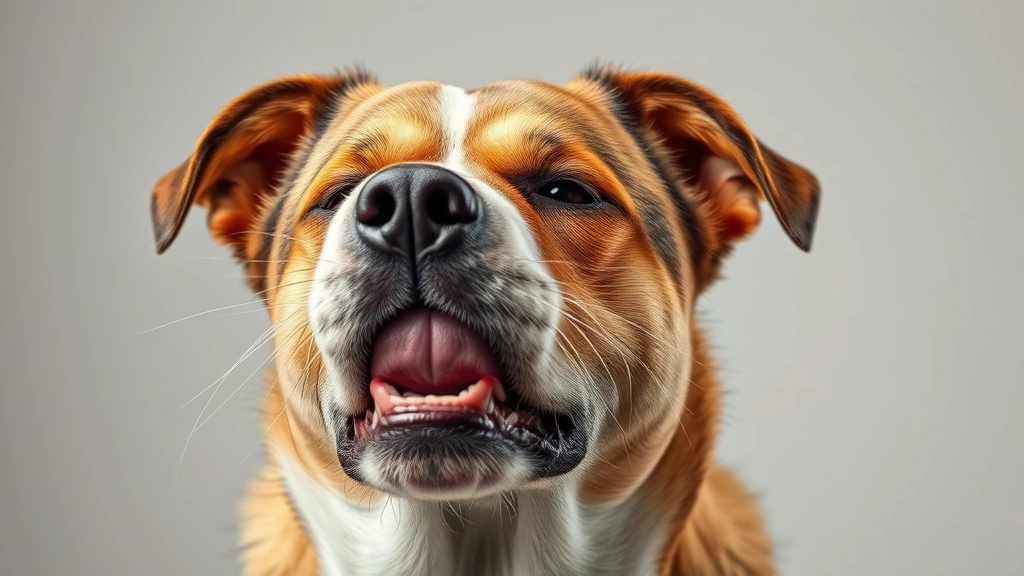
Difficulty breathing or labored breathing is a red flag. Severe lethargy where your dog won’t eat or drink for more than 24 hours requires professional help. A high fever (over 104 degrees) that doesn’t respond to rest and fluids needs evaluation. Coughing up blood or having bloody nasal discharge is serious. If your dog seems to be in pain or has difficulty swallowing, that’s concerning.
Puppies, senior dogs, and dogs with compromised immune systems are at higher risk for complications. If your dog falls into any of these categories and shows cold symptoms, err on the side of caution and contact your vet.
Home Care and Treatment Strategies
If your vet confirms your dog has a simple cold, treatment is mostly supportive. There’s no magic cure—antibiotics won’t help viral infections, though your vet might prescribe them if a secondary bacterial infection develops.
Here’s what you can do at home: Keep your dog hydrated by offering fresh water frequently. Ensure they’re resting adequately—let them sleep as much as they want. Provide warm, easily digestible food to maintain nutrition. Use a humidifier in the room where your dog spends time to help ease congestion. Keep your dog away from other dogs to prevent spreading the infection.

Some people use saline nasal drops to help with congestion, though most dogs aren’t thrilled about this. Chicken broth (low-sodium, no onions or garlic) can be appealing to a sick dog and provides some hydration and nutrition.
Avoid exposing your dog to smoke, strong perfumes, or other irritants that might aggravate their respiratory system. Keep them indoors during recovery, especially if it’s cold or damp outside.
Prevention: Keeping Your Dog Cold-Free
The best approach to dog colds is prevention. Make sure your dog is up-to-date on vaccinations, particularly the bordetella vaccine (kennel cough) if they’re regularly around other dogs. Good hygiene practices matter too—wash your hands before petting other dogs and after handling your own sick pup.
Limit exposure during cold and flu season, especially for puppies and senior dogs. If your dog attends doggy daycare or the dog park, be aware of any illness outbreaks in your area. Provide good nutrition and regular exercise to keep your dog’s immune system strong.
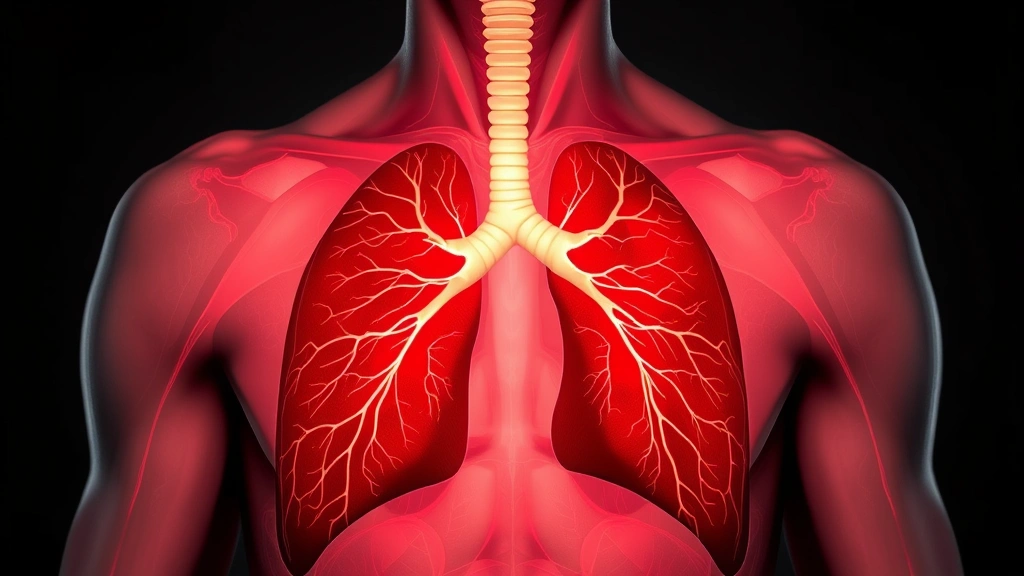
Keep your home clean and well-ventilated. Stress can weaken immune function, so maintain a calm environment and stick to your dog’s regular routine as much as possible.
When to Contact Your Veterinarian
You don’t need to panic at the first sneeze, but certain situations warrant a vet call. Contact your vet if symptoms persist beyond 10 days, if your dog develops a fever, if they stop eating or drinking, or if symptoms seem to worsen rather than improve.
If your dog is having any difficulty breathing, seems to be in pain, or shows signs of lethargy that concern you, don’t hesitate to reach out. Your vet can perform a physical exam and potentially run tests to rule out more serious conditions. For situations where you want quick advice without a full office visit, telehealth options are increasingly available for pet health consultations.
Remember, your vet would rather hear from you and determine nothing serious is wrong than have you miss a developing problem. Trust your instincts—you know your dog best.

Recovery and Getting Back to Normal
Most dogs recover from colds without any lasting effects. As your pup improves, you’ll notice increased appetite, more energy, and fewer respiratory symptoms. The cough might linger a bit longer than other symptoms, sometimes persisting for a week or two after other signs resolve.
Don’t rush your dog back to full activity. Even after they seem better, their immune system is still recovering. Gradually increase exercise over a few days rather than jumping back into your normal routine immediately.
Keep monitoring for any sign of relapse. If symptoms return after improvement, contact your vet. This could indicate a secondary infection or a different issue altogether.
Frequently Asked Questions
Can dogs really catch colds from humans?
Dogs cannot catch the common cold from humans because we have different viruses. However, dogs can catch their own versions of respiratory infections from other dogs. So while your human cold won’t infect Fido, if you’re sick and around other dogs, you could potentially transmit your germs to them (though it’s unlikely to cause the same illness).
How long does a dog cold typically last?
Most uncomplicated dog colds resolve within 7-10 days with proper rest and care. Some symptoms, particularly coughing, might linger for a couple of weeks. If symptoms persist beyond three weeks, follow up with your vet as something else might be going on.
Is kennel cough the same as a cold?
Kennel cough is a specific type of upper respiratory infection, often caused by the bordetella virus or bacteria. While it shares similarities with a cold, it’s typically more severe and highly contagious. If your dog has been around other dogs and develops a harsh, dry cough, kennel cough is a likely culprit.
Should I give my dog over-the-counter cold medicine?
Never give your dog human cold medicine without explicit veterinary approval. Many common cold medications contain ingredients that are toxic to dogs. If your dog needs symptom relief, ask your vet what’s safe. They might recommend dog-specific remedies or simply suggest supportive care.
Can I take my dog to the vet if they have a cold?
Absolutely. In fact, it’s often a good idea, especially if you’re unsure whether it’s a cold or something more serious. Your vet can confirm the diagnosis and rule out complications. Just let the vet’s office know your dog is sick so they can take precautions to avoid spreading it to other animals.
Is it safe to bathe my dog while they have a cold?
It’s best to skip baths while your dog is actively sick. Bathing can stress their system and potentially make symptoms worse. Wait until they’re mostly recovered before resuming normal bathing routines. If your dog gets dirty, a quick spot-clean is fine, but full baths can wait.





