
Learning how do you stop a dog from shedding is one of the most common questions pet owners ask, and honestly, the answer isn’t as simple as flipping a switch—but there ARE legitimate ways to dramatically reduce the fur tumbleweeds taking over your home.
Table of Contents
- Understanding Why Dogs Shed in the First Place
- Solution #1: Nail Down a Consistent Brushing Routine
- Solution #2: Optimize Nutrition with Quality Dog Food
- Solution #3: Establish a Professional Grooming Schedule
- Solution #4: Address Underlying Health Issues and Allergies
- Solution #5: Keep Your Dog Hydrated and Stress-Free
- Bathing Frequency and Technique Matter
- Supplements That Support Coat Health
- Environmental Factors and Seasonal Shedding
- The Reality Check: Some Shedding is Inevitable
- Frequently Asked Questions
- Final Thoughts: Your Fur-Free Future Awaits
Let’s be real: dog hair on your couch, in your coffee, and mysteriously woven into every piece of clothing you own is basically a rite of passage for dog parents. But what if I told you that excessive shedding doesn’t have to be your permanent reality? Whether your pup is a double-coated German Shepherd or a seemingly hairless Chihuahua, we’ve got science-backed solutions that actually work.
Understanding Why Dogs Shed in the First Place
Before we tackle solutions, let’s understand the enemy. Dogs shed for several reasons: seasonal coat changes, stress, poor nutrition, allergies, and sometimes just because that’s what their breed does. Most dogs shed year-round, with heavier shedding during spring and fall when they’re transitioning between seasonal coats. It’s completely natural—think of it as their built-in wardrobe refresh system.
Some breeds are notorious shedders (we’re looking at you, Golden Retrievers and Huskies), while others shed minimally. But here’s the kicker: even low-shedding breeds can shed excessively if they’re not getting proper care. That’s where our proven solutions come in.
Solution #1: Nail Down a Consistent Brushing Routine
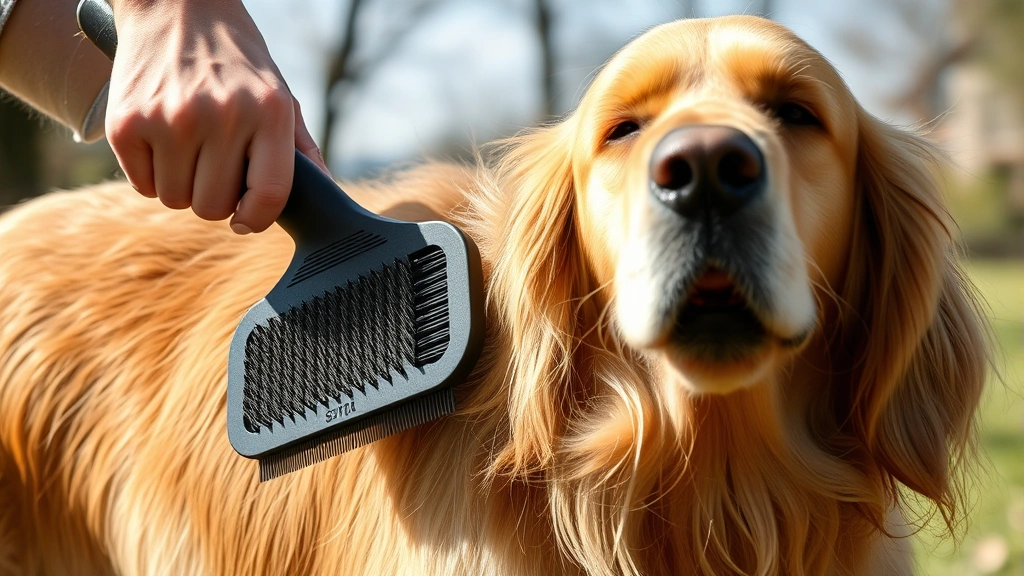
This is the MVP of shedding reduction, and it’s beautifully simple. Regular brushing removes loose fur before it ends up on your furniture. We’re not talking about a quick once-over with a regular brush—you need the right tools for your dog’s coat type.
For double-coated dogs (like German Shepherds, Golden Retrievers, and Huskies), invest in an undercoat rake or de-shedding tool. These bad boys penetrate the outer coat and grab all that loose undercoat that would otherwise end up everywhere. For short-haired dogs, a rubber curry brush or bristle brush works wonders. Long-haired breeds benefit from slicker brushes and metal combs.
The magic number? Brush your dog 3-5 times per week during heavy shedding seasons, and at least 1-2 times weekly during the off-season. You’ll be shocked at how much fur you can remove before it becomes a problem. Pro tip: brush your dog outside or in the bathroom to contain the fur explosion.
Solution #2: Optimize Nutrition with Quality Dog Food
Your dog’s coat health starts from the inside, and pet nutrition advice from veterinarians consistently emphasizes that diet is foundational. A dog eating low-quality food with fillers and artificial ingredients will shed more than one eating nutrient-dense meals.
Look for dog foods with:
- High-quality protein sources (chicken, fish, beef, lamb)
- Omega-3 and Omega-6 fatty acids (from fish oil, flaxseed, chicken fat)
- Essential vitamins and minerals (zinc, biotin, vitamin E)
These nutrients directly support skin and coat health. When your dog’s skin is properly nourished, the coat stays stronger and sheds less. Consider adding fish oil supplements to your dog’s diet—studies show this can reduce shedding by up to 30% in some dogs. Check out energy boosting foods for active pets to ensure your pup is getting complete nutrition.
If you’re switching to a higher-quality food, follow proper pet diet transition advice to avoid digestive upset. A gradual 7-10 day transition works best.
Solution #3: Establish a Professional Grooming Schedule
Professional groomers aren’t just for making your dog look Instagram-worthy (though that’s a nice bonus). They have industrial-grade de-shedding tools and expertise that home brushing simply can’t match. A professional grooming session, especially one that includes a de-shedding treatment, can remove an absolutely staggering amount of loose coat.
For heavy shedders, schedule professional grooming every 4-6 weeks. For moderate shedders, every 8-12 weeks is solid. During peak shedding seasons, you might bump this up. Yes, it costs money, but consider it an investment in keeping your home fur-free and your dog’s skin healthy.

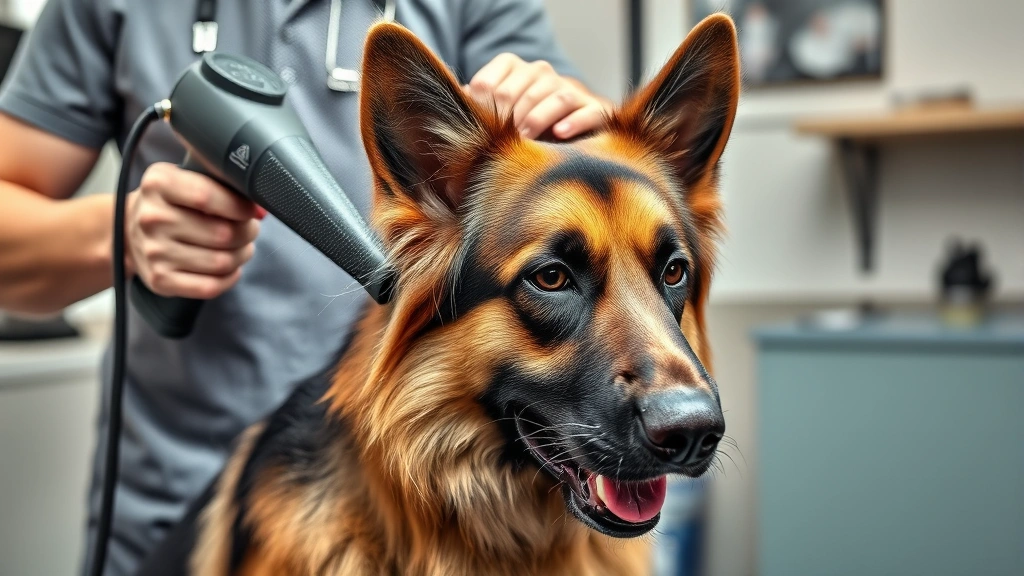
Many groomers offer specialized de-shedding shampoos and conditioners that loosen dead hair and make brushing far more effective. Some even use high-velocity dryers that blast loose fur right out of the coat.
Solution #4: Address Underlying Health Issues and Allergies
Sometimes excessive shedding is a red flag for health problems. Allergies, parasites, skin infections, hormonal imbalances, and stress can all trigger abnormal hair loss. If your dog is suddenly shedding way more than usual, it’s worth a vet visit.
Common culprits include:
- Food allergies (chicken, beef, wheat, corn)
- Environmental allergies (pollen, dust mites, mold)
- Parasites (fleas, lice, mites)
- Skin infections (bacterial or fungal)
- Thyroid disorders
Your vet can run tests to identify the issue. Once diagnosed, treating the underlying condition often dramatically reduces shedding. For example, a dog with undiagnosed food allergies might shed excessively, but switching to a limited-ingredient diet or eliminating allergens can work wonders.
Solution #5: Keep Your Dog Hydrated and Stress-Free
Dehydration and stress both contribute to poor coat health and increased shedding. Make sure your dog has constant access to fresh water—proper hydration supports skin elasticity and coat strength. Aim for about 1 ounce of water per pound of body weight daily.
Stress is a sneaky shedding culprit. Dogs experiencing anxiety, boredom, or major life changes often shed more. Combat this by:
- Providing regular exercise (at least 30 minutes daily, more for high-energy breeds)
- Engaging in mental stimulation (puzzle toys, training, games)
- Maintaining a consistent routine
- Creating a calm, safe space for your dog
A happy, relaxed dog with a healthy routine will naturally shed less than a stressed, bored pup.
Bathing Frequency and Technique Matter
Bathing your dog too frequently can actually strip natural oils from their skin, leading to dryness and increased shedding. The ideal bathing frequency depends on your dog’s coat type and lifestyle, but generally 4-8 weeks is reasonable for most dogs. Dogs that get muddy or swim regularly might need more frequent baths.
When you do bathe your dog, use a high-quality dog shampoo and conditioner (not human products). Lukewarm water is best, and always follow up with thorough drying. Damp coats are prone to matting and skin issues, both of which increase shedding.
Supplements That Support Coat Health
Beyond diet, certain supplements can significantly reduce shedding. Omega-3 fatty acids (fish oil) are the gold standard, but also consider:
- Biotin (supports keratin production)
- Zinc (essential for skin health)
- Vitamin E (antioxidant protection)
- Probiotics (support gut health, which affects coat quality)
Always consult your vet before starting supplements, especially if your dog is on medications. The right supplement regimen can be a game-changer for coat health.
Environmental Factors and Seasonal Shedding
Your home environment affects shedding too. Dogs exposed to artificial lighting, inconsistent temperatures, and irregular routines often shed more. Maintaining a consistent light cycle (mimicking natural day/night patterns) and stable temperatures can help regulate shedding cycles.
During peak shedding seasons, don’t fight it—embrace it with more frequent brushing and grooming. It’s temporary, and your efforts will pay off when you’re not finding fur in your refrigerator.
The Reality Check: Some Shedding is Inevitable
Here’s the truth bomb: you can’t completely stop a dog from shedding (unless you own a Poodle or similar non-shedding breed). Shedding is a natural, healthy process. What you CAN do is manage it effectively so it’s not taking over your life. With consistent brushing, quality nutrition, professional grooming, and attention to health, you can reduce shedding by 50-70% in most dogs.
Think of it this way: shedding is your dog’s way of maintaining a healthy coat. Your job is to support that process efficiently so the fur ends up in your brush, not on your black pants.
Frequently Asked Questions
Can you completely stop a dog from shedding?
No, shedding is a natural process for most dogs. However, you can significantly reduce excessive shedding through proper grooming, nutrition, and health management. Only certain breeds like Poodles and Bichon Frises are truly non-shedding.
What’s the best brush for a heavy shedding dog?
For double-coated heavy shedders, an undercoat rake or de-shedding tool (like a FURminator) is most effective. For short-haired dogs, use a rubber curry brush. For long-haired breeds, a slicker brush and metal comb combination works best.
How often should I bathe my shedding dog?
Bathe your dog every 4-8 weeks on average. More frequent bathing can dry out skin and increase shedding. Dogs that swim or get dirty frequently may need baths every 2-4 weeks, but use a gentle, moisturizing shampoo.
Does fish oil really reduce dog shedding?
Yes, fish oil supplements containing omega-3 fatty acids can reduce shedding by supporting skin and coat health. Studies show improvements in coat quality within 4-6 weeks of consistent supplementation. Always consult your vet about dosage.
Is excessive shedding a sign of illness?
Sudden excessive shedding can indicate allergies, parasites, skin infections, hormonal imbalances, or stress. If your dog’s shedding pattern changes dramatically, consult your veterinarian to rule out underlying health issues.
What’s the best dog food for reducing shedding?
Look for high-quality dog foods with named meat proteins, healthy fats (especially fish oil), and essential vitamins like biotin and zinc. Grain-free isn’t necessary, but avoiding fillers and by-products is important. Pet food safety standards matter too—choose brands that prioritize quality control.
Final Thoughts: Your Fur-Free Future Awaits
Stopping excessive dog shedding is absolutely achievable with the right approach. Combine consistent brushing, quality nutrition, professional grooming, and attention to your dog’s overall health, and you’ll see dramatic improvements. Most dog owners who implement these five proven solutions report 50-70% reduction in shedding within 2-3 months.
Remember: this isn’t about fighting your dog’s natural biology—it’s about supporting their health while managing the inevitable shedding process. Your couch (and your sanity) will thank you.
Start with the easiest solution for your situation: if you’re not brushing regularly, make that your first priority. If nutrition seems lacking, upgrade the food. Stack these solutions together, and you’ll transform from a dog owner constantly covered in fur to one who actually has time to enjoy their pup instead of lint-rolling their life away.





