
So, how do you tell if your dog has a fever? Unlike us humans who can complain about feeling hot and achy, our furry friends can’t exactly tell us when something’s wrong. But trust me, they’ll give you plenty of clues—you just need to know what to look for. As a vet tech, I’ve seen countless worried pet parents trying to figure out if their pup is running a temperature, and the good news is that spotting the signs is easier than you might think.
Table of Contents
- Understanding Your Dog’s Normal Temperature
- Sign #1: The Warm Ears and Nose Test (But Do It Right)
- Sign #2: Lethargy and Unusual Behavior Changes
- Sign #3: Loss of Appetite and Refusing Water
- Sign #4: Shivering and Shaking
- Sign #5: Vomiting and Diarrhea
- How to Take Your Dog’s Temperature at Home
- When to Call the Vet (And When It’s an Emergency)
- Common Causes of Fever in Dogs
- Treatment and Recovery
- Prevention Tips to Keep Fevers at Bay
- Frequently Asked Questions
- Summary: Trust Your Gut and Know When to Call
Understanding Your Dog’s Normal Temperature
Before we dive into fever detection, let’s talk baseline. A healthy dog’s normal body temperature ranges from 101 to 102.5 degrees Fahrenheit—yep, that’s higher than ours! This is why your pup feels like a little furnace when you snuggle them. If your dog’s temperature climbs above 103 degrees Fahrenheit, you’re looking at a fever. Anything above 106 degrees is considered a hyperthermic emergency and requires immediate veterinary attention.
The tricky part? You can’t just touch your dog’s nose or forehead and declare them feverish. That’s an old wives’ tale that needs to retire. A warm nose doesn’t mean fever, and a cool nose doesn’t mean your dog is healthy. The only accurate way to determine if your dog has a fever is with a thermometer.
Sign #1: The Warm Ears and Nose Test (But Do It Right)
While you can’t rely solely on touch, warm ears and a hot nose can be part of the puzzle. If your dog’s ears feel unusually warm to the touch and they’re also displaying other symptoms, it might indicate a fever. Think of it as one piece of evidence, not the whole case. Some dogs naturally run warmer than others, especially breeds with shorter coats or those prone to heat sensitivity.

The key is knowing your individual dog’s baseline. If your normally cool-eared pup suddenly has blazing hot ears, that’s worth noting alongside other signs.
Sign #2: Lethargy and Unusual Behavior Changes
This is the big one. When dogs have fevers, they often act like they’ve had all their energy drained by a vampire. Your normally playful golden retriever becomes a couch potato. Your energetic border collie stops pestering you for walks. They might hide in dark corners, refuse their favorite treats, or just seem generally disinterested in life.
Fever makes dogs feel miserable—just like it does to us. They’re achy, uncomfortable, and frankly, they’d rather just lie down and suffer in silence. If your dog is acting unusually sluggish or withdrawn, especially combined with other symptoms, fever could be the culprit.

Sign #3: Loss of Appetite and Refusing Water
A dog with a fever often turns into a picky eater overnight. That pup who normally inhales their kibble like it’s going out of style suddenly shows zero interest in dinner. They might sniff their food bowl and walk away, or worse, completely ignore treats that normally send them into a frenzy.
Even more concerning is when they refuse water. Dehydration and fever go hand-in-hand, and a sick dog might not feel thirsty or might be too uncomfortable to drink. This is serious business and warrants a call to your vet. If your dog hasn’t eaten or drunk water for more than 12 hours, don’t wait—get professional help. Check out our Pet Nutrition Advice for guidance on what to offer a recovering pup.
Sign #4: Shivering and Shaking
Here’s something that confuses a lot of pet parents: dogs with fevers often shiver and shake, even though they’re hot. This happens because their body’s internal thermostat is all confused. The fever makes their body think it’s cold, so they shiver to try to generate more heat. It’s their body’s misguided attempt to reach the elevated temperature their brain thinks is normal.
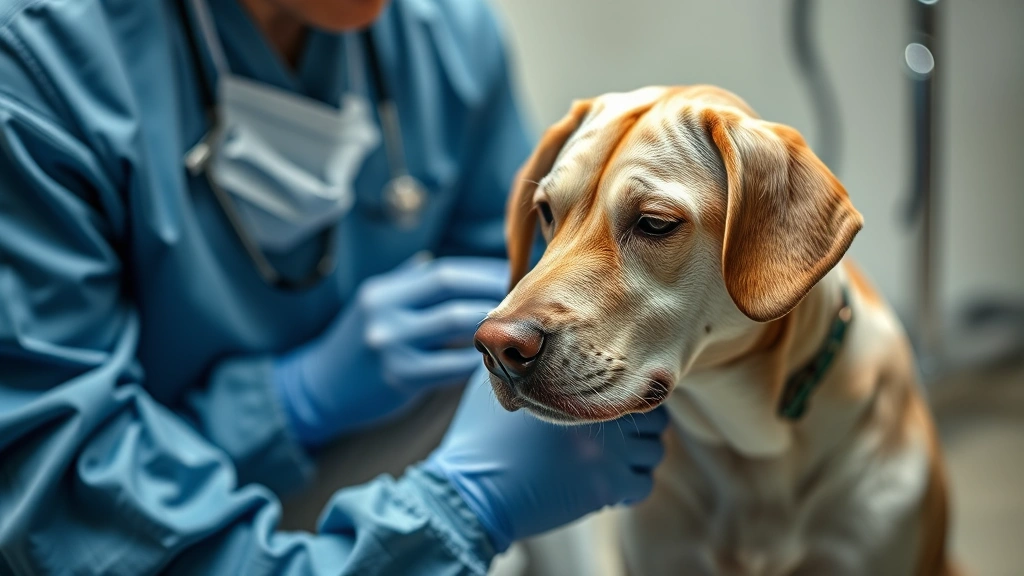
If your dog is trembling and acting uncomfortable, especially during warm weather when there’s no reason for them to be cold, fever is a strong possibility. Combine this with any other symptoms on this list, and you’ve got a pretty good case for a vet visit.
Sign #5: Vomiting and Diarrhea
Gastrointestinal upset often accompanies fever in dogs. Your pup might vomit or develop diarrhea, which further complicates the dehydration issue. This is your body’s way of trying to fight off infection, but it’s also really uncomfortable and potentially dangerous if it continues.
If your dog is experiencing both digestive issues and any of the other fever symptoms mentioned here, definitely don’t try to tough it out at home. These combined symptoms could indicate anything from a simple infection to something more serious.
How to Take Your Dog’s Temperature at Home
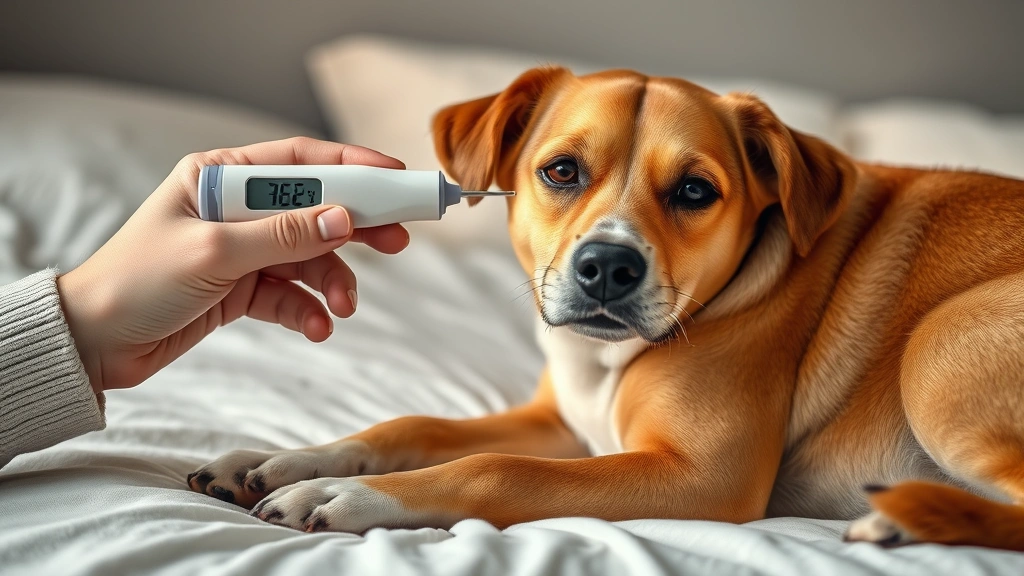
The only real way to confirm fever is with a thermometer. You have three options: rectal (most accurate), ear, or temporal. Rectal thermometers are the gold standard for dogs, even though nobody’s thrilled about it. Here’s the process:
First, grab a digital thermometer and lubricate the tip with petroleum jelly or coconut oil. Have someone help you keep your dog calm—this isn’t their favorite activity. Gently lift your dog’s tail and insert the thermometer about an inch into the rectum. Hold it there until it beeps (usually 30-60 seconds). Rectal temps are the most reliable, giving you the most accurate reading.
Ear thermometers are less invasive but can be less accurate if you don’t position them correctly. Temporal thermometers (the ones that scan across the forehead) work on humans but aren’t as reliable for dogs due to their fur.

If your dog’s temperature reads above 103 degrees Fahrenheit, it’s time to call your vet. If it’s above 106, get to an emergency clinic immediately.
When to Call the Vet (And When It’s an Emergency)
Not all fevers require an ER visit, but some definitely do. Call your regular vet during business hours if your dog has a fever under 103 degrees and is otherwise stable. They might want to see your pup to figure out what’s causing the fever.
Head straight to an emergency vet clinic if:

- Your dog’s temperature is above 106 degrees
- The fever is accompanied by severe lethargy or loss of consciousness
- Your dog is having seizures
- They’re vomiting repeatedly and can’t keep water down
- You notice signs of pain or extreme discomfort
- The fever persists for more than 48 hours despite treatment
You can also schedule a Virtual Pet Checkup if you’re unsure whether your dog needs to be seen in person. This is a great option for getting professional guidance when you’re worried but not sure if it’s an emergency.
Common Causes of Fever in Dogs
Fevers don’t just happen randomly—they’re your dog’s immune system’s way of fighting something off. Common causes include infections (bacterial, viral, or fungal), ear infections, urinary tract infections, dental infections, and inflammatory conditions. Sometimes fever is a side effect of vaccinations or medications.
The underlying cause determines the treatment, which is why getting a proper diagnosis from your vet is so important. That warm nose and lethargy could mean anything from a simple infection to something more complex.

Treatment and Recovery
Once your vet diagnoses the cause of the fever, treatment depends on what’s going on. Bacterial infections might require antibiotics. Viral infections usually need supportive care and time. Your vet might recommend fever-reducing medications, though they’re often hesitant to suppress fevers completely since fever helps the body fight infection.
During recovery, keep your dog comfortable and hydrated. Offer small, frequent meals of bland food. Our guide on Convalescence Foods from the Kitchen has some great suggestions for what to feed a recovering pup. Make sure your dog has access to fresh water at all times, and consider adding some Anti-inflammatory Foods for Pets to support their immune system.
Keep your dog in a cool, comfortable space and limit strenuous activity until they’ve fully recovered. Follow your vet’s instructions regarding medications and follow-up appointments.

Prevention Tips to Keep Fevers at Bay
While you can’t prevent every illness, you can take steps to reduce your dog’s risk of getting seriously sick. Keep vaccinations current—this prevents many common infections that cause fever. Maintain good dental hygiene to prevent tooth infections. Keep your dog’s ears clean and dry to prevent ear infections. Ensure they’re eating quality food and getting regular exercise to maintain a strong immune system.
Regular vet checkups catch potential problems before they develop into serious infections. Don’t skip those annual visits, even if your dog seems perfectly healthy.
Frequently Asked Questions
Can I give my dog aspirin or ibuprofen for fever?
No, don’t give your dog over-the-counter pain relievers without explicit vet approval. Ibuprofen and aspirin can cause serious stomach ulcers and kidney damage in dogs. Always consult your vet before giving any medication. They might recommend dog-safe alternatives or decide that letting the fever run its course is the best approach.

How long does a dog fever usually last?
It depends on the cause. Simple infections might resolve in a few days with treatment, while more serious conditions could take weeks. If your dog’s fever lasts more than 48 hours despite treatment, contact your vet. Persistent fevers sometimes indicate something more serious that needs investigation.
Is a fever always bad for my dog?
Fever is actually your dog’s body fighting infection—it’s a good sign that their immune system is working. However, very high fevers (above 106 degrees) can cause damage and are dangerous. Moderate fevers under 104 degrees are generally beneficial and shouldn’t be suppressed unless your vet recommends it.
What’s the difference between fever and heat stroke?
This is crucial: fever is an internal elevation of body temperature caused by illness, while heat stroke is external overheating from environmental conditions. Heat stroke is a medical emergency requiring immediate cooling. Fever from illness is treated by addressing the underlying cause. If your dog is overheated from being in a hot car or exercising in extreme heat, cool them down immediately and call your vet.

Can puppies and senior dogs get fevers?
Absolutely. All dogs can develop fevers regardless of age. However, puppies and senior dogs are more vulnerable to serious infections and complications from fever, so they need prompt veterinary attention. Don’t assume a young or old dog can just “sleep it off.”
Summary: Trust Your Gut and Know When to Call
So, how do you tell if your dog has a fever? Look for the combination of signs: lethargy, loss of appetite, warm ears, shivering, and gastrointestinal upset. The only way to confirm is with a thermometer reading above 103 degrees Fahrenheit. If you suspect your dog has a fever, contact your vet. They can run tests to determine the cause and recommend appropriate treatment.
Remember, your dog can’t tell you they feel terrible, so you need to be their advocate. Trust your instincts—if something seems off, it probably is. A quick call to your vet is always better than waiting and hoping your pup gets better on their own. And if you’re ever unsure whether your dog needs immediate care, don’t hesitate to reach out to a professional. That’s what we’re here for.

For additional support, consider reaching out for Telehealth Advice for Pet Poisoning or other professional guidance when you need it. Your dog’s health is too important to guess about.





