
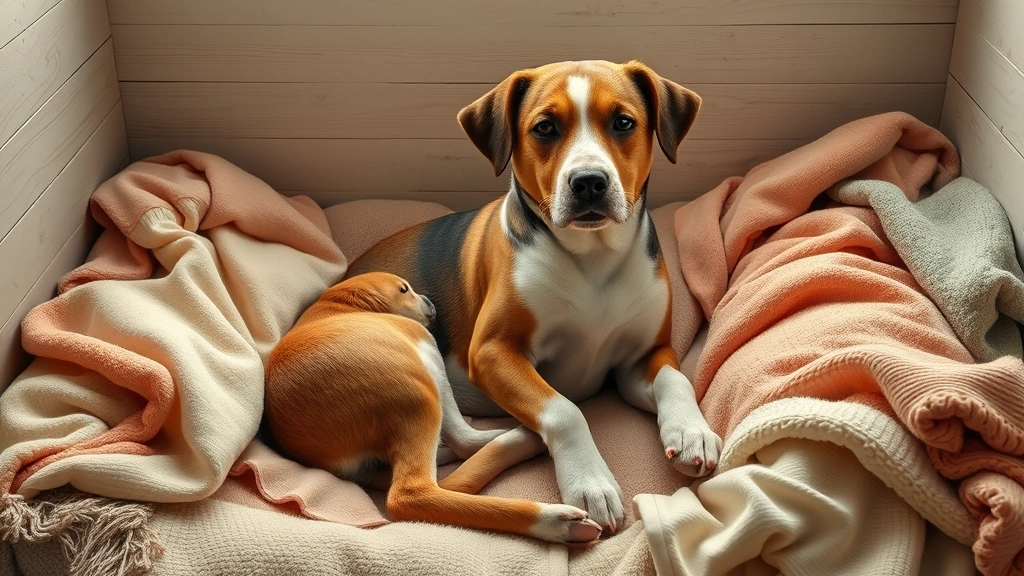
So, how do you tell if your dog is in labor? If you’re a dog parent expecting puppies, this question probably keeps you up at night. The truth is, recognizing the signs of canine labor isn’t rocket science, but it does require you to know what you’re looking for. Dogs can’t exactly tell us they’re in labor, so we have to play detective with their behavior and physical changes. Let’s break down the unmistakable signs that your furry friend is about to become a mama (or that you’re about to become a grandparent to a litter of adorable furballs).
Table of Contents
- Understanding the Three Stages of Dog Labor
- Sign #1: Nesting Behavior and Restlessness
- Sign #2: Temperature Drop and Loss of Appetite
- Sign #3: Vaginal Discharge and Bloody Show
- Sign #4: Abdominal Contractions and Panting
- Sign #5: Excessive Licking and Vulva Swelling
- When to Call the Vet: Red Flags During Labor
- How Long Does Dog Labor Actually Last?
- Preparing for Labor: What You Should Have Ready
- Supporting Your Dog During Labor
- After Labor: Post-Delivery Care
- Frequently Asked Questions
- Final Thoughts: You’ve Got This
Understanding the Three Stages of Dog Labor
Before we dive into the specific signs, it’s helpful to understand that dog labor happens in stages. The first stage is all about preparation—your dog’s body is getting ready for the big event. The second stage is when the actual contractions and pushing happen (this is the dramatic part). The third stage involves delivering the placenta after each puppy. Knowing these stages helps you understand why your dog might act weird or uncomfortable.
Sign #1: Nesting Behavior and Restlessness
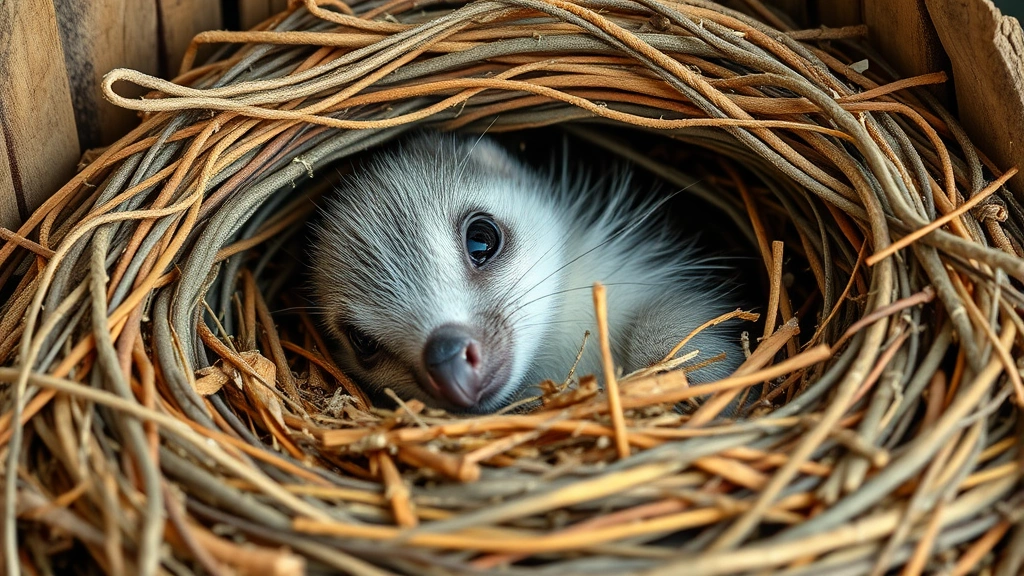
One of the first indicators that your dog is entering the labor stages for dogs is classic nesting behavior. Your pup might start scratching at blankets, rearranging bedding, or trying to create the perfect “den” for her babies. She’ll pace around, seem unable to get comfortable, and might even try to hide in closets or under furniture. This isn’t your dog being dramatic (okay, maybe a little)—it’s her instinct telling her to prepare a safe space for her puppies. If your usually chill dog suddenly becomes a furry interior designer, labor might be on the horizon.

Sign #2: Temperature Drop and Loss of Appetite
Here’s a sneaky sign that many first-time dog breeders miss: about 12-24 hours before active labor begins, your dog’s body temperature will drop from the normal 101-102.5°F to around 98-99°F. This is a major red flag that labor is coming soon. Pair this with a sudden loss of appetite, and you’ve got a pretty solid indicator. Your dog might refuse her favorite treats or meals, which is unusual behavior. If you’ve been monitoring her temperature (which you should be if you’re expecting puppies), this dip is basically your dog’s way of sending a text message saying, “The puppies are coming!”

Sign #3: Vaginal Discharge and Bloody Show
Let’s talk about the messy stuff. As your dog approaches active labor, you might notice vaginal discharge. This can range from clear to slightly bloody—hence the term “bloody show” that vets use (they’re not wrong about the name). This discharge is your dog’s cervix dilating and preparing for delivery. It’s not an emergency unless the discharge is excessively bloody or foul-smelling, which could indicate a problem. Keep some old towels handy and don’t panic if you see a little blood—it’s completely normal and expected during this phase of dog pregnancy labor signs.

Sign #4: Abdominal Contractions and Panting
When active labor actually starts, your dog will begin experiencing contractions. You might see her abdomen tightening and relaxing rhythmically. She’ll likely pant heavily, drool more than usual, and seem uncomfortable or anxious. Some dogs will whine or cry out, while others remain relatively quiet. Her back legs might tremble slightly, and she might strain as if she’s trying to go to the bathroom. This is the “push” phase, and it’s when the actual delivery of puppies happens. Contractions typically last 30 seconds to a minute, with breaks in between.

Sign #5: Excessive Licking and Vulva Swelling
Your dog might obsessively lick her vulva as labor approaches—this is totally normal behavior. The vulva will also appear noticeably swollen and may be darker in color. Some dogs will lie on their side and keep licking the area, which is their way of trying to manage the discomfort. If you notice significant swelling but no other signs of labor within 24 hours, contact your vet. You can learn more about post-labor nutrition in our guide on convalescence foods from the kitchen, which covers what to feed your recovering mama dog.

When to Call the Vet: Red Flags During Labor
Not all labor situations are straightforward. You should contact your veterinarian immediately if your dog has been actively straining for more than 30 minutes without delivering a puppy, if she seems in severe pain or distress, if there’s excessive vaginal bleeding, or if she shows signs of shock (pale gums, weakness, rapid heartbeat). According to the American Kennel Club (AKC), complications during labor are more common in certain breeds, particularly brachycephalic (flat-faced) breeds like Bulldogs and Pugs. Don’t hesitate to reach out to your vet—they’ve seen it all and can provide peace of mind or emergency care if needed.
How Long Does Dog Labor Actually Last?
The timeline for dog labor varies, but generally, the first stage lasts 6-12 hours. The second stage (active pushing) usually takes 3-12 hours, depending on how many puppies your dog is carrying. Some dogs deliver puppies quickly, while others take their sweet time. Between puppies, there can be breaks of 15 minutes to 2 hours. The entire process from start to finish can take anywhere from 4 to 24 hours. If your dog goes longer than 24 hours without delivering all her puppies, that’s when you need veterinary intervention.

Preparing for Labor: What You Should Have Ready
Don’t wait until labor starts to prepare. Set up a quiet, comfortable whelping area with clean towels and blankets. Have a heating pad ready (puppies need warmth), and stock up on clean cloths for cleaning puppies as they arrive. Keep the contact information for your vet and an emergency animal clinic readily available. Consider having telehealth advice for pet poisoning resources bookmarked in case of emergency situations. Have a scale to weigh puppies if your vet recommends it, and keep notes on timing and any complications. Being prepared means you can focus on supporting your dog rather than scrambling to find supplies.
Supporting Your Dog During Labor
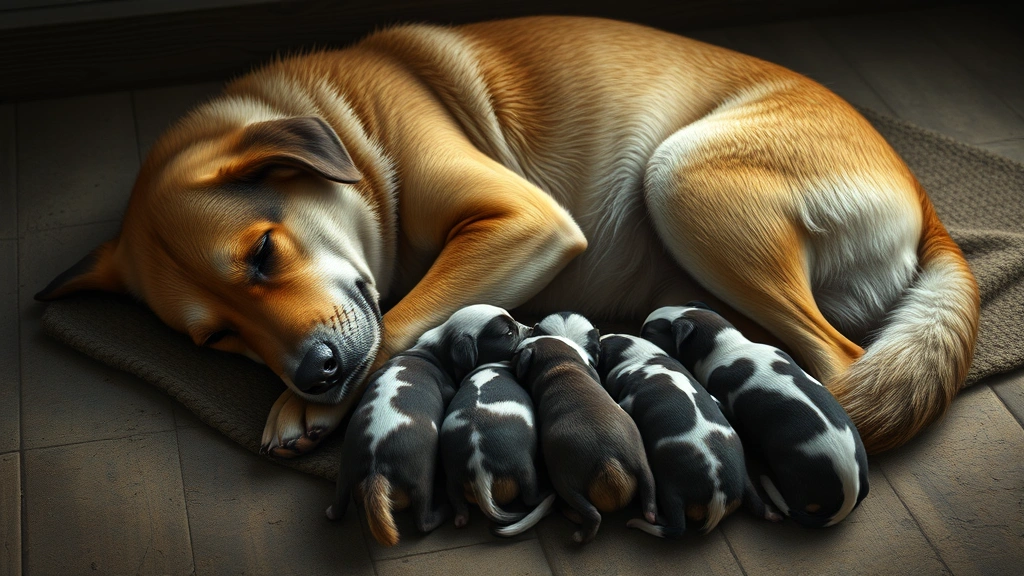
During labor, your dog needs a calm, quiet environment. Minimize stress by keeping visitors away and maintaining a peaceful atmosphere. Stay nearby so she knows you’re there, but don’t hover or make her anxious. Some dogs want their owners close, while others prefer privacy—let your dog’s behavior guide you. Offer water frequently (not food), and be ready to assist if needed. According to PetMD, you might need to gently clean puppies’ faces as they’re born to help them breathe. Have your vet on speed dial and don’t hesitate to call with questions.

After Labor: Post-Delivery Care
Once all the puppies have arrived and the placenta is delivered, your mama dog will need rest, fluids, and food. She’ll be exhausted and might not want to leave her puppies. This is normal. Make sure she has easy access to fresh water and food near her whelping area. Your vet can advise you on appropriate nutrition during nursing—you might want to check our article on senior pet friendly human foods for ideas on nutritious additions to her diet, though always consult your vet first. Monitor her for signs of infection, excessive bleeding, or behavioral changes that might indicate postpartum complications.

Frequently Asked Questions
How long after temperature drop does labor start?
Labor typically begins 12-24 hours after your dog’s body temperature drops below 99°F. This is one of the most reliable indicators that active labor is imminent, so if you’ve been monitoring temperature, use this as your countdown timer.

Can a dog go into false labor?
Yes, false labor (called Braxton Hicks in humans) can happen in dogs. She might show signs like nesting and restlessness but without actual contractions or delivery. If you’re unsure, contact your vet for confirmation that labor is real.
What if my dog won’t push during labor?
If your dog is having weak contractions or won’t push, this could indicate uterine inertia, a condition where the uterus isn’t contracting properly. This requires immediate veterinary attention and might necessitate a cesarean section.
How many puppies will my dog have?
Litter size varies greatly depending on breed, age, and individual factors. Small breeds might have 1-4 puppies, while larger breeds can have 8-12 or more. Your vet can estimate litter size through ultrasound during pregnancy.
Is it normal for a dog to eat the placenta?
Yes, it’s completely normal and natural. Dogs instinctively eat the placenta after each puppy is born. It provides nutrients and helps clean up the birthing area. You don’t need to stop her unless your vet advises otherwise.
What temperature should the whelping area be?
Newborn puppies can’t regulate their body temperature, so the whelping area should be kept around 85-90°F for the first week. A heating pad under blankets (not directly under puppies) helps maintain this warmth.
Final Thoughts: You’ve Got This
Knowing how do you tell if your dog is in labor empowers you to be the supportive, prepared dog parent your pup needs during this significant life event. The signs are pretty clear once you know what to look for: nesting behavior, temperature drop, discharge, contractions, and excessive licking. The key is staying calm, having your vet’s number handy, and trusting your instincts. If something feels wrong, it probably is—don’t hesitate to call for professional help. Most dog births go smoothly, and with proper preparation and monitoring, you’ll be welcoming a litter of adorable puppies in no time. Your dog is counting on you to be her cheerleader and safety net, so embrace the role and enjoy this amazing experience!





