
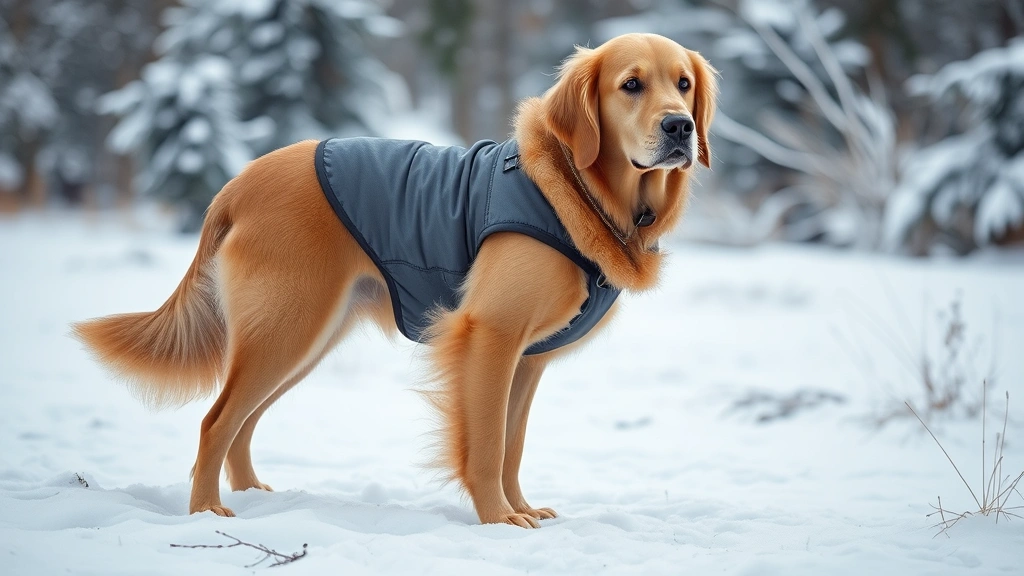
So, how does a dog wear pants? This might sound like the setup to a joke, but it’s actually a legitimate question pet parents ask when they’re trying to keep their furry friends warm, protected, or just fashionably dressed. Whether you’re dealing with a chilly winter, post-surgery recovery, or simply want your pup to look adorable, dog pants are a real thing—and yes, there’s definitely a right way (and several hilarious wrong ways) to get them on.
Table of Contents
- Understanding Dog Pants: More Than Just Fashion
- The Basic Steps: Getting Your Dog Into Pants
- Choosing the Right Size and Style for Your Pup
- Medical Reasons: When Dog Pants Are Necessary
- Training Your Dog to Accept Pants
- Common Mistakes Dog Owners Make
- Seasonal Considerations for Dog Pants
- Addressing Behavioral Issues Related to Pants
- DIY Dog Pants: Creating Custom Solutions
- Expert Tips from Veterinarians and Pet Professionals
- Popular Dog Pants Brands and Options
- Health and Safety Considerations
- Making Pants Part of Your Dog’s Routine
- Frequently Asked Questions
- Conclusion: Pants for Pups Made Simple
Understanding Dog Pants: More Than Just Fashion
Dog pants aren’t just about making your pooch look cute, though that’s definitely a bonus. These garments serve practical purposes for our four-legged friends. From protecting sensitive skin to providing warmth during cold weather, dog pants have become increasingly popular among pet owners. The key to successful dog pants is understanding your dog’s anatomy and finding the right fit. Unlike human pants, dog pants need to accommodate four legs, a tail, and a completely different body structure. When you’re shopping for dog clothing, you’ll notice options range from simple leg warmers to full-body coverage, each designed with canine comfort in mind.
The Basic Steps: Getting Your Dog Into Pants
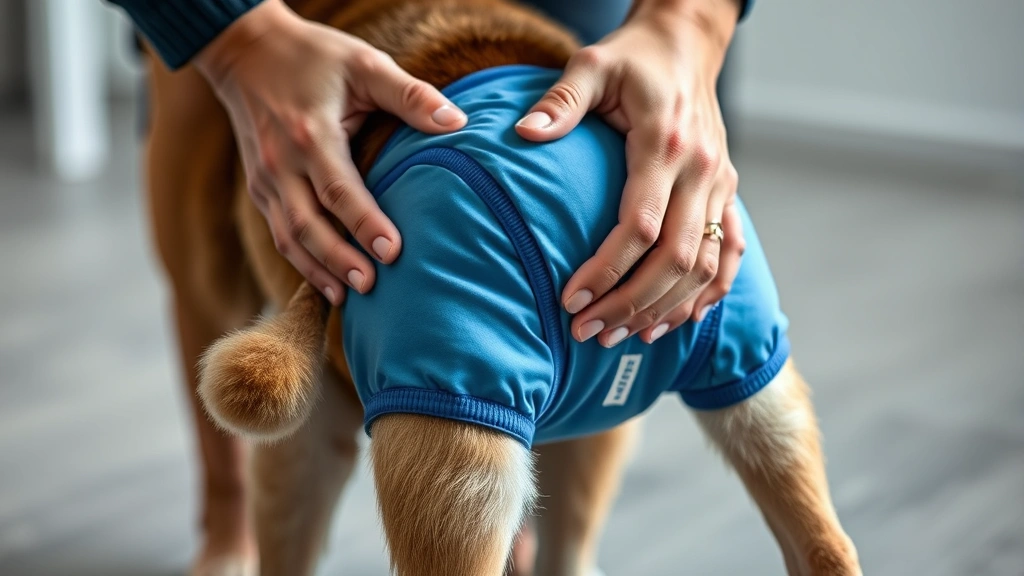
The process of putting pants on a dog requires patience, treats, and a sense of humor. First, gather your materials: the dog pants, some high-value treats, and your dog in a calm state of mind. Start by letting your dog sniff and investigate the pants—this reduces anxiety about the unfamiliar object. Next, gently guide one back leg through the appropriate opening, then the other. The waistband should sit comfortably around your dog’s torso without being too tight. Many owners find it helpful to practice this routine during relaxed moments rather than right before heading outside. Your dog’s comfort is paramount; if they’re struggling excessively, take a break and try again later. Remember, even the most cooperative dog might need several attempts before wearing pants becomes second nature.
Choosing the Right Size and Style for Your Pup
Selecting appropriate dog pants is crucial for both comfort and functionality. Measure your dog’s waist, back length, and leg circumference before purchasing. A poorly fitting pair can restrict movement, cause chafing, or simply slide off during your walk. Consider your dog’s breed and size—a Carolina Dog Breed or larger canine will need different sizing than smaller breeds. Materials matter too; breathable fabrics work best for warmer months, while insulated options suit winter weather. Some pants feature adjustable straps or elastic, providing flexibility as your dog moves. Look for reinforced stitching around the leg holes and a secure waistband that won’t slip. Pet specialty retailers and online stores offer numerous options, from basic solid colors to patterns that match your own wardrobe. Don’t be afraid to try different brands—what works for one dog might not work for another.
Medical Reasons: When Dog Pants Are Necessary
Beyond fashion and warmth, dog pants serve important medical purposes. Post-operative dogs often need protection for surgical sites, and pants prevent licking and contamination during the healing process. Dogs with skin conditions, allergies, or wounds benefit from the protective barrier that pants provide. Senior dogs with incontinence issues sometimes wear specially designed pants to manage accidents while maintaining dignity. Injured dogs recovering from leg injuries need support, and certain pants are designed with this in mind. If your veterinarian recommends pants for medical reasons, follow their guidance closely regarding fit and duration of wear. Your vet can recommend specific styles or brands that work best for your dog’s particular condition. Never assume pants are purely cosmetic—they’re legitimate therapeutic wear for many dogs dealing with health challenges.
Training Your Dog to Accept Pants
Getting a dog accustomed to wearing pants is a training process that rewards patience and positive reinforcement. Start with short wearing periods—just five to ten minutes—and gradually increase duration. Use high-value treats and enthusiastic praise whenever your dog wears the pants without complaint. Some owners find that putting pants on right before a fun activity, like a walk or playtime, helps create positive associations. Avoid forcing pants on an anxious dog; instead, use desensitization techniques. Let them wear pants around the house for a few days before venturing outside. Create a positive environment where wearing pants means good things happen. If your dog associates pants with treats, walks, and praise, they’ll eventually accept them as part of their routine. Consistency is key—make it a normal part of your dog’s life rather than an occasional, stressful event.
Common Mistakes Dog Owners Make
Even well-intentioned pet parents sometimes make errors when dressing their dogs. The most common mistake is buying pants that are too tight, restricting movement and causing discomfort. Another frequent error is leaving pants on for extended periods without checking for chafing or skin irritation. Some owners fail to account for their dog’s tail, leading to uncomfortable bunching or restriction. Putting pants on a wet or dirty dog can trap moisture against the skin, promoting bacterial growth. Not securing the waistband properly results in pants sliding down during walks, creating frustration for both dog and owner. Ignoring signs of discomfort—like excessive scratching, reluctance to move, or attempting to remove the pants—is a serious oversight. Finally, choosing materials inappropriate for the season can make your dog too hot or cold. Learn from these mistakes before they happen by researching proper fit, checking your dog frequently, and adjusting your approach based on your individual dog’s needs.
Seasonal Considerations for Dog Pants
Different seasons call for different pants styles and materials. Winter pants should provide insulation while remaining breathable to prevent overheating during indoor time. Waterproof options protect against snow and slush, keeping your dog dry during winter walks. Summer pants should be lightweight and breathable, preventing heat buildup while still offering sun protection for sensitive skin. Spring and fall require transitional clothing that adapts to fluctuating temperatures. Consider your local climate when selecting pants; a dog in Florida has different needs than one in Minnesota. Some owners keep multiple pairs on hand, rotating them based on weather conditions. Moisture-wicking fabrics prevent sweat accumulation during active play. Reflective elements on winter pants improve visibility during early morning or evening walks. Think of dog pants as seasonal wardrobe staples rather than year-round necessities, unless your dog has specific medical needs requiring constant protection.
Addressing Behavioral Issues Related to Pants
Some dogs develop behavioral problems when wearing pants, ranging from refusal to move to excessive scratching. These issues often stem from discomfort, poor fit, or anxiety about the unfamiliar sensation. Address behavioral problems by first ruling out physical discomfort—check for proper fit, skin irritation, or chafing. If fit isn’t the issue, focus on gradual desensitization and positive reinforcement. Never punish a dog for refusing pants; this creates negative associations that make future acceptance harder. Some dogs respond well to distraction techniques, like puzzle toys or treat-dispensing toys, while wearing pants. Others benefit from wearing pants during their favorite activities. If behavioral issues persist despite your efforts, consult a professional dog trainer or veterinary behaviorist. They can identify underlying anxiety or other issues and recommend appropriate interventions. Remember that not all dogs need or want to wear pants—sometimes acceptance is the best outcome you can achieve.
DIY Dog Pants: Creating Custom Solutions
For creative pet owners, making DIY dog pants is an option worth exploring. Simple designs can be created from old human clothing, particularly sweatpants or leggings. Cut appropriate holes for legs and adjust the waistband to fit your dog’s measurements. Sewing basic seams doesn’t require advanced skills—many pet owners successfully create functional pants using online tutorials. DIY options allow customization for your dog’s specific needs, whether that’s extra padding for joint support or specific fabric choices. However, DIY pants should still meet basic safety standards: secure seams, no loose threads, and appropriate fit. This approach works well for temporary solutions or experimental designs before investing in commercial options. Many dog owners find the process fun and rewarding, creating unique pieces that reflect their dog’s personality. If sewing isn’t your skill, consider asking a local tailor to modify existing clothing for your dog. The benefit of custom solutions is that they’re tailored specifically to your dog’s measurements and needs.
Expert Tips from Veterinarians and Pet Professionals
According to the American Kennel Club (AKC), proper dog clothing should never restrict movement or cause discomfort. Veterinary professionals recommend checking your dog’s skin regularly when wearing pants, especially during the first few weeks of wear. PetMD emphasizes that dog pants should be cleaned regularly to prevent bacterial growth and skin infections. Professional groomers suggest that pants should be removed daily to allow your dog’s skin to breathe. Certified animal behaviorists note that introducing pants gradually, with positive reinforcement, yields the best results. Many vets recommend measuring your dog quarterly, as weight changes affect proper fit. Professionals also suggest keeping pants on for shorter durations initially, gradually extending wear time as your dog adjusts. The consensus among experts is that while dog pants are beneficial for many situations, they’re not a one-size-fits-all solution. Your dog’s individual temperament, health status, and lifestyle should guide your decision to use pants.
Popular Dog Pants Brands and Options
The market offers numerous dog pants options catering to different needs and budgets. Budget-friendly brands provide basic functionality without breaking the bank, perfect for trial periods or temporary needs. Premium brands often feature advanced materials, better construction, and longer-lasting durability. Specialty brands focus on specific needs, like medical-grade pants for post-operative dogs or performance pants for active dogs. Some brands offer stylish options that let your dog express personality through fashion. Waterproof brands excel at protecting during wet weather, while insulated brands provide warmth for cold climates. Many retailers offer sizing guides and return policies, allowing you to find the perfect fit without excessive trial and error. Reading customer reviews helps identify which brands work best for your dog’s size and temperament. Don’t assume expensive means better—sometimes mid-range options provide excellent value. Compare features, materials, and customer feedback before making a purchase decision.
Health and Safety Considerations
Before putting pants on your dog, consider potential health and safety issues. Dogs with certain medical conditions shouldn’t wear restrictive clothing; consult your veterinarian if your dog has heart conditions, breathing difficulties, or spinal issues. Proper fit is essential to prevent circulation problems or nerve compression. Check your dog’s skin daily for signs of irritation, chafing, or infection. Some dogs develop heat rash or fungal infections if pants trap moisture against their skin. Remove pants immediately if you notice excessive scratching, redness, or behavioral changes indicating discomfort. Ensure pants don’t interfere with your dog’s ability to urinate or defecate comfortably. Dogs with anxiety might experience stress-related issues from wearing restrictive clothing. Always supervise your dog while wearing pants, especially during the initial adjustment period. If your dog has a history of pancreatitis or other digestive issues, ensure pants don’t apply pressure to the abdomen. Safety should always trump fashion or convenience when it comes to your dog’s wellbeing.
Making Pants Part of Your Dog’s Routine
Successfully incorporating pants into your dog’s life requires consistency and patience. Establish a routine where pants are put on and removed at predictable times, reducing anxiety. Store pants in an easily accessible location so you’re not frantically searching when you need them. Make the process quick and efficient—dogs sense hesitation and uncertainty. Celebrate small victories, like your dog standing still while you put pants on, with treats and praise. Involve family members in the process so your dog adjusts to different people helping with pants. Keep a log of what works and what doesn’t, adjusting your approach based on your dog’s responses. Once your dog accepts pants, maintain the routine even on days when they might not be strictly necessary. This prevents regression and keeps your dog comfortable with the process. Think of pants as a normal part of your dog’s life, like collars or leashes, rather than an occasional imposition. When pants become routine, your dog will accept them with minimal fuss.
Frequently Asked Questions
At what age can puppies start wearing pants?
Puppies can begin wearing pants once they’re old enough to tolerate the sensation, typically around 8-12 weeks of age. Start with short periods and use positive reinforcement. Ensure pants fit properly without restricting growth or movement. Avoid leaving pants on young puppies for extended periods as they’re still developing.
Can all dog breeds wear pants comfortably?
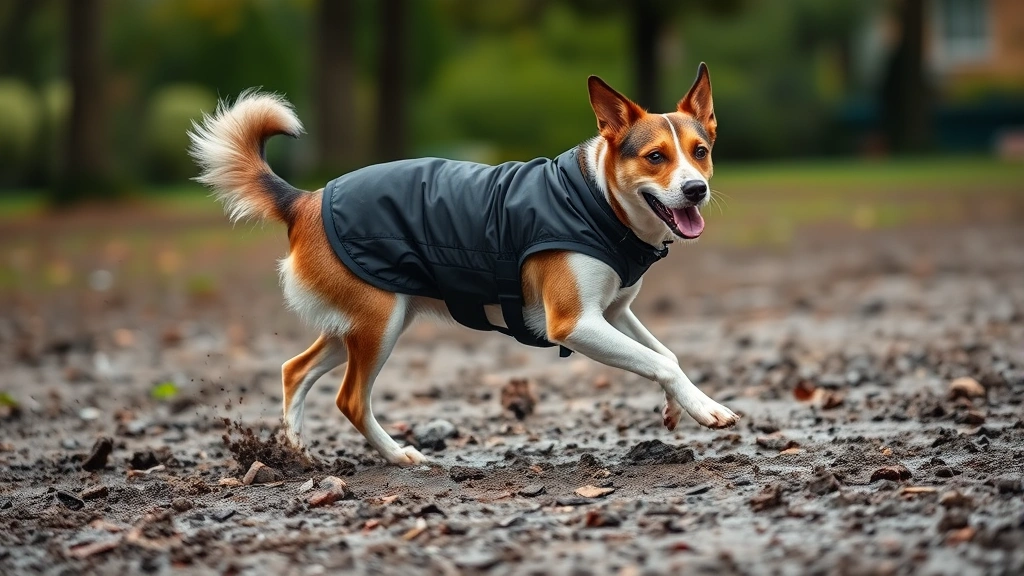
Most breeds can wear pants, but some require special considerations. Breeds with very short legs, like Chug Dogs, may need custom sizing. Dogs with long bodies or unusual proportions might require tailored solutions. Always prioritize your individual dog’s comfort over breed generalizations.
How often should I wash dog pants?
Wash dog pants every 3-5 days, or more frequently if your dog plays outdoors or has skin conditions. Use mild detergent and avoid fabric softeners that can irritate sensitive skin. Ensure pants are completely dry before putting them back on your dog to prevent moisture-related skin issues.
What’s the difference between dog pants and dog diapers?
Dog pants are primarily protective or thermal garments, while dog diapers are designed to manage incontinence or prevent marking. Some products combine both functions. Choose based on your dog’s specific needs—thermal protection versus waste management.
Can dogs go to the bathroom while wearing pants?
Most well-fitting dog pants allow bathroom access, though some dogs might struggle initially. Ensure pants don’t cover the rear opening completely. Watch your dog closely during bathroom breaks to ensure they’re comfortable and able to eliminate properly.
What should I do if my dog refuses to wear pants?
Never force pants on a resistant dog. Instead, use gradual desensitization, high-value treats, and positive reinforcement. If refusal persists, consult a veterinary behaviorist. Some dogs simply won’t accept pants, and that’s okay—focus on alternative solutions like coats or sweaters.
Conclusion: Pants for Pups Made Simple
So, how does a dog wear pants? The answer combines proper fit, patience, positive reinforcement, and understanding your individual dog’s needs. Whether you’re dressing your pup for warmth, medical reasons, or fashion, success depends on introducing pants gradually and maintaining a consistent routine. Start with the basics: measure your dog accurately, choose appropriate materials for the season, and invest time in training your dog to accept pants without stress. Remember that not every dog will embrace pants enthusiastically, and that’s perfectly normal—some dogs tolerate them as a necessary evil while others genuinely seem to enjoy the experience. Pay attention to your dog’s comfort, check regularly for signs of irritation, and adjust your approach based on their individual temperament and needs. With the right technique, the right pants, and plenty of patience, you can successfully incorporate pants into your dog’s life. Your furry friend might never be a fashion model, but they’ll be comfortable, protected, and well-cared for—which is what really matters.





