
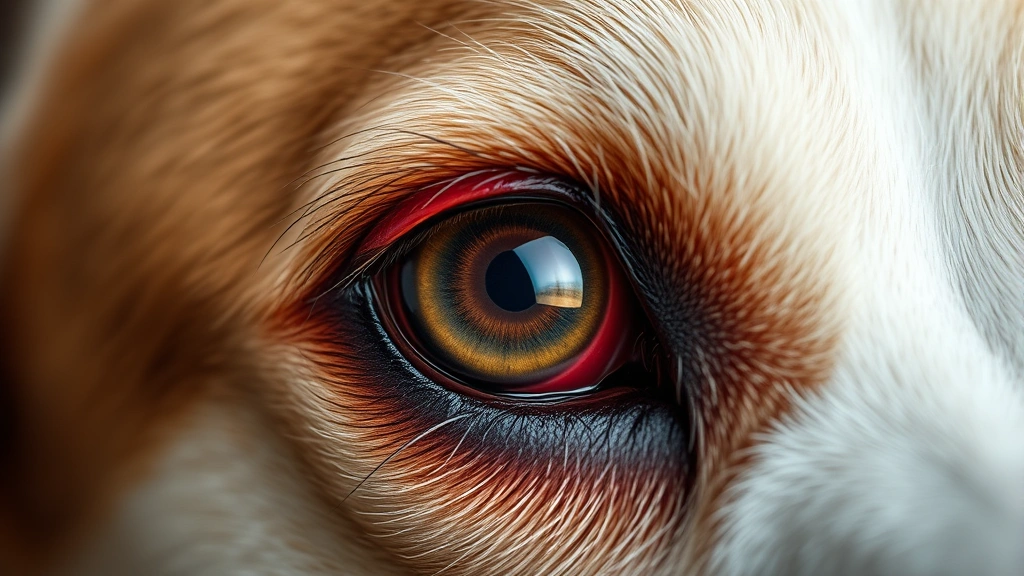
How fast can glaucoma kill a dog? The short answer: faster than you’d think, and often before you even realize your pup has a problem. Glaucoma in dogs is one of those sneaky conditions that progresses silently, stealing your dog’s vision and potentially causing permanent blindness or death within weeks if left untreated. This isn’t a “wait and see” kind of situation—it’s a medical emergency that demands immediate attention.
Table of Contents
- Understanding Canine Glaucoma: The Pressure Problem
- How Quickly Does Glaucoma Progress in Dogs?
- Recognizing Emergency Warning Signs of Canine Eye Disease
- Which Dog Breeds Face Higher Glaucoma Risk?
- The Progression Timeline: From Diagnosis to Blindness
- Can Glaucoma Actually Kill Your Dog?
- Diagnosis: How Vets Confirm Glaucoma
- Treatment Options: Racing Against the Clock
- Living with a Glaucoma-Prone Dog: Prevention and Monitoring
- When to Consider Enucleation (Eye Removal)
- The Bottom Line: Act Fast
- Frequently Asked Questions
Understanding Canine Glaucoma: The Pressure Problem
Glaucoma occurs when intraocular pressure (IOP) builds up inside your dog’s eye faster than fluid can drain out. Think of it like a clogged sink—water keeps flowing in, but can’t escape, so pressure builds. This mounting pressure damages the optic nerve and retina, leading to vision loss and, in severe cases, systemic complications that can be life-threatening.
There are two main types: primary glaucoma (inherited, often affecting certain breeds) and secondary glaucoma (caused by other eye diseases, inflammation, or trauma). Both can progress rapidly, but secondary glaucoma sometimes moves even faster because the underlying condition is already compromising eye health.
How Quickly Does Glaucoma Progress in Dogs?
Here’s where things get serious. Acute glaucoma attacks can cause permanent blindness in 24-48 hours. Yes, you read that right—less than two days. Some dogs lose vision in one eye within hours of an acute episode. Chronic glaucoma develops more slowly over weeks or months, but the damage is cumulative and irreversible.
The timeline depends on several factors: the severity of pressure elevation, your dog’s age, breed predisposition, and how quickly you seek treatment. A pressure spike to 40-50 mmHg (normal is 15-25 mmHg) can cause rapid nerve damage. At 60+ mmHg, you’re looking at a medical emergency where blindness becomes likely within 24-72 hours.
Recognizing Emergency Warning Signs of Canine Eye Disease
Your dog won’t tell you their eye hurts, so you need to watch for behavioral clues. During an acute glaucoma attack, you might notice:
- Squinting or keeping one eye partially closed
- Excessive tearing or discharge
- Redness in the white of the eye (conjunctival injection)
- A cloudy or hazy appearance to the cornea
- Dilated pupil that doesn’t respond to light
- Obvious pain—head shaking, pawing at the face, reluctance to be touched near the eye
- Behavioral changes like hiding, restlessness, or aggression due to discomfort
- Bumping into objects or moving cautiously (vision loss)
Chronic glaucoma is trickier because dogs adapt to gradual vision loss. You might not notice anything until significant damage has occurred. Some owners only realize their dog has glaucoma when they bump into furniture or seem disoriented in low light.
Which Dog Breeds Face Higher Glaucoma Risk?
Certain breeds inherit a predisposition to primary glaucoma. High-risk breeds include Cocker Spaniels, Basset Hounds, Beagles, Siberian Huskies, Samoyeds, Poodles, and Chow Chows. If you own one of these breeds, you should have your dog’s eye pressure checked regularly, especially after age 3-5 when primary glaucoma typically emerges.
Secondary glaucoma can affect any dog, particularly those with a history of uveitis, lens luxation, anterior chamber inflammation, or eye trauma. Even a minor eye injury can trigger pressure changes that lead to glaucoma weeks later.
The Progression Timeline: From Diagnosis to Blindness
Without treatment, here’s what typically happens:
- Hours 0-24: Acute attack begins. Pressure spikes, eye becomes painful and red. Vision may blur or disappear in the affected eye.
- Days 1-3: Optic nerve damage accelerates. Blindness in the affected eye becomes permanent if pressure isn’t controlled.
- Weeks 1-4: If untreated, the second eye often develops glaucoma (about 50-75% of cases). Chronic pain may lead to behavioral changes or depression.
- Months 2-6: Untreated glaucoma can cause phthisis bulbi (eye shrinkage and degeneration), chronic pain, and systemic complications.
The key takeaway: every hour matters during an acute attack. Getting your dog to an emergency vet clinic within the first few hours dramatically improves the chances of saving vision.
Can Glaucoma Actually Kill Your Dog?
Glaucoma itself rarely causes direct death, but complications can be serious. Untreated, painful glaucoma leads to chronic suffering, behavioral problems, and secondary infections. Some dogs develop phthisis bulbi, where the eye shrivels and becomes a source of constant pain. In rare cases, severe ocular hypertension can trigger systemic issues or mask other life-threatening conditions.
More importantly, glaucoma signals that something else might be wrong. Secondary glaucoma can indicate anterior uveitis, tumors, or other serious eye diseases. That’s why proper diagnosis by a veterinary ophthalmologist is critical—you need to know what’s causing the pressure spike to treat it effectively.
If your dog is experiencing a glaucoma emergency and you’re unsure whether to seek care, consider that emergency vet services are available for urgent situations exactly like this. Don’t wait.
Diagnosis: How Vets Confirm Glaucoma
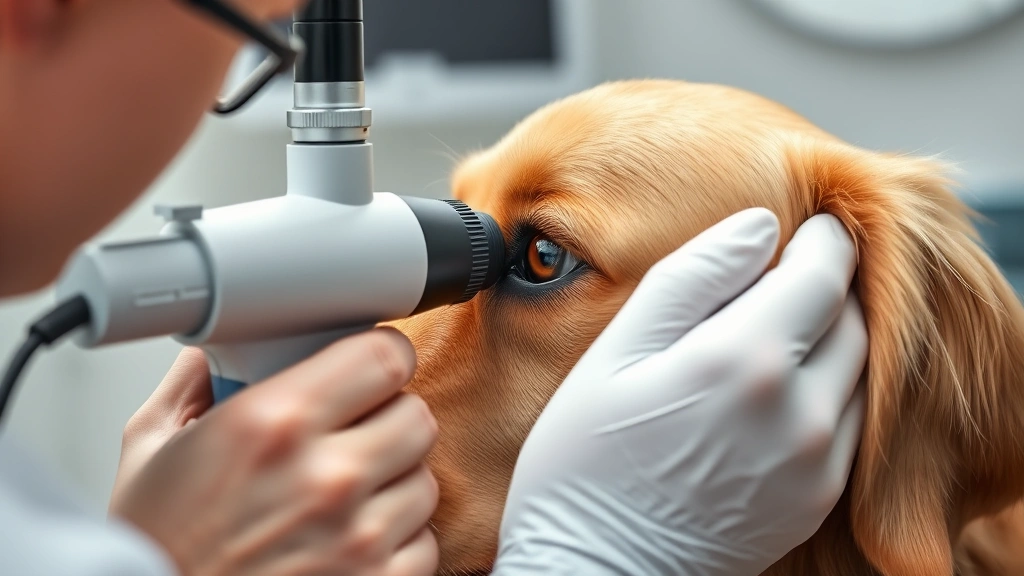
Your vet will use a tonometer to measure intraocular pressure—it’s quick, painless, and non-invasive. They’ll also perform a gonioscopy (examining the drainage angle) and fundoscopy (looking at the optic nerve). If your dog has a history of eye problems or breed predisposition, your vet might recommend regular pressure monitoring.
A veterinary ophthalmologist can provide more detailed evaluation, including visual field testing and imaging. If you suspect glaucoma, don’t delay—ask for a same-day appointment or head to an emergency clinic.
Treatment Options: Racing Against the Clock
Treatment depends on how quickly you catch it and how severe the pressure elevation is:
- Immediate medical management: Topical and systemic medications to reduce fluid production and increase drainage. Prostaglandin analogs, beta-blockers, and carbonic anhydrase inhibitors are common choices.
- Surgical intervention: Laser procedures or glaucoma drainage implants may be necessary if medications fail or if you’re trying to save vision in an acute attack.
- Pain management: Because glaucoma hurts. A lot. Your dog needs adequate analgesia.
- Addressing the underlying cause: If secondary glaucoma, treating the primary condition (uveitis, lens luxation, etc.) is essential.
The earlier treatment begins, the better the prognosis. Dogs treated within 24-48 hours of an acute attack have a much higher chance of retaining some vision compared to those treated later.
Living with a Glaucoma-Prone Dog: Prevention and Monitoring
If your dog has glaucoma or is at risk, here’s what you can do:
- Schedule regular eye pressure checks (every 6-12 months for high-risk breeds)
- Give prescribed eye drops exactly as directed—consistency matters
- Avoid medications and supplements that might increase ocular pressure (discuss with your vet)
- Manage any underlying eye inflammation promptly
- Keep your dog’s environment safe if they’re experiencing vision loss (minimize obstacles, use consistent furniture placement)
- Consider a virtual vet consultation to discuss breed-specific screening recommendations
Some owners benefit from telehealth pet nutrition consultation to ensure their dog’s diet supports overall ocular health, though nutrition alone won’t prevent glaucoma.
When to Consider Enucleation (Eye Removal)
This sounds drastic, but sometimes removing a blind, painful eye is the most humane option. If glaucoma has already caused blindness and chronic pain, and medications or surgery haven’t helped, enucleation eliminates the source of suffering. Most dogs adapt remarkably well to having one eye and enjoy a better quality of life post-surgery.
The Bottom Line: Act Fast
Glaucoma in dogs is a race against time. The difference between saving some vision and losing it all might be just a few hours. If your dog shows signs of eye pain, redness, cloudiness, or behavioral changes, don’t assume it’s minor. Get to a vet immediately—preferably an emergency clinic or veterinary ophthalmologist.
According to the American Kennel Club, breed-specific health screening is crucial for glaucoma-prone dogs. The PetMD resource library also provides excellent information on recognizing eye emergencies. Additionally, research from veterinary schools emphasizes that early detection and treatment are the only factors that significantly improve outcomes.
Your dog depends on you to catch this. Be vigilant, be informed, and be ready to act.
Frequently Asked Questions
Can a dog go blind from glaucoma overnight?
Yes. During an acute glaucoma attack, a dog can lose vision in the affected eye within 24-48 hours. This is why immediate veterinary care is critical—every hour counts.
What does a glaucoma attack look like in a dog?
A dog experiencing an acute glaucoma attack typically shows a red, painful eye, excessive tearing, cloudiness, a dilated pupil, and behavioral signs of pain like squinting, head shaking, or pawing at the face. Some dogs become restless or hide due to discomfort.
Is glaucoma in dogs painful?
Absolutely. Glaucoma causes significant ocular pain due to elevated intraocular pressure. Dogs may not vocalize pain the way humans do, but they show it through behavior—reluctance to be touched, squinting, and changes in activity level.
Can glaucoma in dogs be cured?
Glaucoma cannot be cured, but it can be managed with medication and sometimes surgery. The goal is to prevent further vision loss and control pain. Early treatment offers the best chance of preserving some vision.
How much does glaucoma treatment cost?
Initial emergency treatment might cost $500-$2,000 depending on diagnostics and medication. Long-term management with daily eye drops typically runs $50-$200 monthly. Surgical intervention or specialist care can cost significantly more.
Do all dogs with glaucoma go blind?
Not necessarily. If caught early and treated aggressively, some dogs retain partial or full vision. However, without prompt treatment, blindness is likely. Chronic glaucoma often leads to gradual vision loss over time.
Which breeds are most prone to glaucoma?
Cocker Spaniels, Basset Hounds, Beagles, Siberian Huskies, Samoyeds, Poodles, and Chow Chows have higher genetic predisposition to primary glaucoma. Any breed can develop secondary glaucoma from other eye conditions.





