
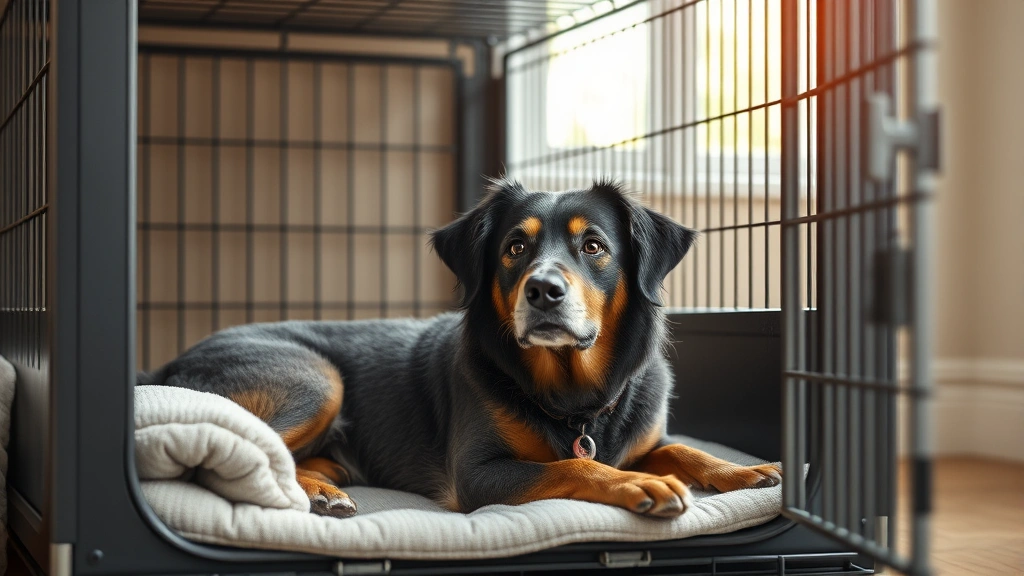
How long can a dog be in a crate is one of those questions every dog owner needs answered—and frankly, it’s way more nuanced than a simple number. Your furry friend’s crate time depends on age, temperament, training, and whether you’re using it for house training or just giving them a safe space to chill. Let’s break this down so you’re not accidentally turning your pup’s den into a prison cell.
Table of Contents
- The Golden Rule: Age Matters Most
- Puppies: The Bladder-Control Struggle is Real
- Adult Dogs: The 8-10 Hour Sweet Spot (With Caveats)
- Crate Training Duration: Building Positive Associations
- Senior Dogs: Comfort Over Confinement
- Special Circumstances: When Crate Time Increases
- Signs Your Dog is Struggling in the Crate
- Bladder Control and Potty Break Schedules
- Mental Stimulation: It’s Not Just About Time
- Breed-Specific Considerations
- Frequently Asked Questions
- Conclusion: Balance Crating With Love and Freedom
The Golden Rule: Age Matters Most
Here’s the deal—puppies have tiny bladders and shorter attention spans. A general rule veterinarians recommend is that puppies can hold their bladder for approximately one hour per month of age, plus one. So a 3-month-old puppy? About 4 hours max. Adult dogs (1-7 years old) can typically handle 8-10 hours, though that doesn’t mean they should be locked up that long regularly. Senior dogs (7+ years) might need more frequent breaks due to incontinence issues and joint stiffness.
The key is understanding that crate time isn’t just about physical capacity—it’s about mental health and behavioral development. Dogs are social creatures, and extended isolation can lead to anxiety, destructive behavior, and a pretty unhappy pup.
Puppies: The Bladder-Control Struggle is Real
Puppies under 12 weeks shouldn’t spend more than 1-2 hours in a crate without a potty break. Between 3-6 months, you can push it to 3-4 hours. From 6-12 months, most puppies can manage 4-6 hours, though individual dogs vary wildly. This is when crate training really pays off—you’re building positive associations, not traumatizing your pup.
During this critical period, using a collapsible dog crate can actually be helpful because you can set it up in different rooms and keep your puppy close while you work or cook. They’ll feel less isolated, and you’ll catch accidents faster.
Adult Dogs: The 8-10 Hour Sweet Spot (With Caveats)
Once your dog reaches adulthood (around 1 year old), they can physically handle 8-10 hours in a crate. But here’s the thing—just because they CAN doesn’t mean they SHOULD, especially if it’s happening daily. Think about it from their perspective: that’s like asking you to sit in your bedroom for 10 hours straight with no entertainment, no bathroom breaks, and no social interaction. Sounds miserable, right?
The American Kennel Club (AKC) recommends that adult dogs shouldn’t be crated for more than 4-6 hours during the day on a regular basis. If you’re working a full 8-hour shift, arrange for a dog walker, hire a pet sitter, or consider doggy daycare. Your dog will thank you, and you’ll have a happier, less anxious companion.
Crate Training Duration: Building Positive Associations
Crate training is different from just leaving your dog in a crate. When you’re actively training, sessions should be short and positive—15 minutes to an hour, depending on your dog’s age and temperament. You want them to see the crate as their safe space, not a punishment zone.
Start with the door open, toss treats inside, and let them explore at their own pace. Gradually increase time with the door closed while you’re home. This builds confidence and prevents separation anxiety from developing. Never force your dog into a crate or use it as punishment—that’s a recipe for a crate-phobic dog who’ll resent the space.
Senior Dogs: Comfort Over Confinement
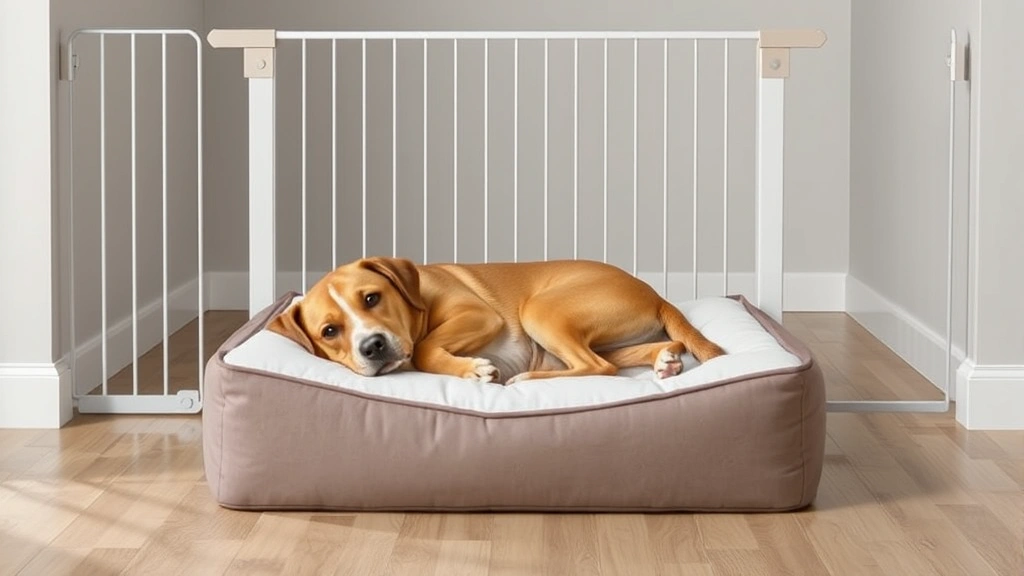
Older dogs have different needs entirely. Arthritic joints, declining bladder control, and increased anxiety mean senior dogs shouldn’t be crated for extended periods. A 10-year-old dog might only manage 4-6 hours comfortably, and they’ll likely need more frequent potty breaks. Consider orthopedic dog beds in a pen setup instead of a traditional crate—it gives them space to move around while keeping them contained.
If your senior dog has mobility issues, consult with your vet about whether crating is even appropriate. Some older dogs do better with baby gates creating a confined area where they can move freely.
Special Circumstances: When Crate Time Increases
There are legitimate reasons for longer crate periods: post-surgery recovery, medical treatment, or temporary situations. If your vet recommends extended crate rest, follow their guidance but ask about bathroom breaks, pain management, and mental stimulation options. A dog recovering from surgery still needs enrichment—puzzle toys, frozen treats, or chew toys can help.
For travel, dogs can handle longer crate times (like a 6-8 hour road trip), but take breaks every 2-3 hours for bathroom, water, and movement. Your dog might be uncomfortable, but they’re not being harmed—just make sure the crate is well-ventilated and temperature-controlled.
Signs Your Dog is Struggling in the Crate
Watch for these red flags that your pup needs more freedom: excessive panting, drooling, whining, or destructive behavior directed at the crate itself. Some dogs develop crate anxiety or learned helplessness—they stop trying to get out and just shut down mentally. That’s not a well-adjusted dog; that’s a stressed dog.
If your dog shows signs of distress, reduce crate time immediately and consider consulting a certified professional dog trainer or veterinary behaviorist. Telehealth vet appointments make it easier to get expert advice without leaving home.
Bladder Control and Potty Break Schedules
The relationship between crate time and bathroom breaks is crucial. Adult dogs typically need potty breaks every 6-8 hours, but this varies based on diet, water intake, and individual metabolism. If you’re transitioning your pet’s diet, you might notice changes in bathroom frequency—adjust crate time accordingly.
Puppies are unpredictable. They might need to go every 2-3 hours, especially after eating, drinking, playing, or napping. Establish a routine: crate time, potty break, playtime, meal, potty break, crate time. Consistency is your best friend when house training.
Mental Stimulation: It’s Not Just About Time
The quality of crate time matters more than the quantity. A dog with enrichment—puzzle toys, long-lasting chews, frozen treats—will handle crate time better than a bored dog staring at walls. Remote pet health monitoring devices can help you check in on your pup and even provide interactive play while you’re away.
Kong toys, snuffle mats, and treat-dispensing toys can keep your dog occupied for hours. Rotate toys to maintain novelty. Some dogs even enjoy background noise—dog-specific music or a white noise machine can reduce anxiety during crate time.
Breed-Specific Considerations
Different breeds have different temperaments and energy levels. High-energy breeds like Border Collies or Australian Shepherds will struggle more with extended crate time than laid-back breeds like Bulldogs or Basset Hounds. However, even calm dogs need mental stimulation and social interaction—breed doesn’t excuse neglecting your dog’s emotional needs.
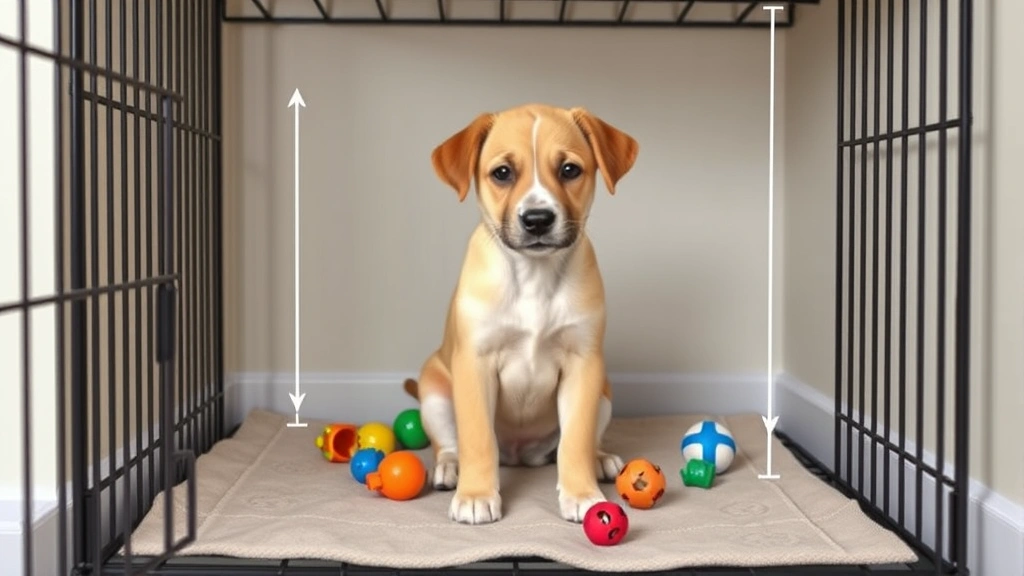
Large breeds might also have more difficulty with long crate periods due to joint stress. Make sure your crate is appropriately sized—your dog should be able to stand, turn around, and lie down comfortably. A too-small crate is cramped and uncomfortable; a too-large crate can encourage them to potty in one corner.
Frequently Asked Questions
Can I crate my dog for 12 hours overnight?
Not regularly, no. Even adult dogs shouldn’t be crated for 12 hours daily. Overnight crating (8-10 hours) is acceptable occasionally, but your dog needs regular daytime breaks, exercise, and socialization. If you work long hours, arrange for midday care.
Is it cruel to crate a dog while you work?
Not if done properly. Crating during work hours (6-8 hours) is acceptable for adult dogs, provided they get potty breaks, exercise before and after, and mental stimulation. The key is not making the crate their entire life. Combine crate time with dog walkers or daycare for better outcomes.
What’s the difference between crate training and crate confinement?
Crate training teaches your dog to view the crate positively through gradual, reward-based exposure. Crate confinement is using the crate to restrict your dog’s movement for safety or house training. Both are valid, but training should happen separately from extended confinement.
Can I use a crate for punishment?
Absolutely not. Using a crate as punishment creates negative associations and can lead to crate anxiety or aggression. The crate should always be a safe, positive space. If your dog misbehaves, use other training methods or consult a professional trainer.
Do small dogs need less crate time than large dogs?
Not necessarily. Bladder capacity and crate comfort differ, but small dogs still need the same social interaction, exercise, and mental stimulation as large dogs. A Chihuahua has a smaller bladder but the same emotional needs as a Great Dane.
How do I know if my dog’s crate is the right size?
Your dog should be able to stand on all four legs without their head touching the ceiling, turn around comfortably, and lie down in a stretched-out position. If they’re cramped or can move around excessively, adjust or get a different sized crate.
Conclusion: Balance Crating With Love and Freedom
So, how long can a dog be in a crate? The honest answer: it depends on age, individual temperament, and specific circumstances. Puppies need frequent breaks; adult dogs can handle 8-10 hours occasionally but shouldn’t be crated that long regularly; seniors need shorter periods and more comfort.
The real takeaway is this: crates are tools for safety and training, not substitutes for companionship and exercise. Your dog needs time outside the crate playing, training, socializing, and just being a dog. If you’re regularly crating your pup for 10+ hours daily, reconsider your setup. Hire help, adjust your schedule, or explore alternative containment options.
Use crates wisely, train positively, and remember that your dog’s mental and physical wellbeing should always come first. A happy dog isn’t one that spends most of their life confined—it’s one that gets the right balance of structure, freedom, and love.





