

So your pup hasn’t pooped in a couple days, and you’re starting to wonder if you should panic or just chill out. How long can a dog go without a bowel movement? The short answer: most healthy dogs should poop at least once daily, and anything beyond 48-72 hours without a bowel movement is worth taking seriously. But before you’re Googling emergency vet clinics at midnight, let’s break down what’s normal, what’s not, and when your furry friend actually needs professional help.
Table of Contents
- What’s Normal? The Baseline Poop Schedule
- The 48-72 Hour Rule: When Constipation Becomes Real
- Why Dogs Get Constipated: The Usual Suspects
- Signs Your Dog’s Constipation Is Serious
- Dietary Solutions: Getting Your Dog’s Gut Happy Again
- Exercise and Movement: Nature’s Laxative
- When to Call the Vet: Professional Help
- Prevention: Keeping Your Dog Regular
- Age Matters: Puppies vs. Senior Dogs
- The Bottom Line: Trust Your Gut (And Your Vet)
- Frequently Asked Questions
What’s Normal? The Baseline Poop Schedule
Here’s the thing about dog digestion—it’s not a one-size-fits-all situation. Most healthy adult dogs poop once or twice a day, usually within a few hours after eating. Puppies? They’re basically poop machines, going 4-5 times daily because their digestive systems are still figuring things out. Senior dogs might slow down a bit, pooping once a day or even every other day if they’re eating less.
The consistency matters too. You’re looking for firm, well-formed stools—think chocolate-colored logs, not mushy disasters or hard pellets. If your dog is producing regular bowel movements with normal consistency, you’ve got a happy digestive tract.
The 48-72 Hour Rule: When Constipation Becomes Real
If your dog hasn’t had a bowel movement in 48 hours, that’s when you should start paying attention. By 72 hours (three days), constipation is officially a concern. At this point, your dog might be experiencing discomfort, and the longer stool sits in the colon, the harder and drier it becomes—making it even more difficult to pass.
This is where human foods for pets with digestive issues can sometimes help, though you’ll want vet approval first. Certain foods can naturally support healthy digestion and get things moving again.
Why Dogs Get Constipated: The Usual Suspects
Understanding why your dog isn’t pooping helps you figure out the solution. Common culprits include:
Dehydration: If your dog isn’t drinking enough water, their stool becomes dry and hard to pass. This is especially common in older dogs or those on dry kibble diets.
Lack of Exercise: A sedentary dog is a constipated dog. Movement helps stimulate the colon and gets things moving naturally.
Dietary Changes: Switching dog food too quickly or introducing new treats can throw off digestion. Always transition gradually over 7-10 days.
Blockages: This is the scary one. Dogs eat weird stuff—socks, bones, toys, grass clumps. If something’s stuck, your dog won’t poop, period.
Medical Issues: Hypothyroidism, neurological problems, or megacolon can all cause chronic constipation.
Medications: Some drugs, like certain pain relievers or antihistamines, can slow down bowel movements as a side effect.
Signs Your Dog’s Constipation Is Serious
Not all constipation is created equal. Watch for these red flags that mean your dog needs a vet visit ASAP:
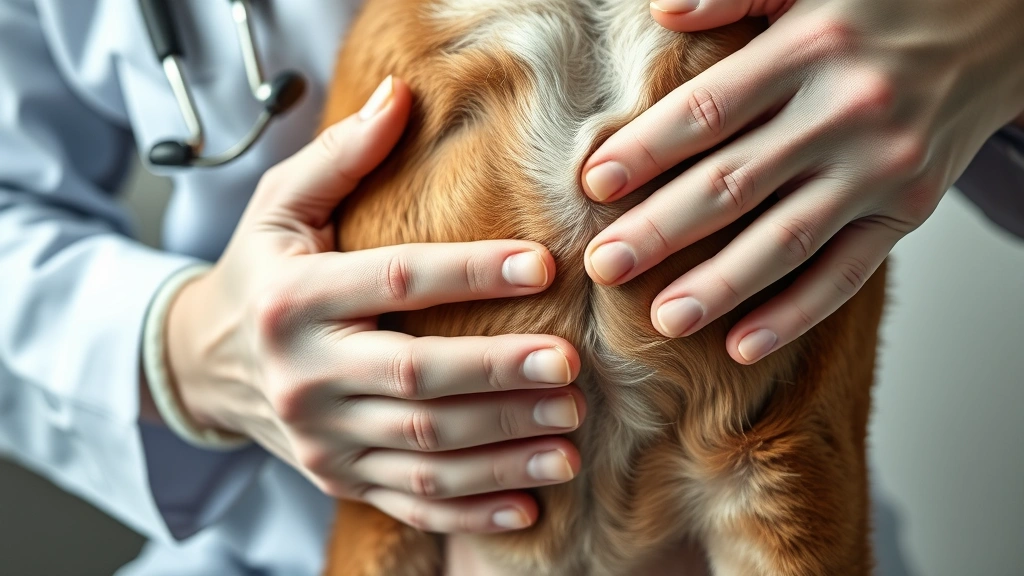
- No bowel movement for more than 72 hours
- Straining excessively or crying while trying to poop
- Hard, pebble-like stools or dry stools with blood
- Lethargy or loss of appetite
- Vomiting or abdominal bloating
- Mucus or blood in stools
- Repeated unsuccessful attempts to defecate
If you’re seeing multiple symptoms, don’t wait. Get your dog to the vet. Intestinal blockages are emergencies, and prolonged constipation can lead to serious complications.
Dietary Solutions: Getting Your Dog’s Gut Happy Again
Before jumping to medications, sometimes simple dietary tweaks can help. Human foods for pets with sensitive stomachs often include fiber-rich options that support healthy digestion.
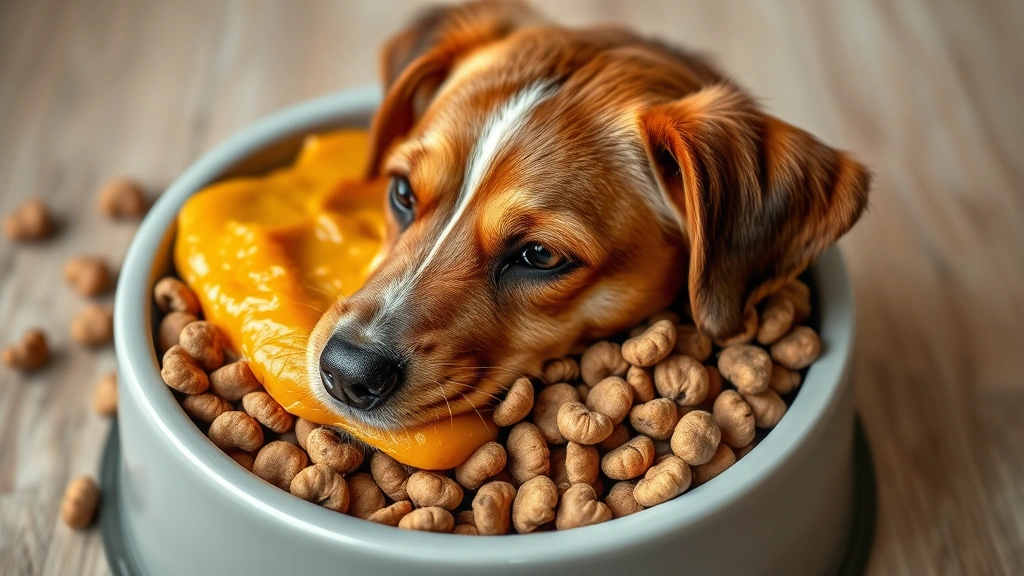
Pumpkin puree (plain, not pie filling) is a classic go-to—the soluble fiber helps regulate bowel movements. A tablespoon or two mixed into your dog’s regular food can work wonders. Sweet potato is another fiber powerhouse. Some vets also recommend adding a bit of bone broth to increase hydration and palatability.
Make sure your dog is drinking plenty of water. If they’re not keen on plain water, try adding a splash of low-sodium broth to encourage drinking. Wet food also increases overall moisture intake, which helps soften stools naturally.
Check out pet dietary restrictions to understand what’s safe and what to avoid, especially if your dog has underlying health conditions.
Exercise and Movement: Nature’s Laxative
Seriously, get your dog moving. A 15-20 minute walk often stimulates bowel movements naturally. The physical activity combined with the stimulation of exploring new smells and terrain gets the digestive system working. If your dog is older or has mobility issues, even gentle, slow walks help.
Play sessions, fetch, or just running around the yard—any activity that gets your pup’s heart rate up can help. Plus, it’s good for their overall health anyway.
When to Call the Vet: Professional Help
Your vet has tools you don’t. They can perform a physical exam, take X-rays to check for blockages, and run bloodwork if needed. They might recommend:

Enemas: A gentle way to help soften and move stool. Vets can do this safely in-clinic.
Medications: Stool softeners, laxatives, or prokinetic agents that help the colon contract properly.
Prescription Diets: Special foods formulated for digestive health if your dog has chronic constipation.
Surgery: Only in severe cases involving blockages or megacolon.
According to the American Kennel Club, any dog showing signs of severe constipation or straining should be evaluated by a veterinarian within 24 hours. Don’t try to tough it out.
Prevention: Keeping Your Dog Regular
The best medicine is prevention. Here’s how to keep your dog’s bowel movements on track:
- Feed a high-quality diet with adequate fiber
- Ensure constant access to fresh water
- Exercise daily—aim for at least 30 minutes
- Avoid sudden diet changes
- Keep toys and hazardous items away from your pup
- Monitor their eating habits and poop consistency
- Regular vet check-ups to catch issues early
If your dog has a history of constipation, talk to your vet about food allergies in pets and whether an elimination diet might help identify triggers.
Age Matters: Puppies vs. Senior Dogs
Puppies have faster metabolisms and poop more frequently—sometimes within 15-30 minutes of eating. This is totally normal. Senior dogs, on the other hand, often have slower digestion and might go longer between bowel movements. However, if your senior dog suddenly changes their poop schedule, that’s worth investigating.
Older dogs are also more prone to constipation due to decreased mobility, reduced water intake, and age-related changes in gut motility. If you’ve got a senior pup, be extra vigilant about hydration and exercise.
The Bottom Line: Trust Your Gut (And Your Vet)
Your dog’s poop is actually a great indicator of overall health. Changes in frequency, consistency, or effort should get your attention. Most cases of mild constipation resolve with increased water, fiber, and exercise. But anything lasting more than 72 hours, or accompanied by other symptoms, deserves a professional opinion.
Remember, vets would rather you call with a “false alarm” than miss something serious. Your dog depends on you to notice when something’s off, and constipation—while sometimes minor—can occasionally signal something more serious. When in doubt, reach out to your vet. They’ve seen it all and can give you peace of mind.
Frequently Asked Questions
Can a dog go 5 days without pooping?
No, five days without a bowel movement is too long and indicates a serious problem. By day three or four, fecal matter becomes increasingly hard and painful to pass. If your dog hasn’t pooped in five days, they need emergency veterinary care immediately to rule out blockages or other complications.

Is it normal for a dog to poop every other day?
It depends on the individual dog. Some healthy adult dogs, especially those eating once daily or with naturally slower digestion, may poop every other day. However, this should be consistent for that dog. If your dog normally poops daily and suddenly shifts to every other day, something’s changed—investigate diet, exercise, and hydration.
What should I do if my dog hasn’t pooped in 48 hours?
First, don’t panic. Try increasing water intake, adding a tablespoon of pumpkin puree to their food, and taking them for longer walks. If there’s no improvement within 24 hours, or if they show signs of discomfort, call your vet. At 48 hours, your dog may need professional intervention.
Can stress cause constipation in dogs?
Absolutely. Anxiety, environmental changes, travel, or even a new pet in the house can disrupt your dog’s digestive system and cause temporary constipation. Once the stressor is removed and your dog settles down, bowel movements usually return to normal. In the meantime, maintain routine and provide comfort.
Is it dangerous if my dog eats their own poop?
This behavior (coprophagia) is gross but usually not dangerous, though it can indicate nutritional deficiencies, boredom, or digestive issues. It’s worth discussing with your vet, especially if it’s a new behavior. Ensure your dog isn’t constipated or having other digestive problems.





