

So, how long can a dog go without eating? The short answer is: most healthy adult dogs can survive 5-7 days without food, but that doesn’t mean they should. Your pup’s ability to skip meals depends on age, health status, metabolism, and whether they have access to water. Let’s dig into what you actually need to know to keep your furry friend thriving.
Table of Contents
- The Basic Timeline: Days Without Food
- Puppies and Senior Dogs: Different Rules Apply
- Health Conditions That Change the Game
- Why Dogs Stop Eating: Common Culprits
- The Danger Zone: Signs Your Dog Needs Immediate Help
- Intentional Fasting: Is It Ever Okay?
- Nutrition Matters: What Dogs Actually Need
- Water: The Real Critical Factor
- Recognizing Healthy vs. Problematic Appetite Changes
- Emergency Preparedness: What If You Can’t Feed Your Dog?
- When to Involve Your Veterinarian
- Food Safety Considerations for Feeding Your Dog
- Frequently Asked Questions
- Summary: The Takeaway on Canine Hunger
The Basic Timeline: Days Without Food
A healthy adult dog can technically survive between 5 to 7 days without eating. However, survival and thriving are two completely different things. Dogs will start experiencing serious metabolic stress after just 48-72 hours without food. Their body begins breaking down muscle tissue and stored fat for energy, which isn’t ideal for maintaining their health and vitality.
The timeline gets murkier when we factor in individual differences. A young, robust Labrador might handle a missed meal better than a senior Chihuahua with pre-existing conditions. Water access becomes absolutely critical—dogs can only survive 3-5 days without water, which is significantly shorter than their food-free timeline.
Puppies and Senior Dogs: Different Rules Apply
Puppies are metabolic little furnaces. These tiny furballs need to eat every 3-4 hours when they’re very young, gradually moving to 3-4 meals daily as they grow. A puppy can only go 4-6 hours without food before their blood sugar drops dangerously low, potentially causing hypoglycemia. That’s why leaving a young pup without food overnight is a recipe for disaster.

Senior dogs present another challenge. Older canines often have slower metabolisms and may be dealing with health issues like diabetes or kidney disease. They typically can’t go as long without food as their younger counterparts, and skipping meals can exacerbate existing health problems. If your senior pup isn’t eating, it’s worth investigating why—it’s often a sign something’s wrong.
Health Conditions That Change the Game
Dogs with certain health conditions have much lower tolerance for food deprivation. A dog with diabetes absolutely cannot skip meals without serious consequences. Their blood sugar regulation is already compromised, and missing food can lead to dangerous glucose fluctuations. Similarly, dogs with liver disease, kidney problems, or heart conditions need consistent nutrition to maintain their health status.
Dogs recovering from surgery or illness also need regular meals to support healing. Underweight dogs have fewer fat reserves to draw from, making them vulnerable faster. If your dog has any pre-existing medical conditions, consult your vet before making any changes to their feeding schedule. Check out our guide on CHF in Dogs to understand how cardiac issues affect nutrition needs.

Why Dogs Stop Eating: Common Culprits
Before we panic about how long your dog can survive without food, let’s talk about why they might refuse meals in the first place. Stress is a major appetite killer—moving to a new home, changes in routine, or loud noises can suppress a dog’s desire to eat. Picky eating is another common reason, especially in small breeds that have learned they can hold out for tastier options.
Medical issues are the serious concern. Dental problems make eating painful, so your dog might avoid food altogether. Gastrointestinal issues, infections, and parasites all affect appetite. Medications can cause nausea or taste changes. If your dog hasn’t eaten for more than 24 hours, it’s time to call your vet. Learn more about nutritional concerns in our article on Food Allergies in Pets.
The Danger Zone: Signs Your Dog Needs Immediate Help
Knowing how long can a dog go without eating is one thing; recognizing when it’s become an emergency is another. If your dog shows lethargy, weakness, vomiting, diarrhea, or excessive drooling alongside not eating, get them to a vet immediately. These symptoms suggest something more serious than just pickiness.

Dehydration is particularly dangerous. A dog refusing food and water is in crisis mode. Rapid weight loss, sunken eyes, and loss of skin elasticity indicate severe dehydration. Uncontrolled vomiting or diarrhea can cause rapid fluid loss—your dog could become critically dehydrated within hours. Don’t wait it out; seek professional help.
Intentional Fasting: Is It Ever Okay?
Some pet owners practice intermittent fasting or skip-day feeding for their dogs, believing it mimics wild canine behavior. While dogs in nature might go days between meals, modern domestic dogs have different digestive systems and metabolic needs. Most veterinarians recommend against intentional fasting without medical guidance.
The only time fasting is appropriate is when your vet specifically recommends it—usually before surgery or certain medical procedures. Even then, it’s a short-term, supervised situation. For healthy weight management, regular exercise and portion control work far better than food deprivation. If you’re concerned about your dog’s weight, check out our resource on Obesity and Human Food Treats.
Nutrition Matters: What Dogs Actually Need
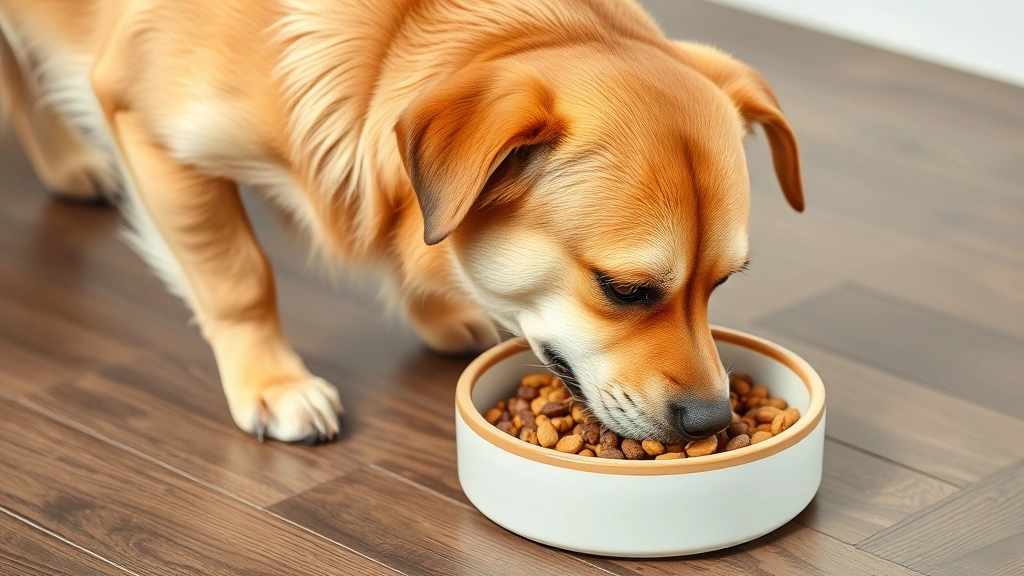
Rather than focusing on how long dogs can survive without food, let’s talk about what they need to actually thrive. Dogs require consistent, balanced nutrition with appropriate proteins, fats, carbohydrates, and essential nutrients. Quality matters—cheap, filler-loaded kibble won’t provide the same nutritional value as premium options.
Feeding schedules matter too. Adult dogs typically do well with one or two meals daily, while puppies and seniors might benefit from more frequent smaller meals. Consistency helps regulate digestion and metabolism. If you’re unsure whether you’re feeding your dog the right amount or type of food, consider our Telehealth Pet Nutrition Consultation service to get professional guidance.
Water: The Real Critical Factor
While we’re discussing how long can a dog go without eating, water deserves special emphasis. Dehydration is far more dangerous than hunger. Dogs can only survive 3-5 days without water, compared to 5-7 days without food. In hot weather, this timeline shrinks dramatically—a dog left in a hot car without water can become critically dehydrated in hours.

Always ensure your dog has access to fresh, clean water. Multiple water bowls throughout your home prevent your pup from being stuck without hydration. If your dog is vomiting or has diarrhea, they’re losing fluids faster and need even more water access. Dehydration can cause organ damage, so this isn’t something to take lightly.
Recognizing Healthy vs. Problematic Appetite Changes
Not every missed meal is a crisis. Dogs sometimes skip meals when they’re not feeling 100%, just like humans. A single missed meal in an otherwise healthy, active dog isn’t necessarily alarming. However, if your dog consistently refuses food, loses weight, or shows other symptoms, investigation is needed.
Pay attention to behavioral changes too. A dog that suddenly becomes disinterested in their favorite treats might be dealing with oral pain, nausea, or depression. These behavioral shifts often precede obvious physical symptoms. Your vet can help determine whether it’s something simple like food boredom or something more serious requiring treatment.

Emergency Preparedness: What If You Can’t Feed Your Dog?
Life happens. Sometimes circumstances prevent you from feeding your dog on schedule—natural disasters, accidents, or unexpected situations. Knowing your dog can survive several days without food is reassuring, but preparation is better. Keep emergency supplies including extra dog food, water, and a manual can opener.
Have a pet emergency plan. Know which local vets are open 24/7. Keep your dog’s medical records accessible. If you’re ever in a situation where you can’t care for your pet, have backup plans—friends, family, or boarding facilities you can contact. For ongoing health monitoring, explore options like Remote Pet Health Monitoring to stay connected with your vet’s guidance.
When to Involve Your Veterinarian
The golden rule: if your dog hasn’t eaten for more than 24 hours, contact your vet. If they haven’t eaten for 48 hours, schedule an appointment or visit an emergency clinic. Don’t assume they’ll “eat when they’re hungry enough”—that’s not how dogs work. They might be dealing with pain, illness, or stress that requires professional intervention.
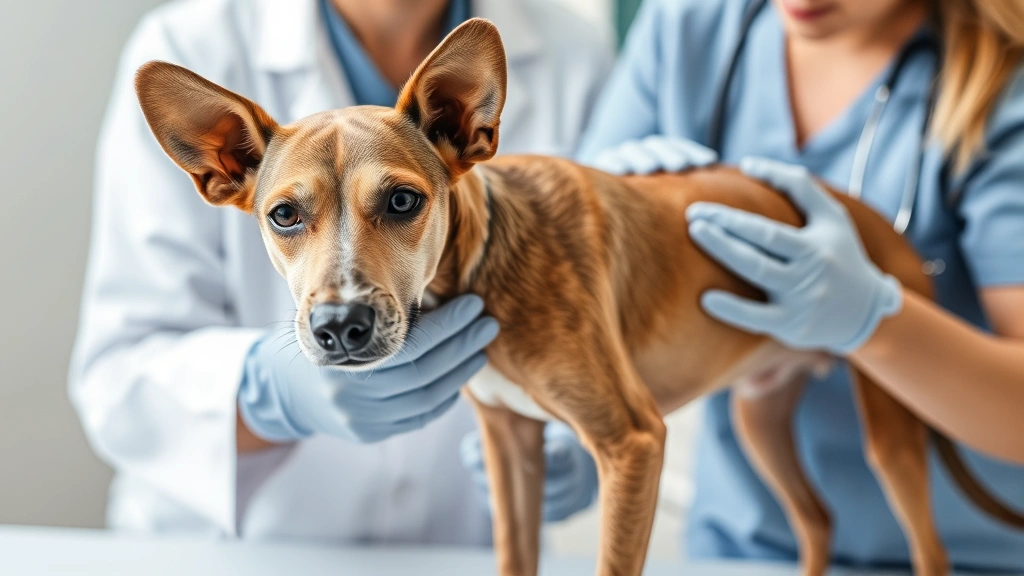
Your vet can run bloodwork, examine your dog’s mouth and abdomen, and determine whether the appetite loss is behavioral or medical. Early intervention often prevents serious complications. Be honest about your dog’s eating habits, any recent changes, and any other symptoms you’ve noticed. This information helps your vet make an accurate diagnosis.
Food Safety Considerations for Feeding Your Dog
While discussing how long can a dog go without eating, let’s also ensure the food you do provide is safe. Spoiled food, toxic ingredients, and contamination are serious concerns. Check out our comprehensive guide on Pet Food Safety to ensure everything you feed your dog is healthy and secure.
Store dog food properly in airtight containers, keep it away from moisture and pests, and follow expiration dates. Don’t feed your dog moldy food, spoiled meat, or anything that smells off. When switching foods, do it gradually over 7-10 days to prevent digestive upset. These practices ensure that when your dog does eat, it’s nourishing rather than harmful.
Frequently Asked Questions
Can a dog go 2 days without eating?
Yes, a healthy adult dog can go 2 days without eating without serious immediate danger, though they’ll start feeling the effects. However, if your dog hasn’t eaten for 24-48 hours, contact your vet to rule out underlying health issues. The longer they go without food, the more their body suffers.
What happens if a dog doesn’t eat for a week?
After a week without food, a dog would be in critical condition. Their body would have depleted glycogen stores and begun breaking down muscle tissue. Organ damage becomes likely, and death becomes a real possibility. This is why extended food deprivation is a serious emergency requiring immediate veterinary intervention.
Is it normal for a dog to skip a meal?
Occasionally skipping a meal isn’t necessarily abnormal, especially if your dog ate a large meal previously or is less active that day. However, consistent meal refusal, especially combined with other symptoms, warrants veterinary evaluation. Don’t ignore patterns of appetite loss.

How long can a puppy go without eating?
Puppies should never go more than 4-6 hours without food. Their bodies are growing rapidly and their blood sugar crashes quickly without regular meals. Young puppies need 3-4 meals daily, gradually reducing to 2 meals as they grow. Skipping meals can cause dangerous hypoglycemia in puppies.
What should I do if my dog won’t eat?
First, rule out obvious issues like food spoilage or bowl cleanliness. Try offering different foods or warming the food slightly to enhance aroma. If your dog still refuses to eat after 24 hours, or if they show other symptoms, contact your vet. Don’t force-feed or panic—calmly gather information and seek professional guidance.
Can dogs survive on water alone?
Dogs cannot survive on water alone long-term. While water is absolutely essential for survival, dogs need nutrients, calories, and specific compounds found in food. They can survive longer without food than without water, but both are necessary for health and survival.

Summary: The Takeaway on Canine Hunger
So, how long can a dog go without eating? Technically, 5-7 days for a healthy adult dog, but this is survival, not thriving. Most dogs start experiencing serious metabolic stress after just 48-72 hours without food. The real answer is: your dog shouldn’t have to go without eating, period.
Focus on prevention rather than survival timelines. Ensure consistent, quality nutrition, fresh water access, and regular vet checkups. If your dog stops eating, investigate why rather than waiting to see how long they can last. Early intervention prevents complications and keeps your pup healthy and happy. When in doubt, contact your veterinarian—that’s what they’re there for, and your dog’s wellbeing is worth the call.





