
How long can a dog go without urinating? Most healthy adult dogs can hold their bladder for 6-8 hours, though some can stretch it to 10-12 hours in a pinch. But here’s the thing—just because they *can* doesn’t mean they *should*. Your pup’s ability to hold it depends on age, health, diet, and individual metabolism, and regularly forcing them to hold it can lead to serious urinary tract infections and other complications.
Table of Contents
- The Normal Urination Schedule for Dogs
- Factors That Affect How Long Dogs Can Hold Their Bladder
- Maximum Duration: The Science Behind Bladder Holding
- Signs Your Dog Needs a Bathroom Break
- Puppy Bladder Control: A Special Case
- Senior Dogs and Urination Frequency
- Medical Conditions That Affect Bladder Capacity
- The Dangers of Holding It Too Long
- Practical Tips for Managing Your Dog’s Bathroom Schedule
- When to Seek Veterinary Help
- Frequently Asked Questions
- The Bottom Line
The Normal Urination Schedule for Dogs
Let’s start with what’s actually normal. Adult dogs typically urinate 3-5 times per day, with most peeing around 4 times daily. Puppies? They’re basically tiny furry water fountains—expect 8-12 bathroom breaks daily because their bladders are the size of peas and they have zero impulse control. Senior dogs often need more frequent breaks too, sometimes 6-8 times daily, because their bladder control isn’t what it used to be.
The timing varies based on when they eat, drink water, and their overall routine. Most dogs develop a predictable schedule pretty quickly, which is why housetraining works so well when you stick to consistent feeding times.
Factors That Affect How Long Dogs Can Hold Their Bladder
Not all dogs are created equal when it comes to bladder capacity. Several variables influence how long your dog can actually go without peeing.
Age matters tremendously. Puppies under 12 weeks old can typically only hold it for 1-2 hours. Between 3-6 months, they might manage 3-4 hours. By 6 months to a year, they’re getting closer to adult capacity. Once they hit adulthood (around 1-2 years), most dogs can hold it for 6-8 hours comfortably.
Size and breed play a role too. Smaller dogs generally have smaller bladders and may need more frequent breaks than large breed dogs. A Chihuahua might need to go out every 4-5 hours, while a Great Dane could potentially stretch it longer—though that doesn’t mean you should test their limits.
Health status is critical. Dogs with urinary tract infections, diabetes, kidney disease, or Cushing’s syndrome may need to urinate much more frequently. If your dog suddenly starts needing bathroom breaks every 1-2 hours when they previously went 6-8 hours, that’s a red flag to contact your vet. A virtual pet checkup can help you assess whether this is a behavioral issue or something medical.
Diet and water intake directly impact bladder frequency. Dogs eating wet food consume more moisture than those on dry kibble, leading to more frequent urination. Similarly, if your dog drinks excessive water, they’ll need more bathroom breaks. Some dogs drink more in hot weather or when stressed.
Medications can influence bladder control. Certain medications increase urination frequency. If your dog is on new medication and suddenly needs more breaks, that’s usually normal and temporary.
Maximum Duration: The Science Behind Bladder Holding
Here’s where we get into the nitty-gritty. A healthy adult dog’s bladder can physically hold urine for about 10-12 hours maximum, but that’s the absolute ceiling—not a recommendation. Think of it like how humans can technically go 24 hours without urinating, but it’s miserable and potentially harmful.
When a dog holds urine too long, several problems develop. The urine becomes more concentrated, creating an environment where bacteria thrive. This leads to urinary tract infections, which are uncomfortable and can escalate to bladder infections or kidney issues. Chronically holding urine can also cause bladder stones and permanent damage to the bladder lining.
Additionally, regularly forcing your dog to hold it can actually weaken their bladder muscles over time, making incontinence more likely as they age. It’s a vicious cycle you want to avoid.
Signs Your Dog Needs a Bathroom Break
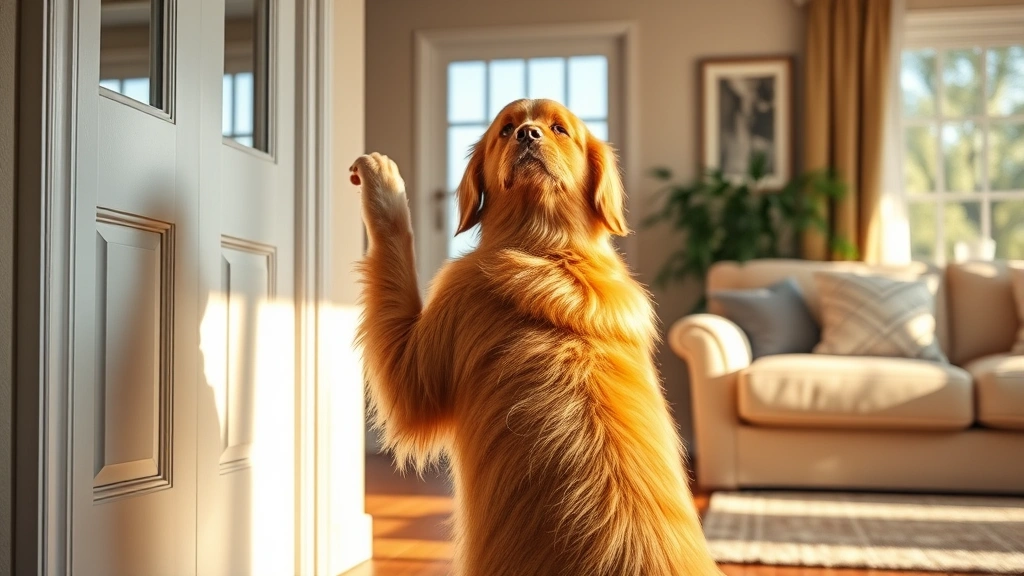
Your dog will give you plenty of signals when nature calls. Circling, whining, pacing, sniffing around, scratching at the door, and general restlessness are classic signs. Some dogs do a little dance or stare at you intensely. Learn your individual dog’s signals—they’re usually consistent.
If your dog starts having accidents in the house after being housetrained, that’s often a sign they’ve been holding it too long or there’s an underlying medical issue. Don’t punish them; instead, increase their bathroom break frequency and consider a vet visit to rule out infections or other problems.
Puppy Bladder Control: A Special Case
Puppies are a completely different ballgame. Their bladders are tiny, their sphincter muscles aren’t fully developed, and they have zero impulse control. A general rule is that puppies can hold their bladder for one hour per month of age, plus one. So a 2-month-old puppy can hold it about 3 hours, a 3-month-old about 4 hours.
This is why housetraining takes patience. You’re not dealing with a stubborn dog; you’re dealing with a dog whose body literally can’t hold it longer than their physical capacity allows. Expecting a 2-month-old puppy to go 6 hours without peeing is like expecting a toddler to have adult bladder control—it’s just not developmentally possible.
Senior Dogs and Urination Frequency
Aging affects bladder control significantly. Senior dogs (typically 7+ years, depending on breed) often need more frequent bathroom breaks. This isn’t laziness or bad behavior—it’s a natural consequence of aging. Their bladder muscles weaken, their kidney function may decline, and they often develop conditions like incontinence or diabetes that increase urination frequency.
If your senior dog suddenly needs to go out every 2-3 hours when they previously managed 8, that warrants a vet visit. It could be normal aging, but it could also indicate a medical issue that needs addressing.
Medical Conditions That Affect Bladder Capacity
Several health issues can dramatically change your dog’s urination patterns. Urinary tract infections are the most common culprit—infected dogs often need to urinate frequently and may have accidents. Diabetes causes excessive thirst and urination. Kidney disease, Cushing’s syndrome, and bladder stones all affect how often dogs need to pee.
If your dog’s bathroom habits change suddenly or significantly, that’s your cue to visit the vet. These aren’t behavioral issues; they’re medical signals. A pet telehealth consultation can be a quick first step to determine if an in-person exam is necessary.
The Dangers of Holding It Too Long
Regularly forcing your dog to hold urine creates real health risks. Urinary tract infections are the most common consequence—bacteria thrive in stale urine. These infections are painful and can spread to the kidneys if untreated.
Bladder stones can develop from chronic urine retention and concentrated urine. These are painful and sometimes require surgery to remove. Bladder damage and weakening of the bladder muscles can lead to chronic incontinence, making your dog leak urine involuntarily.
There’s also the behavioral impact. Dogs who are regularly forced to hold it may develop anxiety around bathroom situations or start having accidents indoors despite being housetrained. This creates stress for both dog and owner.
If your dog has experienced a traumatic event like being locked in a crate for extended periods, they may develop lasting anxiety and bladder control issues. This is why crate training should always include appropriate potty breaks.
Practical Tips for Managing Your Dog’s Bathroom Schedule
Establish a consistent routine. Dogs thrive on predictability, and a regular schedule helps their body develop a rhythm. Feed at the same times, take potty breaks at the same times, and your dog will naturally regulate their bladder.
Provide fresh water throughout the day—dehydration is unhealthy. You don’t need to restrict water; just manage the schedule around increased water intake.
If you work long hours, consider hiring a dog walker or using doggy daycare for midday breaks. Many dogs simply can’t hold it 8+ hours while you’re at work, and that’s okay. Asking them to is setting them up for failure and health problems.
For dogs with medical issues affecting urination frequency, work with your vet. Sometimes dietary changes, supplements, or medications can help. If your dog needs appetizing foods for pets on medication, consult your vet about options that won’t interfere with their treatment.
Monitor your dog’s urine output and color. Normal dog urine should be pale yellow. Dark, concentrated urine suggests dehydration or that they’re holding it too long. If you notice changes, that’s worth discussing with your vet.
When to Seek Veterinary Help
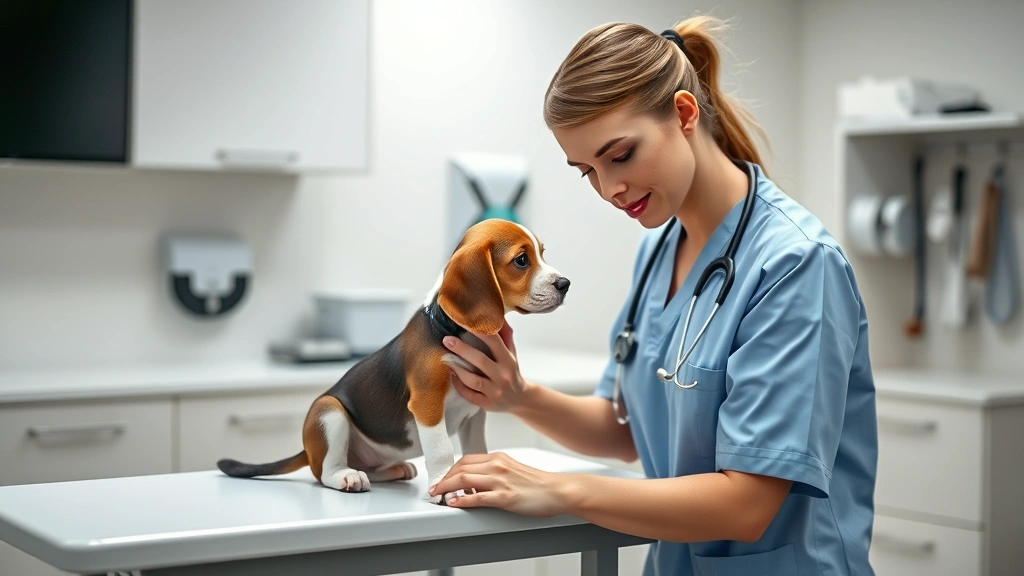
Contact your vet if your dog suddenly starts urinating more or less frequently, has accidents indoors after being housetrained, shows signs of pain during urination, has blood in their urine, or seems to strain when trying to pee. These could indicate urinary tract infections, bladder stones, diabetes, kidney disease, or other serious conditions.
If your dog has been unable to urinate for more than 12-24 hours, that’s an emergency. Urinary blockages are life-threatening and require immediate veterinary attention. If your dog seems to be in pain, straining unsuccessfully to urinate, or showing signs of distress, don’t wait—get them to an emergency vet immediately.
Frequently Asked Questions
Can dogs go 24 hours without urinating?
Technically, a healthy adult dog can physically hold urine for 24 hours, but it’s not safe or healthy. Doing so regularly causes urinary tract infections, bladder damage, and other complications. Even occasionally forcing a dog to go 24 hours without urinating is stressful on their system.
Is it normal for my dog to hold their pee all night?
Yes, it’s normal for adult dogs to hold their bladder through the night (typically 8-10 hours) if they’ve had appropriate bathroom breaks before bed. Puppies and senior dogs may need midnight breaks. If your adult dog suddenly can’t hold it overnight, that’s worth investigating with your vet.
What if my dog refuses to pee outside?
This could be behavioral (anxiety, distraction) or medical (UTI causing discomfort). Try going to the same spot, using a command, and rewarding heavily when they go. If they seem to be straining or in pain, contact your vet. Sometimes dogs refuse to pee because it hurts.
How often should I take my dog out to pee?
Adult dogs typically need 3-5 bathroom breaks daily. Puppies need 8-12. Senior dogs often need 6-8. The best approach is a consistent schedule aligned with meals and activity. Most dogs do well with breaks first thing in the morning, midday, evening, and before bed.
Can dehydration affect how long a dog can hold their bladder?
Yes. Dehydrated dogs produce less urine, so they may appear to hold it longer. However, dehydration is unhealthy and can cause kidney problems. Always ensure your dog has access to fresh water. The goal isn’t to minimize urination through dehydration; it’s to maintain healthy hydration.
Is it bad if my dog pees more than usual?
Increased urination can indicate several things: diet changes, increased water intake, hot weather, stress, medication side effects, or medical issues like diabetes or UTIs. If the increase is sudden and significant, contact your vet to rule out health problems.
The Bottom Line
So, how long can a dog go without urinating? While most healthy adult dogs can technically hold their bladder for 6-8 hours (and up to 10-12 in emergencies), that doesn’t mean they should regularly. Your dog’s health depends on appropriate, frequent bathroom breaks tailored to their age, size, health status, and individual needs.
Puppies need frequent breaks because their bodies can’t hold it. Senior dogs need more breaks because their bladders weaken. Dogs with medical issues need flexibility because their bodies are working differently. And all dogs deserve the dignity of not being forced into uncomfortable situations.
The best approach is establishing a consistent routine, monitoring your dog’s individual signals, and adjusting as needed. If your dog’s bathroom habits change suddenly, that’s a sign to consult your vet. Most urinary issues are easily treated when caught early, but they become serious problems when ignored.
Your dog can’t tell you when they need to pee except through behavior and body language. Listen to those signals, respect their needs, and you’ll have a healthier, happier dog—and fewer accidents on your carpet.





