
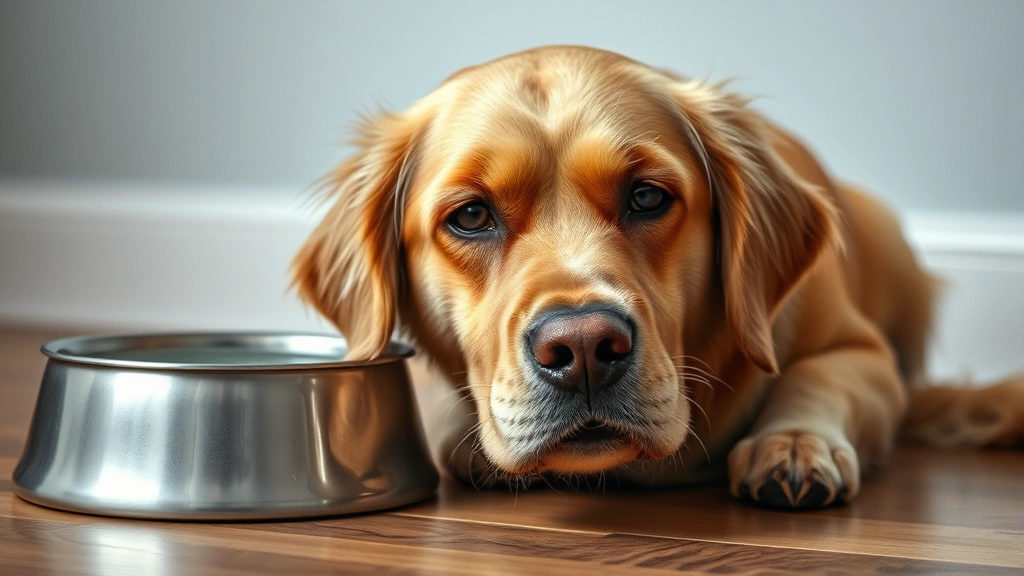
How long can a dog survive without water? This is one of those questions that keeps responsible pet owners up at night, and honestly, it’s a question worth asking. Unlike food, which dogs can go weeks without, water is a whole different ballgame. Your furry best friend can’t last nearly as long without H2O, and understanding the timeline could literally save their life.
Table of Contents
- The Quick Answer: Timeline for Canine Dehydration
- Why Water Matters More Than Food for Dogs
- Factors That Affect How Long Dogs Can Go Without Water
- Signs Your Dog is Becoming Dehydrated
- The Skin Turgor Test: Your Quick Dehydration Check
- What Happens to Your Dog’s Body During Dehydration
- Preventing Water Deprivation: Best Practices
- Special Situations: Travel, Emergencies, and Accidents
- Water Quality Matters Too
- When to Seek Emergency Veterinary Care
- Frequently Asked Questions
- Summary: Keeping Your Dog Hydrated and Healthy
The Quick Answer: Timeline for Canine Dehydration
Dogs can typically survive between 3 to 5 days without water, though some sources suggest the absolute maximum is around 7 days under ideal conditions. However, here’s the thing—just because they *can* survive that long doesn’t mean they should. After just 48 hours without water, your dog will start experiencing serious health complications. Most vets will tell you that permanent organ damage can begin within 72 hours, which is why this isn’t a situation to test out or take lightly.
The exact timeframe depends on several factors we’ll dig into, but the bottom line is simple: your dog needs fresh water every single day, multiple times a day.
Why Water Matters More Than Food for Dogs
Your dog’s body is roughly 60-70% water. Think about that for a second. That’s more water than anything else in their system. Water regulates body temperature, aids digestion, cushions joints, protects organs, and helps with nutrient absorption. Without it, everything starts shutting down.
While dogs can survive 3-4 weeks without food (though they’ll be miserable), they can only go days without water because dehydration affects every single system in their body simultaneously. It’s not gradual—it’s a cascade of failures.
Factors That Affect How Long Dogs Can Go Without Water
Not all dogs are created equal when it comes to water survival. Several variables dramatically impact the timeline:
Size and Weight: Smaller dogs dehydrate faster than larger ones. A Chihuahua will be in serious trouble much quicker than a Great Dane. Their smaller body mass means less water reserves to draw from.
Age and Health Status: Puppies and senior dogs are especially vulnerable. Puppies haven’t developed efficient water regulation yet, while seniors often have underlying health issues that complicate dehydration. Dogs with kidney disease, diabetes, or other conditions are at even greater risk.
Activity Level and Environment: A dog running around in a 95-degree summer day will dehydrate exponentially faster than one lounging in an air-conditioned house. Exercise increases water loss through panting and metabolism.
Diet Type: Dogs eating dry kibble need more water than those eating wet food or raw diets. Kibble contains only about 10% moisture, while canned food is 75% water. This is important to remember when considering pet diet transition advice for your pup.
Overall Health: A healthy dog will hold out longer than one dealing with illness, fever, or diarrhea—all conditions that increase water loss.
Signs Your Dog is Becoming Dehydrated
You don’t need to wait until day 5 to know something’s wrong. Your dog will show you clear warning signs much earlier. Learn to spot these red flags:
Early Signs (First 24 Hours): Excessive panting, dry nose and gums, lethargy, and loss of appetite are your first clues. The gums should be moist and pink—if they feel sticky or tacky, that’s dehydration talking.
Moderate Signs (24-48 Hours): Sunken eyes, loss of skin elasticity (try the skin turgor test—pull the skin on their shoulder and see if it snaps back), reduced urination, and increased lethargy. Your dog might seem confused or uncoordinated.
Severe Signs (48+ Hours): Extreme lethargy or collapse, rapid/weak pulse, cold extremities, pale gums, and potential organ failure. At this point, you’re in emergency territory and need a vet immediately.
The Skin Turgor Test: Your Quick Dehydration Check
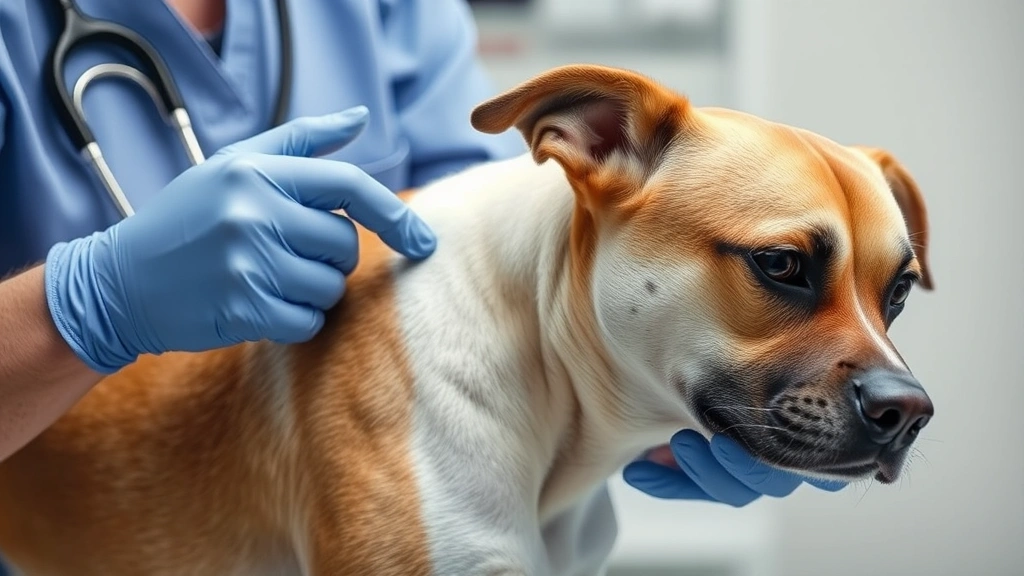
Here’s a practical skill every dog owner should master. Gently pull the skin on your dog’s shoulder or neck upward. In a well-hydrated dog, the skin snaps back immediately. In a dehydrated dog, the skin stays tented for several seconds before slowly returning to normal. This simple test can alert you to problems before things get critical.
What Happens to Your Dog’s Body During Dehydration
Understanding the science helps explain why dehydration is so serious. When your dog stops drinking water, their body prioritizes survival by redirecting available water to vital organs. Blood volume decreases, which reduces oxygen delivery to tissues. Kidney function declines rapidly because kidneys need water to filter waste. Electrolyte imbalances develop, affecting heart rhythm and nerve function.
By day 2-3, your dog’s organs are literally beginning to fail. The gastrointestinal tract suffers, the brain swells, and shock becomes imminent. This is why emergency vets can administer IV fluids—they’re essentially giving your dog’s organs a fighting chance to recover.
Preventing Water Deprivation: Best Practices
The good news? This is entirely preventable. Here’s how to keep your dog properly hydrated:
Fresh Water Access: Your dog should have access to clean, fresh water 24/7. Change the water at least twice daily, and more often in hot weather. Some dogs prefer running water (consider a water fountain), while others like it still.
Multiple Water Stations: If you have a multi-level home or large space, place water bowls in different locations. Your dog should never have to search hard for water.
Hydration During Exercise: When you’re playing, hiking, or training, bring water along. Offer small amounts frequently rather than one huge bowl after activity.
Monitor Intake: Pay attention to how much your dog drinks. A general rule is about 1 ounce per pound of body weight daily, though this varies. A 50-pound dog should drink roughly 50 ounces (about 1.5 liters) daily.
Water in Food: Incorporating wet food or adding water/broth to kibble increases overall water intake. This is especially helpful for dogs who don’t drink enough or for senior dogs with swallowing issues.
Special Situations: Travel, Emergencies, and Accidents
Life happens. Your dog might get locked in a garage, left in a car, or separated from water during travel. If your dog has been without water, here’s what to do:
Don’t panic-water them immediately, but do it slowly. Offering huge amounts of water at once can cause vomiting or gastric distress. Give small amounts every 15-20 minutes. Watch for signs of shock or organ stress. If your dog has been without water for more than 24 hours, contact your vet even if they seem okay—internal damage might not be immediately obvious.
For travel, always pack water and collapsible bowls. For emergencies, know where 24-hour emergency vets are located in your area. During natural disasters, keep extra water stored for your pets just like you would for yourself.
Water Quality Matters Too
It’s not just about quantity—quality counts. Stagnant water, contaminated water, or water treated with excessive chemicals can make your dog sick or discourage drinking. If you’re concerned about your tap water, consider a pet-safe water filter. Some dogs are picky and prefer filtered or bottled water.
If your dog has been exposed to contaminated water or you suspect poisoning, check out our telehealth advice for pet poisoning resource for guidance. Additionally, understanding pet food safety includes recognizing that water safety is equally important.
When to Seek Emergency Veterinary Care
Don’t wait. Contact an emergency vet if your dog:
Has been without water for more than 24 hours, shows signs of dehydration (sunken eyes, tacky gums, lethargy), has collapsed or seems in shock, isn’t urinating or is urinating very little, or seems confused or uncoordinated. Dehydration can progress rapidly, and IV fluid therapy can be life-saving when administered early enough.
If you’re unsure whether your situation warrants emergency care, call your vet or an emergency clinic anyway. They can assess over the phone and advise you. It’s always better to be safe, and most vets would rather you call with a false alarm than lose a patient to preventable dehydration.
For additional guidance on health concerns, our online vet advice for food reactions service can help you navigate various pet health issues quickly.
Frequently Asked Questions
Can a dog drink too much water?
Yes, though it’s rare. Water intoxication (hyponatremia) can occur if a dog drinks excessive amounts in a short period, diluting electrolytes dangerously. This typically happens during intense water play or if a dog compulsively drinks. Normal drinking behavior isn’t a concern—your dog’s thirst mechanism is generally reliable.
Is bottled water better than tap water for dogs?
Not necessarily. Most municipal tap water is safe for dogs. If you’re concerned about quality, a simple water filter works fine. Bottled water is fine too, but unnecessary for most dogs. Consistency matters more than type—just make sure it’s fresh and available.
Do dogs need water at night?
Adult dogs can typically go through the night without water, especially if they’ve had adequate intake during the day. However, puppies, seniors, and dogs with certain health conditions may need water access at night. If you’re crate training, consider a water bowl in the crate or a bedside option.
What about dogs that don’t drink enough?
If your dog seems to drink very little, talk to your vet. Some dogs simply don’t drink as much as others, but chronic low intake can lead to urinary tract issues and kidney problems. Adding wet food, using a water fountain, or slightly warming water can encourage drinking. Certain medications and health conditions also affect thirst.
Can ice cubes count toward hydration?
Technically yes, but they’re not ideal as a primary water source. Many dogs enjoy ice cubes as treats, and they do provide some hydration, but they melt slowly and don’t encourage the same drinking response as liquid water. Use them as supplements, not replacements.
Summary: Keeping Your Dog Hydrated and Healthy
How long can a dog survive without water? The answer is sobering—only 3 to 7 days, with serious damage beginning much sooner. But here’s the empowering part: this is entirely preventable. By ensuring your dog has constant access to fresh, clean water and monitoring their hydration status, you eliminate this risk entirely.
Your dog depends on you to keep them hydrated, especially during hot weather, exercise, or illness. Watch for those early warning signs, keep water bowls filled and accessible, and don’t hesitate to contact your vet if you have concerns. A few seconds spent refilling a water bowl is infinitely better than an emergency vet visit or worse.
Make hydration a non-negotiable part of your daily pet care routine. Your dog will thank you with years of healthy, happy companionship.





