
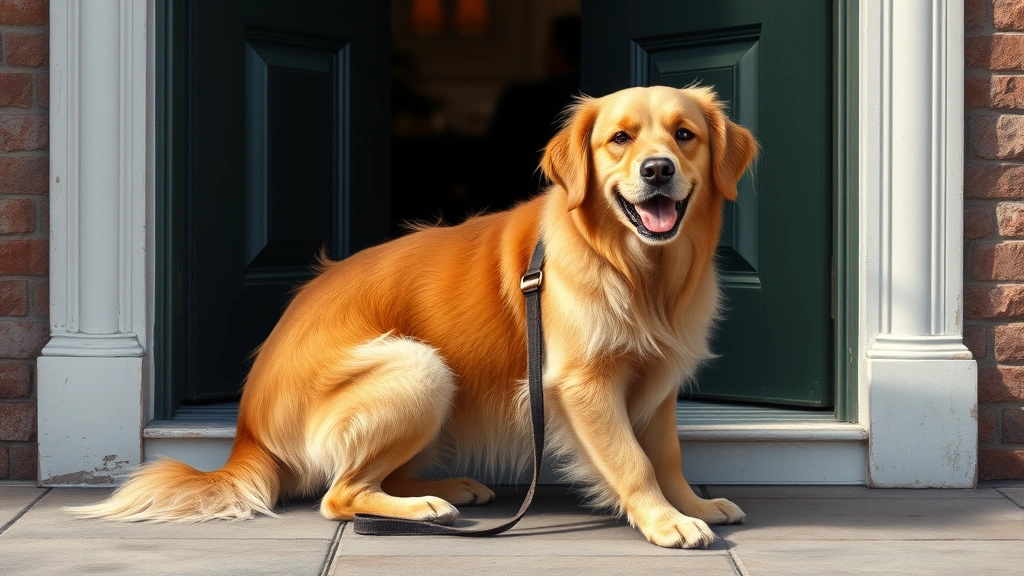
So you’re wondering how long can dog hold bladder – maybe you’re stuck at work, planning a road trip, or just curious about your pup’s plumbing. The short answer? It depends on age, health, and whether your dog has been practicing advanced meditation techniques (spoiler: they haven’t). Let’s dive into the nitty-gritty of canine bladder capacity and what it means for your daily life with your furry friend.
Table of Contents
- The General Rule: Age Matters Most
- Puppy Bladder Control: The Impossible Task (Not Really)
- Adult Dogs and Their Bladder Capacity
- Senior Dogs: The Frequent Flyers
- Factors That Affect Bladder Holding Time
- The Dangers of Holding It Too Long
- Training Your Dog for Better Bladder Control
- Road Trips and Extended Outings
- When to Worry: Signs of Bladder Problems
- Frequently Asked Questions
- Summary: The Bladder Bottom Line
The General Rule: Age Matters Most
Here’s the golden rule that vets love to throw around: puppies can hold their bladder for approximately one hour per month of age, plus one. So a three-month-old puppy? That’s about four hours max. A six-month-old? Six to seven hours. Adult dogs typically can hold it for 6-8 hours, though some well-trained specimens might stretch that to 10-12 hours in a pinch. Senior dogs, bless their hearts, often need more frequent bathroom breaks – sometimes every 4-6 hours.
But here’s the thing nobody tells you: just because your dog CAN hold it doesn’t mean they SHOULD. Regularly forcing your pup to hold their bladder for extended periods is like asking you to skip bathroom breaks all day – technically possible, but absolutely miserable and potentially harmful.
Puppy Bladder Control: The Impossible Task (Not Really)
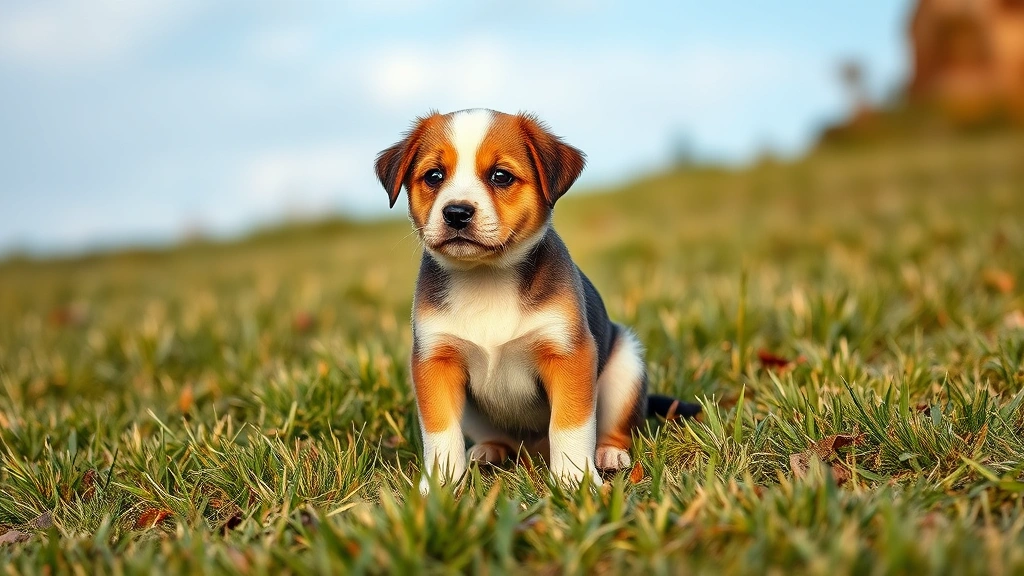
If you’ve ever had a puppy, you know the struggle is real. Those tiny furballs have bladders the size of a chickpea and absolutely zero chill about using them. Young puppies under 12 weeks old might need to go out every 1-2 hours during the day. It’s exhausting, but it’s also completely normal.
The good news? Their bladder capacity grows rapidly. By 4-6 months, most puppies can hold it for 4-6 hours. By 6-12 months, you’re looking at 6-8 hours. The bad news? Housetraining requires patience, consistency, and accepting that accidents will happen. Check out our guide on puppy safe human foods to ensure you’re feeding them right during this critical development phase.
Adult Dogs and Their Bladder Capacity
Once your dog hits adulthood (around 1-2 years old, depending on breed), their bladder capacity stabilizes. Most healthy adult dogs can comfortably hold their urine for 6-8 hours. Some particularly stoic specimens might manage 10-12 hours, but that’s the exception, not the rule.
The thing is, just because your adult dog CAN hold it all day while you’re at work doesn’t mean it’s ideal. Regular bathroom breaks are important for several reasons: they prevent urinary tract infections, reduce stress, and honestly, they just make your dog happier. Imagine being stuck in a meeting for 12 hours without a bathroom break – your dog feels the same way.
Senior Dogs: The Frequent Flyers
As dogs age, their bladder control becomes less reliable. Senior dogs (typically 7+ years old, depending on breed) often experience decreased bladder capacity and control. You might notice your elderly companion needs to go out more frequently – sometimes every 4-6 hours instead of their usual 8-hour stretch.
This isn’t laziness or spite; it’s biology. Senior dogs may have kidney issues, diabetes, or other conditions affecting their bladder function. If your older dog suddenly needs more frequent bathroom breaks, it’s worth chatting with your vet. Learn more about when to call the vet about food and other health concerns.
Factors That Affect Bladder Holding Time
Age isn’t the only player in the bladder game. Several factors influence how long your dog can hold it:
Size Matters: Larger dogs typically have larger bladders and can hold urine longer than small breeds. A Great Dane might manage 8-10 hours, while a Chihuahua might max out at 4-6 hours.
Health Conditions: Urinary tract infections, diabetes, kidney disease, and incontinence issues can dramatically reduce bladder capacity. If your dog suddenly needs more bathroom breaks, it’s time for a vet visit.
Diet and Hydration: Dogs that drink more water will need more bathroom breaks – shocking, I know. High-fiber diets can also increase bathroom frequency. Check out our resource on high fiber human foods for pets to understand how diet affects your dog’s bathroom habits.
Medications: Certain medications can increase urination frequency. If your dog starts needing more breaks after starting a new medication, mention it to your vet.
Anxiety and Stress: Nervous dogs often need more frequent bathroom breaks. If your pup is anxious about being alone, they might have accidents even if they technically have bladder capacity.
The Dangers of Holding It Too Long
Here’s where we get serious for a moment. Regularly forcing your dog to hold their bladder for extended periods can lead to several health issues:
Urinary Tract Infections (UTIs): Urine sitting in the bladder for too long creates the perfect environment for bacteria to thrive. UTIs are uncomfortable, painful, and potentially serious if left untreated.
Bladder Stones: Chronic urine retention can contribute to the formation of bladder stones, which are about as fun as they sound.
Incontinence: Over time, repeatedly holding urine can weaken bladder muscles, leading to involuntary leakage. Your senior dog didn’t suddenly become incontinent – you might have trained them that way.
Kidney Damage: In extreme cases, chronic bladder retention can stress the kidneys and lead to long-term damage.
The bottom line? Your dog’s comfort and health should take priority over your convenience. If you’re regularly leaving your dog alone for 10+ hours, it’s time to rethink your schedule or hire a dog walker.
Training Your Dog for Better Bladder Control
While you can’t magically expand your dog’s bladder, you can train them to have better control. Here’s how:
Establish a Routine: Take your dog out at consistent times – first thing in the morning, before bedtime, and after meals. Dogs are creatures of habit, and a predictable schedule helps them develop better control.
Reward Success: When your dog uses the bathroom outside, throw a mini celebration. Treats, praise, the whole nine yards. Positive reinforcement works wonders.
Be Patient with Accidents: Accidents happen, especially with puppies and seniors. Never punish your dog for indoor accidents; it just creates anxiety and makes training harder.
Limit Water Before Bed: If your dog has nighttime accidents, try limiting water intake an hour or two before bedtime. But make sure they have access to water during the day – dehydration is not the answer.
Road Trips and Extended Outings
Planning a long road trip? Here’s the deal: stop every 2-3 hours to let your dog pee, even if they don’t seem desperate. Use these breaks to stretch, sniff some grass, and reset their bladder clock.
For really long drives, consider bringing absorbent pads or a portable dog potty system. Some dogs travel better than others, and there’s no shame in being prepared. If your dog gets anxious during car rides, our pet telehealth services can connect you with a vet who can discuss anti-anxiety options.
When to Worry: Signs of Bladder Problems
Keep an eye out for these red flags that suggest your dog might have bladder issues:
– Sudden increase in bathroom frequency or accidents indoors
– Straining to urinate or producing very small amounts
– Blood in urine
– Excessive licking of the genital area
– Signs of pain during urination (whimpering, reluctance)
– Inability to control bladder despite being housetrained
If you notice any of these signs, schedule a vet appointment. Bladder issues are usually treatable, but early intervention is key.
Frequently Asked Questions
Can dogs hold their bladder overnight?
Most adult dogs can hold their bladder overnight (8 hours), especially if they’ve had a bathroom break before bed. Puppies and seniors might struggle with this. If your adult dog consistently has nighttime accidents, it’s worth mentioning to your vet – it could indicate a health issue.

How often should I take my dog out to pee?
Puppies: every 1-2 hours during the day, plus after meals and playtime. Adult dogs: at least 3-4 times daily (morning, midday, evening, before bed). Senior dogs: 4-6 times daily, or more as needed. The exact frequency depends on your dog’s age, health, and individual needs.
Is it normal for my dog to pee more frequently?
Not necessarily. Increased urination can indicate diabetes, UTIs, kidney disease, or other health issues. If your dog’s bathroom habits suddenly change, get them checked out by a vet. Don’t assume it’s just normal aging without professional input.
Can I train my dog to hold their bladder longer?
To some extent, yes. Consistent routines, positive reinforcement, and patience can help your dog develop better bladder control. However, you can’t train them beyond their physical capacity. A puppy still has a puppy-sized bladder, no matter how well-trained they are.
What’s the longest a healthy dog should hold their bladder?
For most healthy adult dogs, 8-10 hours is reasonable. Going beyond 12 hours regularly is asking for trouble and increases the risk of UTIs and other bladder issues. Your dog’s comfort matters more than your schedule.
Summary: The Bladder Bottom Line
So, how long can dog hold bladder? The answer depends on age (puppies: 1 hour per month of age plus one; adults: 6-8 hours; seniors: 4-6 hours), health, size, and individual factors. But here’s what really matters: just because your dog CAN hold it doesn’t mean they SHOULD.
Prioritize your dog’s comfort and health by providing regular bathroom breaks. Establish a consistent routine, watch for signs of bladder problems, and don’t hesitate to consult your vet if something seems off. Your dog can’t tell you they’re uncomfortable – it’s up to you to be their advocate.
Remember, a happy dog is one whose bladder isn’t bursting. So get out there, take your pup for frequent potty breaks, and enjoy the excuse to spend more time with your favorite furry friend.





