
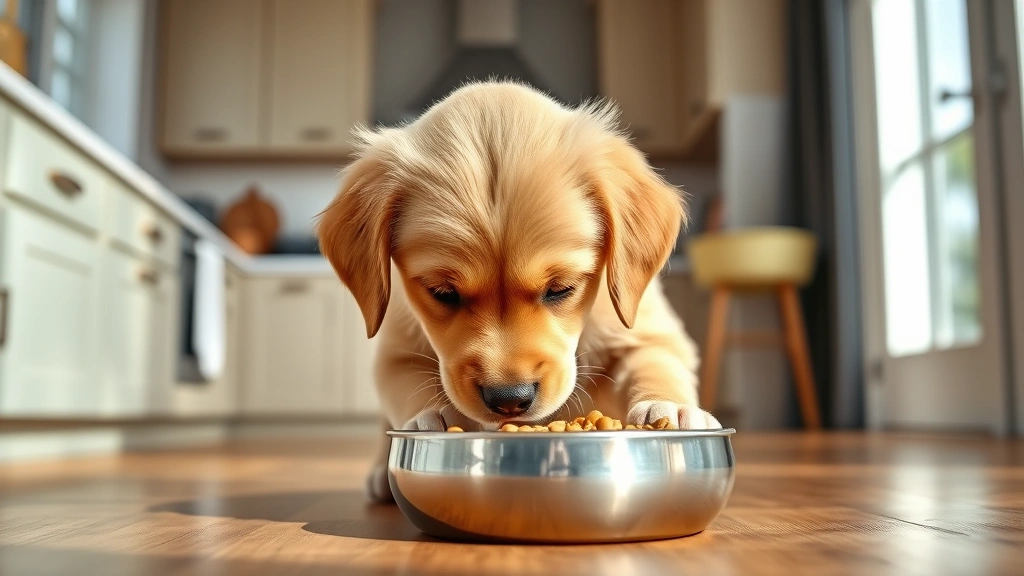
So you’ve brought home an adorable furball and you’re wondering how long do dogs eat puppy food—great question! This is one of those things that trips up a lot of new dog parents, and honestly, it’s not as straightforward as you’d think. The answer depends on your pup’s breed size, growth rate, and individual development. Let’s dig into this because feeding your dog the right nutrition at the right time is absolutely crucial for their health and happiness.
Table of Contents
- Understanding Puppy Nutritional Needs
- Small Breed Puppies: The Quick Growers
- Medium Breed Puppies: The Steady Developers
- Large Breed Puppies: The Slow and Steady Winners
- Giant Breed Puppies: The Patient Growers
- Signs Your Puppy Is Ready to Transition
- The Transition Process: Doing It Right
- Choosing the Right Adult Food
- Special Considerations for Mixed Breeds
- Common Mistakes to Avoid
- When to Consult Your Veterinarian
- Frequently Asked Questions
- Summary: Getting the Timing Right
Understanding Puppy Nutritional Needs
Puppies aren’t just tiny versions of adult dogs—they’re basically furry growth machines running on overdrive. During their first year, puppies need significantly more calories, protein, and fat than adult dogs because their bodies are building bones, muscles, organs, and that beautiful coat. Puppy formulas are specifically designed with the right balance of nutrients to support this explosive growth phase. If you feed an adult formula to a growing pup, you’re essentially undernourishing them, which can lead to developmental issues down the road.
The nutritional composition of puppy food typically includes higher levels of DHA (for brain development), calcium and phosphorus (for bone growth), and protein (for muscle development). This is why it’s not just a marketing gimmick—puppy food is genuinely different from adult dog food.
Small Breed Puppies: The Quick Growers
Here’s where things get interesting. Small breed puppies (think Chihuahuas, Yorkshire Terriers, and Pomeranians) mature much faster than their larger cousins. Most small breed puppies reach their adult size by around 9-12 months of age. Some even stop growing by 8 months! This means you can typically transition them to adult food around 9-12 months. However, some toy breeds might benefit from staying on puppy food until they’re 12-18 months old, especially if they’re prone to hypoglycemia or other health issues. Always chat with your vet about the specific timing for your tiny companion.
The reason small breeds grow so quickly is pure biology—they have less body mass to build, so they reach their full potential faster. It’s like the difference between filling a water glass versus filling a bathtub.
Medium Breed Puppies: The Steady Developers
Medium breed puppies (Beagles, Cocker Spaniels, Border Collies) typically need puppy food for about 12 months. These pups are still growing significantly during their first year, but not as rapidly as toy breeds. The general rule of thumb is to switch to adult food around their first birthday, but again, this can vary. Some medium breeds might benefit from staying on puppy formulas until 14-16 months, particularly if they’re still showing signs of active growth.
Medium breeds are kind of the Goldilocks zone of dog breeding—not too fast, not too slow. This makes them a bit easier to manage nutritionally compared to the extremes of toy and giant breeds.
Large Breed Puppies: The Slow and Steady Winners
Large breed puppies (Labs, Golden Retrievers, German Shepherds) are a whole different ballgame. These gentle giants need puppy food for longer—typically 12-18 months, sometimes even up to 24 months depending on the breed. Why? Because large breeds grow more slowly and steadily, and they’re prone to developmental orthopedic disease (DOD) if they grow too fast. Large breed puppy formulas are specifically formulated with controlled levels of calcium and phosphorus to promote steady, healthy bone development.
Feeding a large breed puppy adult food too early can actually cause serious skeletal problems like hip dysplasia and elbow dysplasia. This is one area where you absolutely don’t want to cut corners. Your vet might recommend keeping your large breed pup on puppy food well into their second year.
Giant Breed Puppies: The Patient Growers
Giant breed puppies (Great Danes, Saint Bernards, Mastiffs) are the marathoners of the puppy world. These colossal cuties can take 18-24 months to reach their full adult size. Many vets recommend keeping giant breed puppies on specially formulated giant breed puppy food for the entire first year, and potentially longer depending on growth rates. Giant breed puppy formulas are even more carefully balanced than large breed formulas because these pups are especially susceptible to growth-related joint problems.
Giant breed puppies also need to eat smaller, more frequent meals to prevent bloat, which is a serious concern in deep-chested breeds. The nutritional management of giant breed puppies is genuinely complex, so definitely work closely with your veterinarian on this one.
Signs Your Puppy Is Ready to Transition
Beyond the general timeline, there are behavioral and physical signs that indicate your puppy might be ready for adult food. Look for slowed growth (they’re not gaining weight as rapidly), reduced appetite, and reaching their breed’s expected adult size. You can also check your pup’s body condition—if they’re looking a bit pudgy on puppy food, it might be time to switch. Your vet can assess body condition and give you the green light for transitioning.

Don’t just go by age alone. Some puppies develop faster or slower than their breed average, and individual variation is totally normal. This is where your veterinarian becomes your best friend—they can track your specific pup’s growth curve and recommend the perfect transition timing.
The Transition Process: Doing It Right
When you do decide to switch from puppy to adult food, don’t go cold turkey (pun intended). A gradual transition over 7-10 days prevents digestive upset and gives your pup’s system time to adjust. Start by mixing about 25% adult food with 75% puppy food for the first 2-3 days, then 50/50 for another 2-3 days, then 75% adult with 25% puppy for 2-3 days, and finally 100% adult food. Watch for any signs of digestive distress like diarrhea or vomiting, and slow down the transition if needed.
Some puppies have sensitive tummies, and rushing the transition can lead to unpleasant bathroom situations. Patience during this phase saves you from cleaning messes and keeps your pup’s gut happy.
Choosing the Right Adult Food
Once your puppy graduates to adult food, you’ll want to choose a formula appropriate for their size and activity level. If your pup was on large breed puppy food, transition them to large breed adult food, not regular adult food. The nutritional balance matters, even after they’ve finished growing. Check out our guide on vet approved human foods for pets to understand what supplements might complement their diet.
Look for foods with high-quality protein sources, appropriate fat levels, and minimal fillers. Read those ingredient lists! Your dog’s long-term health depends on the nutrition you provide during and after the puppy phase.
Special Considerations for Mixed Breeds
Mixed breed puppies can be tricky because you might not know their exact adult size until they’re mostly grown. A good rule of thumb: if you’re unsure, err on the side of keeping them on puppy food longer. It’s better to keep them on puppy food a bit too long than to switch too early. You can also do a DNA test if you’re curious about their likely adult size, though this isn’t essential. Your vet can also make educated guesses based on paw size, growth rate, and other factors.
Mixed breeds are awesome, but they definitely require a bit more detective work when it comes to nutrition planning.
Common Mistakes to Avoid
One huge mistake is switching to adult food too early based on weight alone. A puppy might reach 50 pounds at 6 months, but that doesn’t mean their bones are done developing. Another mistake is overfeeding during the puppy stage—yes, puppies need more calories, but overfeeding can accelerate growth too quickly and cause skeletal problems, especially in large breeds. Follow the feeding guidelines on your puppy food based on your pup’s current weight and age.
Also, avoid mixing different puppy foods constantly. While some variety is okay, constantly switching brands can cause digestive upset. If you need to change foods, do it gradually and for a good reason (your pup’s health, availability, etc.), not just because you saw a shiny new bag at the pet store.
When to Consult Your Veterinarian
If your puppy isn’t growing as expected, seems lethargic, has a dull coat, or shows signs of digestive issues, it’s time for a vet visit. Poor growth or signs of nutritional deficiency need professional attention. Similarly, if your large or giant breed puppy shows signs of joint pain or lameness, get them checked out immediately—these could indicate developmental issues related to nutrition or growth rate.
Your vet should be your partner throughout the puppy phase. Schedule growth checks and nutritional consultations, especially for large and giant breed puppies. This investment in preventive care pays dividends in your dog’s long-term health.
Frequently Asked Questions
Can I feed my puppy adult dog food?
Not ideally. While adult dog food won’t poison your puppy, it lacks the proper balance of nutrients (especially calcium, phosphorus, and protein) that growing puppies need. Puppies fed adult food may not develop properly, leading to skeletal issues and other health problems. Always use a formula specifically designed for puppies during the growth phase.
How much puppy food should I feed my dog daily?
Feeding amounts depend on your puppy’s age, weight, and the specific food brand. Most puppy food bags include feeding guidelines based on weight and age. Generally, puppies eat 3-4 times daily when young (8 weeks to 3-4 months), then transition to 2-3 times daily until around 6 months, and finally to twice daily feeding. Check the packaging and your vet’s recommendations for your specific pup. For more information on portion control, see our guide on human food portion sizes for pets.
What if my puppy refuses to eat adult food?
Some puppies can be picky! Try mixing the new adult food gradually with their puppy food, as mentioned in the transition section. You can also try warming the food slightly or adding a small amount of broth to make it more appealing. If your puppy refuses to eat for more than a day or two, consult your vet—there might be an underlying health issue.
Is grain-free puppy food better?
This is debated among veterinarians. While grain-free foods can work for some puppies, recent research has linked some grain-free diets to heart problems in dogs. The safest bet is to choose a high-quality puppy food (grain-inclusive or grain-free) that meets AAFCO standards and has been approved by your veterinarian. Don’t assume grain-free is automatically better.
Can I make homemade puppy food?
Homemade puppy food is possible, but it’s incredibly challenging to get the nutritional balance right. Puppies need very specific ratios of calcium, phosphorus, protein, and other nutrients. If you want to go the homemade route, work with a veterinary nutritionist to create a balanced recipe. Most vets recommend commercial puppy foods because they’re formulated to meet strict nutritional standards. Check out our puppy safe human foods guide for appropriate additions to commercial food.
Should I feed my puppy treats while on puppy food?
Yes, treats are fine and important for training! However, treats should make up no more than 10% of your puppy’s daily caloric intake. The remaining 90% should come from their regular puppy food. If you’re giving lots of treats, reduce the amount of regular food accordingly to prevent overfeeding and obesity.
Summary: Getting the Timing Right
So, how long do dogs eat puppy food? The answer is: it depends on your dog’s breed and size. Small breeds typically transition at 9-12 months, medium breeds at 12 months, large breeds at 12-18 months, and giant breeds at 18-24 months. The key is to work with your veterinarian to monitor your individual puppy’s growth and development, then make the transition gradually when the time is right.
Puppyhood is a critical developmental window, and proper nutrition during this phase sets the foundation for a healthy, happy adult life. Don’t rush the transition, don’t skimp on quality, and always consult your vet when in doubt. Your puppy’s future self will thank you for getting this right.
For additional concerns about dietary restrictions or health-related feeding questions, our guide on pet dietary restrictions and when to call the vet about food can provide extra insights. Happy puppy raising!





