
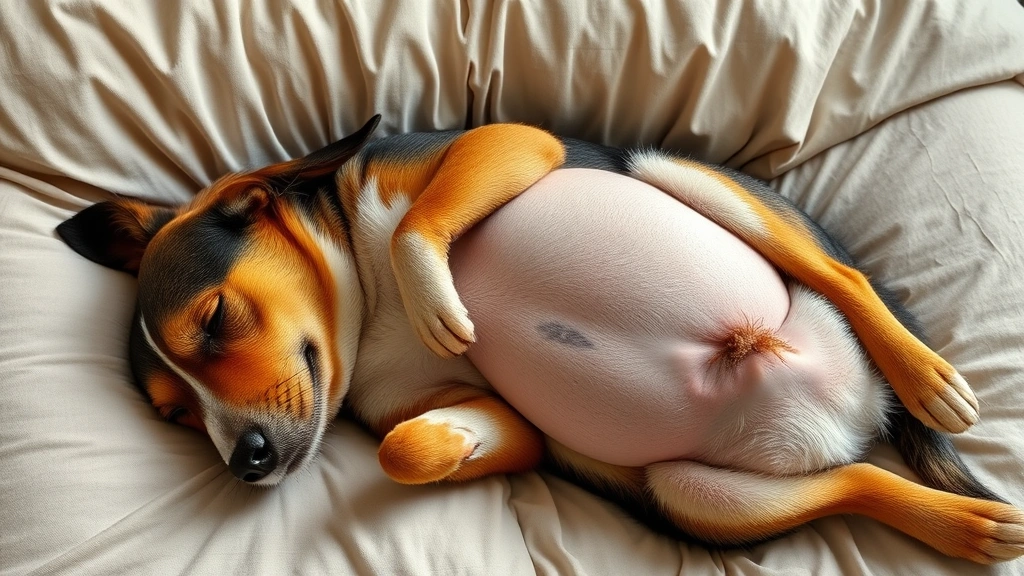
So you’ve got a pregnant pup on your hands, and you’re wondering how long do dogs stay pregnant? The answer is refreshingly straightforward: about 63 days, or roughly nine weeks. But hold up—there’s way more to this pregnancy journey than just counting calendar days. Let’s dive into what actually happens during canine gestation, because spoiler alert, it’s pretty wild.
Table of Contents
- The Basic Timeline: How Long Is Dog Pregnancy?
- Understanding Canine Gestation Stages
- Early Signs Your Dog Might Be Pregnant
- Nutritional Needs During Pregnancy
- Veterinary Care and Monitoring
- Physical Changes Throughout Pregnancy
- Behavioral Changes and Nesting Instincts
- Signs Labor Is About to Begin
- When to Call the Vet: Emergency Signs
- Preparing for Delivery Day
- After Delivery: Postpartum Care
- Frequently Asked Questions
- Summary: The Dog Pregnancy Journey
The Basic Timeline: How Long Is Dog Pregnancy?
When we talk about dog pregnancy duration, we’re looking at an average of 58 to 68 days from conception. Most vets will tell you to expect puppies around day 63, which is why that nine-week mark gets thrown around so much. But here’s the kicker—dogs don’t always cooperate with our timelines. Some pregnancies wrap up at 58 days, while others stretch to 70 days and everyone’s still perfectly healthy.
The tricky part? Most dog owners don’t know the exact conception date. Unless you’re a breeder with meticulous records, pinpointing day one is basically impossible. This is why your vet becomes your best friend during pregnancy—they can help narrow down the timeline through physical exams and ultrasounds.
Understanding Canine Gestation Stages
Dog pregnancy isn’t just one long waiting game. It’s divided into three distinct stages, each with its own drama and development milestones. Think of it like a three-act play, except the finale involves tiny puppies instead of curtain calls.
Stage One (Days 1-30): This is the sneaky phase. Fertilized eggs travel to the uterus and embed themselves. Your dog probably won’t show any obvious signs she’s pregnant yet. She might be a tiny bit more tired or less interested in food, but honestly, you could miss it entirely. Some dogs get morning sickness during this period—yes, really. It’s not fun for them or you.
Stage Two (Days 30-45): Now things get visible. The puppies’ skeletons start forming, and your dog’s belly begins expanding. You might notice her nipples darkening and enlarging. Her appetite usually increases, which is when those puppy safe human foods become relevant for supplemental nutrition. She’ll probably start showing more obvious pregnancy behaviors—nesting, restlessness, and generally acting like she’s got something important on her mind.
Stage Three (Days 45-63): The home stretch. Puppies are nearly fully developed, and your dog knows it. She’s uncomfortable, probably waddling around like she’s got a bowling ball under her belly, and definitely ready for this whole thing to be over. This is when you need to be extra vigilant about her health and nutrition.
Early Signs Your Dog Might Be Pregnant
Before you even know for sure, your dog might start dropping hints. The earliest indicators usually appear around week two to three of pregnancy. She might become clingy, tired, or develop food aversions. Some dogs get picky about their regular food—ironic, considering they’re about to need more calories than ever.
Behavioral changes often precede physical ones. You might notice your dog seeking out quiet spaces, becoming more protective of her belly, or displaying what we call “nesting behavior.” She’ll rearrange blankets, dig at bedding, and generally act like she’s preparing for the biggest event of her life. Because, well, she is.
Nipple enlargement and darkening is usually one of the most reliable early signs. If you know what your dog’s nipples normally look like, you’ll definitely notice when they change. Some dogs even start producing milk days before delivery, which is nature’s way of saying, “Get ready, it’s happening soon.”
Nutritional Needs During Pregnancy
A pregnant dog isn’t eating for two—she’s eating for potentially ten or twelve. Her caloric needs increase significantly, especially during the second half of pregnancy. By the end of gestation, she might need 25-50% more calories than her normal maintenance diet.
Quality matters enormously here. High-protein diets are essential for fetal development. Most vets recommend switching to a high-quality puppy formula or pregnancy-specific dog food during the second trimester. This isn’t the time for budget kibble or table scraps.
Calcium and phosphorus become critical nutrients during this period. These minerals are essential for skeletal development in puppies and maintaining your mom-dog’s health. Improper mineral balance can actually cause serious complications, which is why human foods for weight management in pets should be approached cautiously—pregnancy isn’t the time to restrict calories or nutrition.
Hydration is often overlooked but absolutely crucial. Pregnant dogs need constant access to fresh water. As pregnancy progresses and the uterus takes up more space, she might drink more frequently but in smaller amounts.
Veterinary Care and Monitoring
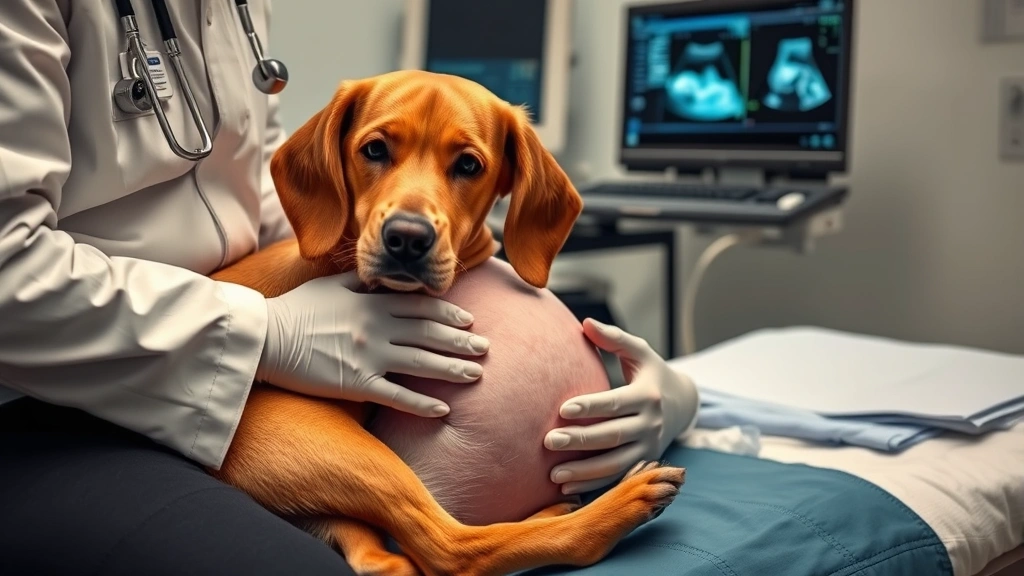
Regular vet checkups during pregnancy aren’t optional—they’re essential. Your veterinarian can confirm pregnancy, estimate litter size, and monitor for complications. Ultrasounds typically happen around day 25-30 to confirm pregnancy and around day 45-50 to assess fetal development.
X-rays are usually taken in the final week of pregnancy to count puppies and assess their size relative to the pelvic canal. This helps predict whether your dog can deliver naturally or might need a cesarean section. It’s not invasive, and it provides invaluable information.
According to the American Kennel Club (AKC), regular prenatal care reduces complications significantly. Your vet should monitor for signs of infection, nutritional deficiencies, and structural problems that could affect delivery.
Physical Changes Throughout Pregnancy
Your dog’s body transforms dramatically over those 63 days. Early on, the changes are subtle—maybe a slightly rounder face or fuller body. By week four or five, her belly becomes noticeably larger. By week eight, she looks like she’s swallowed a basketball.
Her gait changes. That confident walk becomes more of a waddle. She’ll move more slowly, tire more easily, and probably spend more time lying down. This is completely normal. Her center of gravity has shifted, and she’s literally carrying extra weight everywhere.
Mammary gland development is obvious by week six. Her breasts enlarge and may begin producing colostrum—that first nutrient-rich milk that puppies need. Some dogs leak milk before delivery, which can be messy but is perfectly normal.
Weight gain is inevitable and necessary. Expect her to gain 25-50% of her normal body weight, depending on litter size. A dog normally weighing 50 pounds might gain 15-25 pounds during pregnancy. This isn’t fat—it’s puppies, amniotic fluid, and the placental tissue necessary to support them.
Behavioral Changes and Nesting Instincts
As delivery approaches, behavioral changes intensify. Your dog becomes restless, pacing and unable to get comfortable. She’ll dig at blankets and bedding obsessively, trying to create the perfect nest. This nesting behavior typically begins a few days before labor and is one of the most reliable signs that delivery is imminent.
Some pregnant dogs become clingy, wanting constant reassurance from their owners. Others become withdrawn and antisocial, preferring solitude. Both responses are normal. She’s preparing mentally and physically for one of the most demanding experiences of her life.
Appetite often decreases in the final days of pregnancy. This is actually helpful—a lighter stomach makes labor easier. However, if she stops eating more than 24 hours before expected delivery, mention it to your vet.
Signs Labor Is About to Begin
The final countdown has specific markers. Temperature drop is the most reliable indicator. A dog’s normal temperature is around 101-102.5°F. During labor, it drops to 98-99°F. If you’ve been monitoring her temperature (and honestly, you should be in the final week), you’ll see this dramatic drop 12-24 hours before contractions begin.
Vaginal discharge becomes apparent in the hours before labor. It’s usually clear or slightly bloody—nothing alarming, just nature’s way of preparing the birth canal. Straining or abdominal contractions indicate active labor has begun.
Loss of the mucus plug is another sign. This thick, jelly-like substance seals the cervix during pregnancy. When it passes, labor is typically imminent. You might not see it, but you might notice increased vaginal discharge.
When to Call the Vet: Emergency Signs
While most dog pregnancies proceed without incident, certain signs demand immediate veterinary attention. Prolonged labor without producing a puppy after two hours of active straining is a red flag. Excessive bleeding, green discharge before the first puppy, or a foul-smelling discharge all warrant emergency care.
If your dog seems to be in severe pain, is lethargic, or stops eating and drinking entirely during pregnancy, call your vet. Difficulty breathing, collapse, or seizures are emergencies requiring immediate professional help.
According to PetMD, complications like eclampsia (a calcium deficiency condition) can develop quickly and become life-threatening. This is why when to call the vet about food and nutrition becomes critical during pregnancy.
Your vet should provide you with clear guidelines about what constitutes an emergency. Don’t hesitate to call—better safe than sorry when it comes to your dog’s health and her puppies’ safety.
Preparing for Delivery Day
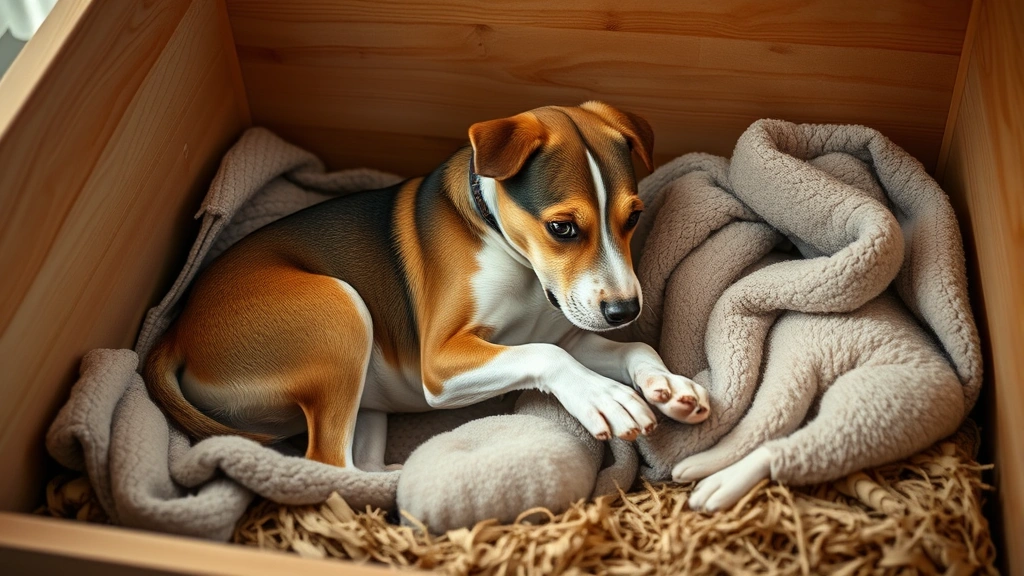
By week eight, you should have a delivery plan in place. Set up a quiet, comfortable whelping area with clean blankets, newspaper for easy cleanup, and access to fresh water. Many breeders use large boxes or kiddie pools as whelping areas—something contained but spacious enough for mama and babies.
Have your vet’s emergency number readily available. Know where the nearest 24-hour emergency vet clinic is located. Have supplies ready: clean towels, bulb syringe for clearing puppy airways, iodine for umbilical cord care, and a scale for weighing newborns.
Most importantly, prepare yourself emotionally and mentally. Watching your dog give birth is intense. Some puppies arrive quickly and easily; others require assistance. Having realistic expectations helps you stay calm, which keeps your dog calm.
After Delivery: Postpartum Care
Once puppies arrive, your job isn’t finished—it’s just shifting focus. Mama dog needs excellent nutrition, constant access to water, and monitoring for complications. Mastitis (infected mammary glands) and eclampsia can develop after delivery.
Puppies need monitoring too. They should nurse within the first few hours, and mama should be attentive and protective. Most dogs are naturally excellent mothers, but some need guidance and support.
Frequently Asked Questions
Can a dog be pregnant for longer than 70 days?
Yes, but it’s uncommon and potentially concerning. While pregnancies can occasionally extend to 70+ days without issues, anything beyond that warrants veterinary evaluation. Prolonged pregnancy can indicate problems with fetal development or positioning that might require intervention.
How many puppies do dogs usually have?
Litter size varies enormously depending on breed, age, and individual genetics. Small breeds might have 1-4 puppies, while large breeds can have 8-12 or more. Your vet can estimate litter size through ultrasound, though the estimate isn’t always perfectly accurate.
Can you feel puppies moving during pregnancy?
Yes, especially in the final weeks. You might feel subtle movements or kicks if you gently place your hand on her belly. By week seven or eight, puppies are large enough that their movements are sometimes visible from across the room.
Is it safe to exercise a pregnant dog?
Moderate, gentle exercise is fine and actually beneficial throughout most of pregnancy. Short walks and light play are encouraged. However, avoid strenuous exercise, jumping, or rough play, especially in the final weeks. Let your dog set the pace—she’ll naturally slow down as pregnancy progresses.
What should a pregnant dog eat?
High-quality puppy formula or pregnancy-specific dog food is ideal. The diet should be high in protein (25-30%) and fat (15-20%). Avoid sudden diet changes, and consult your vet about supplementation. Some dogs need additional calcium and phosphorus, but over-supplementation can be harmful.
How long after conception do pregnancy symptoms appear?
Physical symptoms typically appear around week 3-4, though behavioral changes might occur earlier. Confirmed diagnosis through ultrasound is usually possible by day 25-30 after conception.
Summary: The Dog Pregnancy Journey
So, to circle back to our original question: how long do dogs stay pregnant is about 63 days on average, though the range of 58-70 days is completely normal. This nine-week journey involves dramatic physical and behavioral changes, significant nutritional demands, and preparation for one of nature’s most incredible events.
The key to a successful pregnancy is partnership with your veterinarian, attention to nutrition, and careful monitoring throughout gestation. Every dog and every pregnancy is unique, so what matters most is staying alert to your individual dog’s needs and timeline.
From that first moment of conception through delivery day, your pregnant dog is undertaking an amazing biological feat. Your job is to support her through it with good food, veterinary care, and plenty of patience. Before you know it, those 63 days will pass, and you’ll be welcoming a litter of adorable puppies into the world.





