
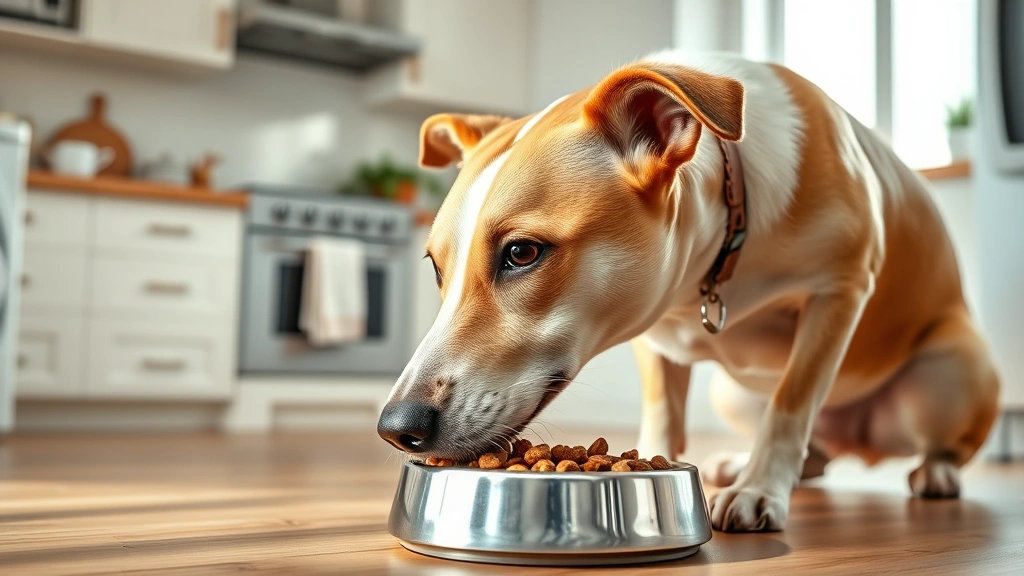
So you’re wondering how long will a dog survive without food? Well, buckle up, because the answer isn’t as straightforward as you might hope, and it definitely depends on several factors that would make a veterinarian’s head spin. The short answer? Most healthy adult dogs can survive between 5-7 days without food, but that doesn’t mean you should test this theory on your furry best friend. Let’s dig into the nitty-gritty details that actually matter.
Table of Contents
- The Basic Timeline: Days Without Food
- Factors That Influence Survival Time Without Food
- What Happens to Your Dog’s Body Without Food
- Signs Your Dog Is Suffering From Food Deprivation
- Water: The Non-Negotiable Element
- Breed-Specific Considerations
- Medical Complications After Prolonged Fasting
- What About Dogs on Medication?
- Preventing Food Deprivation Emergencies
- When Should You Contact Your Veterinarian?
- Frequently Asked Questions
- Conclusion: The Bottom Line on Dog Survival Without Food
The Basic Timeline: Days Without Food
Here’s the reality check: a typical, healthy adult dog can survive approximately 5 to 7 days without eating. However—and this is a BIG however—this timeline assumes your pup still has access to water. Without water? We’re talking 3-5 days max before things get really serious. The human body can last about 3 weeks without food but only days without water, and dogs operate on a similar principle, though their metabolism is faster and more demanding.
Think of it this way: your dog’s body is like a high-performance sports car. It needs fuel constantly to keep running smoothly. Skip a few meals, and the engine starts sputtering. Skip more, and you’re heading toward a breakdown.
Factors That Influence Survival Time Without Food
Not all dogs are created equal, and neither is their ability to go without grub. Several critical factors determine how long your specific pup can actually make it:
Age matters tremendously. Puppies and senior dogs are far more vulnerable than young adults. A 3-month-old puppy might struggle after just 24-48 hours, while a healthy 5-year-old might push toward that 7-day mark. Senior dogs (10+ years) fall somewhere in between but lean toward the vulnerable side.
Body condition and weight play a huge role too. A chubby Labrador with extra reserves can theoretically last longer than a lean Greyhound. Dogs with more body fat have stored energy reserves, but don’t use this as an excuse to overfeed your pup—obesity brings its own health nightmares.
Overall health status is absolutely critical. A dog with diabetes, kidney disease, or gastrointestinal issues will deteriorate much faster than a completely healthy dog. This is why when to call the vet about food concerns becomes so important—pre-existing conditions change everything.
Metabolism and activity level determine how quickly your dog burns through energy. A Border Collie herding sheep all day needs way more calories than a Bulldog napping on the couch. Active dogs deplete their energy reserves faster and won’t last as long without food.
What Happens to Your Dog’s Body Without Food
This is where things get genuinely concerning. When your dog stops eating, their body doesn’t just politely wait around for the next meal. Here’s the ugly biological truth:
During the first 24-48 hours, your dog’s body taps into glycogen stores (the stored glucose in muscles and liver). Your pup might seem okay, maybe a bit sluggish or less interested in play, but they’re burning through emergency fuel.
By day 3-4, those glycogen reserves are depleted, and the body starts breaking down muscle tissue and fat for energy. This is called catabolism, and it’s not gentle. Your dog’s metabolism shifts into survival mode. They’ll feel weaker, more lethargic, and their immune system starts taking hits.
Days 5-7 are where serious complications emerge. Organ function begins to decline. The liver, kidneys, and heart are working overtime trying to keep your dog alive on fumes. Electrolyte imbalances develop. Blood sugar crashes. Organ damage becomes real, and some of this damage might be permanent even after you start feeding your dog again.
Signs Your Dog Is Suffering From Food Deprivation
Don’t wait until day 5 to notice something’s wrong. Watch for these warning signs much earlier:
Behavioral changes happen first—lethargy, depression, lack of interest in toys or walks. Your normally bouncy pup becomes a couch potato.
Physical symptoms include visible ribs becoming more prominent, dry or dull coat, sunken eyes, and a general appearance of being unwell. Your dog might have bad breath (from ketosis), and their gums might look pale.
Digestive issues are common when dogs finally eat again after prolonged fasting. This is why bland diet recipes for sick pets become your new best friend during recovery.
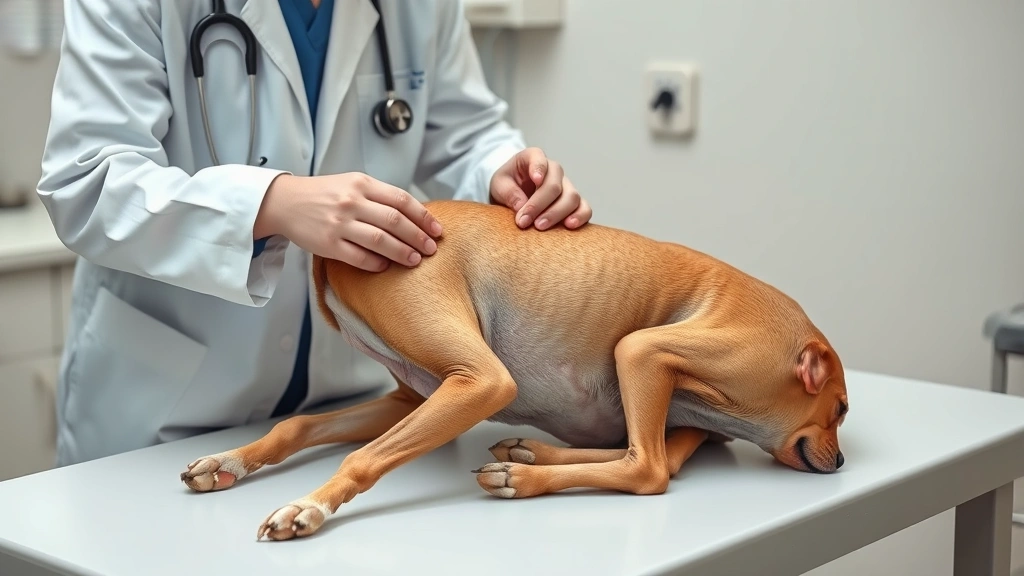
Vomiting or diarrhea can develop, especially if your dog eats something questionable while hungry or if their digestive system has been irritated by the fasting period.
Water: The Non-Negotiable Element
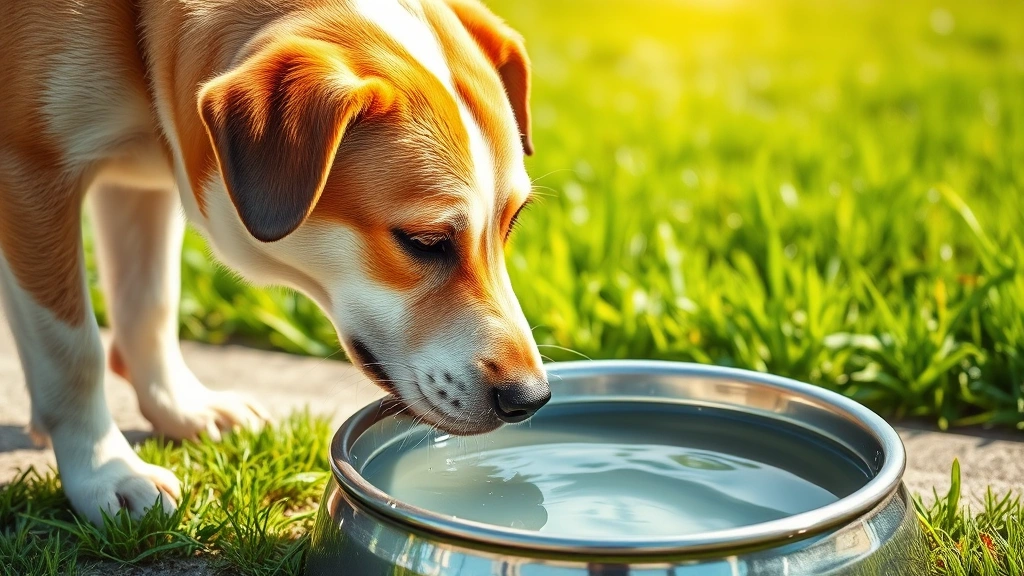
Here’s something crucial that separates the “surviving” from the “thriving”: water access changes everything. A dog can last maybe 3-5 days without water, compared to 5-7 days without food. This is why dehydration is often more immediately dangerous than starvation.
If your dog doesn’t have water access, organ failure accelerates dramatically. Kidneys start shutting down. Blood becomes too concentrated. Shock sets in. We’re talking life-threatening situations within days, not weeks.
Always—and I mean ALWAYS—ensure your dog has constant access to fresh, clean water. Even if they’re not eating, water is non-negotiable.
Breed-Specific Considerations
Some breeds have different survival capabilities based on their genetics and metabolism. Large breed dogs like Great Danes have faster metabolisms relative to their body size, meaning they might not last quite as long as smaller breeds. Toy breeds like Chihuahuas can be more fragile and might deteriorate faster.
Brachycephalic breeds (flat-faced dogs like Bulldogs and Pugs) have compromised respiratory systems, which adds another layer of complexity to their overall health resilience. These breeds might struggle more during food deprivation stress.
Working breeds and sled dogs have been genetically selected for endurance, so they might theoretically handle longer periods without food better than companion breeds, but this is marginal at best.
Medical Complications After Prolonged Fasting
Here’s the really scary part: even after you start feeding your dog again, complications can emerge. Refeeding syndrome is a genuine concern. When a starving dog suddenly gets food, their metabolism shifts rapidly, and electrolyte imbalances can cause serious problems.
This is why pet nutrition advice from a veterinarian becomes critical during recovery. You can’t just dump a bowl of kibble in front of a starving dog and call it a day. You need to reintroduce food gradually—small portions of easily digestible food, multiple times daily.
Organ damage from prolonged starvation might not be immediately obvious. Liver function, kidney function, and cardiac health can all be compromised. Some dogs recover fully; others deal with lasting effects.
What About Dogs on Medication?
If your dog is on medication, food deprivation becomes even more dangerous. Many medications are designed to be taken with food, and taking them on an empty stomach can cause gastrointestinal distress or reduce their effectiveness. Some medications can actually cause nausea and loss of appetite, creating a vicious cycle.
If your dog is refusing food while on medication, this is a veterinary emergency. Check out our guide on appetizing foods for pets on medication for strategies to encourage eating.
Preventing Food Deprivation Emergencies
The best approach? Don’t let your dog go without food for extended periods in the first place. Here are practical strategies:
Establish a consistent feeding schedule. Dogs thrive on routine. Feed them at the same times daily so their body expects fuel on a schedule.
Monitor appetite changes. If your dog suddenly stops eating, don’t wait days to investigate. A single missed meal isn’t an emergency, but multiple meals in a row warrants a vet call.
Keep emergency food supplies. Canned dog food, freeze-dried options, and high-calorie supplements should be part of your emergency preparedness kit, especially if you live in an area prone to natural disasters.
Address underlying health issues. If your dog has a condition causing appetite loss—like the constipation in dogs that sometimes suppresses appetite—get it treated promptly.
When Should You Contact Your Veterinarian?
Don’t play the waiting game. Contact your vet if:
Your dog hasn’t eaten for more than 24 hours. Your dog is showing signs of illness along with appetite loss. Your puppy (under 6 months) hasn’t eaten for more than 12 hours. Your senior dog (over 10 years) hasn’t eaten for more than 12 hours. Your dog has a pre-existing medical condition and stops eating. Your dog is vomiting or showing signs of distress.
Seriously, when in doubt, call. Your vet would rather hear from you about nothing than miss a genuine emergency.
Frequently Asked Questions
Can a dog survive 2 weeks without food?
Theoretically, maybe—but it’s unlikely, and the damage would be catastrophic. Most dogs won’t make it past 7-10 days, and by that point, organ failure is likely. This isn’t a situation you want to test.
Is it normal for a dog to skip a meal?
Occasionally, yes. Dogs sometimes skip meals due to stress, minor stomach upset, or just not feeling peckish. However, if this becomes a pattern or your dog skips multiple meals, it’s time to investigate.
What’s the difference between a dog not eating and refusing food?
A dog not eating might be unable to eat due to illness or injury. A dog refusing food is making a choice—they see the food but turn away. Both warrant veterinary attention, but refusal might indicate behavioral or stress-related issues.
Can anxiety cause a dog to stop eating?
Absolutely. Stressed or anxious dogs often lose their appetite. Changes in environment, new pets, loud noises, or separation anxiety can all suppress appetite. Once you address the anxiety, appetite usually returns.
How do I safely reintroduce food after my dog hasn’t eaten?
Start small—offer 25% of their normal meal portion. Use easily digestible foods like boiled chicken or white rice. Spread meals throughout the day (3-4 small meals instead of 1-2 large ones). Gradually increase portion sizes over 3-5 days. If vomiting or diarrhea occurs, slow down the reintroduction process.
Are there supplements that help dogs recover from food deprivation?
Your vet might recommend electrolyte supplements, probiotics, or high-calorie pastes during recovery. Don’t self-supplement without veterinary guidance—you could make things worse.
Conclusion: The Bottom Line on Dog Survival Without Food
So, how long will a dog survive without food? The honest answer is 5-7 days for a healthy adult dog, but this number comes with massive asterisks. Age, health status, body condition, metabolism, and water access all dramatically influence the actual timeline for your specific dog.
What matters more than the theoretical survival window is prevention. Keep your dog on a consistent feeding schedule, monitor appetite changes closely, maintain access to fresh water always, and contact your vet at the first sign of trouble. Your dog’s body is an incredible machine, but it needs fuel to run. Don’t let yours run on empty.
The best “survival guide” is simply being a responsible, attentive dog owner who recognizes that food isn’t just about satisfying hunger—it’s about maintaining the health and vitality of your beloved companion. When in doubt, feed your dog and call your vet. Your pup will thank you for it.





